
TL;DR

Get kitchen gear delivered free with Prime
- Fast, free delivery on millions of items
- Prime Video, Amazon Music and more included
- Member-only deals all year
A small, well-chosen set of knives—like a chef’s knife, paring knife, and bread knife—can handle almost every task. Proper care and sharpness are key to safety and performance, saving you money and hassle.
A basic set of three—chef’s, paring, and bread knives—covers 90% of home cooking tasks, saving you money and space.
Choose knives based on how you cook: comfort, balance, and blade material matter more than brand names.
Invest in a high-quality chef’s knife; it’s the most used and most durable tool in your kitchen.
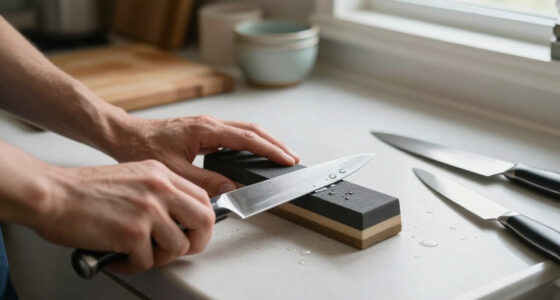
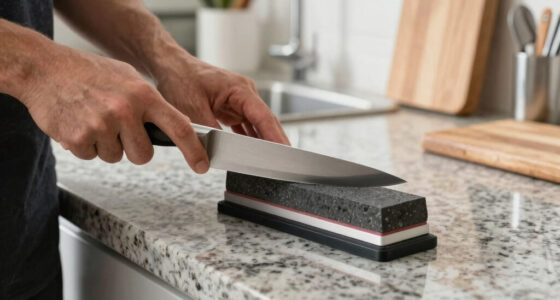
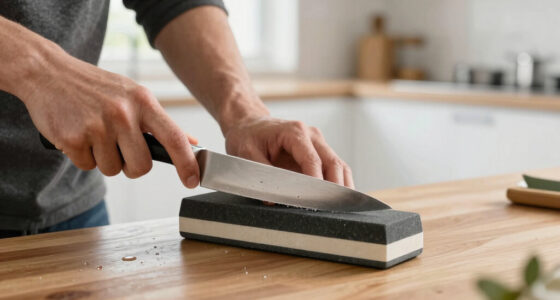
Regular honing and professional sharpening extend your knives’ life and safety, keeping edges razor-sharp.
Japanese and Western knives offer distinct advantages—match your choice to your cooking style and comfort.
The Essential Kitchen Knives You Actually Need
A small, thoughtfully chosen set handles almost every home-kooking task. Prioritize a comfortable grip, a sharp edge and proper care—not a drawer full of specialized blades.
Chef’s, paring and bread knives form the practical foundation.
One compact set covers nearly all everyday slicing, chopping and detail work.
A clean edge needs less force, reducing slips, fatigue and damaged ingredients.
Three blades. Almost every task.
Spend where versatility matters. These three shapes divide kitchen work into broad prep, precision work and clean serrated slicing—without redundant tools taking up space.
Chef’s knife
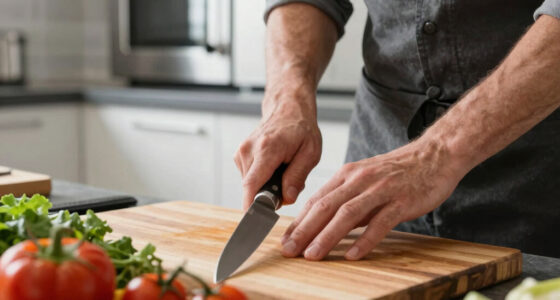
Your primary blade for chopping vegetables, slicing meat, mincing herbs and handling large batches. Comfort and balance matter more than the logo.
Best for: chop · slice · dice · minceParing knife
A small, controllable blade for peeling fruit, trimming vegetables, coring produce and other delicate work where a chef’s knife feels oversized.
Best for: peel · trim · core · detailBread knife
Its serrated edge grips hard crust and moves through soft interiors without crushing bread, cakes, ripe tomatoes or delicate baked goods.
Best for: bread · pastry · soft produceBuy fewer knives, choose better edges, and keep them sharp. A quality trio is more useful than a crowded block of rarely used shapes.
Choose by hand feel, not hype.
The right knife matches your cooking habits, maintenance tolerance and grip. Test it whenever possible: a secure, natural hold will improve control every time you cook.
Stainless steel
Corrosion-resistant, durable and forgiving. A strong everyday choice for cooks who value simple maintenance.
Carbon steel
Takes a keen edge and can retain it well, but needs immediate drying and attentive care to prevent rust.
Use the right edge for the job.
A chef’s knife is the most capable all-rounder, but the paring and bread knives make small or serrated tasks easier, cleaner and safer.
| Kitchen task | Chef’s knife | Paring knife | Bread knife | Optional specialist |
|---|---|---|---|---|
| Vegetable chopping | ✓ Excellent | ~ Small pieces | ✗ Poor fit | ~ Santoku |
| Peeling and trimming | ~ Possible | ✓ Excellent | ✗ Poor fit | ~ Peeler |
| Crusty bread and cake | ✗ Can crush | ✗ Too short | ✓ Excellent | ~ None needed |
| Meat slicing | ✓ Very good | ✗ Too small | ~ Cooked roasts | ~ Slicer |
| Deboning or filleting | ~ Basic work | ~ Fine trimming | ✗ Poor fit | ✓ Boning / fillet |
The chef’s knife earns the biggest share.
It receives the most use, performs the widest range of tasks and can serve for decades. The percentages show a practical priority score—not a required spending formula.
Sharpness is a safety system.
Dull blades demand extra force and are more likely to slip. Simple maintenance protects the edge, preserves the steel and makes every cut more controlled.
Hand wash gently
Avoid dishwasher heat, harsh chemicals and blade-to-utensil impacts.
Dry thoroughly
Moisture encourages corrosion, especially on high-carbon blades.
Use a forgiving board
Wood or plastic protects the edge; glass and stone accelerate dulling.
Hone the edge
Honing realigns microscopic edge deformation; it does not remove much steel.
Sharpen properly
Professional service or a suitable system restores cutting geometry.
Store safely
Use a block, magnetic strip or blade guard to protect hands and edges.
More pressure means less control. If a blade slides off tomato skin, crushes herbs or forces you to saw through food, it is time to hone or sharpen.
Japanese or Western?
Neither tradition is universally better. Choose the geometry, weight and feel that suit your ingredients, technique and willingness to care for a finer edge.
Japanese style
Gyuto and Santoku knives are often thinner, lighter and highly agile. They excel at delicate slicing and precise vegetable work with minimal force.
Western style
Typically thicker and heavier, often with a bolster. The added heft feels steady during robust chopping and larger-volume preparation.
Start with the essential three. Pick the chef’s knife that feels secure and balanced, maintain every edge consistently, and add a specialist only when your actual cooking demands it.
The 3 Knives That Cover 90% of Your Kitchen Tasks
The cornerstone of a practical knife collection is knowing which three blades will get the job done. Here’s what you need: a chef’s knife, a paring knife, and a bread knife. Each one is designed for specific tasks, but together, they handle nearly everything you’ll cook.
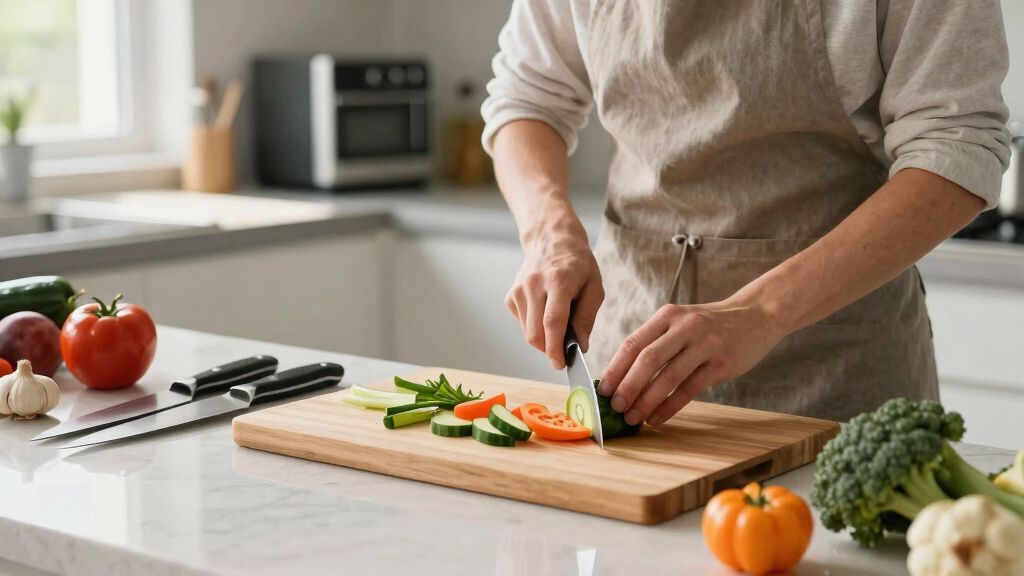
The chef’s knife is your workhorse, slicing, dicing, and chopping vegetables, meats, and herbs with ease. The paring knife handles tiny, precise tasks—paring fruit, peeling garlic, or trimming edges. The bread knife’s serrated edge makes slicing crusty loaves and baked goods effortless without crushing or tearing.
For example, when making a vegetable stir-fry, you’ll use the chef’s knife for chopping carrots and peppers. A paring knife will peel garlic and trim herbs. When slicing a fresh baguette, the bread knife’s teeth glide through crust without squashing the soft crumb inside.
Investing in quality versions of these three blades, with comfortable handles and sharp edges, instantly boosts your cooking confidence and safety.
As an affiliate, we earn on qualifying purchases.
How to Pick the Right Kitchen Knives for Your Needs
Choosing the right knives involves more than just brand names. Think about how you cook and what feels good in your hand. Comfort, balance, and blade material matter more than flashy features.
Here’s a simple process:
- Assess your cooking style—do you chop a lot of vegetables, or do you mostly prepare meats?
- Set a budget—quality knives can last a lifetime, but you don’t need the most expensive to start.
- Test handle comfort—hold different knives, feel the grip, and see which feels secure and natural.
- Choose blade materials based on your care willingness—stainless steel for low maintenance or carbon steel for sharper edges but more upkeep.
- Verify the blade’s sharpness and edge retention—ask about sharpening options and durability.
Understanding these factors helps you avoid costly mistakes and ensures your knives will feel good in your hand, making prep easier and safer. For example, a Japanese-style Gyuto may be excellent for precise, delicate cuts if you prefer a lightweight, nimble feel. Conversely, a Western-style chef’s knife with a bolster provides a balanced, sturdy grip for heavier chopping, which is better if you often work with tougher ingredients or larger quantities. The right choice depends on your specific needs and how comfortable you feel with the knife in your hand—that’s what truly impacts your cooking experience.
As an affiliate, we earn on qualifying purchases.
Why a Good Chef’s Knife Is Still the Best Investment
A quality chef’s knife isn’t just a fancy tool—it’s your most-used, most reliable blade. It can last decades if you care for it, making it a smart investment that often pays for itself over time.
Research indicates that a sharp, well-made chef’s knife significantly improves your efficiency in the kitchen. It allows for cleaner cuts, which retain the quality of ingredients, and reduces fatigue because less force is needed. This directly translates into faster prep times and less physical strain, especially during lengthy cooking sessions. Moreover, a good knife enhances safety; a sharp blade is less likely to slip and cause injury than a dull one. The tradeoff is that initially, high-quality knives can be more expensive, but their durability and performance often justify the cost. Plus, with proper maintenance, a single well-made chef’s knife can serve you for decades, making it a worthwhile investment that improves your cooking experience and safety every day.
Remember, it’s about feel and balance—an investment in a knife that fits your hand and your style will make your daily prep more comfortable and precise. Regular honing keeps the edge aligned, and professional sharpening every 6-12 months ensures it stays in peak condition, prolonging its lifespan and maintaining safety.
As an affiliate, we earn on qualifying purchases.
Caring for Your Knives: Keep Them Sharp and Safe
Proper care is what makes your knives last a lifetime. Dull blades aren’t just frustrating—they’re dangerous. Sharp knives cut better, require less force, and are less likely to slip, reducing the risk of accidents. Conversely, neglecting maintenance can lead to blades that chip, corrode, or become unsafe to use, forcing you to replace them prematurely and increasing safety hazards.
Here are simple tips with deeper implications:
- Hand wash immediately after use. Dishwashers can cause pitting and corrosion, especially on carbon steel blades, and can damage the handle or edge alignment. Gentle hand washing preserves the integrity of the blade and handle over time.
- Dry thoroughly to prevent rust, which can weaken the steel and lead to dangerous degradation. This is especially critical for carbon steel blades, which are more prone to rust if left damp.
- Use a cutting board made of wood or plastic. Glass or stone surfaces are too hard and will dull blades quickly, requiring more frequent sharpening and risking chipping.
- Hone your knives weekly with a honing steel to realign microscopic edge imperfections that occur during use. This simple step maintains sharpness and prolongs the interval between professional sharpenings.
- Have your knives professionally sharpened every 6-12 months, depending on frequency of use and cutting habits. Proper sharpening restores the blade’s original geometry, ensuring clean cuts and reducing the force needed, which minimizes accidents.
- Store knives safely—using magnetic strips, knife blocks, or blade guards—protects the edge from unnecessary dulling and prevents accidental cuts during retrieval. Proper storage also maintains the blade’s alignment and sharpness over time.
For example, a home cook who regularly honed their knives weekly and stored them properly reported not only improved cutting performance but also a greater sense of safety during prep. Regular maintenance creates a cycle of better performance, safety, and longevity, ultimately saving money and reducing frustration.
As an affiliate, we earn on qualifying purchases.
Japanese vs. Western Knives: Which Style Fits You?
Japanese knives like the Gyuto and Santoku are celebrated for their razor-sharp edges and lightweight feel, making them ideal for precise, delicate cuts. Their thin, layered blades excel at slicing with minimal force, reducing strain on your hand and wrist. Western knives tend to be thicker, with a bolster, providing more heft and balance, which is advantageous for heavy-duty chopping, cutting through bones, or working with tougher ingredients. The tradeoff is that Western knives may require more force to achieve the same results, and their weight can cause fatigue if used improperly.
Choosing between them hinges on your typical tasks and comfort. Japanese knives are excellent for fine slicing, filleting, and tasks requiring precision, especially if you prefer a lightweight, nimble feel. Western knives are more versatile for larger, more robust tasks—like breaking down a chicken or chopping tough root vegetables—thanks to their sturdiness and balance. Ultimately, understanding these differences allows you to select a style that complements your cooking routines, making your prep more efficient and enjoyable. Both styles are capable, but aligning your choice with your habits and comfort ensures better results and less fatigue.
The One-Knife Myth? Why Most Home Cooks Need More
Thinking one knife can do everything is an appealing idea—saving money and space—but in reality, it’s a compromise that often leads to frustration or subpar results. Each task in the kitchen has unique requirements; a single versatile knife, no matter how well-made, cannot handle all of them with equal efficiency. For instance, attempting to slice a delicate tomato with a heavy chef’s knife often results in crushing or tearing the fruit, while a paring knife can do this with finesse, preserving the tomato’s texture. Similarly, crusty bread demands a serrated bread knife, which cannot be replaced effectively by a straight-edged chef’s knife without risking damage or poor results.
While a high-quality chef’s knife can cover many tasks, adding a paring knife and a bread knife creates a complementary set that makes your kitchen safer, more efficient, and more enjoyable. These specialized tools allow you to work faster, with less effort and less risk of accidents. They also help preserve the quality of your ingredients, which is crucial for good cooking. The tradeoff is that investing in a small set tailored to your needs will pay off over time by reducing frustration and improving your results, rather than forcing one knife to do everything poorly. Remember, matching the right tool to the task is the key to better, safer, and more satisfying cooking experiences.
Frequently Asked Questions
What are the absolute must-have knives for a home cook?
A chef’s knife, paring knife, and bread knife are enough for most tasks. They’re versatile, reliable, and cover nearly everything you’ll prepare in your kitchen.How do I pick the right knife for my cooking style?
Consider what ingredients you work with most often. Test handle comfort, choose blade materials based on your care routine, and pick a style—Japanese or Western—that feels natural to you.How often should I sharpen my knives?
Honing weekly keeps edges aligned, while professional sharpening every 6-12 months maintains optimal sharpness. Adjust based on how often you cook and the use you give your knives.Are expensive knives worth the investment?
Yes. Better knives stay sharper longer, cut more easily, and are safer to use. They also last a lifetime with proper care, making them a smart financial choice.How do I care for my knives?
Hand wash immediately, dry thoroughly, store safely—preferably on a magnetic strip or in a block—and sharpen regularly. Proper maintenance keeps them performing their best.Conclusion
Start with a small, high-quality knife set tailored to your needs. Prioritize maintenance—keeping your blades sharp is the best way to cook safer and faster. A few well-chosen, cared-for knives can transform your kitchen experience, making every prep a pleasure, not a chore.Columbus Day / Indigenous Peoples' Day Picks
long weekend sales
As an affiliate, we earn on qualifying purchases.