TL;DR

Get kitchen gear delivered free with Prime
- Fast, free delivery on millions of items
- Prime Video, Amazon Music and more included
- Member-only deals all year
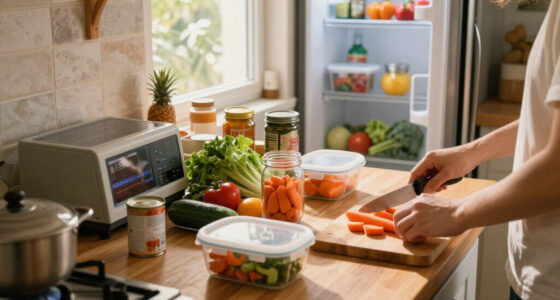
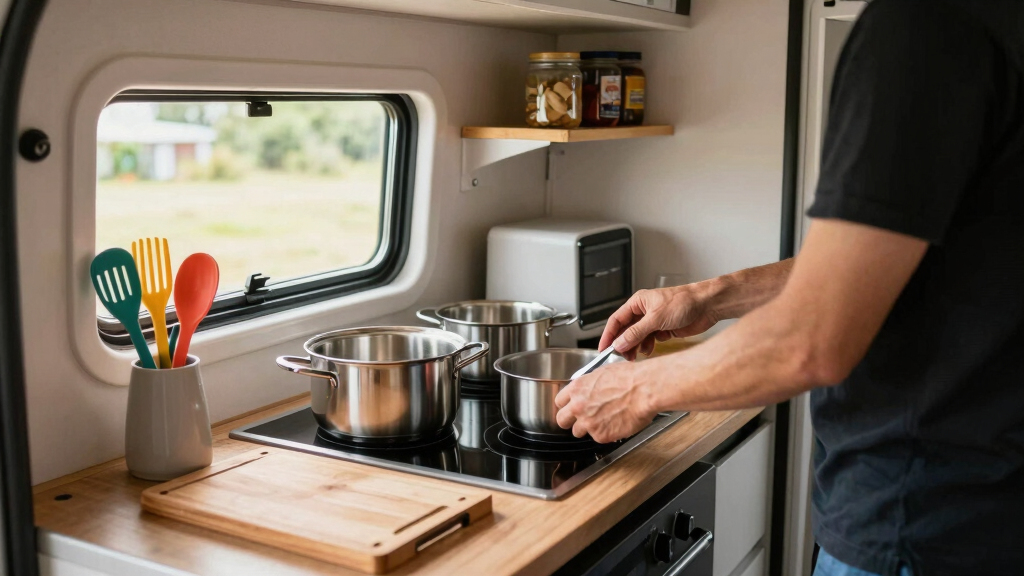
To set up a functional kitchen in a tiny home or RV, focus on space optimization, selecting compact appliances, and ensuring proper ventilation. Smart storage and durable surfaces turn tiny spaces into efficient cooking zones. Recent trends include modular units and off-grid solutions for independence.
Living small doesn’t mean sacrificing good cooking. In fact, a tiny home or RV kitchen can become your most loved space with the right setup. It’s about clever choices—compact appliances, vertical storage, and smart layout—that turn tight quarters into a culinary haven.
Imagine cooking a hearty stew or baking bread just feet from your sleeping area, all while your setup withstands movement and regular use. This guide shows you how to craft a kitchen that’s both practical and resilient, no matter how tiny your space.
Prioritize vertical storage and multi-use containers to maximize limited space.
Choose compact, versatile appliances that serve multiple functions to save counter real estate.
Design your layout with a tight work triangle—sink, stove, fridge—within 6-8 feet for efficiency.
Use durable, easy-to-clean materials like stainless steel or sealed surfaces to withstand daily wear.
Incorporate smart storage tricks like pull-out shelves and hidden compartments to keep clutter at bay.
How to Maximize Storage in a Tiny Kitchen Without Clutter
In a tiny home or RV, storage is everything. You need every inch to work for you. Use vertical space with wall-mounted racks and magnetic strips for knives and utensils. Over-the-door racks add hidden compartments for spices or small tools. Under the counter, install pull-out drawers and shelves to keep things accessible but out of sight.
Think about multi-use containers: stackable jars, collapsible bowls, and nesting utensils. For example, a single container can store dry goods, then fold flat when empty. This keeps your counters clear and your essentials at your fingertips. The key is understanding that efficient use of vertical space and versatile containers reduces clutter and frees up precious counter real estate, which is vital in tiny kitchens. However, this often involves tradeoffs—overly complex storage solutions may require more effort to access or maintain, so balancing accessibility with maximized space is crucial.
compact oven-microwave combo for tiny kitchen
As an affiliate, we earn on qualifying purchases.
As an affiliate, we earn on qualifying purchases.
Choosing Appliances That Do Double Duty and Save Space
In tiny kitchens, compact, multi-purpose appliances are your best friends. Look for oven-microwave combos, which save counter space and energy. A portable induction cooktop can serve as your stove and be tucked away when not in use. Consider a small refrigerator with a freezer compartment—many models are designed for tiny spaces and use less energy.
Choosing appliances that serve multiple functions means you can eliminate redundant devices, freeing up space and reducing clutter. For instance, an oven-microwave combo allows you to bake, reheat, and cook without needing separate units, which is a significant advantage in limited space. However, tradeoffs exist—multi-function appliances might not perform each task as well as dedicated units, so understanding your priorities and cooking habits is essential. Additionally, compact appliances often come at a higher cost per unit of functionality, so balancing budget and needs is key to making smart choices.
As an affiliate, we earn on qualifying purchases.
Designing a Work Triangle That Actually Works in Small Spaces
In tiny kitchens, the classic work triangle—sink, stove, fridge—must be tight but efficient. Keep these three points within a 6-8 foot radius to minimize movement. For example, position your sink near the window for natural light and a quick splash of fresh air. Place your fridge close to your prep area for easy access to ingredients.
Use corner shelving or sliding drawers to make the most of awkward spaces. A well-planned layout reduces steps, saves time, and keeps your workflow smooth—crucial when space is tight. The implication is that a carefully considered layout enhances efficiency but requires tradeoffs. For example, placing appliances too close might restrict movement or make access difficult, while spreading them out could waste precious space. Therefore, understanding the flow of your cooking process and how to optimize it within tight confines is vital for functionality.
space-saving refrigerator for small spaces
As an affiliate, we earn on qualifying purchases.
As an affiliate, we earn on qualifying purchases.
Smart Storage Tricks for Tiny Kitchens That Actually Work
Every tiny kitchen needs clever storage. Use overhead cabinets for items you don’t use daily. Install pull-out pantry shelves for canned goods, and place hidden compartments behind panels or under stairs if available. Use collapsible tools—like silicone spatulas and folding colanders—to save space.
For example, a pull-out spice rack behind the door keeps your herbs handy without taking up counter space. These tricks turn small areas into organized, accessible kitchens. The key is understanding that each storage solution should serve multiple purposes—such as a spice rack that also acts as a divider or a hidden compartment that doubles as a cutting board station. The tradeoff is often in accessibility; some hidden compartments may be less convenient to reach quickly, so prioritize based on your usage patterns to maintain efficiency.
vertical wall-mounted kitchen storage racks
As an affiliate, we earn on qualifying purchases.
As an affiliate, we earn on qualifying purchases.
Ventilation and Lighting for a Small, Safe, Bright Kitchen
Proper ventilation in tiny kitchens is critical to prevent moisture buildup and odors. Use range hoods or vent fans that vent outside if possible. Keep a window open during cooking, or install a small exhaust fan near the stove. For lighting, layer bright LED fixtures over prep areas and softer lights for ambiance.
Imagine cooking a pot of stew on a rainy day—fresh air from a vent fan keeps your space comfortable and odor-free. Good lighting helps you see every chop and stir clearly, making cooking safer and more enjoyable. The implication is that good ventilation and lighting are not just comfort features but essential for health and safety in small, enclosed spaces. Tradeoffs may include the need for additional installation effort or increased energy use, so choosing energy-efficient options and proper placement ensures safety without sacrificing comfort.
Materials and Surfaces That Last and Clean Easy in Tiny Spaces
In small kitchens, durability and cleanliness go hand in hand. Choose lightweight, impact-resistant materials like stainless steel or sealed concrete for countertops. Use easy-to-clean surfaces—smooth, non-porous, and resistant to stains and scratches. For cabinets, opt for waterproof plywood or sealed wood to withstand humidity.
For example, a stainless-steel countertop resists dents and cleans with a quick wipe. Durable, low-maintenance surfaces keep your kitchen looking sharp and functioning well over years of use. The tradeoff is that some materials, while durable, may be more expensive or less aesthetic; balancing durability with style and budget is key. Selecting the right materials impacts long-term maintenance costs and the overall look of your tiny kitchen, making this a crucial decision for longevity and satisfaction.
Latest Trends Making Tiny Kitchen Setup Easier and Smarter
Recent trends focus on modular, customizable units that fit your exact needs. Think fold-away counters, slide-out appliances, and stackable storage. Smart appliances with remote control or energy savings are gaining popularity, even in off-grid setups.
Eco-friendly solutions like solar-powered fridge units and water-saving fixtures are also on the rise. These innovations help you build a tiny kitchen that’s not only functional but also aligned with sustainable living. The implication is that adopting these trends can significantly improve your kitchen’s efficiency and sustainability but may involve higher upfront costs or technical know-how. Balancing innovation with practicality ensures your tiny kitchen remains both modern and manageable.
Frequently Asked Questions
How can I maximize storage in a tiny kitchen?
Use vertical space with wall-mounted racks, magnetic strips, and overhead cabinets. Incorporate pull-out shelves and hidden compartments, and select collapsible or nesting tools to keep everything organized without clutter.What are the best appliances for small spaces?
Look for compact, multi-purpose appliances like oven-microwave combos, portable induction burners, and small refrigerators with freezer compartments. These save space and energy while expanding your cooking options.How do I ensure proper ventilation and safety?
Install range hoods or vent fans that exhaust outside, and keep a window open during cooking. Use layer lighting for safety and ambiance, and position vents near heat sources to prevent moisture buildup.Can I cook all my favorite meals in a tiny kitchen?
Yes, with the right tools and layout. Multi-purpose appliances and efficient workflows let you prepare anything from soups to baked goods. Planning your space around your favorite dishes makes it easier to cook everything you love.What are cost-effective ways to upgrade or customize my tiny kitchen?
Start with small upgrades like installing pull-out shelves, adding magnetic knife strips, or replacing surfaces with durable, easy-to-clean materials. DIY projects like building your own storage units or repainting cabinets also keep costs down while boosting functionality.Conclusion
In a tiny home or RV, your kitchen becomes a hub of efficiency and resilience. The secret lies in smart layout, sturdy materials, and clever storage that adapts to movement and small spaces. With these strategies, your compact kitchen can be both a joy to cook in and a cornerstone of your off-grid lifestyle.
Start with one or two tweaks—like adding a pull-out spice rack or upgrading to a multi-purpose appliance—and watch your tiny kitchen transform into a powerhouse of practicality and comfort. A small space well-organized is a big step toward confident off-grid living.
Halloween Picks
halloween
As an affiliate, we earn on qualifying purchases.