
TL;DR

Get kitchen gear delivered free with Prime
- Fast, free delivery on millions of items
- Prime Video, Amazon Music and more included
- Member-only deals all year
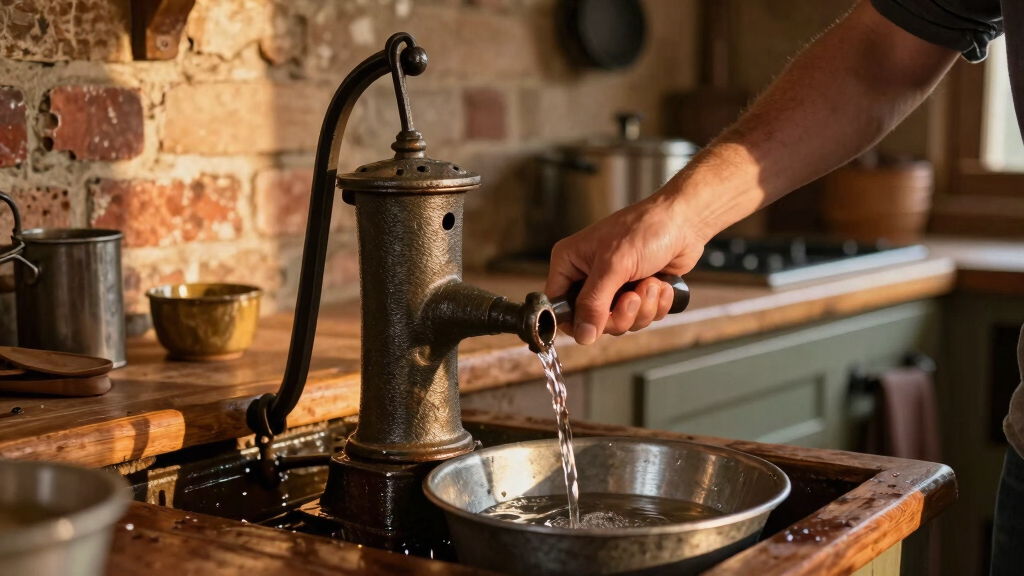
Manual water pumps use a simple piston or diaphragm mechanism to draw water from a source. They rely on human effort and don’t need power, making them perfect for off-grid setups. Knowing how they work helps you choose and maintain them better.
Manual water pumps operate on a simple piston or diaphragm mechanism that uses human effort to draw water from below ground.
Regular maintenance — including inspecting seals, lubricating parts, and cleaning debris — extends a pump’s lifespan and keeps water flowing steadily.
Different pump types suit different depths and sources: deep-well piston pumps for deep wells, shallow-well pumps for closer sources, and diaphragm pumps for r…
Manual pumps are more reliable in power outages and require minimal repairs, making them ideal for off-grid water resilience.
Understanding the mechanics and care of manual pumps turns them into lifelong tools, ensuring steady water access in any situation.
What is a manual water pump and why does it matter?
At its core, a manual water pump is a device that uses human effort to lift water from a source. It’s a simple device with no need for electricity or fuel. Imagine a garden hose with a handle — now scale that up to a device that can draw water from a well 20 feet deep. These pumps matter because they give you control over your water supply, especially in off-grid scenarios where power isn’t an option.
From 19th-century farms to modern survival setups, manual pumps have stood the test of time. They’re tough, dependable, and when maintained, can last for decades. Whether you’re extracting water for drinking, irrigation, or household use, understanding what makes these pumps tick helps you keep your water flowing no matter what.
As an affiliate, we earn on qualifying purchases.
The simple design that pulls water from the ground
Every manual pump relies on a basic principle: creating a vacuum to lift water. Inside, a piston or diaphragm moves up and down inside a cylinder. When you operate the handle, you change the pressure, pulling water into the chamber and pushing it out through a spout or pipe.
Think of it like a giant, human-powered syringe. The internal parts seal tightly, so when you pull the handle, a vacuum forms. Water rushes in through a one-way valve. Pushing the handle back forces water out, ready for your use.
The depth from which your pump can draw water directly impacts its practicality and your effort. For shallow sources, manual pumps are straightforward, requiring minimal effort. However, as the depth increases, so does the physical demand on the user. Deeper wells demand more powerful or specialized pumps, which often involve tradeoffs like increased complexity, higher cost, or greater effort. This means that choosing a pump isn’t just about capability but also about balancing your physical capacity, budget, and maintenance willingness. If you underestimate the effort needed for deeper sources, you might find yourself unable to operate the pump effectively, leading to frustration or failure. Conversely, overestimating your capacity can result in selecting a pump that’s too complex or expensive. Proper understanding of depth implications helps you select a pump that matches your needs and ensures reliable, sustained water access without overburdening yourself.
As an affiliate, we earn on qualifying purchases.
How human effort moves water: The step-by-step process
- Pull the handle up: This creates a vacuum inside the cylinder, drawing water through the one-way valve from the source.
- Handle at the top: The vacuum pulls water into the pump chamber, filling it up.
- Push the handle down: This compresses the water, forcing it out through the spout and into your container.
- Repeat: As you continue pumping, the cycle repeats, providing a steady flow of water.
It’s a rhythmic dance — your muscles work in concert with the pump’s internal valves. The more consistent your effort, the more reliable your water flow. This process may seem straightforward, but it’s a delicate balance of pressure and seal integrity. If seals wear out or debris blocks the valves, the vacuum won’t form properly, reducing flow or causing the pump to fail altogether. Recognizing these issues and addressing them promptly ensures continuous water access and prolongs the life of your pump. The efficiency of this manual effort depends on your strength, technique, and the pump’s design—understanding these factors helps you optimize your effort and maintain a steady water supply.
As an affiliate, we earn on qualifying purchases.
Types of manual water pumps and what they’re best at
Not all manual pumps are created equal. The most common types include:
- Deep-well piston pumps: Ideal for wells over 25 feet deep, using a long piston rod and strong seal to lift water. They are more complex and require more effort but can reach greater depths, which is essential for rural or off-grid homes relying on deep aquifers.
- Shallow-well hand pumps: Designed for less than 25 feet, these are easier to operate and simpler in design. They are suitable for garden ponds, rainwater catchment, or shallow wells, offering a good balance of effort and reliability for everyday use.
- Diaphragm pumps: Often used for small-scale or remote setups, they provide a smooth flow with less effort. Their design makes them resistant to debris and easier to maintain, making them ideal for fragile or contaminated sources.
- Bucket pumps: The simplest, using a bucket and a rope, best for very shallow sources or emergency use. They require manual labor but are highly portable and inexpensive, useful in survival situations or temporary setups.
Choosing the right pump depends on your specific needs, depth of your water source, and how much effort you’re willing to invest. For instance, a deep-well piston pump can extract water from significant depths but demands more maintenance and effort, which might be a tradeoff in a remote setting. Conversely, shallow-well or diaphragm pumps offer quick, easy operation but are limited in depth. Understanding these distinctions allows you to select a pump that balances effort, reliability, and suitability for your particular water source, ensuring sustainable access over the long term.
As an affiliate, we earn on qualifying purchases.
How to keep your manual pump working for decades
Proper maintenance turns a good pump into a lifetime tool. Here’s what you should do:
- Regularly inspect seals and valves: Look for cracks or leaks that can decrease efficiency. Damaged seals allow air leaks, reducing the vacuum and water flow, which can force you to pump harder or replace parts prematurely.
- Lubricate moving parts: Use food-grade oil on the handle and piston rods to reduce wear. Proper lubrication minimizes friction, extending the life of internal components and maintaining smooth operation.
- Clean out debris: Remove dirt or rust that can clog or damage internal parts. Regular cleaning prevents corrosion and ensures the valves and seals function properly, especially important in humid or dirty environments.
- Test water flow: Periodically pump to ensure it’s steady and strong. If flow diminishes, it may indicate worn seals or rust buildup that needs addressing before complete failure.
- Protect from the elements: Cover your pump to prevent corrosion and freezing. In cold climates, insulating or heating your pump prevents freezing and cracking, which are common causes of failure. In humid environments, a protective cover reduces rust formation. Routine care, adapted to your local climate, extends your pump’s operational lifespan, ensuring reliable water access for generations.
Maintaining your manual pump isn’t just about keeping it functional; it’s about understanding the environment and the wear patterns that can develop over time. For example, in humid climates, rust can quickly degrade metal parts, so regular inspection and protective coatings are vital. In colder regions, freezing temperatures can crack components if not properly insulated, leading to costly repairs or replacement. By proactively addressing these issues, you ensure your pump remains a dependable water source for decades, saving you money and effort in the long run.
Advantages of manual water pumps over electric ones
Manual pumps beat electric models in several ways. They don’t rely on power, so they work during outages or in remote locations. They’re also simpler to repair, often with just basic tools and no specialized parts. Plus, they’re incredibly durable — some models have operated for over a century with minimal maintenance.
For example, during a power outage on a farm, a manual pump kept water flowing for livestock and household needs without interruption. That level of resilience is hard to match with electric systems.
However, manual pumps do require physical effort, which can be tiring if your water needs are high. It’s a tradeoff between simplicity and effort, but for off-grid resilience, manual often wins. Understanding these advantages helps you plan for reliable water access regardless of grid stability, making manual pumps a cornerstone of off-grid self-reliance.
Frequently Asked Questions
How deep can a manual water pump draw water from?
Most standard manual pumps can lift water from around 25 to 30 feet deep. Deep-well piston pumps can reach over 100 feet, but effort increases significantly with depth.How much effort does it take to pump water daily?
It depends on the pump size and water need. For small household use, consistent pumping might take 10-15 minutes per day. For larger demands, consider a more efficient design or a different type of pump.Can I install a manual pump myself?
Yes, with basic plumbing skills, you can install most shallow or deep-well manual pumps. Follow manufacturer instructions carefully, and remember to check local codes and safety precautions.What are common problems with manual pumps?
Leaks, worn-out valves, and rust are typical issues. Regular inspection and maintenance can prevent most problems, ensuring your pump stays reliable.Are manual pumps suitable for drinking water?
Absolutely. When properly maintained and fitted with food-grade materials, manual pumps can deliver safe, clean water directly from your well or source.Conclusion
A manual water pump isn’t just a relic — it’s a proven, durable tool for off-grid living. It’s about turning your effort into reliable water, no matter what the power grid does. Keep it simple, keep it maintained, and water flow becomes one less thing to worry about in your self-reliant setup.Columbus Day / Indigenous Peoples' Day Picks
long weekend sales
As an affiliate, we earn on qualifying purchases.