
TL;DR

Get kitchen gear delivered free with Prime
- Fast, free delivery on millions of items
- Prime Video, Amazon Music and more included
- Member-only deals all year
Cold brew concentrate is a highly efficient way to enjoy smooth, less acidic coffee. It’s easy to make, lasts 2-3 weeks in the fridge, and can be customized with flavors for off-grid or everyday use.
Use a 1:4 coffee-to-water ratio for a strong concentrate that’s versatile.
Filter thoroughly to avoid gritty sediment in your final drink.
Store in a sealed, opaque container in the fridge for up to 3 weeks.
Experiment with steeping times and flavor infusions to suit your taste.
Cold brew concentrate is not only economical but also provides a smoother, less acidic coffee experience.
Cold Brew Concentrate: Making and Storing It
A smooth, flexible coffee base built for streamlined mornings and off-grid independence. Brew once, dilute to taste, and keep rich coffee ready for up to three weeks.
Four steps from beans to concentrate
Hands-on time: minutesMeasure
Choose fresh medium or dark roast beans. Coarsely grind and use one part coffee to four parts cold water for a bold, versatile base.
Combine
Add grounds and water to a clean jar or pitcher. Stir gently until every ground is evenly saturated.
Steep
Cover and refrigerate for 12–24 hours. More time brings greater strength, but excessive steeping may introduce bitter notes.
Filter
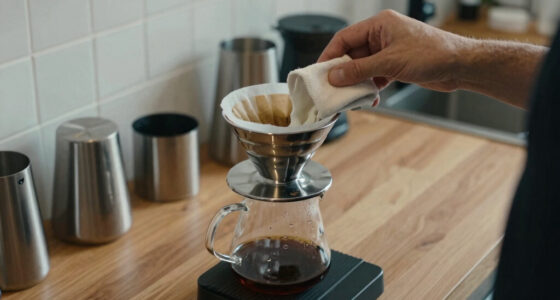
Strain through fine mesh, cheesecloth, or a paper filter. Filter again when needed for a clean, sediment-free finish.
The practical brew station
No elaborate machinery is required. A durable container, accurate measurement, coarse grounds, and careful filtration deliver consistent concentrate almost anywhere.
Essential equipment
Strength by steeping time
Control point: Taste near the end of the steep. Strength rises with time, while over-extraction can shift the profile toward bitterness.
Store for freshness, not just shelf life
Light, warmth, oxygen, and temperature swings weaken aroma and accelerate stale flavors. Protecting the concentrate preserves the nuanced profile developed during brewing.
Seal it in the dark
Use an airtight, opaque bottle or jar. Dark glass is ideal for limiting oxidation and light exposure.
Choose the cold zone
Keep concentrate deep inside the refrigerator, away from the door and its frequent temperature changes.
Date and inspect
Label the brew date. Discard immediately if you detect mold, discoloration, sour aroma, or an unusual taste.
| Storage condition | Flavor protection | Expected result | Verdict |
|---|---|---|---|
| Airtight + opaque + refrigerated | High | Best aroma and longest useful life | ✓ Preferred |
| Clear sealed jar + refrigerated | Moderate | Cold protection, but vulnerable to fridge light | ~ Acceptable |
| Loose lid + refrigerator door | Low | More oxygen and repeated temperature swings | ✗ Avoid |
| Room temperature storage | Very low | Rapid quality loss and increased safety risk | ✗ Discard |
The concentrate-to-cup chain
Your coffee secret weapon
Cold brew concentrate is economical, customizable, less acidic, and ready whenever you are. Use it for iced coffee, warm drinks, smoothies, desserts, or cocktails.
Start with a strong 1:4 coffee-to-water ratio, then adjust future batches to taste.
Filter thoroughly; clean texture is the difference between polished and gritty cold brew.
Store in a sealed, opaque container in the coldest refrigerator zone for up to three weeks.
Experiment with vanilla bean, cinnamon, cardamom, caramel, or other flavor infusions.
Dilute at roughly 1:1 or 1:2 with water, milk, or a milk alternative before drinking.
Quick questions, clear answers
Can decaf become concentrate?
Yes. Decaf brews with the same method and provides a smooth option for evenings or lower-caffeine routines.
Can it be served hot?
Yes. Dilute and warm gently over low heat. Avoid boiling, which can flatten aromas and alter the flavor.
How do I spot spoilage?
Sour odor, mold, discoloration, or an unusual taste are clear signals to discard the batch immediately.
Is it stronger than regular coffee?
The undiluted concentrate can contain substantial caffeine. Portion carefully and dilute according to taste and tolerance.
How to Make Cold Brew Concentrate in 4 Easy Steps
Cold brew concentrate starts with a simple idea: use more coffee grounds than usual, steep it cold, then filter. The result? A potent base you can dilute as needed. Think of it as creating a coffee ‘essence’—a concentrated extract that captures the full flavor profile of your beans. This approach allows you to customize your coffee strength daily; for example, a small splash of concentrate can make a rich coffee shot, while a larger dilution results in a milder brew. The longer steeping time extracts more flavors and caffeine, but beware—over-steeping can lead to bitter notes. Filtering thoroughly ensures a clean, grit-free experience, which is crucial for off-grid brewing where equipment may be minimal. This method emphasizes flexibility and control, turning your coffee routine into a personalized ritual.
- Pick your coffee — medium or dark roast works best for richness.
- Measure coffee grounds at a ratio of about 1:4 to 1:8 (for concentrate, 1 part coffee to 4 parts water is common).
- Combine grounds with cold water in a jar or pitcher. Stir gently to wet all grounds evenly.
- Steep in the fridge for 12-24 hours. The longer, the stronger.
- Filter thoroughly through a fine mesh sieve or cheesecloth, into a clean container.
That’s it. You’ll have a rich, smooth concentrate ready for all kinds of drinks. Think of it as your coffee’s secret weapon — a versatile, off-grid-friendly brew that lasts.
cold brew coffee concentrate maker
As an affiliate, we earn on qualifying purchases.
As an affiliate, we earn on qualifying purchases.
What Equipment Do You Need for Perfect Cold Brew?
Good tools make all the difference. You don’t need fancy gear, but a few essentials will help you get a clean, sediment-free concentrate:
- Coarse coffee grounds – not too fine, or you’ll clog your filter. Think of it as gravel in a fish tank—large enough to let water flow but small enough to hold your beans.
- A sturdy jar, pitcher, or dedicated cold brew maker—preferably glass or BPA-free plastic that doesn’t absorb odors.
- A fine mesh sieve, cheesecloth, or a coffee filter for straining—these act as barriers, catching tiny coffee particles that could cloud your brew or cause gritty texture.
- Measuring cups and a spoon for mixing—precision helps ensure consistent results, especially when experimenting with flavors or steeping times.
Using the right equipment prevents grit in your final brew and makes cleanup easier. Think of your setup as your off-grid coffee station — simple, durable, and reliable. For example, using a dedicated cold brew pitcher with a built-in filter can streamline the process, making it easier to produce consistent quality every time.
As an affiliate, we earn on qualifying purchases.
How to Store Cold Brew Concentrate Safely and Keep It Fresh
Proper storage is key to maintaining flavor and safety. Imagine your cold brew concentrate as a delicate elixir—exposed to light, heat, or air, it can degrade quickly, losing aroma and developing off-flavors. Store it in an airtight, opaque container—think dark glass bottles or sealed jars—to shield it from light and oxygen, which accelerate spoilage. Label the container with the date to track freshness, much like a farm store labels produce to ensure quality. Place it in the coldest part of your fridge, away from the door where temperature fluctuations are common, to keep it at a consistent, optimal temperature. If you notice a sour smell, discoloration, or mold, discard it immediately, as these are signs of spoilage. Proper storage not only extends shelf life but also preserves the nuanced flavors of your beans, ensuring each cup remains vibrant and fresh—whether you’re off-grid or in a well-equipped kitchen.
Beyond just refrigeration, understanding the implications of storage conditions helps you optimize freshness and flavor. Light exposure can cause oxidation, which dulls the coffee’s aroma and can introduce stale or sour notes. Heat accelerates chemical changes, leading to quicker spoilage. Oxygen, especially in unsealed containers, can cause the oils and volatile compounds in coffee to oxidize, resulting in a flat or rancid taste over time. Therefore, choosing airtight, opaque containers and storing in the coldest part of your fridge isn’t just about safety—it’s about preserving the complex flavor profile you worked to develop. Proper storage practices also reduce waste, saving you money and effort, especially important in off-grid or resource-limited settings where every drop counts.
As an affiliate, we earn on qualifying purchases.
Frequently Asked Questions
Can I make cold brew concentrate with decaf coffee?
Absolutely. Decaf works just as well, giving you a smooth, less caffeinated option for hot days or late evenings.What’s the best way to reheat cold brew concentrate?
Pour a small amount into a pot or mug and warm gently over low heat. It’s best to avoid boiling, which can alter flavor.How do I know if my cold brew has gone bad?
Check for sour smell, mold, or discoloration. If it tastes off or has an unusual smell, discard it to stay safe.Is cold brew concentrate better than instant coffee?
Yes. Cold brew is richer, less bitter, and retains more antioxidants. It also offers more control over flavor and strength.flavor infusion bottles for coffee
As an affiliate, we earn on qualifying purchases.
As an affiliate, we earn on qualifying purchases.
Conclusion
Making your own cold brew concentrate is a straightforward way to enjoy high-quality coffee at home or off-grid. It’s durable, customizable, and long-lasting—your off-grid coffee secret weapon. Keep experimenting with flavors and storage, and you’ll never settle for plain hot brew again.
Remember, good coffee starts with good technique. Keep your gear clean, your beans fresh, and your patience steady. That rich, smooth cold brew is just a brew away from becoming your daily staple—off-grid or not.
Fall Picks
fall essentials
As an affiliate, we earn on qualifying purchases.