
TL;DR
Open a free Amazon Business account
Business pricing, bulk buying and tax-exempt orders.
Create a free accountAs an affiliate, we earn on qualifying purchases.
Many electric kitchen tools can be replaced with simple manual alternatives that save energy, cut costs, and build culinary skills. This guide covers what to replace, how to do it, and why it matters for sustainability and self-reliance.
Ever notice how many of your kitchen gadgets hum with electricity? Imagine turning that off—no power, no problem. A non-electric kitchen isn’t about sacrificing convenience; it’s about reclaiming control, reducing your carbon footprint, and sharpening your skills. Whether you’re off-grid, preparing for emergencies, or just seeking a simpler life, shifting away from electric appliances can transform your cooking routine.
In this guide, you’ll learn what everyday electric tools you can replace, how to do it effectively, and why it’s worth the effort. You’ll see that with a few good hand tools and some know-how, you can cook, preserve, and prepare almost everything — minus the power bill.
Many electric kitchen tools, like grinders and blenders, have effective manual counterparts that perform nearly the same tasks.
Replacing electric cooking with traditional methods, such as Dutch ovens or solar cookers, is possible with practice and patience.
Food preservation techniques like curing, fermenting, and drying require no electricity and are time-tested ways to store food long-term.
Investing in durable, high-quality manual tools makes the transition smoother and cooking more enjoyable.
A non-electric kitchen fosters self-reliance, reduces energy use, and deepens your connection to traditional foodways.
What Electric Appliances Are Easy to Swap Out?
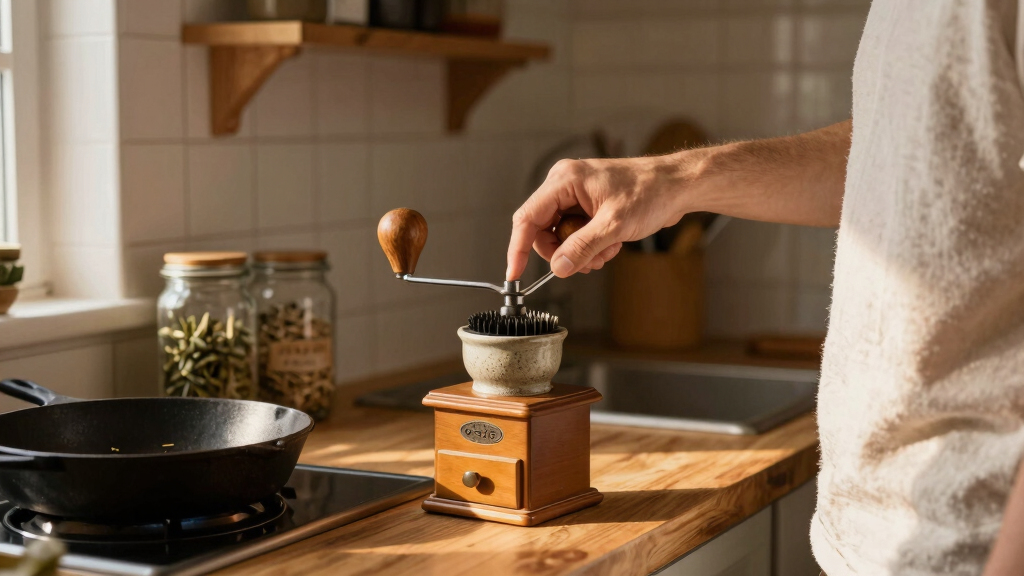
Many of your common electric kitchen gadgets have straightforward manual counterparts. For instance, a blender? A hand-crank or manual immersion blender works just as well. An electric coffee maker? Try a manual grinder and a French press or pour-over setup. Even a microwave can be replaced with a solar oven or a Dutch oven over fire.
Here’s a quick list:
- Blenders and food processors: Hand-crank or manual models, mortar and pestle, manual choppers.
- Coffee makers: Hand grinders, pour-over cones, French presses.
- Electric kettles: Stovetop kettles, solar water heaters.
- Microwaves: Solar ovens, open-flame cooking, traditional boiling or steaming.
Choosing manual substitutes isn’t just about replacing a device; it’s about understanding their impact. Manual tools often require more effort and time but can be more durable, reliable, and less prone to breakdown. They also connect you to traditional cooking methods, fostering a deeper appreciation for your food and process. The tradeoff is patience and practice, which ultimately cultivates resilience and self-reliance in your kitchen.

Ibergrif Manual Food Processor Vegetable Chopper, Portable Onion Chopper Garlic Mincer with Hand Pull String Cutter for for Veggies, Ginger, Egg, Fruits, Nuts, Herbs, 900ml, for Kitchen, Camping, RV
- Compact and Portable Design: Ideal for small kitchens, camping, RVs
- Safe and Food-Grade Materials: Made of BPA-free PP and stainless steel blades
- Easy to Use Pull String Mechanism: Control ingredient fineness with simple pulls
As an affiliate, we earn on qualifying purchases.
As an affiliate, we earn on qualifying purchases.
How to Replace Electric Cooking Devices with Simpler Methods
Switching from electric stove-top or oven to manual methods involves a few key techniques. Here’s a step-by-step:
- Identify your main electric cooking tasks: boiling, roasting, frying, baking.
- Choose your manual tools: Dutch oven, solar oven, open fire, cast iron skillet.
- Learn traditional techniques: controlling fire for roasting, managing heat in a Dutch oven, slow-cooking over coals.
- Practice patience and timing: manual methods often take longer but reward you with richer flavors and textures.
For example, roasting a chicken in a Dutch oven over coals not only mimics an electric oven’s crispness but also offers a chance to develop a more intuitive understanding of heat management. Unlike electric appliances, which regulate temperature with a switch, traditional methods rely on your senses—sight, smell, and touch—to judge doneness. This deepens your cooking skills and connects you more intimately with your food. The tradeoff involves accepting a slower pace and a learning curve, but the payoff is a more resilient, adaptable kitchen that functions without electricity.
Pro tip: Use a cast iron skillet or Dutch oven for versatile cooking, from frying eggs to baking bread, all over a wood or charcoal fire. These methods not only reduce dependence on power but also foster a richer culinary experience rooted in traditional techniques.

Victoria Manual Cast Iron Grain Mill with High Hopper, Premium Corn-Grinding Mill and Grain Grinder, Made in Colombia
- Premium Cast Iron Construction: Heavy-duty, erosion-resistant, double tin plated
- Manual Hand Crank: Durable cast iron with wooden handle
- Adjustable Grinding Coarseness: Screw adjustment for fine or coarse milling
As an affiliate, we earn on qualifying purchases.
As an affiliate, we earn on qualifying purchases.
How Do You Keep Food Fresh Without Electric Refrigeration?
Electric refrigerators are convenient but not essential for food preservation. Traditional methods like root cellars, clay pot cooling, and fermentation are time-tested techniques that offer reliable, energy-free ways to keep food fresh. Understanding why these methods matter involves recognizing their sustainability, low cost, and the way they connect us to historical foodways. For example, root cellars maintain a stable temperature and humidity, slowing spoilage and preserving vegetables and fruits naturally. Clay pot cooling leverages evaporative cooling, which is especially effective in dry climates—by filling a clay pot with perishables and covering it with a damp cloth, you create a low-energy refrigerator that uses natural cooling processes.
Fermentation transforms perishable foods into long-lasting staples, enriching flavors and providing probiotics. Sauerkraut, kimchi, and yogurt require no electricity—only patience and attention to detail. These methods aren’t just preservation techniques; they’re a way to deepen your understanding of food’s life cycle, build resilience against supply disruptions, and enjoy a more sustainable diet. The tradeoff is that these methods often require more planning and time upfront, but they reward you with a reliable, energy-free way to store food long-term and connect with traditional food preservation practices.

Veken French Press Coffee Maker, No Plastic Touching Cafe,34oz 1 L Cafetera
- Material: 304 stainless steel and food-grade silicone
- No Plastic Contact: Plastic-free brewing surfaces for safety
- Glass Carafe: High borosilicate glass resists thermal shock
As an affiliate, we earn on qualifying purchases.
As an affiliate, we earn on qualifying purchases.
How to Dry, Cure, or Smoke Foods Without Power
Drying, curing, and smoking foods are age-old methods rooted in traditional food preservation that require no electrical power. Sun-drying herbs and fruits, air-curing meats, and smoking with wood or charcoal are techniques that have sustained communities for centuries and still do today. These methods are valuable because they extend the shelf life of foods, reduce waste, and deepen your connection to the natural processes of preservation. For instance, hanging strips of jerky in a warm, breezy spot not only preserves the meat but also develops a flavor profile that’s hard to replicate with modern equipment. Similarly, curing meats with salt and hanging them in a cool, humid environment builds a resilient pantry that doesn’t depend on electricity.
Smoking can be done with a simple smoker box, a metal drum, or even a makeshift smoker constructed from available materials. The smoky flavor adds complexity and preserves foods, making them suitable for long-term storage. These techniques require patience and attention but reward you with flavorful, preservable foods that are free from reliance on power. They deepen your understanding of traditional foodways and foster resilience—key qualities for off-grid living or emergency preparedness. The tradeoff involves more time and manual effort, but the skills gained are invaluable for a self-reliant kitchen.
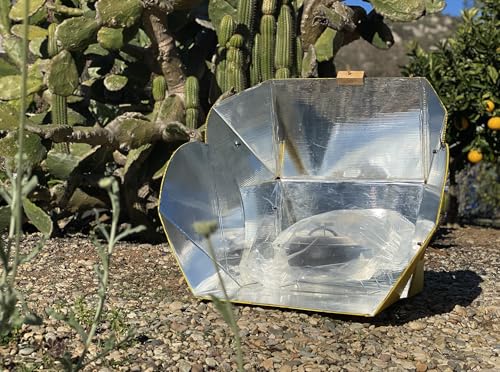
SolCook All Season Solar Cooker – Camping Cookware, Fruit & Food Dehydrator, Camp Stove, Fruit Canning Supplies, Camping Gear, Survival Gear, Emergency Supplies, (17) Camper
- Eco-Friendly Cooking: Uses solar energy to cook meals
- Ideal for Outdoor Use: Suitable for camping and hiking
- Long Sunlight Utilization: Cooks with up to 12 hours of sunlight
As an affiliate, we earn on qualifying purchases.
As an affiliate, we earn on qualifying purchases.
Comparison Table: Electric vs. Non-Electric Kitchen Tools
| Task | Electric Tool | Manual Replacement |
|---|---|---|
| Grinding spices | Electric spice grinder | Mortar and pestle |
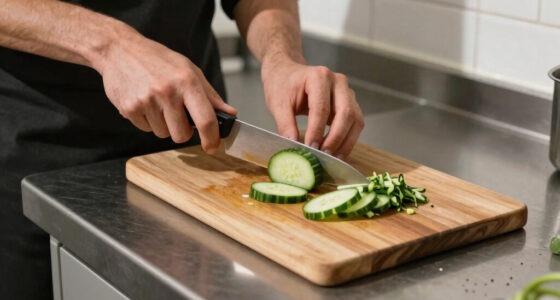
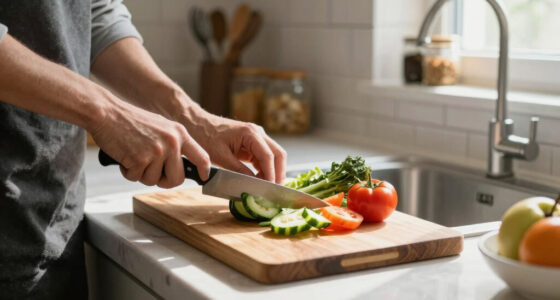
| Chopping vegetables | Food processor | Knife & cutting board |
| Boiling water | Electric kettle | Stovetop kettle or solar heater |
| Cooking rice or grains | Electric rice cooker | Stovetop pot, soaked grains |
| Baking bread | Electric oven | Wood-fired oven or Dutch oven |
What Are the Biggest Challenges and How to Overcome Them?
Manual work takes more effort and time. You might also face a learning curve for traditional techniques. But with patience and practice, these become second nature. A good set of quality tools makes all the difference.
For example, mastering fire control for cooking can be tricky at first. Start with small fires, learn to judge heat by sight, smell, and sound. Over time, you’ll cook with the precision of an electric stove—just using your senses. This process not only improves your skills but also fosters a deeper understanding of heat and food safety, which are often taken for granted with modern appliances. The tradeoff is investing time in learning these techniques, but the long-term benefits include a more versatile, resilient kitchen that can operate independently of electricity.
Another challenge is limited convenience—no instant heat or quick blending. Planning ahead, batch cooking, and embracing the slower pace as part of the process can help manage expectations. Recognizing that these methods develop patience and skill can shift your perspective, making the effort feel more purposeful and rewarding. Every skill you develop enhances your self-reliance and prepares you for a variety of situations, from emergencies to sustainable living.
Frequently Asked Questions
What are the most essential non-electric tools I should get first?
Start with a good mortar and pestle, a manual coffee grinder, a hand-crank blender, and a Dutch oven or cast iron skillet. These tools are versatile and foundational—they allow you to handle a wide range of basic tasks such as grinding herbs and spices, blending ingredients, and cooking a variety of foods. Choosing quality tools ensures they last longer and perform better, making your transition to a non-electric kitchen smoother and more satisfying. Building your collection thoughtfully can help you develop confidence and independence in your cooking routines.
Can I cook everything without electricity, or are there limits?
While many foods can be prepared using manual methods, some tasks—like precise temperature control, quick reheating, or processing large quantities rapidly—are more challenging without electricity. However, with proper planning, you can often work around these limitations by using techniques such as slow-cooking over coals, solar cookers, or insulated containers. Embracing the slower pace encourages patience and enhances your skills, leading to a richer understanding of cooking fundamentals. Over time, you may find that many daily tasks become more intentional and rewarding, even if they take longer.
How do I keep my food cold without a refrigerator?
Traditional cooling methods like root cellars, underground storage, and clay pot refrigerators leverage natural temperature and humidity differences to preserve food. These methods require some initial setup but are highly effective and energy-free. Fermentation also plays a role in preservation, transforming foods into long-lasting staples that don’t require refrigeration. Planning ahead and understanding local climate conditions help optimize these techniques, making them reliable alternatives to electric refrigeration. These methods connect you to historical food preservation practices and foster self-reliance, especially in off-grid situations.
What about cleaning and maintaining my manual tools?
Proper maintenance of manual tools is essential for longevity and performance. Clean them regularly with warm, soapy water after use to remove food residues. Wooden handles or parts should be oiled periodically with food-safe oil to prevent cracking and drying out. Store your tools in a dry, well-ventilated space to avoid rust and mold. Occasionally sharpening blades or grinding surfaces maintains their effectiveness. Taking care of your tools not only ensures they remain reliable but also deepens your connection to traditional craftsmanship, making your kitchen a place of respect for food and tools alike.
Are non-electric methods more time-consuming?
Yes, manual methods generally require more time and effort than their electric counterparts. However, this increased effort often leads to a more mindful, satisfying cooking experience. The slower pace encourages you to develop skills, pay closer attention to detail, and appreciate the natural flavors of your food. Planning ahead and batching tasks can help manage the extra time needed. Over time, you may find that these methods become second nature, providing a sense of accomplishment and resilience. The tradeoff is a richer connection to your food, a deeper understanding of traditional techniques, and a more self-reliant kitchen that can operate independently of power sources.
Conclusion
Turning off the electric switch in your kitchen isn’t just about saving energy—it’s about reclaiming skills, building resilience, and reconnecting with timeless food traditions. Each manual tool and technique adds a layer of independence to your life, making your kitchen a place of craft and self-reliance.
Start small: replace one electric gadget today, experiment with a new manual method, and see how it transforms your cooking. The simple act of turning the knob on a hand-crank grinder or tending a fire can remind you of the power in your own hands—and how much richer your kitchen can become.
Flea & tick season Picks
flea and tick prevention
As an affiliate, we earn on qualifying purchases.