TL;DR

Get kitchen gear delivered free — and shop member deals
- Fast, free delivery on millions of items
- Access to Prime Big Deal Days deals on October 6–7
- Prime Video, Amazon Music and more included
You can make fresh pasta at home without a machine using just flour, eggs, and your hands. Proper kneading, resting, and rolling are key. It’s simple, satisfying, and totally worth the effort.
Imagine pulling a ball of smooth, elastic dough from your countertop—no machine, no fuss. Making pasta by hand isn’t just a throwback; it’s a skill that rewards you with fresher, tastier noodles. Whether you’re off-grid or just seeking a more authentic experience, learning this craft transforms simple ingredients into a culinary delight.
In this guide, you’ll discover how to turn basic pantry staples into perfect pasta, using only your hands and everyday tools. No fancy equipment needed—just a little patience and some elbow grease. Ready to roll? Let’s get into it.
Use a simple ratio of 1 egg per 100 grams of flour for the best dough consistency.
Rest your dough for at least 30 minutes to develop gluten and improve elasticity.
Roll thin—almost translucent—to get delicate, well-cooked pasta.
Shape pasta with a sharp knife and a ruler for uniform strips without a machine.
Fresh pasta cooks in just 1-3 minutes, so stay attentive and taste-test for perfect texture.
The Essential Ingredients for Perfect Hand-Made Pasta
Start with the right ingredients. For classic pasta, you need flour, eggs, and a pinch of salt. All-purpose flour or ’00’ flour gives the best texture; ’00’ flour is finer and yields a silkier dough. Eggs bind everything together, adding richness and structure.
For a batch that serves four, typical ratios are 1 egg per 100 grams of flour. Add a splash of olive oil for elasticity or a pinch of salt to boost flavor. If the dough feels too dry, incorporate a teaspoon of water at a time until it’s just moist enough to knead.
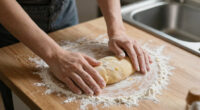
Picture this: a handful of fluffy flour, a cracked egg, and a pinch of salt coming together into a dough that’s slightly sticky but pliable. That’s your starting point.
As an affiliate, we earn on qualifying purchases.
How to Knead and Rest Your Dough for Best Results
Proper kneading is crucial because it develops the gluten network within the dough, which gives pasta its structure and chewiness. Kneading stretches and aligns gluten strands, creating an elastic matrix that traps air and moisture. This process affects the final texture—over-kneading can make the dough tough, while under-kneading results in a weak, crumbly pasta. Resting allows the gluten to relax after kneading, preventing the dough from shrinking or tearing when rolled out. It also helps hydrate the flour evenly, resulting in a more uniform, tender pasta. Skipping this step may produce pasta that is difficult to roll thin or has a chewy, uneven texture. Therefore, mastering both kneading and resting ensures your pasta will be tender yet resilient, with consistent quality.
For instance, after kneading, I wrap my dough in a damp towel and walk away for half an hour. When I come back, it’s soft, pliable, and ready to roll—no tears, no resistance.
As an affiliate, we earn on qualifying purchases.
Rolling Out Pasta by Hand — Your Step-by-Step Method
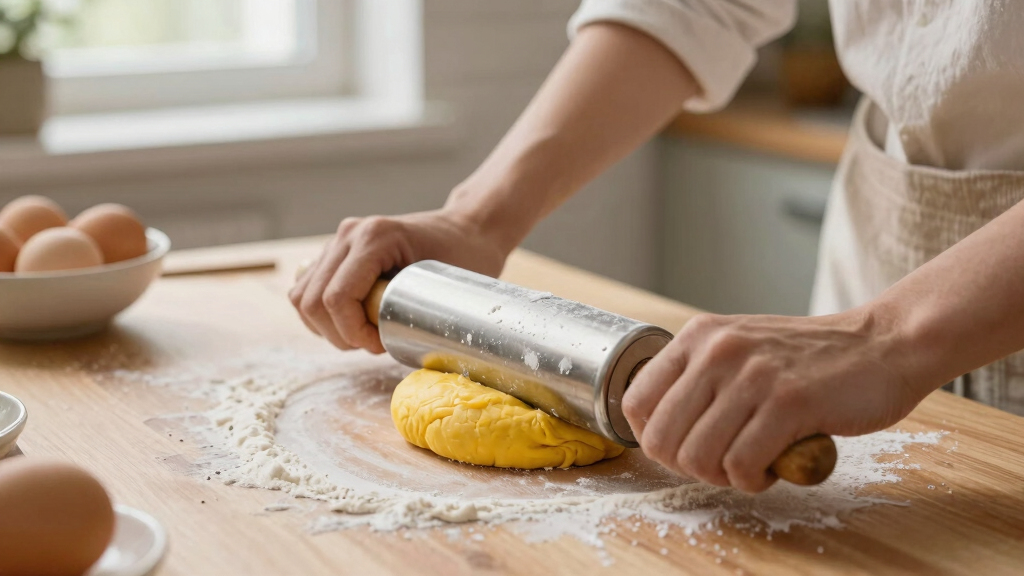
Rolling pasta by hand takes patience but delivers control. Dust your surface lightly with flour to prevent sticking. Use a rolling pin—preferably wooden—and start from the center, pressing outward. Rotate the dough 90 degrees regularly to keep it even, aiming for paper-thin sheets.
For example, I roll from the middle outward, turning the dough frequently. When I hold it up to the light, I want it nearly translucent. The key is to keep the thickness consistent, which comes with practice. Thin sheets allow the pasta to cook quickly and evenly, ensuring a tender, al dente bite without overcooking. Consistency in thickness also affects how the pasta holds sauce—uniform shapes and sizes help every piece absorb flavors evenly. Developing this skill by hand builds a tactile sense of the dough’s elasticity and prevents tearing or uneven edges, leading to more professional-looking results.
Remember: thin doesn’t mean fragile. Your goal is a sheet that’s almost see-through, yet strong enough to cut into shapes.
As an affiliate, we earn on qualifying purchases.
Cutting and Shaping Pasta Without Fancy Tools
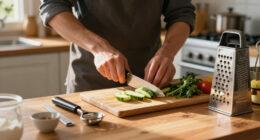
Once your dough is rolled out, shaping is straightforward. Use a sharp knife or pizza cutter for strips—fettuccine or pappardelle. Fold the sheet loosely and slice into strips of your desired width, maintaining even pressure to ensure uniform thickness. For stuffed pasta like ravioli, fold the sheet over filling, pressing out air to prevent bubbles, then cut with a knife or a simple homemade template. This method ensures the filling stays secure during cooking. No special pasta cutter needed—just your knife and a steady hand. When shaping, consistency in width and sealing is key to prevent filling from leaking and to ensure even cooking. Practicing different shaping techniques by hand also enhances your tactile sense and allows for creative variations, from delicate tortellini to rustic pappardelle. Each shape, crafted with intention, adds personality and authenticity to your homemade pasta.
Imagine making pappardelle with a simple ruler and a sharp knife. The texture, the shape, all handmade—each piece feels personal and primed for sauce.
As an affiliate, we earn on qualifying purchases.
Cooking Your Hand-Made Pasta to Perfection
Fresh pasta cooks quickly—usually 1 to 3 minutes in boiling salted water. Keep the water at a lively boil, and gently stir to prevent sticking. Test a strand after a minute; it should be al dente—tender yet with a slight bite. Because fresh pasta is delicate, overcooking can lead to a mushy texture, so attentive timing and tasting are essential. For example, I set my timer for 2 minutes, then taste a piece. If it’s just right, I drain immediately to stop cooking. Immediately tossing the pasta with warm sauce helps it absorb flavors better and prevents it from sticking together as it cools. Remember, fresh pasta continues to cook slightly even after draining due to residual heat, so it’s better to under-test than overcook. This quick cooking time is part of what makes fresh pasta so appealing—it’s a fast, satisfying process that yields a tender, flavorful result.
Fresh pasta absorbs flavors faster than dried, so toss it with your favorite sauce immediately after draining for the best taste.
Tips for Making Uniform Pasta Shapes Without Machines
Uniform pasta shapes don’t need machines—just a steady hand and some simple tools. Use a ruler for consistent width, and fold the dough evenly before slicing. For round shapes, roll the dough into a log before slicing into noodles. This technique ensures each piece cooks evenly and looks professional, even if rustic. For example, I roll out my sheet, fold it into thirds, then cut strips of a uniform width. This method creates consistent shapes that are easier to cook and serve aesthetically. Additionally, dusting lightly with flour during rolling and cutting prevents sticking, which can cause uneven shapes or tearing. Patience in shaping results in a more uniform, appealing pasta, and helps ensure each piece cooks evenly, avoiding overcooking some while others remain underdone. Developing this skill by hand allows for creative variations and a sense of craftsmanship that machine-made shapes can’t match.
Keep dusting with flour to prevent sticking, and don’t rush—precision in shape comes with patience.
Storing Your Homemade Pasta — Make It Last or Dry It Out
Fresh pasta is best cooked immediately for optimal texture and flavor. However, if needed, you can store it in the fridge for 1-2 days by laying it out in a single layer on a floured tray, lightly covered to prevent drying out. For longer storage, hang pasta strands or shapes on a drying rack for several hours until fully dry. This drying process not only preserves the pasta but also intensifies its flavor. Properly dried pasta can be stored for weeks and cooked straight from storage, offering a convenient way to have homemade pasta ready at a moment’s notice. Dried pasta’s texture is slightly different—more brittle but still flavorful—making it ideal for quick meals. The key is to ensure the pasta is completely dry before sealing it in an airtight container or bag. This method preserves your work and allows you to enjoy the satisfaction of homemade pasta days or even weeks later, with the aroma of fresh noodles still filling your kitchen.
Frequently Asked Questions
Can I make pasta without eggs?
Absolutely. Eggless pasta recipes often use water, a bit of oil, or even mashed vegetables to bind the flour. The texture may vary slightly, but it’s still delicious and manageable by hand.
What’s the best flour for homemade pasta?
’00’ flour is ideal for a silky, tender texture because of its fine grind. All-purpose flour works fine too, especially if you’re after a more rustic, hearty pasta.
How thin should I roll the pasta?
Aim for nearly translucent sheets. Thin enough to see light through, but sturdy enough to handle without tearing—usually about the thickness of a credit card.
How do I prevent the pasta from sticking?
Dust your surface and dough lightly with flour during rolling and shaping. Use plenty of salted boiling water, and stir gently during cooking.
Can I shape pasta without special tools?
Yes. A sharp knife, a ruler, and your hands are enough for most shapes. For stuffed pasta, folding and sealing with a fork or your fingers works perfectly.
Conclusion
Making pasta by hand is a skill rooted in patience and practice, but the reward is a plate of noodles brimming with flavor and character. It’s about connecting with a craft that’s been around for centuries, using nothing but your hands and simple ingredients.
Next time you crave pasta, skip the machine. Roll, shape, and savor your own creation—fresh, satisfying, and truly yours.
Halloween Picks
halloween
As an affiliate, we earn on qualifying purchases.