TL;DR

Get kitchen gear delivered free with Prime
- Fast, free delivery on millions of items
- Prime Video, Amazon Music and more included
- Member-only deals all year
Manual tools for meal prep are more affordable than electric appliances, often lasting years with proper care. They encourage mindful ingredient use and can be surprisingly versatile for small or off-grid kitchens.
Imagine chopping vegetables with a sturdy, sharpened knife that costs less than a fancy coffee. No batteries, no cords, just reliable tools that stand the test of time. If you’re looking to prep meals on a budget, manual tools aren’t just a choice—they’re a smart strategy for saving money and building skills.
In this guide, you’ll learn which manual tools pack the most punch, how recent innovations make them more effective, and how to pick the right ones for your needs. Because when it comes to off-grid or small kitchen life, simplicity and durability matter more than high-tech gadgets.
Manual tools are generally more affordable upfront, often costing less than $30 each, and can last for years with proper maintenance.
Choosing high-quality, ergonomic, and multi-purpose tools maximizes efficiency and saves space, especially useful in small or off-grid kitchens.
DIY hacks like repurposing household items can create effective manual tools, reducing expenses further.
Regular cleaning, sharpening, and correct storage extend the lifespan of your manual tools and keep your prep safe.
Prioritize safety—cut away from yourself, stabilize your workspace, and handle blades with care to prevent accidents.
How to Pick the Right Manual Tools for Your Meal Prep
Choosing manual tools isn’t about chasing the newest gadget. It’s about finding reliable, durable gear that fits your prep style and budget. Think about the tasks you do most—chopping, grating, peeling—and pick tools that excel at those. For example, a sharp chef’s knife can handle most chopping chores and costs less than $20 if you choose stainless steel.
Look for tools made from stainless steel, bamboo, or BPA-free plastics. Check reviews—long-lasting blades and non-slip handles make prep safer and easier. Remember, a well-maintained manual tool can serve you for decades, making it a wise investment. Investing in quality means fewer replacements over time, which is especially important in off-grid settings where sourcing replacements can be difficult or costly. The tradeoff often involves spending a bit more upfront, but the durability and performance pay off over years of use, reducing clutter and waste.
Here’s a quick list of must-haves for budget meal prep:
- Chef’s knife
- Cutting board
- Measuring cups and spoons
- Vegetable peeler
- Manual food chopper or grater
Products Worth Considering

Cuisinart Stand Mixer, 12 Speed, 5.5 Quart Stainless Steel Bowl, Chef’s Whisk, Mixing Paddle, Dough Hook, Splash Guard w/ Pour Spout, Ruby R

Ninja Luxe Café Mini Plus Espresso and Drip Coffee Machine with AutoFroth, Stainless Steel (ES351)

Ninja Flip Toaster Oven & Air Fryer, Large Capacity, Stainless, SP151
As an affiliate, we earn on qualifying purchases.
Recent Innovations Making Manual Tools More Effective and Affordable
Manual tools for meal prep are evolving fast, and understanding these innovations can significantly impact your efficiency and investment. Eco-friendly materials like bamboo and stainless steel not only reduce environmental impact but also tend to be more durable over time, which is crucial in off-grid settings where replacements are costly or unavailable. Multi-functional tools—such as graters with built-in containers or vegetable choppers with interchangeable blades—maximize utility while minimizing clutter, which is essential when space is limited. This means you can do more with fewer tools, saving both money and storage space, which is a critical consideration in small or off-grid kitchens.
Design improvements like ergonomic handles and non-slip bases aren’t just about comfort—they are vital safety features. Ergonomic handles reduce hand fatigue during prolonged use, which helps maintain control and precision. Non-slip bases prevent slipping during vigorous chopping or grating, reducing the risk of accidents. DIY hacks, such as repurposing household items—like using jars as manual grinders—are more than just cost-saving tricks; they foster self-sufficiency and creative problem-solving. For example, a sturdy jar can be turned into a pestle or grinder, effectively extending the life of everyday objects and reducing the need for specialized tools. These hacks often require understanding the mechanics of manual tools, which can lead to safer and more effective use, as well as a deeper appreciation for the craftsmanship involved.
By staying informed about these advancements and hacks, you can tailor your manual toolkit to be both affordable and highly effective, ensuring your meal prep routines are sustainable and adaptable to your environment.
The Top 5 Manual Tools You Need to Start Meal Prepping on a Budget
If you want to keep costs low but still get professional results, these five tools are your essentials:
- Chef’s knife: Sharp, versatile, and lasting for years—perfect for slicing and dicing. A high-quality knife reduces prep time and effort, which is especially beneficial when working manually for large batches. The investment in a good knife pays off through cleaner cuts and less fatigue, making meal prep safer and more efficient. Additionally, a well-made knife maintains its edge longer, meaning fewer sharpenings and replacements, which saves money over time.
- Cutting board: Sturdy wood or bamboo to protect your surfaces and keep your knife sharp. A good cutting board provides a stable base, reducing the risk of slips or accidents. Choosing a durable material also means it won’t warp or crack easily, which is crucial for long-term use. The right cutting surface also prevents dulling your knives prematurely, helping you maintain sharpness and safety with less frequent sharpening or replacement.
- Measuring cups and spoons: Accurate portioning saves money and food waste. Precise measurements help you stick to recipes and avoid over- or under-seasoning, which can lead to waste or unsatisfactory results. Durable, BPA-free options ensure safety and longevity. Proper measuring tools also promote consistency in your dishes, reducing trial-and-error cooking, which saves ingredients and time.
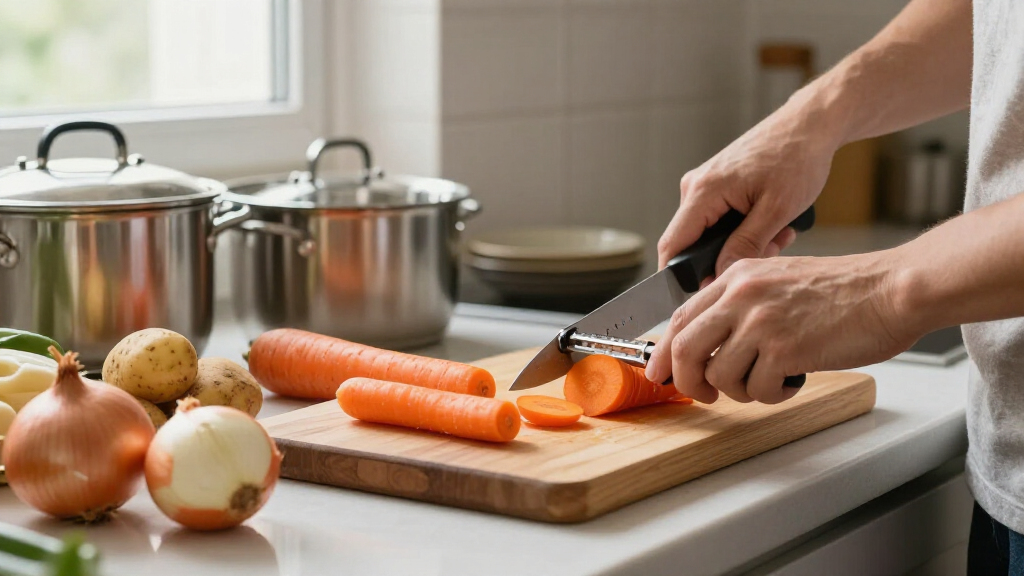
- Vegetable peeler: Fast, safe peeling—think carrots, potatoes, and zucchini. A sharp peeler reduces prep time and minimizes hand strain. Investing in a sturdy, ergonomic peeler can make a big difference, especially when peeling large quantities. Better tools also mean fewer accidental slips, which can cause injuries or damage to produce, ultimately saving you money and effort.
- Manual food chopper or grater: Speed up vegetable prep and cheese grating without electricity. These tools are essential for efficient batch cooking, allowing you to process large quantities quickly. Multi-purpose models can chop, grate, and even julienne, saving space and money. They also help achieve uniform cuts, which can improve cooking consistency and presentation, adding value to your meal prep process.
Each of these costs less than $15, and with proper care, they can serve you for years. Their durability means fewer replacements, which is especially valuable in off-grid or minimalist setups where sourcing replacement parts might be challenging or expensive. Investing in quality also minimizes frustration and maximizes the safety and efficiency of your meal prep routines.
How to Maintain Manual Tools for Long-Term Use
Proper care turns a cheap tool into a long-lasting one. Wash stainless steel blades and graters with warm, soapy water immediately after use. Dry thoroughly to prevent rust. Sharpen knives regularly—once every few months if used often—and store them safely in a knife block or sheath. Maintaining sharp blades not only prolongs the tool’s life but also ensures safer, cleaner cuts, reducing the risk of slips that can cause injury. A sharp knife requires less force, decreasing hand fatigue and accidental slips, which is especially important in small or off-grid kitchens where injuries can be more challenging to address quickly.
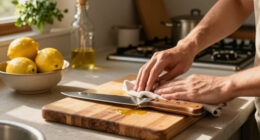
Wooden cutting boards benefit from occasional oiling with food-safe mineral oil. This prevents cracking and warping, maintaining a smooth, safe surface for food prep. Avoid dishwashers unless the manufacturer says it’s safe; high heat and moisture can damage wooden or bamboo surfaces. Regular maintenance also prevents bacterial buildup, ensuring your tools stay hygienic and safe for daily use. Well-maintained tools perform better, last longer, and contribute to a safer kitchen environment, especially when resources are limited and repairs or replacements are harder to come by.
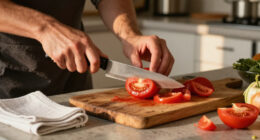
For example, a well-maintained knife remains sharp enough to slice through a tomato without crushing it—saving you time and frustration, and reducing waste from damaged produce. Regular upkeep ensures your tools stay effective and safe, which is especially critical in off-grid environments where replacements are less accessible. This proactive approach to maintenance is a small investment of time that yields significant long-term benefits for your kitchen safety and efficiency.
DIY Hacks to Create Budget-Friendly Manual Tools
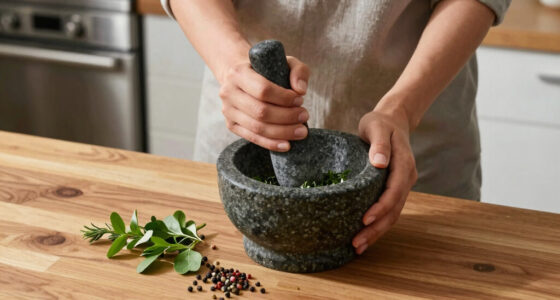
Sometimes, you can craft your own tools from household items, turning everyday objects into effective prep gear. Use a sturdy jar with a lid as a manual grinder for herbs or dried spices—just add your ingredients and twist. This hack takes advantage of existing household items, giving new life to what might otherwise be discarded. Repurposing a box grater as a multi-use prep station allows you to grate, julienne, and zest with one tool, reducing clutter and expense. Making herb scissors from old kitchen shears by attaching small loops of wire for easy snipping is another clever hack that simplifies herb preparation. These DIY solutions aren’t just cost-effective—they also foster self-reliance, allowing you to adapt and optimize your tools based on your specific needs and available resources.
These hacks often require some experimentation, but they help develop a deeper understanding of manual tools and mechanics, which can lead to safer, more effective use. For example, a sturdy jar can be used to crush garlic or grind coffee beans effectively if the lid seals tightly and the jar is durable. By customizing household items, you can create specialized tools that fit your workflow better than generic store-bought gadgets, often with better durability and safety. These approaches also encourage innovation, making your kitchen more resilient and less dependent on external supplies, especially vital in off-grid or resource-limited environments.
Safety Tips for Using Manual Tools in Small or Off-Grid Kitchens
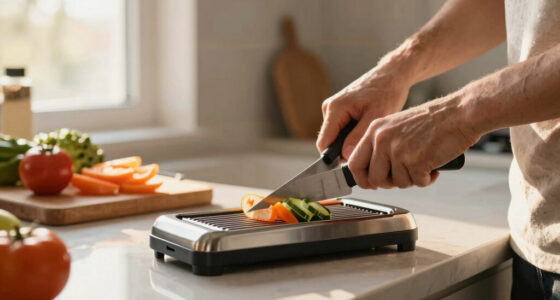
Manual tools are safe when used correctly, but safety precautions matter even more in small or off-grid kitchens where space is limited. Always cut away from your body to avoid accidental injuries. Keep blades sharp—dull blades require more force and are more likely to slip, increasing the risk of cuts. Stabilize your cutting surface by placing a damp cloth underneath or using non-slip mats, especially when working on uneven surfaces. These precautions reduce the likelihood of slips and accidents, which can be more dangerous in confined or less-equipped environments.
Wearing cut-resistant gloves can provide an extra layer of protection, particularly when handling sharp blades or graters, and is advisable for beginners or when working with large quantities. In tight spaces, organization is key—store knives in a magnetic strip or sheath, and keep other sharp tools in designated, accessible spots. Work in manageable batches to avoid overloading manual choppers, which can cause slips or uneven cuts. Remember, safety isn’t just about avoiding cuts—it’s about creating a calm, controlled environment that encourages mindful, careful work, especially in constrained spaces where injuries can be harder to address quickly. Developing good habits now ensures a safer, more efficient kitchen experience for years to come.
Frequently Asked Questions
What are the absolute must-have manual tools for a beginner on a tight budget?
A sharp chef’s knife, a sturdy cutting board, measuring cups and spoons, a vegetable peeler, and a manual food chopper or grater are essential. These cover most prep tasks and cost less than $50 combined.
Can manual tools handle large batches for meal prep?
Yes, but they take more time and effort. Investing in multi-purpose tools—like a large vegetable chopper—can speed things up. For huge batches, consider combining manual prep with a few affordable electric tools if your budget allows.
How do I know if manual tools are safe and durable enough for daily use?
Look for high-quality stainless steel blades, ergonomic handles, and BPA-free plastics. Read reviews and check for safety certifications. Regular maintenance and proper storage also keep tools safe and functional over years.
Are DIY hacks really effective or just a cheap fix?
DIY hacks can be surprisingly effective if you choose sturdy household items like jars or repurposed graters. They allow you to build your toolkit without extra costs and often work just as well for small-scale prep.
How should I clean and store manual tools to maximize their lifespan?
Wash tools with warm, soapy water immediately after use. Dry thoroughly, especially metal parts. Store knives in a sheath or magnetic strip, and keep other tools in a dry, organized space to prevent rust and damage.
Conclusion
Opting for manual tools isn’t just a cost-saving move—it’s a way to build skills, reduce clutter, and enjoy a more mindful, off-grid lifestyle. When you focus on durability and versatility, those simple tools become your reliable kitchen companions for years to come.
Imagine slicing, dicing, and grating with tools that feel like an extension of your hand—no batteries needed, just pure, dependable craftsmanship. Your budget and your kitchen will thank you for it.