TL;DR

Get kitchen gear delivered free — and shop member deals
- Fast, free delivery on millions of items
- Access to Prime Big Deal Days deals on October 6–7
- Prime Video, Amazon Music and more included
Effective emergency meal planning focuses on stocking water, choosing long-lasting, easy-to-prepare foods, and adjusting for outage length. Prioritizing safety and simplicity keeps you fed and healthy during disruptions.
When the lights go out unexpectedly—whether from a storm, power grid failure, or other disruption—your first concern should be water. Without it, survival becomes a challenge fast. But beyond water, you need a plan for nourishing everyone with foods that stay safe, require minimal prep, and don’t rely on electricity.
This guide walks you through real-world strategies to keep your household fed, healthy, and calm during outages. From stocking the right foods to managing sanitation, you’ll learn how to build a practical, flexible emergency meal plan that works no matter how long the blackout lasts.
Store at least one gallon of water per person per day for three days, and extend if possible.
Prioritize shelf-stable, familiar foods that require minimal prep and no refrigeration.
Keep refrigerator and freezer doors closed; monitor temperatures with thermometers.
Use outdoor or manual cooking methods—never indoors with fuel-burning appliances.
Plan for all household members, including pets and those with special diets, and rotate supplies regularly.
Emergency Meal Planning for Outages
Water first. Safety always. Simplicity wins. Build a layered plan with familiar, shelf-stable foods that keeps everyone nourished when refrigeration, running water, and electric cooking disappear.
Calculate the reserve before choosing the menu.
Stored water supports drinking, medication, basic hygiene, and food preparation. Add more for pets, infants, illness, hot weather, strenuous activity, and dried foods.
A household-of-four baseline
Use this simple formula, then expand toward a one- or two-week reserve when storage and budget permit.
Store safely
Use clean, food-grade containers in a cool place; label and rotate the supply regularly.
Treat carefully
Keep a manual treatment method and follow public-health guidance for questionable water.
Know the limit
Boiling can kill many microbes, but it does not make chemically contaminated water safe.
Match the meal strategy to the outage clock.
A layered plan prevents waste and reduces guesswork. Keep appliance doors closed, use safe perishables first, then move decisively to low-prep pantry meals.
Protect the cold
Eat normally. Keep refrigerator and freezer doors shut. Check appliance thermometers instead of opening doors.
Use safe perishables
Prioritize milk, leftovers, cut produce, and other fast-spoiling foods only while temperatures remain safe.
Shift to the pantry
Choose ready-to-eat meals needing little water, fuel, refrigeration, or cleanup.
Conserve fuel
Use balanced staples, smaller containers, and short cooking methods. Protect food and water intake.
| Item or condition | Useful window | Recommended action | Decision |
|---|---|---|---|
| Unopened refrigerator | About 4 hours | Keep closed and verify with a thermometer | ✓ Monitor |
| Full, unopened freezer | About 48 hours | Group frozen foods together to retain cold | ✓ Preserve |
| Half-full freezer | About 24 hours | Move food closer together; add ice if available | ~ Act early |
| Perishables above 40°F / 4°C | More than about 2 hours | Discard meat, seafood, eggs, dairy, and leftovers | ✗ Discard |
| Food with uncertain history | Unknown | Never taste, smell, or inspect it as a safety test | ✗ Discard |
Stock foods that work without the grid.
Favor familiar, nutrient-dense foods your household already eats. Smaller packages reduce unsafe leftovers, while a mix of ready-to-eat and quick-cook items preserves flexibility.
Strength and recovery
Choose ready-to-eat sources with long shelf lives and broad meal compatibility.
BEANS · TUNA · CHICKEN · NUT BUTTER · LENTILSCarbs with low prep
Prioritize foods that can be eaten cold or softened with minimal water and fuel.
TORTILLAS · CRACKERS · CEREAL · RICE POUCHESFruit and vegetables
Add color, fiber, vitamins, and familiar flavors without depending on refrigeration.
FRUIT CUPS · CORN · PEACHES · DRIED FRUITDense, lasting fuel
Compact sources add calories and satisfaction when meals must stay simple.
NUTS · SEEDS · SEED BUTTERS · SNACK MIXHydration support
Store water first, then appropriate beverages and rehydration products for household needs.
WATER · SHELF-STABLE MILK · ORAL REHYDRATIONComfort and routine
Familiar snacks, tea, coffee, and culturally appropriate foods can reduce stress.
OATMEAL · COCOA · TEA · FAVORITE SNACKSThe complete-meal formula
Combine four roles, then add adequate fluids. Example: tuna + crackers + fruit cup + nuts.
Use less fuel—and keep combustion outside.
Select foods with short heating times. Use fuel-burning equipment outdoors, away from windows, doors, structures, and vents. Carbon monoxide can accumulate without warning.
Outdoor heat options
The no-power kitchen kit
Plan for the real household—not an average one.
Inventory medical diets, allergies, feeding needs, medication routines, mobility constraints, cultural preferences, and pet supplies before an outage exposes the gaps.
Medical diets
Store suitable foods, medication water, clear instructions, and dependable low-prep options.
Infants and children
Keep age-appropriate food, ready-to-feed formula where suitable, and familiar comfort items.
Allergies and access
Separate allergens, label substitutes, and choose packaging everyone can safely open.
Animals
Include food, water, bowls, medication, treats, and a practical serving plan.
Store it like you use it
Keep supplies cool, dry, pest-proof, visible, and easy to reach. Inspect cans and discard anything swollen, leaking, rusted, or badly damaged.
Make readiness routine
Water First: How to Stock and Use It During an Outage
Water is the foundation of any emergency plan. Store at least one gallon per person per day. For a family of four, that means 28 gallons for three days—more if you can. Include extra for pets, medication, and hot weather.
Keep water in clean, food-grade containers, and rotate supplies every six months. During a power outage, use your stored water first. If supplies run low, treat water from streams or rain with purification tablets or boiling, but never rely on untreated sources for drinking.
Imagine a summer storm knocking out power for a week. Your stored water keeps everyone hydrated and prevents the health issues that come with dehydration and poor sanitation.
emergency water storage containers
As an affiliate, we earn on qualifying purchases.
As an affiliate, we earn on qualifying purchases.
Plan for Different Outage Lengths — From Hours to Weeks
Knowing how long your outage might last helps shape your food strategy. Start by keeping refrigerator and freezer doors closed to preserve cold. Use perishables first—think fresh milk or leftover dinner—within the first 4-6 hours.
After that, shift to shelf-stable foods that need no refrigeration or minimal water, like canned beans, dried grains, and pouch meats. For long-term outages, ration cooking fuel and focus on nutritionally complete staples that keep well—like rice, lentils, and canned vegetables.
Picture a scenario: a winter storm traps you inside for a week. Your layered plan ensures you have enough safe food without overstocking or waste.
long shelf life emergency food supplies
As an affiliate, we earn on qualifying purchases.
As an affiliate, we earn on qualifying purchases.
Food Safety During Power Outages: Avoid the Big Mistakes
Food safety is your main concern—perishable foods spoil quickly above 40°F. Keep refrigerator and freezer doors closed. A refrigerator stays cold about four hours, while a full freezer can hold for 48 hours if unopened.
Use a thermometer to monitor temperatures. When in doubt, discard questionable foods—smelling or appearance alone won’t tell you if it’s safe. When in doubt, throw it out.
If you have dry ice, use it carefully—gloves are a must, and ventilate your space. Never store dry ice in an airtight container. This prevents dangerous buildup of CO2 and preserves your frozen stash.
manual camping stove for emergency
As an affiliate, we earn on qualifying purchases.
As an affiliate, we earn on qualifying purchases.
Choosing Foods That Keep You Fed Without Power
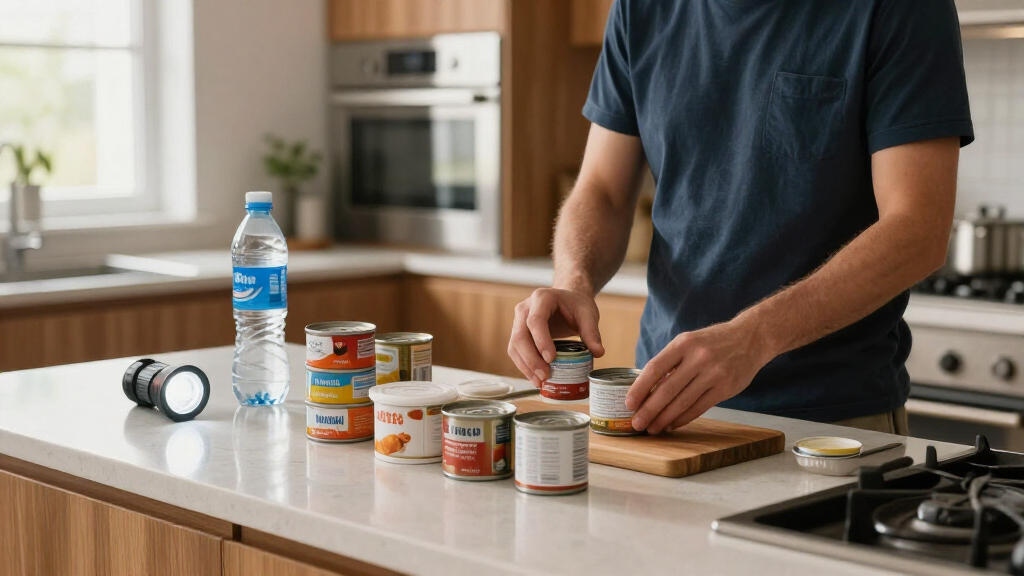
The best emergency foods are familiar, nutrient-dense, and require no electricity. Think canned tuna, beans, dried fruits, nuts, and shelf-stable milk. These foods are reliable, easy to prepare, and store well for years.
But why do these foods matter? Because they provide the essential nutrients your body needs to sustain energy, repair tissue, and maintain immune function during stressful situations. They also tend to have long shelf lives, making them practical for storage without frequent rotation. However, consider tradeoffs: canned foods can be heavy and may require extra effort to prepare, while dried goods need proper sealing to prevent spoilage. Balancing convenience, nutrition, and storage space is key to creating an effective emergency pantry.
Choosing the right foods involves understanding their implications: canned foods are durable but heavy, making them less ideal for portable kits. Dried foods are lightweight but require proper sealing to prevent spoilage. The tradeoff is between convenience and portability—consider your household’s specific needs and storage capacity when planning your stockpile.
For example, a couple of cans of chicken, some rice pouches, and dried fruit make a complete meal—just add water and heat if you have a stove. Keep smaller containers to avoid waste if leftovers can’t be refrigerated.
Imagine opening a stash of canned peaches and tuna during a week-long outage. They’re comforting, filling, and simple to prepare on a manual stove or even a campfire.
portable water purifier for outages
As an affiliate, we earn on qualifying purchases.
As an affiliate, we earn on qualifying purchases.
Build Meals That Keep Your Energy Up and Morale High
Emergency meals should deliver a balanced mix: carbs for energy, protein for strength, healthy fats, and some fruit or veggies. These help you feel better and stay active during tough times.
Think: canned beans with instant rice, tuna with crackers and canned corn, or lentil soup with shelf-stable bread. Comfort foods—like a warm bowl of oatmeal or a familiar snack—can also boost morale when stress runs high.
For example, a simple plate of peanut butter on tortillas with dried fruit can be both satisfying and easy to stash in your kit.
How to Keep Cooking Simple and Safe Without Electricity
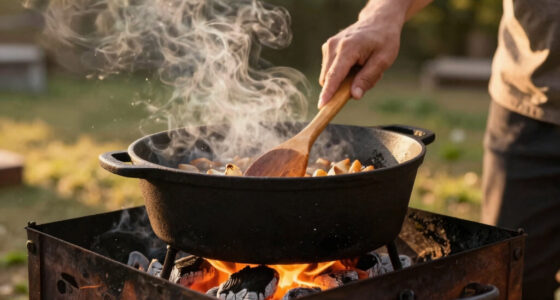
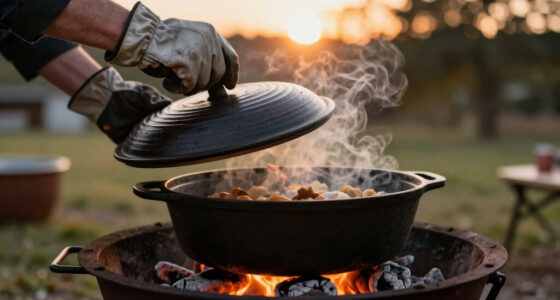
During an outage, long boiling times are impractical. Use manual or outdoor cooking methods—like a camp stove, charcoal grill, or fire pit—away from structures and vents. Never use indoor appliances that produce carbon monoxide indoors.
Prepare a kit with a manual can opener, matches, and durable utensils. Keep fuel sources in well-ventilated, safe containers. A small, portable stove can heat canned foods or boil water in emergencies.
Picture a family cooking a hot meal over a camp stove during a winter blackout. It keeps everyone warm and fed without risking CO poisoning.
Catering to Everyone: Special Diets, Kids, and Pets
Your plan must include foods for all household members—medical needs, allergies, infants, and pets. Store prescription and allergy-friendly foods, and keep instructions handy.
For infants, stock ready-to-feed formula or sterilized water and powdered formula. Pets need their own supplies—canned food, treats, and water bowls.
Imagine a household with a diabetic family member. Stocking low-sugar, high-protein foods ensures they stay safe and steady, even during a prolonged outage.
Storing and Rotating Your Emergency Food Supplies
Keep supplies in a cool, dry, pest-proof space, and mark expiration dates. Use a first-in, first-out system—consume older items first and replace them with fresh stock.
Regularly inspect cans for leaks or rust. Discard any swollen, leaking, or damaged containers. Rotate your stock into regular meals to test practicality and reduce waste.
Picture a pantry with labeled cans and dried goods, refreshed every six months—ready to go when needed.
Sanitation and Hygiene When Water Runs Out
A power outage can disrupt clean water, increasing the risk of illness. Keep hand sanitizer, moist towelettes, and soap on hand. Use bottled or treated water for hygiene and dishwashing if advised.
If authorities issue a boil-water advisory, follow their instructions—boil water for one minute or use bottled water for drinking, cooking, and brushing teeth.
Imagine washing dishes with minimal water—using a small basin and soap—while maintaining good hygiene during a prolonged outage.
Create a Portable Food Kit for Quick Evacuations
Your household needs a grab-and-go kit with lightweight, high-energy foods, water, medications, and essential supplies. Focus on compact, non-perishable items like energy bars, dried fruit, small cans, and bottled water.
Limit weight so everyone can carry their share. Include a manual can opener, basic utensils, and important medical info.
Think of a family grabbing their kit during a wildfire evacuation—quick, easy, and comprehensive enough to sustain them until help arrives.
Frequently Asked Questions
How much emergency food should I store?
Start with enough for three days for everyone in your household. If space and budget allow, aim for a one- to two-week supply. Build gradually and rotate regularly to keep it fresh and practical.
How long can I keep food safe without power?
Unopened refrigerators stay cold about four hours, while full freezers can hold for 48 hours if unopened. Use thermometers to track temperatures and discard any food above 40°F for more than two hours.
What’s the best way to cook during an outage?
Use outdoor or portable devices like a camping stove or charcoal grill—away from structures and vents. Never use indoor appliances that produce carbon monoxide indoors. Always operate fuels safely and in well-ventilated areas.
Can I refreeze thawed food?
Foods with ice crystals or below 40°F can typically be refrozen, but quality may decline. If food has been above safe temperatures for too long, discard it to avoid health risks.
How do I handle special diets during an outage?
Stock medically appropriate foods, clearly labeled, and keep detailed dietary instructions. For infants, keep ready-to-feed formula. For pets, supply their specific foods and water. Prepare backup plans for medical needs.
Conclusion
Power outages test your household’s resilience—your best defense is a practical, well-thought-out meal plan. Focus on water, simple foods, and safe cooking methods. When disaster strikes, a calm, prepared kitchen keeps everyone fed and safe.
Remember, a little planning today prevents chaos tomorrow. Keep your supplies accessible, your routines flexible, and your mindset ready. That’s what turns a blackout into just another day off the grid.
Fall Picks
fall essentials
As an affiliate, we earn on qualifying purchases.