
TL;DR
Open a free Amazon Business account
Business pricing, bulk buying and tax-exempt orders.
Create a free accountAs an affiliate, we earn on qualifying purchases.
Different mortar and pestle materials impact grinding ability, maintenance, and flavor retention. Knowing their strengths helps you pick the best tool for your kitchen tasks, from spices to herbs.
Heavier stones like granite excel at grinding tough ingredients with less effort.
Marble looks elegant but can absorb flavors, making it better for softer uses.
Non-porous materials such as ceramic and stainless steel are easier to clean and flavor-neutral.
Wood and bamboo offer rustic charm but are less durable and more porous, suited for gentle tasks.
Modern innovations include eco-friendly and hybrid materials, but weigh durability against sustainability.
What makes granite the best for heavy-duty grinding
Granite is the heavyweight champion among mortar and pestle materials. Its rough, grainy surface and immense weight give it incredible grinding power. When you crush hard spices like cinnamon or tough seeds like coriander, granite’s abrasiveness helps break them down quickly, with less effort on your part.
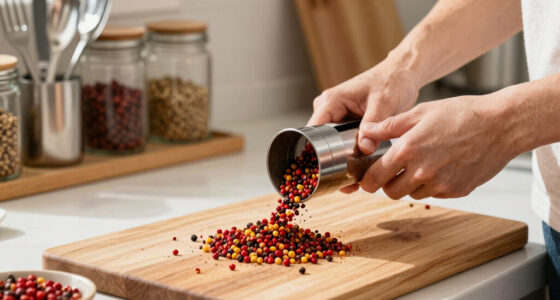
Picture yourself pounding a tablespoon of whole peppercorns. The granite’s density and texture turn them into powder in seconds, giving you a fine, consistent grind. Plus, granite is non-porous enough to resist absorbing flavors, making it a versatile workhorse for your kitchen.
However, granite can be heavy—sometimes over 10 pounds for a large mortar—and its rough surface can wear down softer pestles or scratch delicate surfaces. Still, many cooks swear by its durability and grinding efficiency for years of daily use.
Tradeoffs of granite include the weight, which can be cumbersome, and its rough texture that may be too aggressive for delicate ingredients or softer tools. Its durability and efficiency often outweigh these minor inconveniences, especially for frequent heavy-duty grinding tasks.
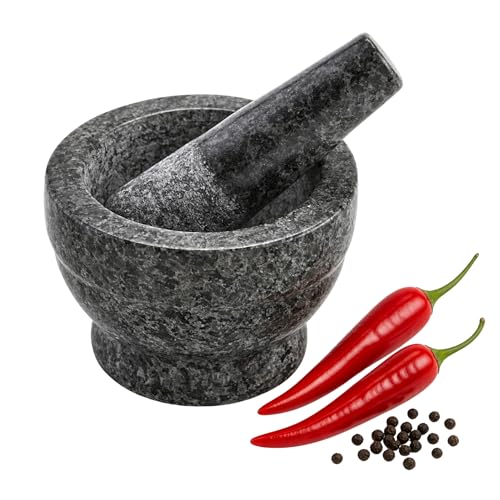
IMUSA USA Small Polished Mortar and Pestle, 3.75”, Granite
- Compact Size: 3.75-inch diameter for small kitchens
- Durable Granite Construction: Long-lasting and reliable for kitchen use
- Rough Interior Surface: Effective grinding and flavor release
As an affiliate, we earn on qualifying purchases.
As an affiliate, we earn on qualifying purchases.
Marble: Elegant, smooth, but watch out for flavor transfer
Marble mortar and pestles are the jewelry of the kitchen: beautiful, smooth, and cool to the touch. They’re perfect for gently grinding softer ingredients like garlic, herbs, or making pastes. The polished surface helps prevent ingredients from sticking, reducing effort and mess.
But marble isn’t just beauty—it’s porous enough to absorb oils and flavors over time. Imagine using your marble mortar for garlic one day, then grinding your dried herbs the next. A faint hint of garlic might linger, subtly flavoring your next batch.
This flavor transfer can be a double-edged sword: it can add a layer of complexity to your cooking if intentional, but it can also lead to unwanted cross-flavors if not managed carefully. Proper cleaning and dedicated use for specific ingredients can mitigate this issue.
Cleaning is easy—just a quick rinse and scrub—but avoid soaking marble for long, or it might develop cracks or stains. For soft ingredients, marble offers a refined experience, but it’s less suitable for grinding tough spices or seeds.
Understanding the implications of flavor transfer is crucial: if you want a pure, neutral tool, marble might not be the best choice. However, if you enjoy layered flavors and don’t mind dedicated use, marble adds a touch of elegance to your culinary routine.

Sagler Mortar and Pestle Set – Small Grinding Bowl Container for Guacamole, Spices, Salsa, Pesto, Herbs – Best Mortar and Pestle Spice and Pills Crusher Set, Holds Up to 2.5oz – 3.75×2’’, Marble Gray
- Compact Size: 3.75×2 inches, holds 2.5oz
- Durable Material: Made of solid marble stone
- Enhanced Grinding: Unpolished, rough interior for better grind
As an affiliate, we earn on qualifying purchases.
As an affiliate, we earn on qualifying purchases.
Ceramic: Non-porous and gentle, perfect for powders and delicate herbs
Ceramic mortar and pestles are the quiet, tidy options. Their non-porous surface means no flavors or odors get trapped, making them ideal for grinding powders, dried spices, or delicate herbs without cross-contamination.
Imagine grinding a pinch of cinnamon or a few medicinal powders. Ceramic’s gentle texture doesn’t crush ingredients as aggressively as stone, so it’s best for softer, finer tasks.
However, ceramics are more fragile than stone or metal. They can chip or crack if dropped or subjected to heavy pounding, which can compromise their integrity and safety. Regular inspection and gentle handling extend their lifespan.
Cleaning is simple—just wash with warm water and dry thoroughly. For powders and delicate herbs, ceramic offers a clean, precise, and quiet option that minimizes flavor transfer and damage to soft ingredients.
Choosing ceramic means accepting its fragility for the benefit of a non-porous, easy-to-clean surface. It’s ideal for those who prioritize purity of flavor and delicate handling, but not for heavy-duty use.

United Scientific™ Ceramic Mortar and Pestle Set – 70mL Capacity, 2.75" Diameter Pill Crusher – Deep Form Grinding Bowl with Pour Spout, Unglazed Pill Grinder Surface for Kitchen or Lab Use
- Deep Design with Pour Spout: Minimizes spills and improves grinding
- Heat-Resistant and Autoclavable: Withstands temperatures up to 1050°C
- Unglazed Interior Surface: Ensures effective grinding and crushing
As an affiliate, we earn on qualifying purchases.
As an affiliate, we earn on qualifying purchases.
Wood and bamboo: Light, traditional, but less durable
Wood and bamboo mortar and pestles bring a rustic charm to your kitchen. They’re lightweight and gentle, perfect for softer herbs or for serving as a decorative piece. Think of crushing fresh basil or mint leaves for a salad garnish.
However, wood and bamboo are porous materials that can absorb moisture, oils, and flavors. Over time, they may develop stains or retain odors—so dedicated use is best. They’re less durable against heavy pounding and can splinter or crack if misused.
Cleaning involves a simple wipe or gentle scrub, but avoid soaking. Their aesthetic appeal and gentle nature make them ideal for light tasks or presentation, but they lack the robustness needed for hard spices or frequent grinding. The porous surface means flavors can linger, which is advantageous for some uses but problematic if cross-contamination is a concern.
In addition, because of their porosity, wooden and bamboo mortars may harbor bacteria if not cleaned thoroughly, making them less suitable for frequent use with raw or potent ingredients. They excel in decorative or light culinary roles, but for serious grinding, their softer nature can be a disadvantage, leading to quicker wear and potential contamination issues.

Tera 18/8 Stainless Steel Mortar and Pestle with Brush,Pill Crusher,Spice Grinder,Herb Bowl,Pesto Powder
- Material: Food-grade 18/8 stainless steel
- Rustproof & Corrosion-Resistant: Resistant to rust and acidic foods
- Compact Size: 250ml capacity, palm-sized
As an affiliate, we earn on qualifying purchases.
As an affiliate, we earn on qualifying purchases.
Metal (stainless steel): Durable, easy to clean, but not for everything
Stainless steel mortar and pestles are the workhorses of commercial kitchens. They’re tough, non-porous, and resistant to staining or reacting with acids. If you’re grinding hard ingredients like nuts or seeds, steel can handle it—plus, it’s super easy to clean with just water and soap.
That said, steel can be noisy when pounding and might not be ideal for delicate herbs or powders, as it doesn’t offer the same grinding finesse as stone. Its smooth surface can sometimes cause softer ingredients to slip, requiring more force or technique.
Additionally, some cooks worry about potential reactions with acidic ingredients, but stainless steel is generally considered safe and inert. It’s especially good for cleaning and sanitation, making it a practical choice for busy kitchens that prioritize hygiene and durability.
While stainless steel is highly durable and easy to maintain, it can be less effective for grinding very fine powders or delicate herbs because of its smooth surface and hardness. The lack of texture might require more effort to achieve the same fineness compared to stone or ceramic. Its modern look and robustness make it a practical choice for heavy-duty tasks, but for culinary finesse, other materials may be preferable.
Latest trends: Eco-friendly and hybrid materials
Eco-conscious choices are shaping the market. Bamboo, recycled plastics, and biodegradable composites are making their way into mortar and pestle designs. They’re lightweight, affordable, and reduce environmental impact—great for casual or off-grid kitchens.
Hybrid designs combine materials—like a granite bowl with a wooden pestle—offering the best of both worlds: durability and aesthetic appeal. Some brands are adding antimicrobial coatings to improve hygiene, especially in busy kitchens.
While innovative, these options often trade off some durability or grinding power. For example, plastic composites may wear faster or chip under heavy use, and some hybrid materials might not withstand prolonged exposure to moisture or acids. It’s essential to weigh these factors against your specific needs and usage frequency.
Nonetheless, they represent exciting possibilities for sustainable and functional kitchen tools, especially if you prioritize eco-friendliness and innovative design.
How to choose the right mortar and pestle for your kitchen
- Think about what you grind most: Tough spices or soft herbs?
- Consider how often you’ll use it—daily or occasional?
- Match the material to your cleaning routines and storage space.
- Balance aesthetic preferences with durability needs.
- Factor in weight—lighter tools are easier to handle but may need replacing sooner.
For example, if you often crush cumin seeds, a granite mortar will serve you well. If you make powders or medicinal pastes, ceramic might be a better fit.
Choosing the right tool involves understanding your priorities: power, ease, or appearance. Recognize that heavier, more durable materials like granite or steel require more effort to handle but often last longer and perform better for tough ingredients. Conversely, lighter materials like ceramic or wood are easier to maneuver but may wear out faster or need special care. Weighing these tradeoffs ensures you select a mortar and pestle that aligns with your cooking style and maintenance preferences.
Frequently Asked Questions
Which material is best for grinding spices?
Granite is the top choice because of its weight and rough texture, which break down tough spices quickly and efficiently.Are marble mortars good for culinary use?
Yes, especially for softer ingredients, but be aware marble can absorb flavors and odors over time, so dedicate it to specific tasks.How do I clean my mortar and pestle?
Use warm water and a brush; avoid soap on porous stones like marble or ceramic. Dry thoroughly to prevent cracks or mold.Can I use my mortar and pestle for both cooking and medicine?
Yes, but it’s best to keep separate tools for culinary and medicinal grinding to prevent cross-contamination.Are metal or plastic mortars safe?
Stainless steel is safe and durable, but avoid harsh acids. Plastic is lightweight but can degrade or harbor bacteria if not cleaned properly.Conclusion
Choosing the right mortar and pestle means understanding what you grind most and how you want to maintain it. Don’t just go for looks—think about your daily needs. A well-chosen tool will serve your kitchen for years, turning simple ingredients into culinary magic.Flea & tick season Picks
flea and tick prevention
As an affiliate, we earn on qualifying purchases.