
TL;DR

Get kitchen gear delivered free — and shop member deals
- Fast, free delivery on millions of items
- Access to Prime Big Deal Days deals on October 6–7
- Prime Video, Amazon Music and more included
Hand juicing citrus can be quick and effective when you choose ripe fruit, warm it slightly, and use the right technique. A few simple steps help you maximize juice and minimize mess, all without electric tools.
Juicing citrus by hand sounds simple, but many people miss out on the most juice with basic methods. The secret lies in technique and preparation, which can turn a messy task into a quick, satisfying routine. Whether you’re making fresh lemonade or adding zest to a dish, knowing how to do it right saves time and preserves the fruit’s flavor.
In this guide, you’ll discover practical tips to extract the most juice with minimal effort, using tools you already have or can easily find. No fancy gadgets—just your hands, a few simple steps, and a touch of skill. Let’s get started with the essentials of choosing, preparing, and juicing citrus efficiently.
Choose ripe, heavy citrus for maximum juice right from the start.
Loosen the fruit with rolling and warming to boost yield by 10-20%.
Use a twisting, consistent pressure technique for efficient extraction.
Invest in a manual reamer or squeezer to save effort and increase juice output.
Clean tools immediately to keep them in top shape and avoid sticky residues.
Pick the Ripeest, Juiciest Citrus Every Time
The first step is selecting fruit that’s ripe, firm, and heavy for its size. Ripe citrus is bursting with juice and easy to squeeze. For example, a ripe orange feels heavy in your hand, with a bright color and smooth skin. Avoid fruits that are soft or wrinkled—these lose juice and flavor.
Picking the right fruit makes a 20-30% difference in yield. When shopping, give the fruit a gentle squeeze; it should feel firm but yield slightly under pressure. Also, smell the blossom end—fresh citrus has a sweet, citrusy aroma that hints at juiciness.
Choosing ripe fruit isn’t just about maximizing immediate juice; it impacts the overall flavor and nutritional content. Overripe citrus can be overly soft and may have begun fermenting, resulting in a less fresh taste and lower vitamin levels. Conversely, underripe fruits may be harder and less juicy, requiring more effort and possibly yielding less juice. Striking the right balance ensures you get the best flavor, maximum nutrients, and ease of extraction, making your effort more rewarding.
As an affiliate, we earn on qualifying purchases.
Prep Citrus Like a Pro: Loosen the Juice in Seconds
Before squeezing, prepare the fruit to release more juice. Roll it firmly on a hard surface, like a countertop or cutting board, pressing down with your palm. This breaks down internal membranes and sacs, making juice flow easier.
For instance, rolling a lemon for 10-15 seconds can increase juice yield by 10-15%. Slightly warming the fruit—microwaving for 10-15 seconds—also helps loosen membranes, especially in winter when citrus tends to be firmer.
Cut the fruit crosswise in half with a sharp knife. For the best results, cut just enough to expose all the juice sacs without crushing the fruit. The goal: expose maximum surface area with minimal effort.
Loosening the fruit’s internal structure is crucial because it reduces the resistance during squeezing, allowing more juice to escape with less effort. This step is especially important when working with less ripe or firmer fruit, which can be more difficult to extract from. The tradeoff is that over-warming or over-rolling can slightly degrade delicate flavors or cause some loss of volatile aromatic compounds, but the increase in yield usually outweighs this minor downside, especially for everyday use.
As an affiliate, we earn on qualifying purchases.
Master the Hand Juicing Technique in 3 Simple Steps
To juice effectively by hand, follow these steps:
- Hold the halved citrus firmly over a bowl or jar.
- Apply consistent pressure while twisting your wrist and squeezing the fruit around the edges.
- Rotate the fruit slightly after each squeeze to access different sections.
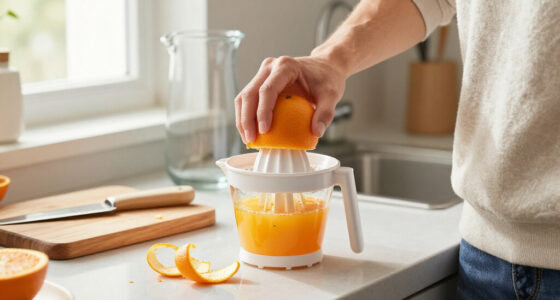
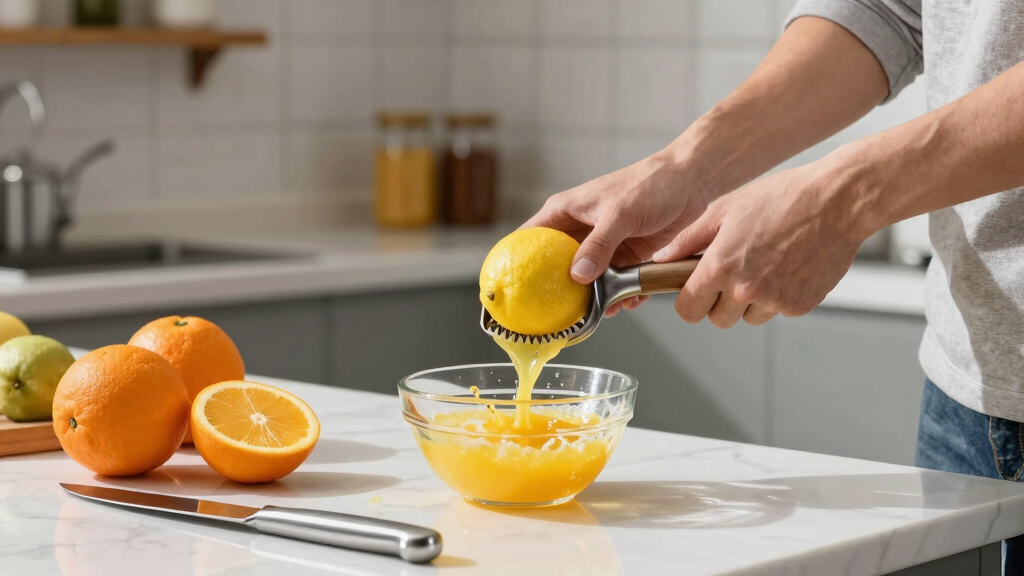
For lemons and limes, using a handheld citrus reamer or a manual squeezer can cut effort by half. Imagine squeezing a lime for your margarita—twisting, rotating, and pressing down until no more juice drips out.
Repeat these steps for each half. The key is steady pressure and a twisting motion, which extracts more juice than just squeezing straight down. This method ensures you’re not just forcing the juice out but actively encouraging the internal membranes to release their liquid, which is essential for maximizing yield. The tradeoff is that this technique may require some practice to develop a consistent rhythm, but once mastered, it becomes a reliable, repeatable process that significantly improves efficiency.
As an affiliate, we earn on qualifying purchases.
Tools That Turn Hand Juicing Into a Breeze
While your hands are enough, a few tools can boost efficiency. The best options include:
- Manual Citrus Reamers: Handheld, with a ridged conical shape, they help twist out every drop.
- Citrus Squeezers: Like a handheld clamp, they apply even pressure without tiring your hand.
- Fine Mesh Strainers: For catching seeds and pulp, giving you smooth juice.
Using these tools effectively can reduce effort and improve juice extraction. For example, a manual reamer works by concentrating force on the juice sacs, breaking them open more thoroughly than squeezing alone. This means more juice per fruit, especially with larger citrus like grapefruits or pomelos. The tradeoff is that some tools may require a slight learning curve or additional cleaning, but the efficiency gains generally outweigh these minor inconveniences. Choosing ergonomic, easy-to-clean tools ensures consistent results and less fatigue during extended juicing sessions.
As an affiliate, we earn on qualifying purchases.
Get the Most Juice: Tricks to Maximize Every Drop
Maximizing juice isn’t just about technique; it’s about smart habits. For example:
- Warm the fruit: Slight warming softens membranes, boosting yield by up to 20%. This is especially useful in colder months or with less ripe fruit, where membranes tend to be tougher. The tradeoff is a slight risk of diminishing the fruit’s fresh aroma if overheated, so warming gently is best.
- Use a twisting motion: Twisting and rotating the fruit during squeezing helps break internal membranes more effectively than straightforward pressing, leading to higher yields.
- Press multiple times: Re-press each half after the initial squeeze to extract residual juice—this can add an extra 5-10% to your total yield, especially with larger fruits.
- Cut carefully: Avoid crushing the fruit, which traps juice inside and makes extraction more difficult. Precise, gentle cuts preserve the structure, facilitating better juice flow.
Imagine squeezing a grapefruit for your morning juice. By warming it and twisting thoroughly, you can get nearly a full 1/3 cup from a single fruit—more than just a quick press would yield. These habits, combined, significantly impact your efficiency and the quality of the juice, making every squeeze more productive without adding effort.
Clean and Care for Your Juicing Tools Like a Pro
After all that work, clean tools right away. Warm water and soap typically do the trick. For stubborn residues, soak in vinegar or baking soda solution for a few minutes before scrubbing.
This prevents sticky pulp from drying and keeps your tools in top shape. For example, a citrus reamer quickly accumulates pulp and oils, which can harden if left uncleaned. Regular cleaning extends its lifespan and keeps your juice tasting fresh.
Most manual tools are dishwasher safe, but check before washing. A quick rinse and scrub with a brush is often enough.
Proper cleaning isn’t just about hygiene; it maintains the integrity of the tools, preventing build-up that can diminish performance over time. Neglecting this can lead to reduced efficiency, as residues can clog or damage the tool’s surface, making juice extraction harder and less effective. Investing a few minutes in cleaning preserves your tools’ effectiveness, ensuring consistent, high-quality results every time.
Frequently Asked Questions
How do I juice citrus without making a mess?
Use a handheld citrus reamer over a bowl or plate to contain juice and pulp. This way, you keep your workspace cleaner and catch every drop.What’s the best way to get more juice out of each fruit?
Warm the fruit slightly, roll it before cutting, and use a good manual reamer or twisting technique. These steps help break membranes and maximize yield.Are manual tools better than just squeezing with your hand?
Tools like manual reamers and squeezers apply even pressure, making it easier to extract more juice with less effort, especially from larger fruits.Can I strain out seeds and pulp after juicing?
Yes, pouring the juice through a fine mesh sieve removes seeds and pulp, giving you smooth, seed-free juice.Is hand juicing healthier than using an electric juicer?
Hand juicing preserves more nutrients since it doesn’t involve heat or preservatives. It also offers better control and is more eco-friendly for off-grid living.Conclusion
Juicing citrus by hand is a skill worth mastering. It’s about preparation, technique, and a little patience. With these tips, you’ll extract more juice with less fuss—making every squeeze count.
Next time you reach for a lemon or orange, remember: a few simple tricks turn a messy task into a quick, satisfying routine. Your fresh-squeezed juice awaits—no gadgets required.
Halloween Picks
halloween
As an affiliate, we earn on qualifying purchases.