
TL;DR
Get ready for Prime Big Deal Days — try Prime free
Exclusive member deals on October 6–7, plus fast free delivery. Cancel anytime.
Start your free trialAs an affiliate, we earn on qualifying purchases.
Making fresh juice without an electric juicer is entirely possible with basic manual tools like a mortar and pestle, a manual press, or a simple blender. These methods preserve the natural flavors and nutrients, perfect for off-grid or DIY kitchens. Expect richer, more textured juice with a little elbow grease.
Manual tools like fruit presses, citrus squeezers, and mortar and pestle keep your juice fresh and flavorful, no electricity required.
Maximize yield by choosing ripe produce, warming it slightly, and applying steady, gentle pressure during extraction.
Manual juicing preserves more nutrients and flavor because it reduces heat and oxidation, unlike some electric options.
Select the right tool for your produce—presses for apples, citrus for citrus, blender for tough vegetables.
Safety matters: handle sharp tools carefully, keep your workspace stable, and clean tools thoroughly after use.
The best manual tools to squeeze juice without electricity
Manual juice extraction boils down to a few reliable tools that have stood the test of time. Each offers a different approach—some crush, some press, some blend. The key is choosing what matches your produce and your strength.
Here are your main options:
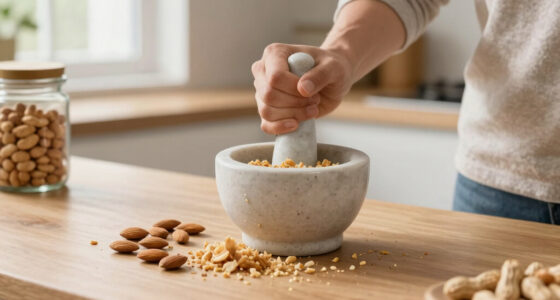
- Mortar and pestle: Great for soft fruits like berries, soft apples, or peeled peaches. It crushes and macerates, releasing juice with some manual effort.
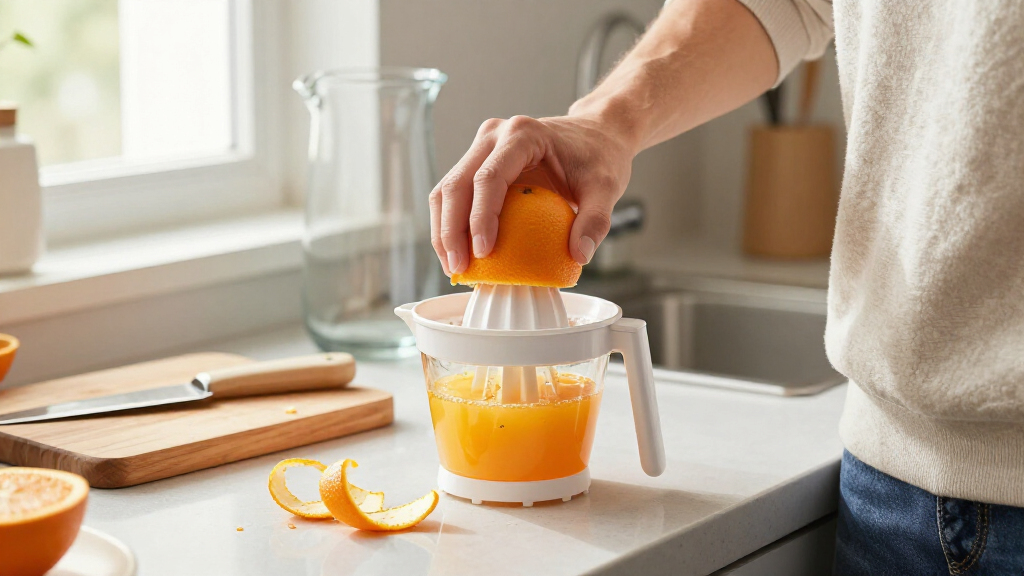
- Hand-held citrus press: Perfect for lemons, limes, oranges. Simple, fast, and requires minimal strength.
- Manual fruit press or screw press: For apples, pears, or grapes. It uses leverage to squeeze out maximum juice efficiently.
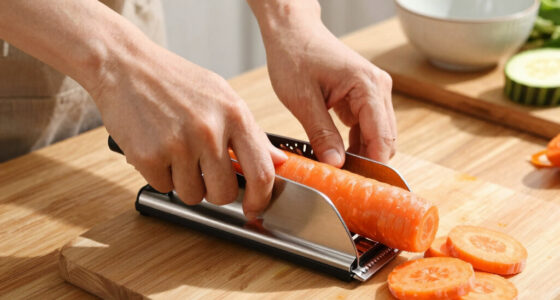
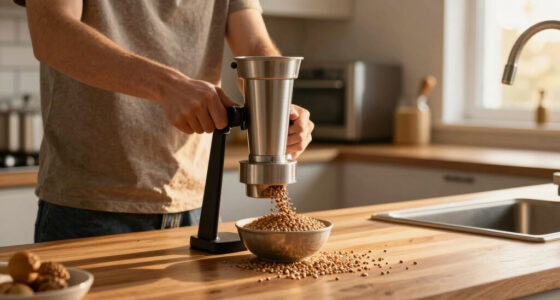
- Blender or hand-crank grinder: For tougher produce like carrots or beets. Blend first, then strain for a smooth juice.
Each tool suits different fruits or vegetables, so pick based on what you want to juice most often.
As an affiliate, we earn on qualifying purchases.
Step-by-step: How to make juice with a manual fruit press
- Select ripe, fresh produce: Apples for cider, grapes for wine, pears for a sweet juice. The riper, the better.
- Wash thoroughly: Remove dirt and pesticides. For berries, a gentle rinse is enough; for apples or pears, a scrub helps.
- Cut into manageable pieces: Larger fruits need chopping to fit into the press or grinder.
- Crush or grind: Use your chosen tool—turn the screw or leverage handle—to crush the produce. Break it down into pulp.
- Press the pulp: Load the fruit into the pressing basket or bag. Apply steady pressure—turn the screw slowly, letting the juice flow into your container.
- Collect and strain the juice: Pour the extracted liquid through a fine cloth or strainer to catch any remaining pulp or seeds.
- Enjoy fresh: Pour into a glass, maybe add a splash of water or sweetener if desired. Savor the rich aroma and vibrant flavor.
It’s a simple, satisfying process that rewards you with pure, unadulterated juice.
As an affiliate, we earn on qualifying purchases.
Compare manual juicing options — which one works best for you?
| Tool | Best For | Pros | Cons |
|---|---|---|---|
| Mortar and pestle | Soft berries, peaches, soft apples | Simple, versatile, no power needed | Requires some effort, less efficient for large quantities |
| Citrus press | Oranges, lemons, limes | Fast, easy, minimal effort | Limited to citrus fruits only |
| Manual fruit press | Apples, pears, grapes | High juice yield, durable | Heavier and more expensive |
| Blender + Strainer | Root vegetables, tougher fruits | Multi-use, good for tough produce | More prep, extra step to strain |
Choose the right tool based on your produce, volume, and strength. For a quick squeeze of citrus, a press wins. For apples or grapes, a dedicated fruit press makes life easier. And for tough veggies, blend then strain for a smooth finish.
As an affiliate, we earn on qualifying purchases.
How to get the most juice from your produce — tips to boost yield
Maximizing juice extraction is all about prep and technique. Here’s how to squeeze every drop:
- Choose ripe, soft fruit: Ripe produce yields more juice. Think of a perfectly ripe peach—soft, fragrant, bursting with flavor.
- Warm up your produce: A 15-minute warm soak in water makes soft fruits easier to crush and releases more liquid.
- Use a bit of pressure: Slow, steady turns of your screw or lever squeeze out more juice without tearing the pulp apart.
- Strain thoroughly: Use fine cloths or mesh strainers. This catches pulp and seeds that trap juice, boosting your yield.
- Repeat if needed: Reuse pulp for second pressing—often gives an extra splash of juice, especially with apples or grapes.
For example, a friend once soaked freshly picked apples in warm water, then pressed them with a sturdy screw press. The result? Nearly double the juice compared to pressing raw. Small tricks make a difference.
As an affiliate, we earn on qualifying purchases.
Why manual juice extraction keeps flavor and nutrients richer
Manual methods tend to preserve more flavor and nutrients because they avoid heat and oxidation caused by some electric juicers. When you crush and press gently, the natural oils, flavors, and vitamins stay locked in the juice.
Electric juicers, especially fast-spinning ones, generate heat that can degrade delicate compounds. In contrast, slow, manual pressure preserves the bright, fresh taste of your fruit or vegetable. Plus, you control every step, avoiding unnecessary exposure to air or heat.
For instance, a batch of hand-pressed apple juice retains a crispness and sweetness that’s often lost in high-speed juicing. That’s because you’re working with nature’s own timing, not rushing through a machine.
Safety tips: Keep your hands and produce safe while juicing
Safety first—always. Use sharp tools carefully, and secure produce firmly when cutting or grinding. Wear gloves if you’re working with thorny or rough-skinned fruits to avoid cuts.
When turning a screw or lever, keep your fingers clear of moving parts. Use a stable table or surface to prevent slips. If using sharp blades or grinding surfaces, handle with care and keep children away.
Remember to clean your tools thoroughly after each use to prevent mold or bacteria growth. A quick rinse with hot water and a brush keeps everything sanitary and ready for the next batch.
For example, my friend once sliced her hand on a rusty old apple corer—a good reminder to check your tools regularly and wear gloves when needed.
Frequently Asked Questions
Can I make juice from any fruit without an electric juicer?
Most soft fruits like berries, peaches, and grapes are easy to juice with manual methods. Tougher produce like carrots or beets may need blending and straining. The key is choosing the right tool for your produce.How much juice can I expect from manual pressing compared to electric juicers?
Manual presses can extract up to 90% of the juice from certain fruits like apples and grapes, often more than some electric juicers, which might yield about 60%. It’s more efficient and gentler on nutrients.Do I need special equipment for small batches or just a few servings?
For small batches, a citrus squeezer or mortar and pestle works great. For larger amounts, a dedicated hand-powered fruit press or a sturdy blender and strainer setup will save time and effort.Is manual juicing faster or slower than electric?
It depends on the produce and your strength. Citrus presses are quick, taking just seconds. Apples or grapes take longer, but the quality and yield often make it worth the extra time.How do I clean my manual juicing tools?
Rinse with hot water immediately after use. For stubborn pulp, scrub with a brush. Avoid soap on wooden or metal parts if possible, and dry thoroughly to prevent rust or mold.Conclusion
Making juice without an electric juicer isn’t just doable—it’s rewarding. With a little effort and the right tools, you get richer flavor, more nutrients, and a true connection to your food. Off-grid or not, this hands-on approach puts you in control of every drop. So grab that fruit, find your favorite manual tool, and start squeezing—your taste buds will thank you.Fall Picks
fall essentials
As an affiliate, we earn on qualifying purchases.