
TL;DR

Get kitchen gear delivered free — and shop member deals
- Fast, free delivery on millions of items
- Access to Prime Big Deal Days deals on October 6–7
- Prime Video, Amazon Music and more included
Manual food processing involves using non-electric tools for grinding, drying, fermenting, and preserving. It’s cost-effective, eco-friendly, and crucial in emergencies or off-grid living. Traditional methods are proven effective and simple to learn.
Manual food processing keeps your pantry stocked without power, perfect for off-grid living or emergencies.
A handful of simple tools—like a mortar and pestle, manual grinders, and drying racks—are all you need to get started.
Natural drying, fermentation, and canning are proven, long-standing methods that preserve nutrients and flavor.
Manual tools require regular maintenance but offer unmatched reliability and resilience in any situation.
Start small: pick a simple project, learn the technique, and build your skills step-by-step.
Why Manual Food Processing Keeps You Self-Reliant
Manual food processing is all about independence. When power is out or unavailable, you can still grind grain, peel vegetables, or ferment foods. Think of a hand-crank grain mill grinding fresh flour for bread in the early morning light—silent and steady. This method costs less, requires fewer repairs, and connects you to centuries-old culinary traditions. Plus, it’s faster than you might think—an afternoon of drying herbs or fermenting vegetables can be done with minimal fuss.
Some real-world examples: a family in rural Montana drying apples on a breezy porch, or a prepper fermenting cabbage into sauerkraut in a simple jar. These are practical skills that make your food supply resilient and flavorful, even when the grid goes down.
As an affiliate, we earn on qualifying purchases.
Essential Manual Tools for Food Prep and Preservation
Manual tools are surprisingly simple but incredibly effective. Here’s a quick rundown of the basics:
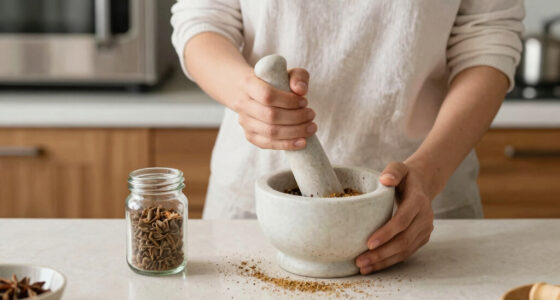
- Mortar and pestle: perfect for grinding spices or making pastes. They allow you to release essential oils and flavors by manually crushing herbs and spices, which can be lost in electric grinders due to heat. This method also gives you control over texture and consistency, crucial for recipes where precision matters.
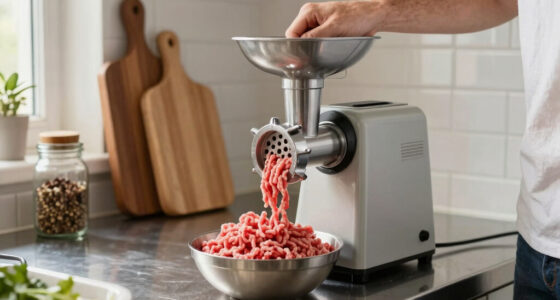
- Hand-cranked grinders: for milling grains, coffee, or seeds. These tools don’t just grind; they preserve the integrity of the ingredients, avoiding heat buildup that could degrade flavor or nutrients. They’re also reliable in power outages, making them vital for long-term food security.
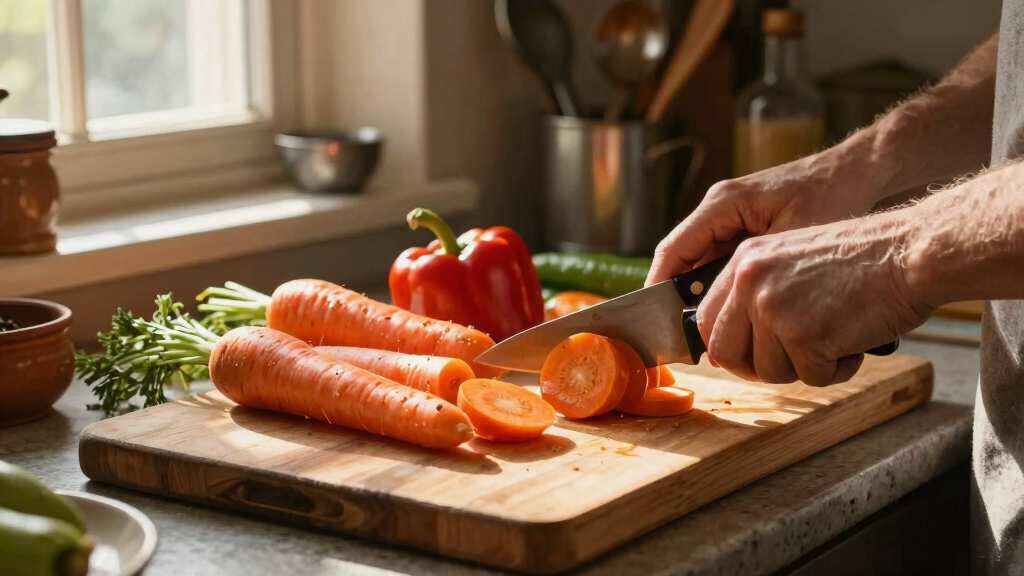
- Manual peelers and graters: for prepping vegetables and cheese. These tools make quick work of peeling and grating while maintaining control, reducing waste and ensuring uniform slices or shreds, which are essential for even drying or fermenting.
- Solar dehydrator or air drying racks: for drying herbs, fruits, or vegetables. These methods harness natural energy and are highly scalable, from small kitchen setups to larger drying racks, making them versatile for different needs.
- Manual canning kits: jars, lids, and hand-held squeeze or rotary canners. They enable you to preserve seasonal bounty safely without electricity, but require attention to cleanliness and proper sealing to prevent spoilage or botulism.
Using these tools effectively means understanding their limitations and maintenance needs. Regular sharpening of blades, thorough cleaning, and proper storage extend their lifespan and ensure safety. Investing time in learning how each tool works and when to use it can make your food preservation efforts more successful and enjoyable.
As an affiliate, we earn on qualifying purchases.
How to Dry Food Naturally Without Power
Drying food is one of the oldest preservation methods—no tech needed. It works by removing moisture, which inhibits bacterial growth and spoilage. The importance of controlling airflow and sunlight cannot be overstated, as uneven drying can lead to mold growth or spoilage, undermining your efforts. Proper drying ensures that the food retains its flavor, nutrients, and texture, making it safe for storage and consumption months later. Here’s a simple step-by-step:
- Pick ripe, healthy fruits or herbs. Ripe produce has the highest sugar content and flavor, making dried food more enjoyable and shelf-stable. Using underripe or overripe produce can result in poor drying or spoilage.
- Wash thoroughly with clean water to remove dirt and microbes, which could cause spoilage during drying. Cleanliness is critical because residual microbes can ferment or mold during storage.
- Slice into uniform pieces—think about how even thickness speeds drying and reduces mold risk. Thinner slices dry faster but can be more fragile, so balance size with durability.
- Lay on a clean rack or mesh screen, avoiding direct contact with soil or dust, which can introduce contaminants or pests. Elevating the food promotes airflow on all sides, aiding even drying.
- Place in a sunny spot with good airflow, such as a windowsill, porch, or attic, or hang in a breezy, dry area. Proper ventilation is crucial to prevent mold and ensure complete drying. Covering with a fine mesh can keep insects away.
- Turn periodically to ensure even drying, especially for thicker pieces. This also helps prevent mold development on any damp spots.
Picture a sunny windowsill filled with drying apple slices, their sweet aroma filling the room. This natural method preserves flavor and nutrients, with the added bonus of being cost-free. For faster results, use a solar dehydrator—an efficient, low-cost device that harnesses the sun’s power. Properly dried food stored in airtight containers can last months or even years, making this a reliable, sustainable method for long-term storage. The key tradeoff is time—air drying takes patience but rewards you with a pure, chemical-free product that’s ideal for off-grid living and emergency preparedness.
As an affiliate, we earn on qualifying purchases.
Manual Techniques for Fermentation and Canning
Fermentation and canning are age-old preservation techniques that rely on natural microbial processes—no machines needed. Fermentation harnesses beneficial bacteria to transform vegetables into probiotic-rich foods, which can improve digestion, boost immunity, and enhance flavor complexity. Canning, on the other hand, involves sealing food in jars and applying heat to destroy spoilage organisms, creating a vacuum seal that keeps food safe for months or years. Both methods, when executed correctly, preserve nutrients and flavor while reducing waste and dependency on preservatives or electricity.
For fermentation, a simple jar filled with chopped cabbage, salt, and water creates an environment where beneficial bacteria outcompete harmful ones. Pressing the cabbage down expels air and releases juices, which act as a natural brine. Cover the jar with a cloth or an airlock lid to allow gases to escape while preventing contaminants—this ensures an anaerobic environment essential for safe fermentation. The fermentation process produces beneficial bacteria, acids, and flavors that develop over time, resulting in tangy, probiotic sauerkraut or kimchi—rich in flavor and health benefits. The tradeoff is patience: fermentation can take weeks, but the resulting foods are highly nutritious and flavorful.
For canning, start with sterilized jars and fresh, quality produce. Fill jars leaving appropriate headspace, seal with lids, and process in boiling water baths or pressure canners. The heat kills bacteria and spores, creating a vacuum seal that preserves the food. Proper technique is critical: underprocessing can lead to spoilage or botulism risk, while overprocessing can diminish texture and flavor. Learning the correct processing times and temperatures—based on altitude and food type—is essential for safety. The tradeoff here is effort and time, but the payoff is long-lasting, shelf-stable food that can be stored without refrigeration, making it ideal for off-grid storage and emergency stockpiles.
As an affiliate, we earn on qualifying purchases.
Compare Manual and Electric Food Processing Tools
| Feature | Manual Tools | Electric Tools |
|---|---|---|
| Power source | Human effort only | Electricity or batteries |
| Cost | Lower initial and maintenance costs | Higher purchase price and repairs |
| Reliability | Works anywhere, no outages | Dependent on power supply |
| Speed | Slower, requires effort | Faster and effortless |
| Noise | Silent | Can be loud |
For example, a manual grain mill might take 10 minutes to produce a cup of flour, but it never stops working. An electric grinder does it in seconds but relies on having power. Each has trade-offs—manual tools foster resilience, while electric tools boost efficiency. Choosing between them depends on your priorities: do you value independence and reliability, or speed and convenience? For off-grid living or emergency preparedness, manual tools often provide peace of mind, ensuring you can process food regardless of external conditions. Understanding these tradeoffs helps you build a versatile toolkit tailored to your needs and situations, emphasizing resilience over convenience when necessary.
Start Learning Manual Food Skills Today
Getting started is easier than you think. Pick a simple project—like drying herbs or fermenting vegetables. Gather basic tools: a clean jar, a sharp knife, a drying rack. Watch a few online tutorials or join a local workshop. Practice and refine your techniques—soon, you’ll feel confident in your ability to process food by hand. Remember, each successful step builds your confidence and deepens your understanding of natural preservation methods. The key is consistency and patience—these skills become second nature with practice, making you more self-reliant and prepared for any situation.
Imagine the satisfaction of harvesting your own herbs, drying them on a sunny porch, then using your homemade seasoning months later. Every step builds your self-sufficiency and connection to your food. Embrace the learning process, and don’t be discouraged by initial mistakes—they are part of the journey toward mastery in manual food processing.
Frequently Asked Questions
What manual tools are best for preserving food at home?
Look for a good mortar and pestle, hand-crank grain mill, manual canning kit, and drying racks. These tools are durable, easy to maintain, and versatile enough for many preservation techniques.
Is manual food processing safe for beginners?
Yes. When you follow proper hygiene, sanitation, and processing times, manual methods like fermenting and canning are safe and effective. Start with simple projects and follow trusted recipes or tutorials.
Can manual methods preserve food as well as electric ones?
Absolutely. Techniques like drying, fermenting, and water-bath canning have been used for centuries with great success. They retain flavor and nutrients without relying on power.
How do I begin learning manual food processing?
Begin with small projects, such as drying herbs or fermenting vegetables. Use online tutorials, join local workshops, and practice regularly. Each step builds your confidence and skills.
What are eco-friendly manual tools I should consider?
Choose tools made from bamboo, recycled metals, or biodegradable plastics. They’re durable, sustainable, and often more affordable—plus, they reduce your environmental footprint.
Conclusion
Manual food processing isn’t just for survival—it’s a way to connect with your food, save money, and build independence. With a few simple tools and some practice, you’ll turn everyday ingredients into shelf-stable staples. The best part? You’ll do it quietly, sustainably, and with a deep sense of accomplishment. So pick up that peeler or mortar—your off-grid kitchen awaits.Fall Picks
fall essentials
As an affiliate, we earn on qualifying purchases.