
TL;DR

Get kitchen gear delivered free — and shop member deals
- Fast, free delivery on millions of items
- Access to Prime Big Deal Days deals on October 6–7
- Prime Video, Amazon Music and more included
Percolator coffee offers a bold, full-bodied flavor when brewed correctly. Use medium-coarse grounds, monitor brewing time, and enjoy a hot, fresh cup every time—perfect for off-grid or traditional setups.
Use medium-coarse grounds to prevent over-extraction and bitterness.
Monitor brewing time carefully — 5 to 8 minutes is usually perfect.
Choose between stovetop or electric based on control needs and convenience.
Clean your percolator regularly with vinegar to maintain flavor and function.
Percolator coffee is inherently strong and bold — adjust your grind and timing to suit your taste.
What Makes Percolator Coffee Different From Other Brews?
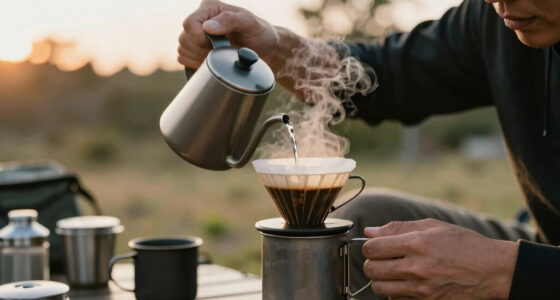
Percolator coffee is unique because it cycles hot water through coffee grounds repeatedly, creating a bold, intense flavor. Unlike drip or French press, which extract in one pass, the percolator uses continuous boiling to build strength. Imagine a coffee dance — water rises, filters through grounds, then falls back, repeating the process until the flavor is just right. This method produces a hot, hearty brew with a rich aroma, perfect for those who love a punch of coffee.
For example, if you’ve ever tasted a black, full-bodied cup that fills the room with a roasted scent, you’re tasting the result of proper percolator brewing. But it’s also easy to overdo — over-extraction leads to bitterness, which is why understanding the process matters. The repetitive cycle intensifies extraction, which means slight variations in timing or grind size can significantly affect flavor. Too long or too fine a grind extracts bitter compounds, while too short or too coarse leaves the brew weak and flat. Mastering this balance is crucial for achieving that perfect, rich flavor without bitterness.
As an affiliate, we earn on qualifying purchases.
How to Pick the Right Coffee Grind for Percolator Brewing
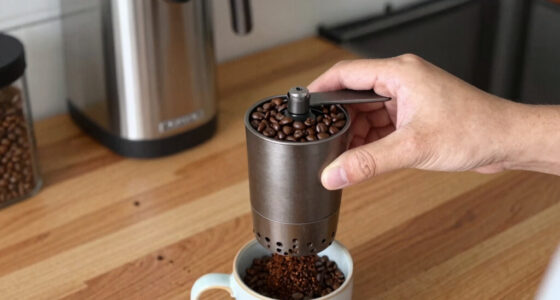
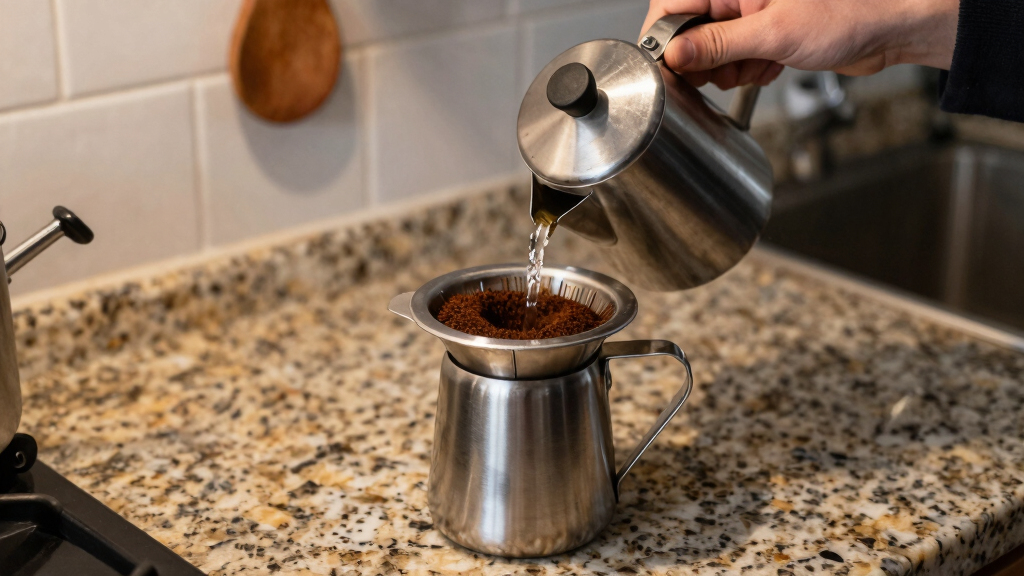
Use a medium to medium-coarse grind — think of the texture of coarse sea salt. This grind balances water flow and extraction efficiency. Too fine, and the water struggles to pass through, resulting in over-extraction and bitterness because the water remains in contact with grounds longer, pulling out undesirable compounds. Too coarse, and the water passes too quickly, leading to under-extraction and a weak, insipid brew. The tradeoff here is between strength and smoothness: a proper grind ensures a full-bodied flavor without harshness or dullness.
When preparing to brew, grind your beans just before, aiming for consistency. For example, if you’re using a standard burr grinder, set it to a level that produces a slightly larger grind than drip, but not as coarse as French press. This balance helps extract the rich oils and flavors without bitterness. Remember, the grind size directly influences extraction time and flavor clarity — too fine or coarse can throw off your brewing process, making it harder to achieve the perfect profile. Experimentation with small adjustments can help you find the ideal grind for your specific setup and taste preferences.
medium-coarse coffee grounds for percolator
As an affiliate, we earn on qualifying purchases.
As an affiliate, we earn on qualifying purchases.
Step-by-Step: How to Brew Perfect Percolator Coffee
- Measure your coffee: About 2 tablespoons per 6 ounces of water for a strong brew. Adjust based on taste.
- Fill with water: Use cold, filtered water up to the fill line.
- Add grounds: Place in the basket, ensuring it’s loose enough for water to circulate but not packed tightly.
- Assemble and heat: Secure the lid, then place on heat (stovetop or electric).
- Watch and listen: The water will start perking; this takes 5-8 minutes. Keep an ear out for the brewing sounds. The sound signals the brewing progress: a steady perking indicates proper extraction, while sputtering or inconsistent noises may suggest issues with heat or grind size. Paying attention to these cues helps you stop at the right moment to prevent over-extraction, ensuring a balanced, flavorful brew.
- Stop at the right time: Remove from heat once the coffee reaches your preferred strength — a good rule is when the perking slows down.
- Serve immediately: Pour and enjoy while hot, with a rich aroma filling the air.
electric stovetop coffee percolator
As an affiliate, we earn on qualifying purchases.
As an affiliate, we earn on qualifying purchases.
How to Prevent Bitterness and Over-Extraction
Over-extraction happens when water stays in contact with grounds too long or the grind is too fine. To avoid bitterness, set a timer for 5-8 minutes and remove the heat once the brewing slows. Also, use medium-coarse grounds — they’re the sweet spot for balance. The timing is critical because prolonged contact or finer grounds increase extraction of bitter compounds and tannins, which can ruin the flavor. By controlling both the time and grind size, you effectively limit these unwanted flavors. Adjusting these variables is a tradeoff: shorter times or coarser grounds may slightly weaken the brew, but they significantly reduce bitterness, resulting in a smoother, more enjoyable cup. Recognizing the signs of over-extraction—such as a harsh, burnt taste—helps you fine-tune your process for a consistently pleasant experience.
For example, if your coffee tastes burnt or overly strong, try shortening the brewing time or slightly coarsening the grind. Adjusting these variables makes a noticeable difference in flavor, allowing you to customize your brew to your taste and avoid the pitfalls of bitterness.
coffee percolator cleaning vinegar
As an affiliate, we earn on qualifying purchases.
As an affiliate, we earn on qualifying purchases.
Frequently Asked Questions
How do I avoid over-extracting and bitterness?
Keep an eye on the brewing time—5 to 8 minutes usually works. Use medium-coarse grounds and remove the heat once you hear the slowing perking sounds. Adjusting these factors helps prevent bitterness and over-extraction.
Can I use pre-ground coffee?
Yes, but freshly grinding your beans just before brewing gives a richer flavor. Aim for a medium-coarse grind for best results, especially if you want a balanced, full-bodied brew.
Is percolator coffee stronger than drip?
Generally, yes. Percolators produce a more concentrated, full-flavored cup because of the repeated cycling of hot water through the grounds. It’s perfect if you prefer a bold morning boost.
How do I clean my percolator?
Disassemble and wash all parts with warm, soapy water after every use. For mineral buildup, run a vinegar and water solution through the system monthly. This keeps your coffee tasting fresh and your device in top shape.
Conclusion
A well-brewed percolator cup is a celebration of simplicity and strength. Pay attention to grind size, timing, and cleanliness, and you’ll unlock a rich, satisfying coffee every time. Keep your setup clean and your timing precise — that’s the secret to percolator perfection. Now, imagine the aroma of fresh brew filling your off-grid kitchen — that’s the reward for your attention to detail.Halloween Picks
halloween
As an affiliate, we earn on qualifying purchases.