
TL;DR
Listen free for 30 days with Audible
Thousands of audiobooks and originals — cancel anytime.
Start your free trialAs an affiliate, we earn on qualifying purchases.
Regular disassembly, thorough cleaning with warm water and brushes, complete drying, and proper storage are key to a long-lasting, hygienic manual meat grinder. Innovations like rust-resistant materials simplify maintenance and extend lifespan.
Disassemble your grinder carefully, following manufacturer instructions for best results.
Use warm, soapy water and gentle tools—never abrasive—to scrub all parts after each use.
Thoroughly dry every component and apply a light coat of oil before long-term storage.
Organize parts and store in a dry, cool place to prevent rust and loss.
Modern coatings and quick-release designs make maintenance easier and extend lifespan.
How to Disassemble Your Grinder for a Deep Clean
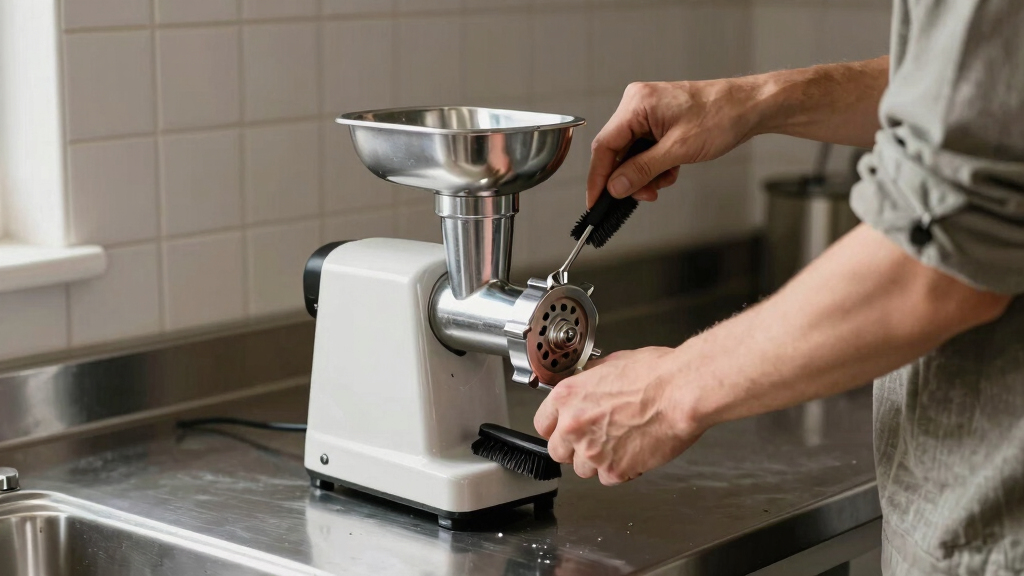
Disassembly is the first step to a thorough clean. Carefully remove the feed tube, blade, plate, and screw. Lay out all parts so you can see where each belongs. Following the manufacturer’s instructions makes the job easier and prevents damage. Think of disassembly as taking apart a puzzle—every piece needs to be accessible for a proper clean.
Proper disassembly is crucial because it exposes all surfaces that come into contact with meat, which are hotspots for bacteria and residue. If parts are left assembled, hidden crevices can trap meat particles, fostering bacteria growth or rust over time. Additionally, disassembling allows you to inspect each piece for wear or damage, which can affect grinding performance or safety. For example, a dull blade or a cracked plate not only reduces efficiency but can also contaminate your meat. Carefully handling each part minimizes the risk of damage, ensuring your grinder remains in optimal condition for years to come.
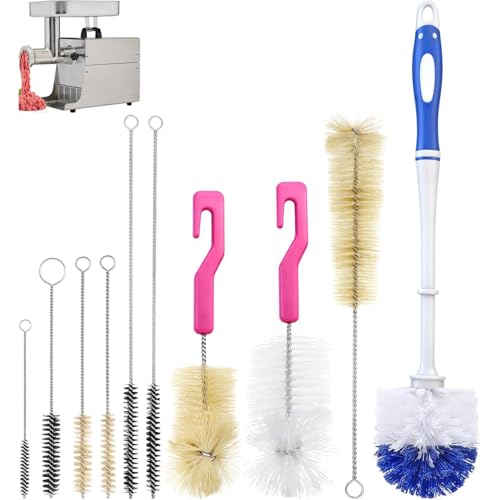
10 Meat Grinder Cleaning Brush Kit for Grinding Plates & Stuffing Tubes
- Complete Cleaning Kit: Includes brushes for plates and tubes
- Multi-Size Brushes: Fits various grinding plate sizes
- Flexible Tube Brushes: Cleans stuffing tubes of different lengths
As an affiliate, we earn on qualifying purchases.
As an affiliate, we earn on qualifying purchases.
The Best Way to Clean Your Meat Grinder Without Damage
Cleaning a manual meat grinder is straightforward but requires attention. Rinse parts immediately after use to prevent meat from drying and sticking. Use warm water and a mild dish soap with a soft brush or cloth to scrub all surfaces. For stubborn residue, soak parts in warm water or a vinegar solution—about 1 part vinegar to 3 parts water—then scrub again.
Understanding why gentle cleaning is vital helps preserve your grinder’s longevity. Abrasive cleaners or steel wool might seem tempting for stubborn spots, but they can scratch or mar the metal surfaces, creating tiny crevices where rust can develop or bacteria can hide. Using soft brushes and mild soap ensures that you remove residues without compromising the integrity of the metal. The vinegar soak is especially effective because it dissolves mineral deposits and disinfects naturally, reducing the need for harsh chemicals. This gentle approach balances thorough cleaning with the preservation of your tool’s structural and functional integrity, ultimately saving you money and hassle in the long run.

Verdana Food Grade Lubricant Oil – Organic, Kosher, NSF H1, Non-GMO – Petroleum-Free Light Machine Oil for Meat Slicers, Grinders, and Food Contact Equipment – Rust & Corrosion Inhibitor – 8 Fl Oz
- Food Grade & NSF H1 Certified: Safe for incidental food contact
- Organic, Kosher & Non-GMO: Made from coconut-derived ingredients
- Petroleum-Free Alternative: Suitable for kitchen equipment
As an affiliate, we earn on qualifying purchases.
As an affiliate, we earn on qualifying purchases.
How to Dry and Oil Your Grinder for Long-Term Storage
Drying completely is essential to prevent rust. Use a clean towel to wipe each part thoroughly. Then, leave parts to air dry in a well-ventilated spot—avoid stacking wet parts. Once dry, apply a thin coat of food-grade oil—such as mineral oil—on metal surfaces. This creates a protective barrier against moisture.
Understanding why drying and oiling matter is key to preserving your grinder. Residual moisture on metal surfaces is a primary cause of rust, which not only weakens the metal but can also lead to contamination. Applying a light coating of food-grade oil forms a barrier that repels water and prevents oxidation. This step is especially important if you live in humid environments where moisture levels are higher. Moreover, regular oiling can help maintain the smooth operation of moving parts like the screw and blade, reducing wear over time. This simple but effective routine ensures your grinder remains reliable and safe for years, saving you from costly repairs or replacements.

Universal Meat Grinder Pusher Stomper Kitchenaid Lem Meat Food Grinder Tool
- Includes Meat Grinder Plunger: Compatible with Kitchenaid Lem grinder
- Dimensions: 25 cm length, 3.78 cm diameter
- Food Grade Material: Made of durable HDPE
As an affiliate, we earn on qualifying purchases.
As an affiliate, we earn on qualifying purchases.
Organizing and Storing Your Grinder for Durability
Proper storage keeps your grinder in top shape. Keep all parts together in a labeled container or a dedicated box. Cover the assembled or disassembled parts with a cloth or plastic cover to shield from dust and moisture. Store in a dry, cool area—avoid places prone to humidity or temperature swings.
Understanding the importance of organized storage helps prevent damage and loss. When parts are scattered or unprotected, small components like screws or plates can be misplaced, leading to delays or improper reassembly. Dust and moisture exposure accelerate corrosion, especially in off-grid environments where climate control may be limited. Using labeled containers ensures quick access when you need to reassemble, while covers provide an extra layer of protection from dust and humidity. For example, storing your grinder in a dry cabinet with silica gel packs not only keeps moisture at bay but also extends the lifespan of all components. Organized, protected storage is a simple yet effective way to ensure your grinder remains functional and safe for years, reducing replacement costs and preserving your investment.

Meat Grinder Accessories Storage Case Compatible with KitchenAid KSMMGA
- Supports multiple grinder components: Holds plates, tubes, pusher, tools
- Dedicated storage compartments: Keeps accessories organized and separated
- Easy access design: Quickly reach essential grinder parts
As an affiliate, we earn on qualifying purchases.
As an affiliate, we earn on qualifying purchases.
Recent Innovations That Make Cleaning Easier
Modern manual grinders now feature rust-resistant stainless steel or coatings that inhibit bacterial growth. Some have quick-release mechanisms for easier disassembly. Eco-friendly cleaning options, like biodegradable brushes and natural cleaning solutions, are becoming popular.
Understanding these innovations helps you make informed choices that save time and effort. For instance, rust-resistant stainless steel reduces the need for frequent oiling and rust removal, which can be time-consuming and sometimes damaging if done improperly. Quick-release mechanisms simplify disassembly, making routine cleaning faster and more thorough, which is especially beneficial in off-grid settings where time and resources are limited. Eco-friendly cleaning options not only reduce your environmental impact but also ensure that no harmful chemicals contaminate your meat or your environment. These innovations collectively improve maintenance routines, extend the lifespan of your grinder, and enhance safety and hygiene—crucial factors for off-grid and DIY enthusiasts who rely on durable, low-maintenance tools.
Your Most Common Questions About Cleaning & Storing
- How often should I clean my manual meat grinder? After every use, especially if you plan to store it for a while. Regular cleaning prevents residue buildup, which can harbor bacteria and cause corrosion, ultimately shortening the lifespan of your grinder. Skipping cleaning can also lead to cross-contamination, affecting the safety of your future batches.
- Can I put parts in the dishwasher? Usually no—hand washing with warm water and soap is safest to avoid damage. Dishwashers can cause corrosion or warping, especially if parts aren’t dishwasher-safe. Additionally, high heat and harsh detergents can degrade protective coatings or finishes, reducing the lifespan of your grinder.
- What’s the best way to remove stubborn residue? Soak in warm water or vinegar, then scrub with a brush. This method dissolves dried meat and mineral deposits without scratching or damaging the metal. Patience and gentle scrubbing are key—rushing can lead to damage or incomplete cleaning.
- How do I prevent rust? Dry thoroughly, oil lightly, and store in a dry place. Ensuring all moisture is removed and applying a protective oil layer creates an environment inhospitable to rust. Also, store in a low-humidity area, ideally with silica gel packs, to absorb residual moisture and extend your grinder’s life.
- What if my parts rust? Use a rust remover or abrasive pad, then clean, dry, and oil before storing. Addressing rust early prevents it from spreading or causing structural damage. Regular maintenance, including reapplying oil, can prevent future rusting and keep your grinder in top condition.
Frequently Asked Questions
How often should I clean my manual meat grinder?
Clean it immediately after each use to prevent meat residue from drying and becoming difficult to remove. Regular cleaning keeps it hygienic and functioning smoothly.Can I put my grinder parts in the dishwasher?
Most manual grinder parts are best washed by hand with warm water and mild soap. Dishwashers can cause corrosion or damage delicate parts, especially if made of steel.What’s the best way to remove stubborn meat residue?
Soak parts in warm water or a vinegar solution, then scrub with a soft brush or cloth. This loosens dried meat and makes cleaning easier without scratching surfaces.How do I prevent rust on my grinder?
Dry all parts thoroughly after cleaning, then apply a thin layer of food-grade oil. Store in a dry, cool place, ideally with silica gel packs to absorb moisture.What should I do if my parts are rusted?
Use a rust remover or fine abrasive pad to clean rust spots carefully. Afterward, wash, dry, and oil the parts before storing again. Regular upkeep prevents future rusting.Conclusion
A well-maintained manual meat grinder remains a dependable workhorse in your off-grid kitchen. Regular cleaning and smart storage turn a simple tool into a lifelong companion. Keep it rust-free, sharp, and ready—your future self will thank you for the effort today.Flea & tick season Picks
flea and tick prevention
As an affiliate, we earn on qualifying purchases.