TL;DR
Listen free for 30 days with Audible
Thousands of audiobooks and originals — cancel anytime.
Start your free trialAs an affiliate, we earn on qualifying purchases.
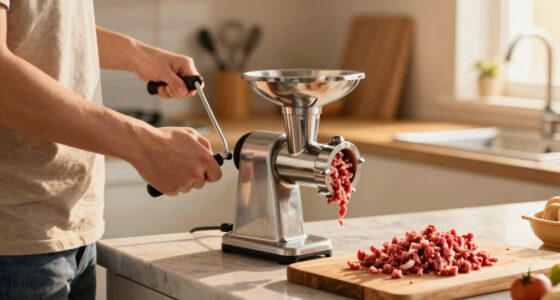
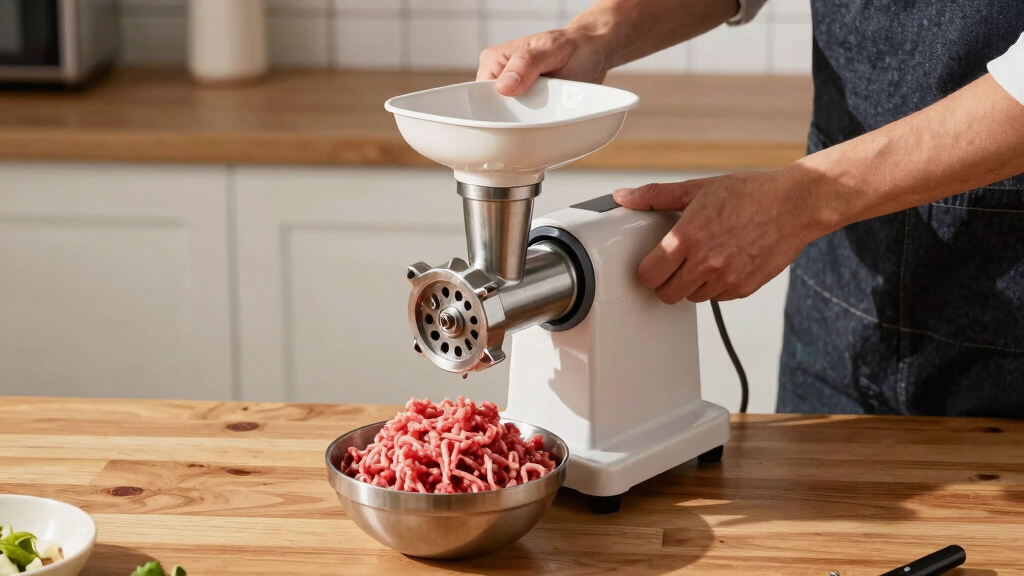
Cleaning and storing your manual meat grinder properly prevents rust, keeps it sanitary, and prolongs its life. Regular disassembly, thorough drying, and proper storage are key.
Disassemble and rinse your grinder immediately after each use to prevent dried meat and bacteria buildup.
Thoroughly dry all parts and apply a light oil coat before storage to stop rust from forming.
Use vinegar or food-safe sanitizers periodically to keep parts bacteria-free, especially in raw meat prep.
Store disassembled parts in a dry, organized container, and avoid humid environments that encourage corrosion.
Modern stainless steel models and antimicrobial coatings can reduce maintenance but still require proper care.
Why Cleaning Your Grinder Right After Use Matters
Cleaning your manual meat grinder immediately after use prevents meat residue from drying and hardening. Dried meat can clog small parts, make cleaning tougher, and even encourage rust. Imagine the rich, dark aroma of fresh meat lingering in dried bits—it’s a recipe for corrosion if ignored.
For example, after grinding pork, rinse all parts within a few minutes. This simple step keeps the blades sharp and moving smoothly. Plus, it reduces bacteria growth—crucial when working with raw meat in an off-grid kitchen.
Neglecting this early cleaning stage can lead to residues that are difficult to remove later, increasing wear and tear on your grinder. It also minimizes the risk of bacterial contamination, which is especially important if you use your grinder frequently or in environments where sanitation is harder to maintain. By acting promptly, you preserve the integrity of the metal parts and ensure your grinder functions efficiently over time.
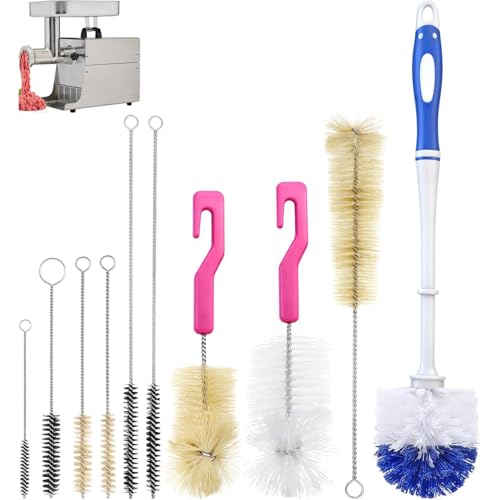
10 Meat Grinder Cleaning Brush Kit for Grinding Plates & Stuffing Tubes
- Complete Cleaning Kit: Includes brushes for plates and tubes
- Multi-Size Brushes: Fits various grinding plate sizes
- Flexible Tube Brushes: Cleans stuffing tubes of different lengths
As an affiliate, we earn on qualifying purchases.
As an affiliate, we earn on qualifying purchases.
Step-by-Step: How to Clean a Manual Meat Grinder
- Disassemble the grinder into removable parts: feed tube, auger, blade, grinding plate, and handle.
- Rinse each part immediately with warm water—don’t wait for it to dry or you’ll face stubborn residue.
- Use a soft brush or toothbrush to scrub all surfaces, especially small crevices.
- Soak stubborn bits in warm vinegar water if needed—dried meat is tough to remove otherwise.
- Wash with mild dish soap, then rinse thoroughly.
- Dry each part thoroughly with a clean towel or air dry in a warm, dry spot.
- Apply a thin coat of food-grade mineral oil to metal parts to prevent rust and preserve the metal’s integrity.
This process isn’t just about cleanliness; it’s about maintaining the functionality and longevity of your grinder. Proper disassembly and thorough cleaning remove residues that can cause corrosion or bacterial growth. Using gentle scrubbing and natural oils helps protect delicate surfaces and ensures smooth operation for future use.

Kate Naturals Mineral Oil for Wood Cutting Board, Food Grade, Odorless, 8oz
- Food-grade mineral oil for wood: Restores and protects cutting boards and utensils
- No greasy residue: Absorbs cleanly without oily film or scent
- Safe for kitchen use: Food-safe, prevents rust on blades and appliances
As an affiliate, we earn on qualifying purchases.
As an affiliate, we earn on qualifying purchases.
Dry and Sanitize Like a Pro
Dry every part completely to prevent rust. Use a clean towel or air dry in a warm spot—any residual moisture can cause oxidation, which weakens the metal over time. For extra safety, wipe with a cloth lightly coated in food-grade mineral oil to create a protective barrier that repels moisture and inhibits corrosion.
Sanitizing periodically is essential, especially if you handle raw meat frequently. Wiping parts with a vinegar solution or a food-safe sanitizer reduces bacteria and keeps your grinder hygienic. It’s important to note that high-heat methods like boiling are generally discouraged unless specified by the manufacturer, as they can warp or damage certain components. Instead, gentle wiping and natural oils provide effective protection without risking damage.
Thorough drying and sanitizing are critical because residual moisture or bacteria can lead to rust or spoilage. Rust weakens the metal, making it more prone to breakage, while bacteria can pose health risks. Proper sanitation ensures your grinder remains safe for food contact, preserving its integrity and your health.

2 Pcs #12 Meat Grinder Blade Stainless Steel Knife Cutter Replacement for Grinders, Please check the size and shape
- Square Hole Size: 12mm
- Diagonal Length: 61mm/2.4 inches
- Compatibility Note: Not for specific brands
As an affiliate, we earn on qualifying purchases.
As an affiliate, we earn on qualifying purchases.
How to Store Your Grinder for Long-Term Success
- Disassemble the grinder completely, cleaning each part before storage.
- Dry every piece meticulously—rust loves moisture, and even small traces can cause corrosion over time.
- Apply a thin, even coat of food-grade mineral oil to all metal surfaces to create a protective barrier against humidity and oxidation.
- Organize parts in a labeled container or cloth bag—don’t just toss everything loose, as this can lead to misplacement or damage.
- Store the disassembled parts in a dry, cool environment, preferably in a sealed container or cabinet that protects against dust and humidity.
- If storing the grinder assembled, cover it with a dust-proof cloth or place it in a protective case to prevent exposure to moisture and environmental contaminants.
This careful approach to storage minimizes exposure to elements that accelerate rust and corrosion. Proper organization ensures parts won’t get lost or damaged, and applying oil adds an extra layer of defense. Remember, the goal is to keep your grinder in optimal condition so it can serve you reliably for years, whether you use it weekly or seasonally.

Stainless Steel Meat Grinder Attachments for KitcheAid Mixers
- Versatile Attachments: Includes meat grinding and sausage stuffing discs
- Durable Material: Made from rust-resistant stainless steel
- Easy to Use: Secure, attach, and let mixer do the work
As an affiliate, we earn on qualifying purchases.
As an affiliate, we earn on qualifying purchases.
What’s New? Fresh Ideas in Cleaning and Storage
Modern grinders often feature stainless steel or corrosion-resistant coatings, making maintenance easier. Some incorporate antimicrobial materials to inhibit bacteria. Storage solutions now include custom racks and cases designed for manual tools, keeping everything organized and protected.
If your grinder is a vintage cast iron model, these updates can save you time and effort while extending its life. Think of it as giving your old workhorse a new lease on life.
Important Facts Every Grinder Owner Should Know
Proper cleaning and storage can extend your grinder’s lifespan by over 50%, according to an anonymous researcher. Rust is the biggest enemy—thorough drying and light oiling thwart corrosion. Some parts, like blades and grinding plates, may need sharpening or replacement over time. Always follow the manufacturer’s instructions for best results.
Handling Rust and Other Common Problems
If rust appears, don’t panic. Use steel wool or a rust remover to scrub it away. Afterward, re-oil and store properly to prevent future issues. For stubborn residues, soaking parts in warm vinegar water can loosen dried meat—just rinse thoroughly afterward.
Keep in mind, rust can weaken metal parts, so addressing it early saves money and effort. Regular maintenance, like oiling and proper storage, can prevent rust from forming in the first place, preserving the integrity of your grinder for years to come.
Your Questions Answered: Quick Fixes and Tips
- How often should I clean my manual meat grinder? After every use, especially when working with raw meat, to prevent bacteria and residue buildup.
- Can I put parts in the dishwasher? Usually no, unless specified by the manufacturer. Hand washing with warm water and soap is safer and more gentle.
- What if dried-on meat won’t come off? Soak parts in warm vinegar water for 15–20 minutes, then scrub with a brush.
- How do I prevent rust? Dry thoroughly, apply a light coat of food-grade oil, and store in a dry, cool place.
Frequently Asked Questions
How can I tell if my grinder needs replacement parts?
Check for excessive rust, dull blades, or difficulty grinding. Sharp blades and smooth operation signal good condition; dullness or rust indicate it’s time for replacements.Is there a quick way to clean my grinder if I’m in a rush?
A quick rinse with warm water and a wipe with a dry cloth can prevent immediate buildup. For stubborn residue, a quick soak in vinegar water helps loosen dried meat.Can I store my grinder outside?
It’s best to keep it inside in a dry place. Outdoors, moisture and humidity accelerate rust and corrosion—especially for cast iron or steel parts.Conclusion
Your manual meat grinder is a simple tool that rewards regular, attentive care. Take a few minutes after each use to clean, dry, and oil it—your investment in durability and safety. With good habits, it’ll serve you well, ground after ground, for decades to come.Flea & tick season Picks
flea and tick prevention
As an affiliate, we earn on qualifying purchases.