TL;DR

Get kitchen gear delivered free with Prime
- Fast, free delivery on millions of items
- Prime Video, Amazon Music and more included
- Member-only deals all year
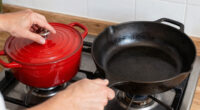
Enameled cast iron offers easy cleanup and vibrant colors but can chip; bare cast iron is incredibly durable and develops a natural non-stick surface over time. Your choice depends on your cooking habits, maintenance willingness, and aesthetic preferences.
Enameled cast iron offers quick cleanup and vibrant colors, ideal for low-maintenance cooks.
Bare cast iron is nearly indestructible, develops a natural non-stick surface, and lasts for generations.
Handle enameled cookware carefully to avoid chipping; maintain bare cast iron with seasoning and thorough drying.
Cost varies: enameled is more expensive initially but easier to maintain; bare cast iron is cheaper and long-lasting.
Choose based on your cooking style, aesthetic preferences, and willingness to perform regular maintenance.
Why Ease of Cleaning Matters More Than You Think
Enameled cast iron is like a non-stick pan with a glossy, smooth surface. It resists sticking and cleans up with soap and water, no seasoning required. This non-porous layer prevents food from bonding directly to the surface, making cleanup faster and easier. For busy households or those who dislike scrubbing, this feature reduces time and effort, encouraging more frequent use. Conversely, bare cast iron requires regular seasoning—an ongoing process of baking oil into the surface—to develop a natural non-stick layer. Without this, food can stick, and cleaning becomes more labor-intensive, often involving scrubbing or salt scrubs. The choice hinges on your cleaning preferences: if you prioritize quick, fuss-free cleanup, enameled is advantageous; if you enjoy the ritual of seasoning and don’t mind extra effort, bare cast iron offers long-term convenience once properly established. The tradeoff is that enameled’s ease of cleaning can be compromised if the coating chips, while bare cast iron’s maintenance builds resilience over time but demands more initial effort. This difference influences how often and how happily you’ll cook, especially for sticky or tomato-based dishes that challenge non-stick surfaces.
As an affiliate, we earn on qualifying purchases.
Cooking Performance: What You Need to Know
Both enameled and bare cast iron excel at heat retention and even heating, but their performance nuances influence different cooking styles. Enameled cast iron heats quickly and distributes heat evenly, making it ideal for dishes that benefit from steady, controlled temperatures—like braises, stews, or delicate sauces. Its ability to maintain a constant temperature reduces hot spots, preventing scorching. Bare cast iron, on the other hand, heats more slowly but retains heat remarkably well, which is perfect for high-temperature searing or frying. Its natural non-stick surface, which improves with seasoning, allows for a crusty sear—think of a perfectly caramelized steak or crispy fries—thanks to its superior ability to handle high heat without warping. The tradeoff is that enameled cookware can’t tolerate sudden temperature shocks as well as bare cast iron, which can crack if subjected to rapid changes. Understanding these differences helps you match your cookware to specific recipes: use enameled for slow, gentle cooking and presentation, and bare cast iron for high-heat searing and baking. Recognizing these performance traits enables you to leverage each type’s strengths, ensuring better results and longer-lasting cookware.
As an affiliate, we earn on qualifying purchases.
Durability and Long-Term Use: Which Lasts Forever?
Ever seen a battered, seasoned pan that looks like it’s been around for a century? That’s the hallmark of bare cast iron. Its durability is legendary—if properly cared for, it can last for generations, often becoming an heirloom piece. The rugged construction makes it resistant to warping or cracking under normal use; even if dropped, it’s unlikely to break completely, though chips or dents can occur. Proper seasoning and drying prevent rust, and over time, the surface develops a smooth, non-stick patina that enhances its performance. Enameled cast iron, while tough, isn’t quite as indestructible. Its porcelain coating can chip or crack if dropped or subjected to sudden impacts. Once damaged, the coating’s non-stick properties diminish, and repairs are difficult or impossible. Thus, while enameled cast iron offers good durability for everyday use, its long-term lifespan depends heavily on careful handling. The tradeoff is that bare cast iron’s resilience makes it more suitable for heavy-duty, long-term use, especially in environments where rough handling is common. Investing in a quality piece of bare cast iron means embracing a tool that, with proper care, can serve your family for generations, embodying durability and tradition.
As an affiliate, we earn on qualifying purchases.
Cost and Value: What’s Really Worth It?
Enameled cast iron often costs more upfront — think $150 to $400 for a good Dutch oven. This higher price reflects the quality of the coating, vibrant color options, and manufacturing processes that ensure durability. The investment can be justified by its low-maintenance nature and aesthetic appeal, especially for those who regularly entertain or want attractive serving ware. Bare cast iron, typically priced between $20 and $50, is accessible and offers remarkable value. Its affordability makes it an excellent entry point for beginners or those on a budget. While the initial cost is lower, its longevity and the need for ongoing seasoning mean you should consider the cumulative expenses over time. Properly cared for, a good piece of bare cast iron can last a lifetime, often surpassing the lifespan of more delicate enameled options. The real value lies in understanding your cooking habits: if you prefer low-maintenance, attractive cookware, the higher upfront cost of enameled may be worthwhile; if you’re comfortable with some extra effort and want a durable, long-lasting tool, bare cast iron provides excellent value — especially since it can be restored and passed down through generations.
As an affiliate, we earn on qualifying purchases.
Handling and Care: What You Should Know
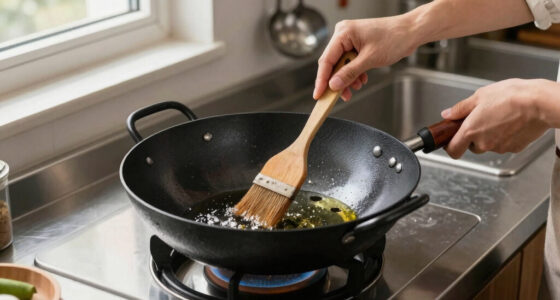
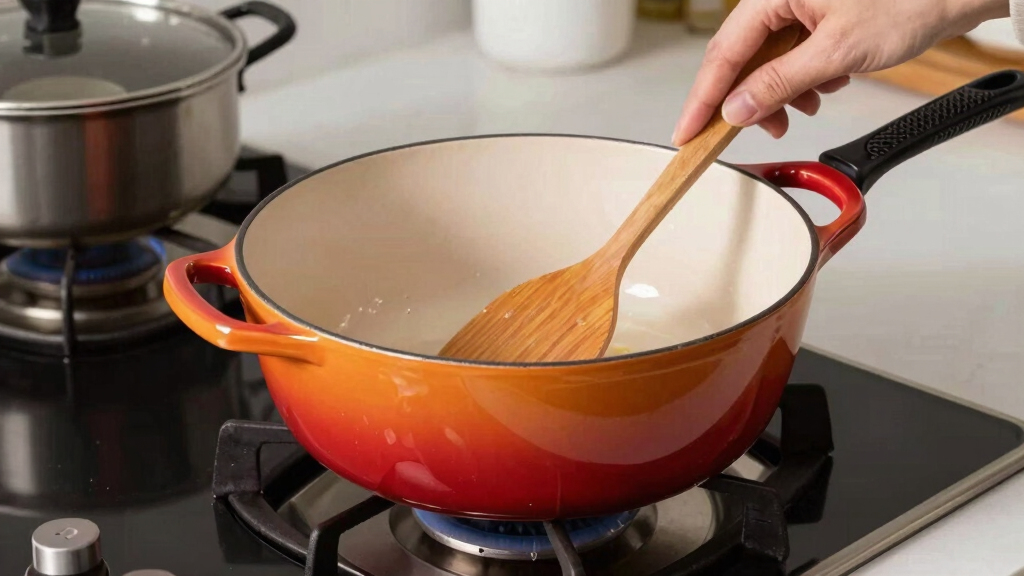
Enameled cast iron needs gentle handling—avoid metal utensils and sudden temperature changes to prevent chipping. Using metal tools can scratch or chip the delicate glaze, which compromises its appearance and performance. It’s best washed by hand with soft sponges and dried immediately to prevent water spots and potential damage. Proper storage—such as stacking with padding—also helps preserve the coating. Bare cast iron thrives on seasoning; oil baked into the surface creates a durable, natural non-stick layer. Regular seasoning enhances its resilience, making it more resistant to rust and sticking. After cleaning, thorough drying—preferably by heating briefly on the stove—prevents moisture from causing rust. Over time, the seasoning builds a resilient surface that improves with use. If you’re willing to put in the effort, bare cast iron becomes almost indestructible, capable of handling high heat and rough treatment. Enameled cookware, while more forgiving in daily use, still benefits from careful handling to avoid chips and cracks. Developing a routine that respects each material’s needs ensures your cookware remains functional and beautiful for decades.
Aesthetic and Use-Case Match: Colors, Looks, and Purpose
Enameled cast iron comes in vibrant reds, blues, and creams — perfect for serving directly from the stove or oven. Its colorful, glossy finish adds a touch of elegance and can elevate your table presentation, making it as much a serving piece as a cooking vessel. Imagine presenting a bubbling French onion soup or a roasted chicken in a colorful pot that complements your table decor. Bare cast iron, usually black or dark gray, develops a rich, matte patina over time—each mark telling a story of use. It’s more utilitarian but can be a rustic, charming centerpiece that ages gracefully. Its understated look pairs well with a variety of kitchen styles, especially those leaning toward farmhouse or vintage aesthetics. When choosing between these options, consider how visible and decorative the cookware will be: if you enjoy showcasing your dishes at the table, enameled offers a vibrant, polished look; if you prefer a timeless, rugged appearance that emphasizes function and character, bare cast iron is ideal. Your aesthetic preference influences not just the look but also how you feel about handling and cleaning your cookware daily.
What’s New? Recent Trends in Cast Iron Tech
Manufacturers are innovating with enamel coatings—making them more chip-resistant, offering an expanded palette of colors, and adopting eco-friendly production methods. Some brands now produce hybrid cookware that combines the durability of bare cast iron with the aesthetic appeal of enamel, offering the best of both worlds. Pre-seasoned bare cast iron is more common than ever, making it easier for beginners to start cooking without extensive seasoning routines. These advancements mean both options are more durable, user-friendly, and accessible than ever before, appealing to a broad range of cooks—from traditionalists to modern minimalists. Staying updated on these trends can help you select cookware that aligns with your values and lifestyle, ensuring your investment remains relevant and reliable for years to come.
Frequently Asked Questions
Which is better for frying: enameled or bare cast iron?
Bare cast iron is generally preferred for frying because it develops a natural non-stick surface over time, providing excellent heat retention and crust. Enameled can work too, especially if you prefer easier cleanup, but it may not develop the same non-stick qualities.Can I use metal utensils on enameled cast iron?
It’s best to avoid metal utensils on enameled cast iron, as they can chip the glaze. Use wooden or silicone tools to protect the surface and extend its lifespan.Is enameled cast iron prone to chipping?
Yes, especially if dropped or exposed to rapid temperature shifts. Proper handling and avoiding impact significantly reduce this risk, but some chipping may still occur over years of use.How do I maintain bare cast iron?
Regular seasoning with oil, avoiding soap, and drying thoroughly after cleaning keep bare cast iron in top shape. Over time, it develops a durable non-stick surface that improves with use.Which type is more versatile?
Both are versatile, but bare cast iron handles high-heat searing and baking better, while enameled cast iron shines for slow cooking, braising, and serving dishes directly at the table.Conclusion
Your choice between enameled and bare cast iron boils down to how much effort you want to invest and what you value most—ease or tradition. Both can serve you well for decades, but knowing their quirks helps you pick what’s right now. In a way, it’s like choosing between a sleek modern tool or a rugged classic—both get the job done, but your kitchen’s personality guides the decision.Halloween Picks
halloween
As an affiliate, we earn on qualifying purchases.