
TL;DR

Get kitchen gear delivered free — and shop member deals
- Fast, free delivery on millions of items
- Access to Prime Big Deal Days deals on October 6–7
- Prime Video, Amazon Music and more included
Enameled cast iron is easier to clean and better for acidic foods, but less durable than bare cast iron. Choose based on your cooking habits, maintenance willingness, and aesthetic preferences.
Picture this: you’re craving a bubbling pot of tomato sauce or searing a steak over high heat. Your choice of cookware can make or break those moments. Cast iron has long been the workhorse in many kitchens, but deciding between its enameled and bare varieties isn’t just about looks. It’s about matching the tool to your cooking style and willingness to care for it.
In this guide, you’ll learn exactly when enameled cast iron makes sense and when you’re better off sticking with traditional bare cast iron. Whether you’re off-grid, slow cooking, or just tired of scrubbing, understanding these differences helps you pick cookware that lasts and performs without surprises.
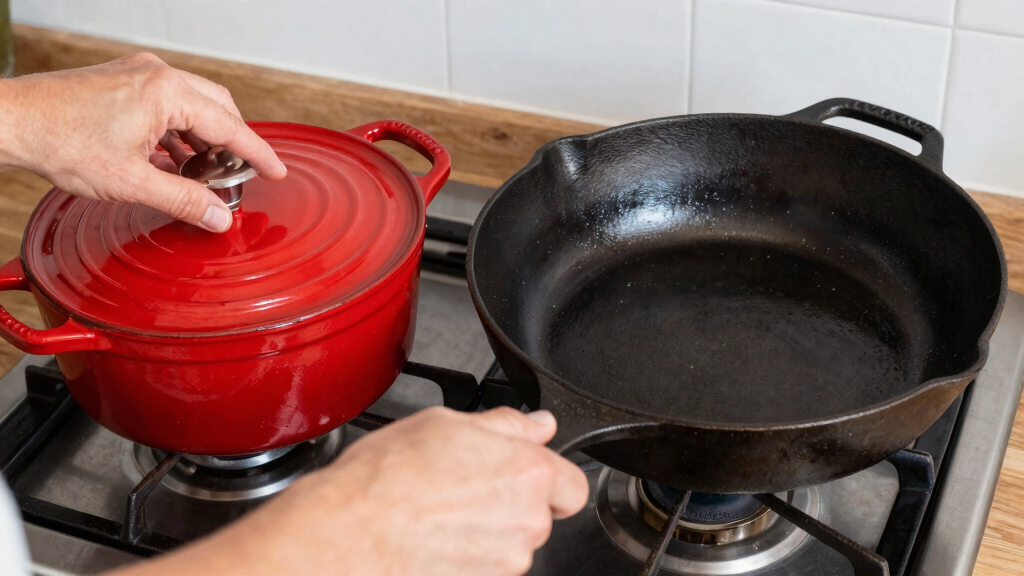
Enameled cast iron is perfect for low-maintenance, acidic, or presentation-focused cooking.
Bare cast iron excels in high-heat, heavy-duty tasks and develops a natural non-stick surface over time.
Proper care extends the lifespan of both types—avoid metal tools on enameled and always dry and oil bare cast iron.
Choose enameled if you dislike seasoning or want colorful, easy-to-clean cookware.
Pick bare cast iron if durability, searing, and traditional craftsmanship matter most.
Why Enameled Cast Iron Is Perfect for Low-Maintenance Kitchens
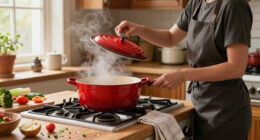
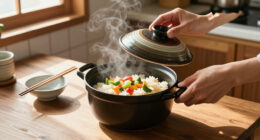
Enameled cast iron is your best friend if you want fuss-free cleanup and kitchen durability. The smooth, glassy surface resists rust, staining, and doesn’t require seasoning. Imagine simmering a spicy chili or baking a casserole without worrying about stubborn stains or rust spots. Just wash with warm water and a soft brush, and it’s ready for the next round.
For example, if you’re off-grid or cook sporadically, enameled’s forgiving nature makes it a reliable choice. It’s also great for anyone who cooks a lot of acidic foods—like tomato sauces or citrus-based dishes—without damaging the surface.
Understanding this, the ease of maintenance means less time spent on cleaning and more time enjoying your meal. However, it’s important to recognize that while enameled cast iron simplifies cleaning, it may not withstand heavy impacts or abrasive scrubbing, which could lead to chips or cracks. This tradeoff means it’s ideal for gentle handling and routine use but less suited for rough treatment.
As an affiliate, we earn on qualifying purchases.
When Bare Cast Iron Outshines Enameled for High-Heat and Durability
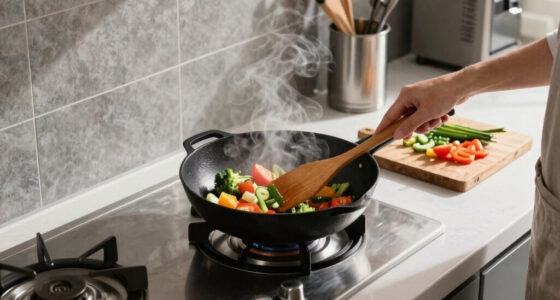
Bare cast iron is the heavyweight champion for searing steaks, frying bacon, and stir-frying at high temperatures. Its thick walls and excellent heat retention mean you get a crusty exterior and even cooking, especially over open flames or charcoal. Think about a perfect breakfast skillet—crisp edges, golden-brown hash, all thanks to bare cast iron’s ability to withstand intense heat.
Plus, with proper seasoning, it develops a natural non-stick surface that improves over time. This seasoning creates a polymerized layer that not only enhances non-stick qualities but also offers a degree of rust resistance. If you’re cooking regularly and don’t mind the upkeep, bare cast iron becomes almost indestructible. It’s the choice for chefs and home cooks who value longevity and performance.
However, it’s essential to recognize that this durability comes with some maintenance: regular seasoning, careful cleaning, and avoiding rapid temperature changes. The tradeoff is that bare cast iron requires a bit more effort upfront but rewards with unmatched versatility and lifespan.
As an affiliate, we earn on qualifying purchases.
Enameled vs. Bare Cast Iron: The Handy Comparison Table
| Feature | Enameled Cast Iron | Bare Cast Iron |
|---|---|---|
| Maintenance | Easy; dishwasher safe; no seasoning needed; ideal for quick cleaning and minimal upkeep | Requires regular seasoning and hand washing; more involved but allows for deep customization of surface |
| Durability | Resistant to rust and staining, but prone to chipping or cracking if mishandled or dropped | Extremely durable; can last for generations with proper care, resistant to cracking and warping |
| Best For | Acidic foods, low-maintenance cooking, serving presentation | High-temperature searing, frying, browning, and tasks requiring intense heat |
| Appearance | Colorful, glossy, attractive for serving directly at the table | Classic black or dark gray, utilitarian look that ages well |
| Price | Higher initial cost due to manufacturing process and glaze quality | Lower upfront cost, making it accessible for many households |
| Handling | Fragile if dropped, needs careful handling to avoid chips | Rough-and-tumble, handles drops better, more forgiving in the kitchen |
As an affiliate, we earn on qualifying purchases.
How to Decide: 5 Questions to Ask Before Buying
- Do I cook a lot of acidic dishes like tomato sauce or citrus? Enameled is better because it prevents metal reaction and staining, ensuring the flavor remains pure and the surface stays intact.
- Will I be searing, frying, or doing high-heat cooking often? Bare cast iron excels here because it can handle the thermal stress and provides a superior sear or crust, which is crucial for flavor development.
- Am I okay with regular seasoning and hand washing? Bare cast iron requires this routine maintenance to maintain its non-stick surface and prevent rust, but it rewards your effort with longevity.
- Do I want cookware that looks nice on the table? Enameled cookware adds vibrant color and a polished look, making it suitable for serving directly from stove to table without additional presentation dishes.
- Is durability my top priority? Bare cast iron, when properly cared for, can last for generations, making it an investment in long-term kitchen resilience.
As an affiliate, we earn on qualifying purchases.
Handling and Care Tips for Both Types
Both enameled and bare cast iron need proper care to last. For enameled, avoid metal utensils that can chip the glaze and never use abrasive cleaners, as they can scratch the surface and compromise its integrity. Instead, opt for gentle scrubbing with soft brushes or sponges and hand wash with warm water—dishwasher use is generally discouraged to prevent potential damage.
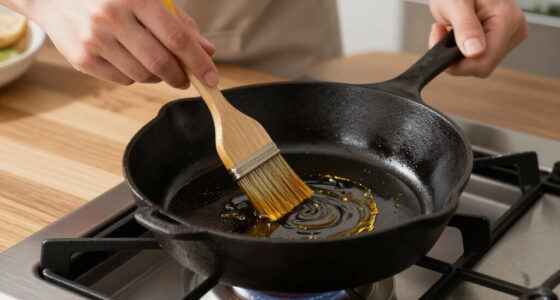
For bare cast iron, proper maintenance involves drying immediately after washing to prevent rust, applying a thin layer of oil before storage to maintain the seasoning layer, and re-seasoning periodically as needed to replenish the non-stick surface and prevent rust formation. Regularly cooking with it also helps maintain and improve its seasoning naturally.
For example, after frying bacon in your bare skillet, wipe it clean, dry it thoroughly, and apply a light coat of vegetable oil. If your enameled pot chips, don’t panic—small chips can be smoothed with fine sandpaper, but avoid using chipped cookware for acidic dishes, as the enamel’s integrity is compromised and could lead to further damage or staining.
Frequently Asked Questions
Can I use enameled cast iron on induction cooktops?
Yes, most enameled cast iron works on induction because both materials are magnetic. Just check the manufacturer’s specifications to be sure.Is enameled cast iron safe for acidic foods?
Absolutely. The vitreous enamel coat prevents acids from reacting with the metal, making it ideal for tomato sauces and citrus dishes without damage.How do I prevent enameled cast iron from chipping?
Avoid dropping or knocking it against hard surfaces. Use wooden or silicone utensils, and don’t expose it to sudden temperature changes, like going from hot to cold quickly.Do I need to season enameled cast iron?
No, enameled cookware doesn’t require seasoning. Just clean it with warm water and mild soap to keep it looking its best.Which type is more cost-effective over time?
While enameled cast iron costs more upfront, it requires less maintenance. Bare cast iron is cheaper initially but may need ongoing seasoning and care, which can add up.Conclusion
Your choice between enameled and bare cast iron boils down to what you want most—ease or performance. Both can serve you well for decades if you match their strengths to your cooking style. Remember: a well-cared-for cast iron piece becomes a kitchen heirloom, telling stories with every meal.
Next time you shop, picture the dishes you love and the care you’re willing to give. The right cookware isn’t just about durability or looks; it’s about making your cooking more enjoyable and less frustrating.
Halloween Picks
halloween
As an affiliate, we earn on qualifying purchases.