
TL;DR

Get kitchen gear delivered free — and shop member deals
- Fast, free delivery on millions of items
- Access to Prime Big Deal Days deals on October 6–7
- Prime Video, Amazon Music and more included
Cast iron is heavier, retains heat longer, and is ideal for slow cooking; carbon steel heats faster, responds quicker, and excels at high-heat tasks. Both develop a natural non-stick patina with proper care, but they require different handling and maintenance. Understanding these differences helps you pick the right pan and keep it lasting for generations.
Cast iron is heavier and better at holding heat, perfect for slow cooking and baking.
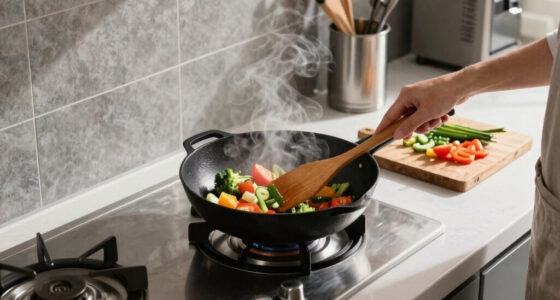
Carbon steel heats faster, responds quicker, making it ideal for high-heat, quick tasks like stir-frying.
Both develop a natural non-stick patina with regular seasoning, but they require different handling routines.
Handling and care are crucial: cast iron needs more gentle cleaning and regular seasoning; carbon steel is more forgiving and quicker to restore.
Choose the material based on your cooking style, strength, and maintenance willingness for long-lasting performance.
Why Weight Matters: Cast Iron vs. Carbon Steel in Your Hand
Cast iron is a beast — dense, heavy, and sturdy. It can weigh anywhere from 4 to 6 pounds for a standard skillet. That weight helps it hold heat like a champ, which is crucial for even cooking and browning. However, this weight also means more effort when lifting or maneuvering, especially if you’re cooking over an open flame or on uneven surfaces. The tradeoff is that the extra mass provides superior heat retention, making it ideal for slow cooking or recipes requiring steady, even heat. Conversely, carbon steel is lighter—often half the weight—making it easier to handle, flip, and move swiftly. This agility makes it particularly suited for techniques that require quick adjustments, like stir-frying or sautéing, where responsiveness is key. For off-grid or camping scenarios, the lighter weight reduces fatigue and enhances control, enabling you to cook longer without strain. The choice impacts not just comfort but also the precision and style of your cooking, especially when you need to react quickly to temperature changes or handle the pan frequently.
As an affiliate, we earn on qualifying purchases.
How They Heat Up and Keep Warm: The Heat Response Difference
Cast iron is like a slow but steady partner. It takes longer to heat up—sometimes several minutes—but once hot, it maintains that temperature consistently. This characteristic is vital for dishes that require even, prolonged heat, such as roasting or baking. The slow response means you need to anticipate your cooking needs and give the pan time to reach the desired temperature. On the other hand, carbon steel is highly reactive—heating up in seconds and cooling down just as swiftly. This rapid response allows for precise control during high-heat cooking tasks like searing steaks or stir-frying vegetables. The ability to quickly adjust temperature means you can go from high heat to low without delay, reducing the risk of overcooking or burning. This responsiveness also makes carbon steel more versatile for a range of cooking styles, especially when timing and temperature control are critical. Recognizing this difference helps you select the right pan for the job—whether you need the steady heat of cast iron or the quick, responsive heating of carbon steel—ultimately influencing the texture, flavor, and success of your dishes.
As an affiliate, we earn on qualifying purchases.
Durability and Maintenance: How Long Will They Last?
Both cast iron and carbon steel are celebrated for their longevity, often passing from generation to generation if properly cared for. Their durability, however, hinges on maintenance routines and how well you protect them from rust and damage. Cast iron’s near-indestructibility makes it a prized heirloom, but it’s also more prone to rust if neglected—especially if not dried thoroughly or exposed to moisture. Regular seasoning, which involves applying a thin layer of oil and baking it in, creates a natural non-stick surface and protects against rust. Proper care—like avoiding soap and cleaning with hot water and a brush—ensures it remains in excellent condition for decades. Carbon steel, while also extremely durable, is slightly more forgiving. It heats and cools faster, and its seasoning process is quicker to build and restore. If it gets dull or rusty, a simple re-seasoning with oil and heat can bring it back to life, often more easily than with cast iron. The key is consistent maintenance: cleaning promptly, drying thoroughly, and reapplying oil as needed. When cared for correctly, both materials can last a lifetime or more, becoming trusted tools that improve with age and use, reinforcing their role in a resilient, off-grid kitchen.
As an affiliate, we earn on qualifying purchases.
Cooking Styles: When to Use Cast Iron vs. Carbon Steel
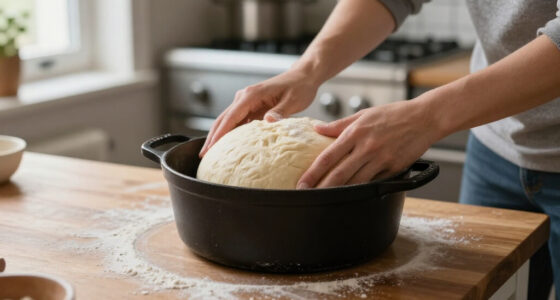
Matching your cookware to your preferred cooking styles amplifies their strengths. Cast iron excels at slow, steady heat tasks such as baking bread, frying chicken, or roasting vegetables. Its excellent heat retention ensures even cooking, which is crucial for dishes that benefit from consistent warmth over time. It’s also ideal for dishes that require oven use, as many cast iron pans are oven-safe. Conversely, carbon steel is the go-to for high-heat, quick-cooking techniques. Its rapid response to temperature changes makes it perfect for stir-frying, searing steaks, or sautéing vegetables—methods that demand precision and speed. For example, a chef might choose carbon steel for a quick sauté because it can go from hot to cool in seconds, giving better control over the process. Meanwhile, a cast iron Dutch oven is better suited for slow braising or baking bread, where heat stability is paramount. Understanding these nuances allows you to select the right tool for each culinary task, optimizing your results and making your cooking more efficient and enjoyable.
As an affiliate, we earn on qualifying purchases.
Handling and Caring for Your Pan: The Practical Difference
Proper handling and maintenance are essential to extend the life of your cookware. Cast iron demands a bit more respect: it needs regular seasoning—a layer of oil baked onto its surface—to maintain its non-stick properties and prevent rust. When cleaning, avoid soap, as it can strip the seasoning; instead, scrub with hot water and a stiff brush or coarse salt. Dry thoroughly and apply a light coat of oil before storing. For rust spots, a scrub with coarse salt and re-seasoning will restore the surface. Carbon steel shares similar care routines but responds more quickly to seasoning and reconditioning. It heats faster, so it can be re-seasoned or restored with less effort, making it more forgiving if neglected. Both pans love a light coating of oil after cleaning to protect the surface and enhance their non-stick qualities over time. The key is consistency: regular cleaning, thorough drying, and timely re-seasoning ensure your pans stay in top condition. This attention to detail not only prolongs their lifespan but also improves their cooking performance, turning them into reliable companions on your off-grid culinary adventures.
Cost, Availability, and Eco-Friendly Choices
Both materials are affordable options for durable cookware, especially when compared to high-tech non-stick alternatives. Cast iron generally costs less upfront, with quality skillets starting around $20, but it’s often heavier and more cumbersome to handle. Carbon steel pans are similarly priced but may be slightly more expensive depending on the brand or craftsmanship. An important consideration is the ecological aspect: both materials are highly sustainable choices. They can be produced through environmentally conscious methods like recycled steel or sustainable casting practices, and their durability means they can last for generations, reducing waste. For off-grid living or eco-conscious kitchens, investing in these pans aligns with principles of sustainability and self-reliance. Their long lifespan, coupled with the possibility of repair and re-seasoning, makes them an eco-friendly alternative to disposable or short-lived cookware. Choosing between them often comes down to personal preference, handling comfort, and specific cooking needs, but both support a sustainable, resilient lifestyle.
Comparison Table: Cast Iron vs. Carbon Steel at a Glance
| Feature | Cast Iron |
|---|---|
| Weight | |
| Heat Retention | |
| Responsiveness | |
| Ease of Handling | |
| Durability | |
| Maintenance | |
| Price Range | |
| Heavy and sturdy | Yes, quite heavy |
| Excellent heat retention, steady | High |
| Slower to respond to changes | Lower |
| Heavier, harder to flip or lift | Easier, lighter |
| Built to last generations | Very durable |
| Requires regular seasoning, no soap | Needs seasoning, minimal soap |
| Typically $20-$50 | Similar, often $25-$60 |
Frequently Asked Questions
Which is better for frying: cast iron or carbon steel?
Both work well, but carbon steel heats faster and responds more quickly, making it a top choice for quick searing or stir-frying. If you prefer slow frying or baking, cast iron’s heat retention shines.How do I properly season and care for these pans?
Apply a thin layer of oil after cleaning, avoid soap when cleaning, and dry thoroughly to prevent rust. Re-season as needed to build up that natural non-stick surface.Can I use these pans on an induction cooktop?
Yes. Both cast iron and carbon steel are ferrous metals, so they work perfectly with induction stoves.Are cast iron and carbon steel pans dishwasher safe?
No, hand washing with minimal soap and thorough drying are best. Dishwashers can strip seasoning and cause rust.Which material lasts longer?
With proper care, both can last a lifetime or more. Cast iron’s durability is legendary, but carbon steel is just as tough and easier to restore if needed.Conclusion
Getting familiar with how cast iron and carbon steel differ isn’t just about preferences — it’s about matching your cooking rhythm with the right tool. A well-chosen pan, cared for properly, becomes a trusted companion for decades. Think beyond hype: durability, skill, and understanding turn simple metal into a culinary legacy.Fall Picks
fall essentials
As an affiliate, we earn on qualifying purchases.