
TL;DR

Get kitchen gear delivered free with Prime
- Fast, free delivery on millions of items
- Prime Video, Amazon Music and more included
- Member-only deals all year
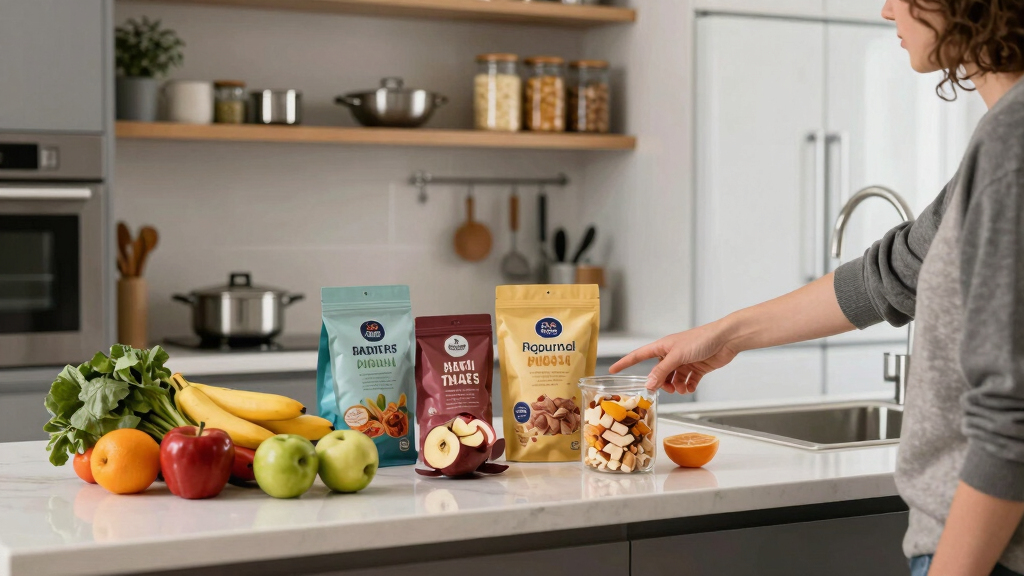
Retailers have significant influence over consumer food choices through product placement and marketing. Experts suggest that making healthy options more visible and attractive can promote better diets, especially in deprived areas.
Supermarkets and retailers are being urged to increase the visibility and attractiveness of healthy food options as part of efforts to combat the influence of junk food advertising and improve public health outcomes. This push comes amid evidence that food marketing significantly impacts consumer choices, especially among children and in deprived communities.
Research indicates that exposure to advertising for foods high in fat, salt, and sugar (HFSS) contributes to unhealthy eating habits and weight gain. Despite bans on HFSS ads on TV before 9pm and online, children still encounter such marketing through billboards and social media, with over half of young people reporting seeing HFSS posts in the past month, according to Cancer Research UK.
Experts highlight that small environmental nudges, such as better product placement and signage, can increase healthier choices. A review of nudge theory found that such interventions can lead to a 15% increase in healthier eating. Retailers like Tesco have already taken steps, such as removing sweets from checkouts and promoting nutritious products through signage and targeted campaigns.
Parita Doshi of Nesta emphasizes that supermarkets, which account for a major share of consumer food purchases, can play a pivotal role in promoting healthy eating by making nutritious foods more visible and affordable. Tesco’s initiatives, including loyalty rewards for fruit and vegetables and clear nutritional signposting, exemplify this approach.
Impact of Improved Food Visibility on Public Health
Enhancing the visibility of healthy foods in retail environments could significantly influence consumer choices, potentially reducing obesity rates and diet-related health issues. Given that most purchase decisions are made in-store, strategic product placement and marketing can serve as effective tools to promote better nutrition across the population, especially in socioeconomically deprived areas where unhealthy food advertising is more prevalent.
healthy food signage for supermarkets
As an affiliate, we earn on qualifying purchases.
As an affiliate, we earn on qualifying purchases.
Current Food Marketing and Policy Measures in the UK
The UK has implemented restrictions on HFSS advertising aimed at children, yet exposure persists through other channels like billboards and social media. Studies show that children and young adults are highly influenced by online food marketing, which correlates with increased calorie intake. Retailers have begun adopting healthier marketing practices, but a comprehensive, industry-wide approach remains in development.
Recent reports highlight that a significant proportion of unhealthy food advertising occurs near schools, particularly in deprived neighborhoods, raising concerns about targeted marketing and health inequalities. Initiatives by supermarkets like Tesco demonstrate a shift toward promoting nutritious options proactively.
“Supermarket food makes up the majority of the calories people buy, so grocery retailers can play an outsize role in making healthier options more visible and affordable.”
— Parita Doshi, Nesta
fruit and vegetable loyalty rewards
As an affiliate, we earn on qualifying purchases.
As an affiliate, we earn on qualifying purchases.
Uncertainties in Policy Impact and Industry Adoption
It remains unclear how widely and quickly retailers will adopt enhanced visibility strategies for healthy foods across different regions and store types. The long-term effectiveness of such interventions in changing consumer behavior and reducing obesity rates is still under study. Additionally, the impact of upcoming regulations on food marketing and whether they will sufficiently curb exposure to unhealthy food advertising is uncertain.
As an affiliate, we earn on qualifying purchases.
Next Steps for Food Marketing and Retailer Strategies
Policymakers are expected to consider further regulations on food advertising and in-store marketing practices. Retailers and industry bodies will likely expand initiatives that promote healthy choices, including increased signage, product placement, and loyalty incentives. Monitoring and evaluating these efforts will be crucial to understanding their impact on public health outcomes.
As an affiliate, we earn on qualifying purchases.
Key Questions
How can supermarkets make healthy foods more attractive to shoppers?
Supermarkets can improve visibility through strategic product placement, clear nutritional signage, end-of-aisle displays, and targeted promotions of healthy items, encouraging consumers to choose nutritious options more often.
Are current policies enough to limit junk food advertising?
While recent bans on HFSS ads on TV and online have reduced exposure, children still encounter marketing through other channels like billboards and social media. Additional measures and stricter regulation may be needed to fully address the issue.
What role do retailers have in reducing health inequalities?
Retailers can help by making healthy foods more affordable and accessible, especially in deprived areas, and by promoting nutritious choices through signage, pricing strategies, and targeted campaigns.
Will these initiatives significantly impact obesity rates?
The potential exists, but long-term data is needed to confirm whether increased visibility of healthy foods leads to meaningful reductions in obesity and diet-related health issues.
Source: Guardian Life
Halloween Picks
halloween
As an affiliate, we earn on qualifying purchases.





![Eating Out [Grickle]](https://unpluggedkitchen.com/wp-content/uploads/2026/10/eating-out-grickle-featured-260x140.jpg)