
TL;DR

Get kitchen gear delivered free with Prime
- Fast, free delivery on millions of items
- Prime Video, Amazon Music and more included
- Member-only deals all year
Caring for heirloom copper cookware means gentle cleaning, regular polishing, and careful storage. Proper maintenance preserves its shine, patina, and value for decades.
Heirloom copper cookware isn’t just a cooking tool; it’s a piece of history. Its warm, glowing hue and intricate craftsmanship tell stories of family kitchens and centuries-old craftsmanship. But it’s also delicate, demanding a mindful touch to keep it looking and working its best.
If you want your copper pieces to shine bright and serve well into the future, understanding proper care is essential. This guide unpacks how to clean, polish, and store your copper with practical tips rooted in real-world experience—no hype, just durability and skill.
Use gentle, natural cleaners like lemon juice and salt to remove tarnish without damaging the surface.
Polish regularly but avoid over-polishing to preserve the natural patina and antique value.
Store copper in dry, padded, or hanging setups to prevent tarnish and dents.
Handle with care using wooden or silicone utensils, especially on lined surfaces.
Re-tinning by a professional can restore worn linings and prolong your copper’s life.
How to Clean Copper Without Damaging It
Cleaning copper isn’t about harsh scrubbing. It’s about gentle, effective methods that remove tarnish without stripping away the patina or scratching the surface.
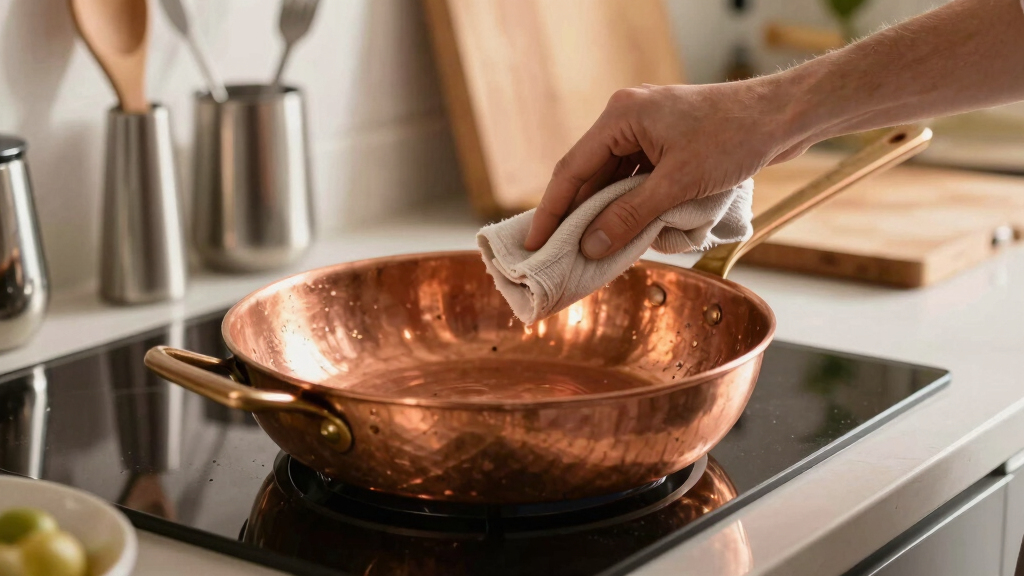
Start with a simple homemade mix: lemon juice or vinegar combined with salt. Rub it onto the tarnished surface with a soft cloth or sponge. Rinse thoroughly and buff dry for a bright, clean shine. For stubborn spots, you might need to repeat once or twice.
Commercial copper cleaners are also available. Choose ones labeled for delicate surfaces, and follow the instructions carefully. Always avoid abrasive scrubbers—steel wool or harsh pads can scratch or gouge the metal, ruining the heirloom’s appearance.
Why it matters: Gentle cleaning preserves the delicate patina that develops naturally on copper over time. This patina isn’t just aesthetic; it acts as a protective layer that prevents further corrosion. Using abrasive tools or harsh chemicals can strip this layer, exposing fresh metal that tarnishes more quickly and diminishes the antique charm of your piece. Over time, aggressive cleaning can lead to loss of detail, uneven coloration, or even structural damage, which compromises both beauty and value. Therefore, understanding the balance between cleaning for appearance and preserving the integrity of the surface is crucial for maintaining heirloom quality.
As an affiliate, we earn on qualifying purchases.
How to Properly Polish Your Copper for a Bright Finish
Polishing keeps copper vibrant and enhances its natural glow. Natural options like a paste of baking soda and water or lemon and salt work well, especially for routine upkeep.
For a more polished look, apply a commercial copper polish with a soft cloth. Work in small circles, then buff to a gleam. Remember, frequent polishing can wear down the surface and diminish the natural patina that many collectors cherish.
Why it matters: Regular polishing not only restores the shine but also helps remove oxidation layers that can form unevenly, which might cause discoloration or dullness. However, over-polishing can erode the surface, reducing the depth and richness of the patina that gives heirloom copper its character. Striking a balance between maintaining shine and preserving age-related beauty is key—overdoing it can turn a cherished vintage piece into a shiny, but less authentic, artifact. Excessive polishing can accelerate surface wear, diminish historical patina, and ultimately reduce the collectible or sentimental value of your piece. Recognizing when to polish and when to let the patina age naturally is essential for long-term preservation.
Example: If you notice your copper pot developing a dull, grayish hue, a quick polish with lemon and salt restores its warmth. This simple step revives the vintage charm without overdoing it, maintaining a balance between appearance and authenticity.
natural copper polish for heirloom pots
As an affiliate, we earn on qualifying purchases.
As an affiliate, we earn on qualifying purchases.
Best Ways to Store Copper to Avoid Tarnish & Dents
Proper storage is the secret to preventing tarnish and keeping your copper looking pristine. Copper reacts quickly to moisture and air, so dry storage is key.
Hang your pieces using leather or cloth strips, or stack with felt pads between them. Avoid stacking directly on metal surfaces that can scratch or dent the delicate edges.
For long-term storage, wrapping with anti-tarnish cloths or storing in a dry, sealed environment can slow oxidation and preserve that warm glow.
Why it matters: Copper’s tendency to tarnish is accelerated by exposure to humidity and pollutants in the air. Without proper storage, even the most carefully cleaned copper can develop discoloration or surface damage. Dents and scratches occur more easily if pieces are stored improperly or stacked without padding, which can compromise the structural integrity and aesthetic appeal over time. Thoughtful storage choices extend the lifespan of your heirloom and maintain its value. Improper storage can also lead to uneven tarnishing or corrosion, which might be difficult to clean or restore later. Investing in correct storage solutions ensures your copper remains both beautiful and structurally sound for generations.
Imagine a vintage saucepan hanging in a cool cellar, its deep copper hue catching the dim light—careful storage keeps it shining like that for decades.
As an affiliate, we earn on qualifying purchases.
Using and Handling Copper Carefully to Keep It Beautiful
Copper conducts heat quickly and evenly, but it’s also soft and prone to dents or scratches. Using the right utensils and handling with care keeps your pieces looking their best.
Opt for wooden, silicone, or plastic tools. Metal utensils can scratch the lining or surface—especially if it’s lined with tin or stainless steel.
When cooking, keep an eye on temperature. High heat can damage linings, especially tin, which is delicate and wears over time. Gentle heat and mindful handling extend the life of your heirloom.
Why it matters: Using inappropriate utensils or rough handling can cause scratches, dents, or even compromise the integrity of linings that protect the copper core. These damages not only affect appearance but can also impact cooking performance and safety. Choosing gentle tools and handling with care ensures your copper remains both beautiful and functional for generations. Damage from mishandling can be costly to repair, and neglecting proper handling can accelerate deterioration, reducing the lifespan and value of your heirloom pieces. Proper techniques preserve both aesthetic appeal and structural integrity, ensuring your copper cookware remains a treasured heirloom for years to come.
Scenario: You’re searing a steak in a copper pan. Using a wooden spatula instead of metal prevents scratches, preserving the shiny surface for years to come.
As an affiliate, we earn on qualifying purchases.
Re-tinning and Restoring Worn Linings—What You Need to Know
Many heirloom copper pieces are lined with tin or stainless steel, which can wear out over time. Re-tinning restores the cookware’s safe, smooth interior.
If you notice peeling or dull spots, it’s time for re-tinning. Professionals can reapply a thin layer of tin through specialized processes, often for less than the cost of buying new cookware.
Why it matters: Worn linings can expose the copper core to food acids, which may cause corrosion or discoloration, and can even pose health risks if the lining is compromised. Re-tinning not only restores the aesthetic finish but also ensures safe, non-reactive cooking surfaces. It’s a preservation step that maintains both the functionality and value of your heirloom. Regular inspection of linings helps catch issues early, preventing more costly repairs or replacements down the line. Neglecting worn linings can lead to copper leaching into food, which can be toxic or alter flavors, and diminish the piece’s overall worth. Re-tinning is an investment in safety, longevity, and preserving the original craftsmanship of your cherished cookware.
Example: After 30 years of use, a copper sauté pan’s lining wore thin. Re-tinning brought it back to life, making it safe and functional again.
Latest Trends in Copper Care: Eco-Friendly & Restoration Techniques
Recent developments focus on eco-friendly cleaning options and accessible restoration services. Natural cleaners with plant-based ingredients are growing in popularity, reducing environmental impact.
Re-tinning services have become more affordable and widespread, making vintage preservation easier. Some manufacturers now offer protective coatings that slow tarnishing, though many purists prefer the natural patina that develops over time.
Why it matters: Embracing eco-friendly methods minimizes harmful chemical use, which is better for the environment and safer for your family. Additionally, advances in restoration techniques make it more feasible to maintain and preserve heirloom pieces without replacing them. This democratization encourages more owners to care deeply for their copper, ensuring its legacy endures. For collectors and enthusiasts, staying informed about these trends can mean better preservation choices and a more sustainable approach to heirloom maintenance.
Frequently Asked Questions
How do I remove tarnish from my copper cookware without damaging it?
Use a gentle mix of lemon juice or vinegar combined with salt. Rub softly with a cloth, rinse thoroughly, and buff dry. Avoid harsh abrasives, which can scratch or dull the surface.
Can I use my copper cookware on induction stoves?
Copper alone isn’t magnetic, so it won’t work directly on induction. Look for copper cookware with a magnetic base or an induction-compatible layer underneath for best results.
How often should I polish or clean my copper cookware?
Every few months is enough for routine maintenance, but if you notice dullness or tarnish, a quick polish restores its glow. Regular cleaning helps prevent build-up and keeps it looking vibrant.
What should I do if the tin lining wears out?
Seek a professional re-tinning service. DIY re-tinning involves hazardous materials and high heat, so it’s safer and more effective to have an expert restore the lining to keep your piece safe and functional.
Is it safe to cook with tarnished copper?
Generally, tarnish is just oxidation and safe. But if the lining is compromised or residues are present, it’s best to clean or have it reconditioned before use to ensure safety and performance.
Conclusion
Your heirloom copper cookware isn’t just a pretty face—it’s a durable piece of history that can last for generations. Proper care, gentle cleaning, and mindful handling keep that warm, glowing hue alive, turning everyday cooking into a ritual of preservation.
Think of your copper as a living artifact. Treat it with respect, and it will reward you with decades of service and character-rich patina. A little effort today keeps your heirloom shining tomorrow—don’t let it fade into a memory.
Halloween Picks
halloween
As an affiliate, we earn on qualifying purchases.

![Eating Out [Grickle]](https://unpluggedkitchen.com/wp-content/uploads/2026/10/eating-out-grickle-featured-260x140.jpg)