TL;DR

Get kitchen gear delivered free — and shop member deals
- Fast, free delivery on millions of items
- Access to Prime Big Deal Days deals on October 6–7
- Prime Video, Amazon Music and more included
You can process and preserve food without power using basic hand tools like grinders, knives, and presses. These methods are sustainable, cost-effective, and perfect for off-grid living or emergencies. Manual techniques also deepen your food knowledge and self-reliance.
Imagine a world where your kitchen is silent—no hum of appliances, no electric buzz. Instead, you feel the textured grip of a hand mill turning grain into flour or the satisfying snap of a fresh vegetable knife. That world exists, and it’s rooted in simple, proven tools that don’t rely on power.
Whether you’re off-grid, prepping for emergencies, or just want to reconnect with traditional food skills, manual food processing is your best friend. It’s about independence, durability, and mastering your food through craftsmanship. In this guide, you’ll discover what tools and techniques are worth your time—and how they can transform your food prep routine.
Choose durable, ergonomic manual tools suited to your needs—like hand mills and presses—for reliable food prep.
Follow simple, step-by-step processes—like preparing ingredients, selecting tools, and processing—to make manual food prep straightforward.
Compare manual and electric tools to understand when manual methods are best—especially off-grid or in emergencies.
Learn preservation techniques like fermentation and drying to extend food shelf life without power.
Use batching and ergonomic strategies to process large quantities without excessive fatigue or time loss.
What Are the Key Manual Tools for Food Prep?
Manual tools are the backbone of off-grid kitchens. Think of them as your trusty sidekicks—simple, durable, and effective.
Here’s what you need:
- Hand mills and grinders: These tools are vital because they allow you to process staple foods like grains and nuts on demand, which is crucial for maintaining a healthy, self-sufficient diet. Unlike pre-packaged foods, freshly ground flour or meal retains more nutrients and flavor, supporting better health and culinary flexibility. Their durability ensures long-term use, but they require physical effort, which can be a tradeoff—meaning you need to balance your energy with your needs. Choosing a well-made mill can mean decades of reliable service, but it also encourages physical activity, which can be beneficial or tiring depending on your situation.
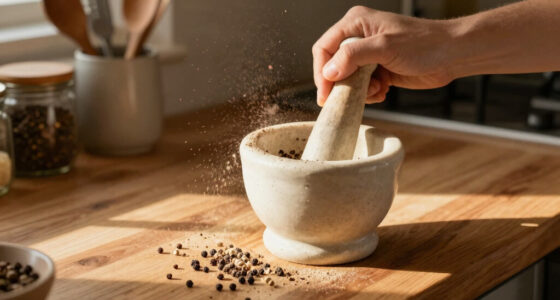
- Mortar and pestle: While seemingly simple, this tool excels at extracting intense flavors and aromas from spices, herbs, or small batches of ingredients. The grinding action releases essential oils and compounds that enhance your dishes and preserve their qualities. This method emphasizes control over texture and flavor, which is vital when you want to maximize the quality of preserved foods like spice blends or pastes. However, mortar and pestles are labor-intensive for larger quantities, making them best suited for small, flavor-rich batches—understanding this helps you plan your workflow efficiently.
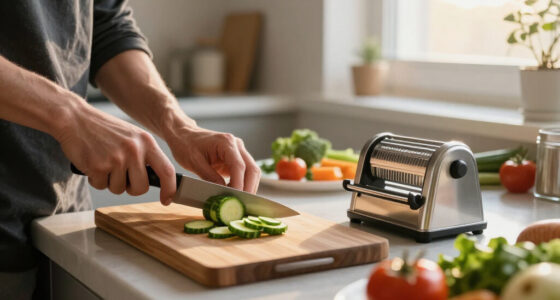
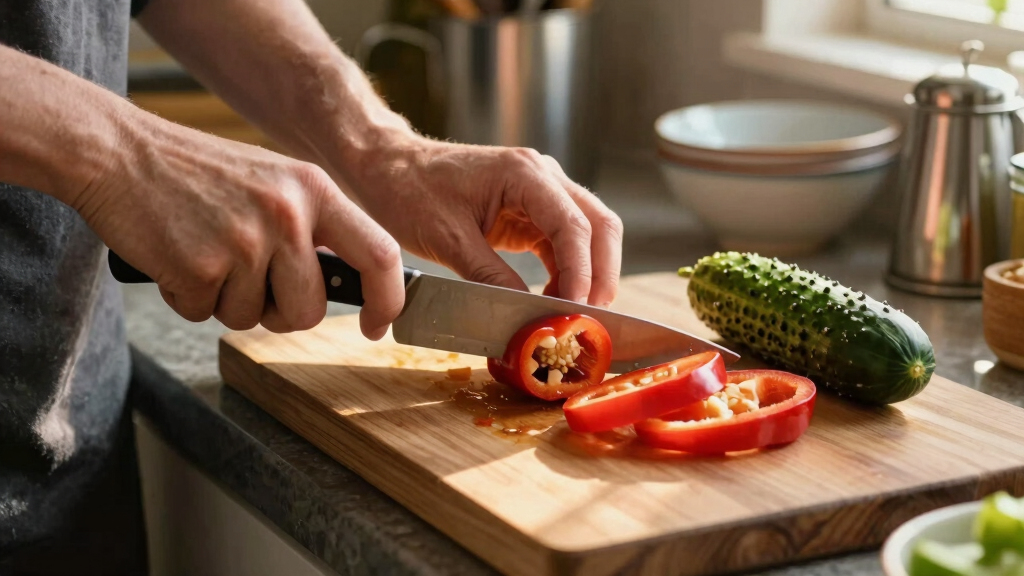
- Manual knives and choppers: Sharp, sturdy knives facilitate safer, cleaner cuts, which directly impact the quality and safety of your food. Properly maintained knives reduce prep time and fatigue, especially when working with hard or fibrous foods. The choice of knife influences your efficiency—an ergonomic design can prevent strain during prolonged use, which is critical in manual food prep where fatigue can lead to accidents or compromised technique. These tools are versatile, but their effectiveness depends on maintenance and skill, underscoring the importance of proper care.
- Manual presses: Devices like citrus juicers or nut butter presses are more than just gadgets—they are essential for maximizing extraction and minimizing waste. A manual press allows you to efficiently get the most out of your ingredients without electricity, which is especially important in off-grid or emergency contexts. The tradeoff is that pressing large amounts can be laborious, so understanding how to use these tools efficiently can save time and effort. For example, a well-designed citrus press can extract juice quickly, reducing the physical strain involved in manual squeezing.
- Preservation tools: Manual canners, drying racks, and fermentation jars are crucial for extending shelf life and flavor. They provide independence from electricity, allowing you to preserve your harvest year-round. Choosing the right method depends on your climate, available space, and the type of food—each has different implications for safety, flavor, and storage. For instance, drying herbs in a well-ventilated space prevents mold, but over-drying can diminish flavor; fermentation jars require careful temperature control but develop complex flavors and beneficial probiotics. These tools empower you to create a resilient pantry, but understanding their limitations and tradeoffs ensures safe, effective preservation.
For example, a simple hand-crank grain mill can process 2-3 cups of flour in about 5 minutes, enough for a loaf of bread. Selecting tools that match your physical strength and capacity—while considering durability—ensures sustainable, efficient food processing that can serve you for years.
As an affiliate, we earn on qualifying purchases.
How to Process Food Manually in 3 Simple Steps
Manual food processing might seem daunting, but these three steps make it straightforward.
- Prepare your ingredients: Wash, peel, or cut as needed. For grains, measure your amount. Proper preparation reduces processing time and ensures safety, especially when dealing with wild or stored foods. Skipping this step can lead to contamination or inefficient processing, which might spoil your efforts or pose health risks.
- Choose your tool: Select your grinder, knife, or press based on the task. Matching the tool to the ingredient and desired outcome improves efficiency and minimizes fatigue. For example, using a heavy-duty grinder for grains saves time, while a delicate mortar is better for spices. This strategic choice helps you work smarter, not harder, reducing physical strain and improving the quality of your end product.
- Process and preserve: Grind, chop, press, or ferment. Clean and store your finished product properly. The preservation method you choose impacts flavor, texture, and shelf life—knowing the strengths and limitations of each ensures your food remains safe and tasty. For instance, fermenting vegetables creates probiotics and develops complex flavors, but requires proper temperature control to prevent spoilage. Proper cleaning and storage are crucial to prevent contamination and extend shelf life.
For example, making fresh apple cider with a manual press involves washing apples, chopping them into quarters, then pressing to extract juice. It takes about 10 minutes and yields fresh, flavorful cider. This process illustrates how combining proper preparation, suitable tools, and correct preservation techniques can yield high-quality food with minimal equipment—highlighting the importance of understanding each step’s implications for safety and quality.
As an affiliate, we earn on qualifying purchases.
Comparison Table: Manual vs Electric Food Processing Tools
| Feature | Manual Tools | Electric Tools |
|---|---|---|
| Power source | Hand-powered, no electricity needed | Electric or motorized |
| Cost | Lower initial investment | Higher upfront cost |
| Speed | Slower, labor-intensive | Fast, high capacity |
| Portability | Highly portable | Limited by power cords or size |
| Durability | Very durable, simple to repair | More complex, prone to breakdown |
| Energy independence | Complete independence | Dependent on electricity |
This table shows that manual tools shine in off-grid or emergency scenarios—where independence, durability, and cost are key. Electric devices excel in speed and large batch processing but depend on power sources. Understanding these tradeoffs helps you choose the right tools for your situation, ensuring resilience and efficiency in your food prep routines.
As an affiliate, we earn on qualifying purchases.
How to Preserve Food Without Electricity: Easy Methods
Preserving food manually is absolutely doable and often more authentic. Fermentation, drying, and canning are your main options—each with its own charm and safety considerations.
- Fermentation: Use jars or crocks, add salt or starter cultures, and let nature do the work. This method not only preserves food but also enhances its nutritional profile through beneficial probiotics. Fermentation relies on natural microbes present in the environment or added through starter cultures. Controlling factors like temperature, cleanliness, and salt concentration is crucial—small deviations can lead to spoilage or unsafe products. When done correctly, fermentation develops complex flavors and beneficial bacteria, making it a powerful tool for health and flavor. It’s a slow process that rewards patience and attention to detail, but the results are deeply satisfying and long-lasting.
- Drying: Sun-dry herbs, fruits, or vegetables on racks or hang in a well-ventilated space. Proper drying prevents mold and spoilage, ensuring long-term storage. The key is to balance drying time—too quick can trap moisture, too slow increases risk of spoilage. Environmental factors like humidity and airflow influence success. Properly dried foods retain most nutrients and intensify flavors, making them ideal for off-grid storage. Understanding your local climate helps optimize this method, which is energy-efficient but weather-dependent.
- Canning: Use a manual water bath or pressure canner to seal your produce in jars. This method creates a sterile environment that kills microbes and spores, allowing food to last months or years. Proper technique involves accurate timing, temperature control, and ensuring jars are sealed correctly. Mistakes can lead to spoilage or dangerous botulism growth, so following tested guidelines is essential. Canning preserves the flavor, texture, and nutritional value of your foods, making it a reliable method for long-term storage. It requires some skill and attention, but when done correctly, it provides a safe, shelf-stable supply of homegrown or foraged foods.
For example, fermenting cabbage into sauerkraut takes about 2 weeks at room temperature, with simple salt and a jar. The fermentation process promotes beneficial bacteria development, creating a tangy, probiotic-rich product that can be stored for months without refrigeration. Understanding the science behind fermentation and drying helps you troubleshoot issues and optimize results, making manual preservation both an art and a science—key skills for resilient food security.
As an affiliate, we earn on qualifying purchases.
Handling Large Batches: Make Manual Food Prep Less Tiring
Processing large quantities by hand can be exhausting. To ease the burden, use strategies like batching, multi-purpose tools, and good ergonomics.
- Batched Processing: Prepare all your ingredients first—wash, peel, and chop in one go—then process in stages. This minimizes switching tools and reduces fatigue, allowing you to work more efficiently over time. It also helps in maintaining consistency across batches, crucial for quality control when preserving or cooking large quantities. Batching reduces the mental fatigue of constant switching, and by doing similar tasks together, you save time and energy, making large projects manageable and less overwhelming.
- Multi-functional Tools: A hand mill that grinds grains and nuts saves space and effort, but also reduces the number of tools you need to clean and maintain. Investing in versatile equipment means you can adapt to various recipes and tasks, streamlining your workflow. This versatility reduces the need for multiple specialized tools, which can be costly and cumbersome, especially when space and resources are limited. It also encourages a more thoughtful approach to tool selection, focusing on durability and multi-use capabilities.
- Ergonomic Techniques: Use tools with comfortable handles, work at waist height, and take regular breaks to prevent fatigue. Proper posture and tool design reduce strain on your hands, wrists, and back, making long processing sessions sustainable. Learning ergonomic practices—like adjusting your workspace or using tools that fit your hand—can prevent repetitive strain injuries and mental fatigue. These strategies ensure you can process large batches efficiently without risking injury or burnout, which is especially important when your food security depends on it.
Imagine processing 10 pounds of tomatoes for sauce. Instead of doing it all at once, dividing the task into smaller batches and using a sturdy, comfortable tomato press can significantly reduce fatigue. Incorporating ergonomic practices and batching not only saves time but also preserves your energy and enthusiasm for food prep, making large-scale manual processing feasible and less daunting.
Frequently Asked Questions
What are the best manual tools for beginners?
Start with a good-quality mortar and pestle, a hand-crank grain mill, and a manual vegetable chopper. These are straightforward, affordable, and versatile for many tasks in food prep.
How much food can I process manually in a day?
It depends on the task and your strength, but a typical batch might be 5-10 pounds of vegetables or grains. For larger quantities, batching and taking breaks can help keep the process manageable.
Are manual preservation methods safe?
Yes, when done properly. Follow tested recipes and techniques—like boiling jars during canning or maintaining proper fermentation conditions—to ensure safety and longevity.
Can manual processing replace electric appliances entirely?
For small-scale, artisanal, or emergency use, yes. Electric tools excel in speed and capacity but lack the independence and resilience of manual methods.
Where can I find quality manual tools and resources?
Look for reputable suppliers of traditional kitchen tools, or explore online communities dedicated to off-grid living and preservation. Many resources also offer tutorials and tips to get started.
Conclusion
Manual food processing isn’t just a fallback—it’s a skill that builds resilience, cuts reliance on power, and deepens your connection with food. Each turn of a hand mill, each jar of fermenting vegetables, is a step toward independence.
Start small, choose the right tools, and embrace the craft. Your off-grid or emergency kitchen will thank you—and so will your sense of self-reliance. Are you ready to turn the handle?
Halloween Picks
halloween
As an affiliate, we earn on qualifying purchases.