TL;DR
Open a free Amazon Business account
Business pricing, bulk buying and tax-exempt orders.
Create a free accountAs an affiliate, we earn on qualifying purchases.
Coring and peeling apples quickly is about selecting the right tools and mastering simple techniques. Using manual peelers, corers, and smart prep tips can cut your time in half—perfect for off-grid kitchens or big batches.
Ever been frustrated by slow, tedious apple prep? Whether you’re baking a pie, making applesauce, or just snacking, speed matters. The good news is, with a few tricks and the right tools, you can halve your prep time.
Forget about complicated gadgets or electric devices—your hands and some simple techniques can do the job faster and more reliably. Let’s break down how to core and peel apples quickly, efficiently, and safely, no matter how many you need.
Use a sharp paring knife or spiral peeler for quick, controlled peeling.
A simple step-by-step method for coring involves pressing and twisting a corer on a stable surface.
Electric peelers and multi-apple tools can halve prep time for large batches.
Stabilize apples and work in consistent motions to prevent slips and fatigue.
Store peeled apples in lemon water or covered containers to keep them fresh longer.
Choose Your Tools for Fast, Precise Apple Prep
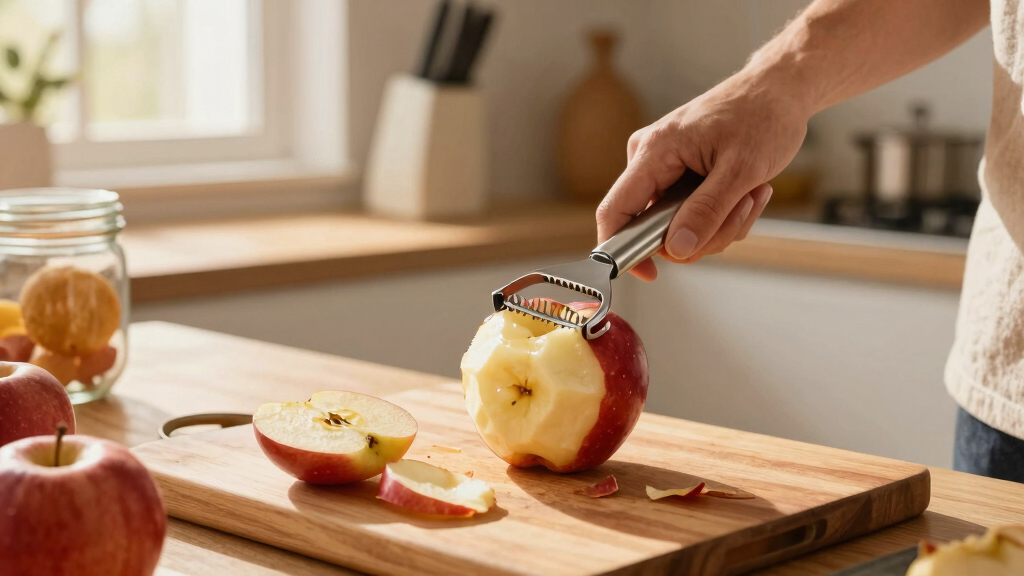
The right tools make all the difference. A good apple corer snaps out the core in a single press, saving you from tedious cutting and reducing waste. A sharp paring knife offers superior control for peeling and detailed work, which is crucial when working with uneven or blemished apples. Manual peelers, like spiral peelers, turn peeling into a quick, almost effortless task, especially when handling multiple apples.
For large batches, consider a multi-apple peeler—a device that spins, peels, and cores several apples simultaneously. This not only speeds up the process but also ensures uniformity. In an off-grid setup, where electric options are limited, a sturdy paring knife paired with a reliable corer is your best bet for durability and speed. Choosing the right tools depends on your volume and the level of precision you need, but investing in sharp, quality hand tools generally pays off in time saved and safety.
As an affiliate, we earn on qualifying purchases.
Master the Quick Technique for Peeling Apples
Peeling apples fast comes down to technique. Starting with a sharp paring knife or a spiral peeler allows you to work efficiently without slipping or wasting effort. Grip the apple firmly, work from top to bottom, and move in a smooth spiral or straight line—this consistency keeps the peel thin and even, reducing waste and speeding up the process. The key is maintaining control; a loose grip or uneven pressure can slow you down or cause slips, increasing safety risks.
When working with larger batches, stabilizing the apple with your non-dominant hand and peeling with confident, continuous strokes ensures faster, safer results. Over time, developing a fluid motion reduces fatigue and increases speed. For example, a friend of mine found that peeling in a spiral motion cut her prep time in half compared to random strokes—this technique minimizes unnecessary movements and keeps the process smooth. The tradeoff is that it requires a bit of practice to develop the muscle memory for fast, controlled peeling, but once mastered, it becomes second nature and significantly improves efficiency.
As an affiliate, we earn on qualifying purchases.
How to Core Apples in 3 Easy Steps
- Place the apple upright on a stable surface, ensuring it won’t wobble during coring. This stability is crucial for accuracy and safety, especially when applying pressure.
- Align the apple corer with the top of the apple, centering it over the core. Using a consistent angle ensures the core is removed cleanly, minimizing waste and avoiding damage to the apple flesh.
- Press down firmly and twist if needed—core pops out cleanly. If the apple isn’t perfectly round or the core doesn’t align, gently use a paring knife to trim any remaining bits. This extra step ensures the apple is fully prepared and reduces the risk of uneven pieces in your final batch.
Ensuring the apple is firm before coring is critical; soft apples tend to squish or slip, making the process messier and less precise. Practicing proper placement and applying consistent pressure leads to faster, more reliable results, especially when processing multiple apples in succession. The tradeoff with this straightforward method is that softer apples require more delicate handling, but with a steady hand, you can work quickly and accurately across all your apples.
As an affiliate, we earn on qualifying purchases.
Compare Hand Tools for Apple Peeling and Coring
| Tool Type | Speed | Control | Best for |
|---|---|---|---|
| Paring Knife | Moderate | High | Detail work, small batches |
| Spiral Peeler | Fast | Moderate | Continuous peeling, quick prep |
| Electric Apple Peeler | Very fast | Low to Moderate | Large batches, off-grid automation |
| Apple Corer | Quick | High | Removing cores efficiently |
Choosing the right tool depends on your batch size and how much speed you need. Manual tools like paring knives and spiral peelers are excellent for small to medium batches, offering control and precision. For larger batches or off-grid situations, electric peelers and multi-apple corers can drastically reduce prep time, but they require initial investment and some space. Understanding the tradeoffs—speed versus control—helps you select the best setup for your needs, making the process both efficient and safe.
sharp paring knife for peeling apples
As an affiliate, we earn on qualifying purchases.
As an affiliate, we earn on qualifying purchases.
Pro Tips to Cut Your Apple Prep Time in Half
- Keep your tools razor-sharp. Dull blades slow you down and increase the risk of slips and accidents. Regularly sharpening your knives ensures clean cuts that reduce effort and improve safety.
- Stabilize apples with a damp cloth or non-slip mat. This prevents slipping, especially when applying pressure with a corer or peeling, which can cause mishaps or uneven cuts.
- Work on a sturdy, flat surface. A stable workspace minimizes fatigue and improves control, allowing you to work faster without sacrificing safety.
- Develop a consistent peeling pattern—whether spiral or straight. Consistency minimizes wasted motion and keeps your hands moving smoothly, which saves time over multiple apples.
- Prepare multiple apples at once—line them up or stack them—so you can switch between peeling and coring tasks seamlessly. Batch processing reduces downtime and keeps your momentum going.
Example: A home cook found that stacking apples and peeling them in a row cut her prep time from 15 minutes to under 8 minutes for 10 apples. This method leverages batching and flow, emphasizing efficiency through simple adjustments that have a big impact over time.
What to Do After Peeling and Coring to Keep Apples Fresh
Once apples are peeled and cored, they are exposed to air, which causes enzymatic browning—a process that can quickly ruin their appearance and texture. To slow this process, submerge peeled slices in a bowl of water with a splash of lemon juice. The acidity of lemon inhibits oxidation, preserving color and texture for longer periods.
For batch prep, lay peeled apples on a tray lined with a damp cloth, then cover tightly with plastic wrap or a lid. Store in a cool, shaded area if you’re not using them immediately. This method minimizes exposure to air and light, which are primary contributors to browning and spoilage. Understanding these preservation techniques helps ensure your apples stay fresh, vibrant, and ready for use, reducing waste and maintaining quality during your prep process.
Example: A friend kept her apple slices fresh for hours during a picnic by soaking them in lemon water and keeping them cool in a shaded spot, demonstrating practical application of these preservation methods to extend freshness and prevent spoilage.
Frequently Asked Questions
What is the fastest way to peel apples?
Using an electric apple peeler or a spiral peeler is generally the quickest method. These tools can peel an apple in under 10 seconds, especially if you practice steady, confident motions.Can I peel and core apples in one step?
Yes, some electric peelers come with coring attachments that remove the core as they peel. These devices are perfect for large batches and save a lot of prep time.What tools are best for peeling apples quickly?
Spiral peelers, electric peelers, and sharp paring knives are your best options. Spiral peelers are especially fast and produce even, thin strips, reducing overall effort.How do I prevent apples from browning after peeling?
Submerge peeled slices in a mixture of water and lemon juice to slow oxidation. This simple step keeps apples looking fresh for hours.Are there safety tips I should keep in mind?
Always keep your blades sharp, work on stable surfaces, and keep fingers clear of blades to avoid cuts. Practice slow, controlled motions until you’re confident.Conclusion
Mastering quick coring and peeling is all about combining the right tools with steady technique. A few simple habits—keeping blades sharp, working on stable surfaces, and prepping in batches—can turn a tedious task into a swift, manageable routine.
Think about the next time you’re faced with a pile of apples. With these tips, you’ll breeze through prep, leaving more time for baking, cooking, or just enjoying their fresh, vibrant flavor.
Flea & tick season Picks
flea and tick prevention
As an affiliate, we earn on qualifying purchases.