
TL;DR

Get kitchen gear delivered free — and shop member deals
- Fast, free delivery on millions of items
- Access to Prime Big Deal Days deals on October 6–7
- Prime Video, Amazon Music and more included
Hand tools in a modern kitchen provide superior control, last for decades, and are eco-friendly. Recent innovations make them more versatile and durable, proving their lasting relevance for both home and professional cooks.
Imagine slicing a ripe tomato with a dull knife or zesting citrus by hand. That vivid, tactile connection to your ingredients can’t be matched by electric gadgets. Hand tools turn simple tasks into artful acts, blending control with craftsmanship. Today, even as kitchens fill with shiny appliances, these humble tools remain the backbone of good cooking.
In this guide, you’ll see why hand tools still matter—and how recent design and material innovations boost their performance. Whether you’re off-grid, eco-conscious, or just love the feel of a well-made knife, understanding their value can transform your kitchen routine.
High-quality hand tools offer unmatched control and precision, especially for delicate tasks.
Investing in durable, well-made tools saves money and reduces waste over time.
Modern innovations improve grip, materials, and versatility, making hand tools more effective than ever.
Proper care extends the lifespan of your tools, turning them into lifelong kitchen companions.
Hand tools are eco-friendly, require no power, and suit off-grid living or sustainable kitchens.
Why Hand Tools Offer Unmatched Precision and Control
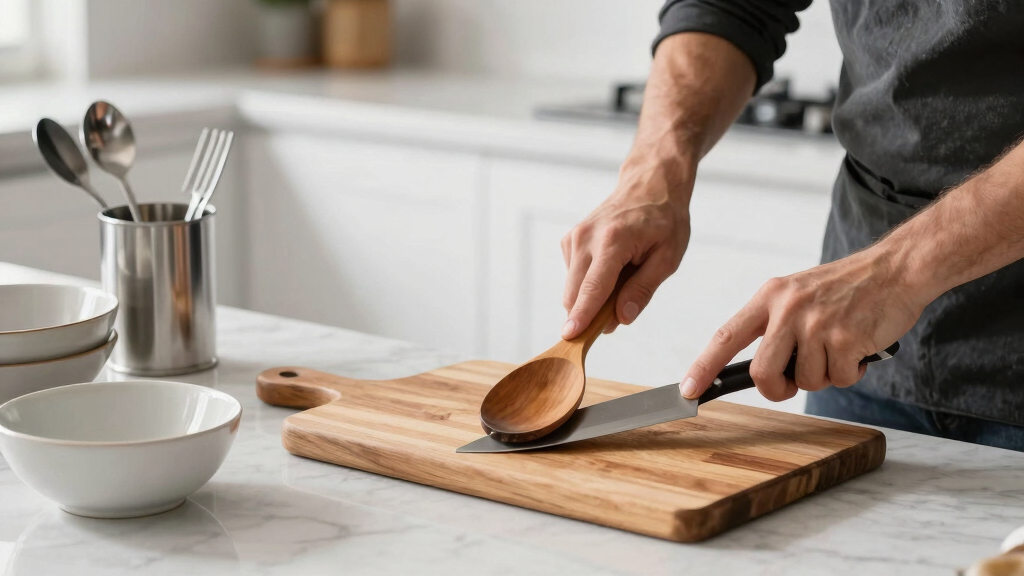
Hand tools like knives, peelers, and graters give you the finesse electric devices often can’t match. For example, slicing a ripe heirloom tomato with a sharp paring knife lets you control the thickness, preventing crushing or uneven cuts. This level of control is crucial because it directly impacts the final presentation and texture of your dish. A perfectly sliced tomato can elevate a simple salad, while uneven cuts might lead to a less appealing appearance or inconsistent cooking.
Beyond aesthetics, precise control ensures you preserve the integrity of delicate ingredients, reducing waste and maximizing flavor. The tradeoff, however, is that mastering these tools requires skill and attention, which might have a learning curve. But once mastered, they offer a level of finesse that electric gadgets often can’t replicate. Moreover, the tactile feedback from hand tools allows cooks to adjust their technique instantly, leading to better results and a deeper understanding of the ingredients.
Because these tools respond directly to your touch, they foster a more mindful cooking process—transforming routine prep into an engaging craft that encourages experimentation and skill development. This deep connection can make cooking more satisfying and elevate everyday meals into culinary expressions.
As an affiliate, we earn on qualifying purchases.
Cost-Effective and Built to Last
Think about the initial investment—many high-quality hand tools cost less over their lifetime than replacing cheap electric devices. A solid chef’s knife, for instance, might cost between $50 and $150, but with proper care, it can serve you for several decades. This longevity means fewer replacements, less waste, and ultimately a better value. The tradeoff is that high-quality tools often require some maintenance—regular sharpening and proper cleaning—but these routines are straightforward and extend the life of your investment.
Durability is a significant advantage, especially when you consider the materials used—stainless steel, carbon steel, responsibly sourced wood, and recycled metals. These materials resist wear and corrosion, maintaining their performance over time. For example, a vintage corkscrew I inherited has performed flawlessly for years, demonstrating that well-made tools can become heirlooms.
This durability not only saves money but also reduces environmental impact by minimizing waste. Plus, fewer replacements mean fewer resources consumed in manufacturing and shipping. The tradeoff is that initial costs can be higher, but the long-term savings and sustainability benefits make this investment worthwhile for most serious cooks.
As an affiliate, we earn on qualifying purchases.
Why Durability and Longevity Matter in Your Kitchen
Durability isn’t just about saving money; it’s a crucial factor in sustainable cooking. When you invest in a high-quality hand tool, you’re choosing an item that can serve your family for generations, reducing the cycle of disposal and replacement endemic to many electric appliances. For instance, a well-crafted carving knife can become a family heirloom, carrying stories and tradition through time. This longevity encourages a mindset of mindful consumption, where quality and care take precedence over cheap disposables.
Fewer broken or dull tools mean less interruption during meal prep. A dull electric grinder can stall your progress, forcing you to stop and replace parts or buy new devices. In contrast, a sharpened hand chopper remains reliable, ensuring smooth workflow and consistent results. The recent innovations—like ceramic blades and recycled metals—enhance durability further, making tools more resistant to damage and environmental wear. This not only benefits your kitchen but also aligns with eco-conscious values by reducing waste and resource consumption.
In essence, investing in durable hand tools supports a more sustainable kitchen environment—less waste, fewer replacements, and a smaller carbon footprint—while also providing reliable performance through the years.
As an affiliate, we earn on qualifying purchases.
Safety and Ease of Use: Why Hand Tools Are Often Safer for Beginners
Many people fear electric appliances because of potential injuries or malfunctions. Hand tools, when used properly, are often safer—fewer moving parts, no electrical risk. For example, a simple vegetable peeler is less likely to cause cuts compared to a mandoline with a sharp guard, especially for beginners still developing technique. The tradeoff is that improper use or dull blades can still pose risks, so understanding proper technique is essential. Learning to hold a knife correctly or grip a manual grinder firmly reduces the chance of slips and accidents, fostering confidence and safety in the kitchen.
Manual tools also provide immediate tactile feedback—if the tool feels resistant or unstable, you can adjust your grip or technique instantly. This responsiveness allows you to develop safer habits, avoiding injuries that sometimes happen with electric tools when they unexpectedly jam or jerk. The tradeoff here is that manual tools often require more deliberate effort, which might be tiring during long prep sessions, but this physical engagement can also promote better technique and awareness, ultimately enhancing safety and control.
In sum, manual tools, used with proper technique, reduce electrical and mechanical risks and encourage safer, more mindful cooking practices—especially valuable for beginners or those seeking a more tactile connection to their food.
As an affiliate, we earn on qualifying purchases.
Eco-Friendly and Energy-Free: Why Hand Tools Align With Green Cooking
Hand tools run on human power—not electricity—making them inherently eco-friendly. No energy bills, no carbon footprint. For example, grinding fresh spices with a mortar and pestle not only conserves energy but also enhances flavor and aroma, since manual grinding retains more essential oils than electric grinders which can generate heat and degrade delicate compounds. The tradeoff is that manual methods may take more time and effort, but many cooks find the process more satisfying and connected to tradition. Reducing energy use is a simple yet impactful way to lower your household’s environmental footprint, especially when scaled across a busy kitchen or an off-grid setup.
Additionally, manual tools don’t produce noise or heat, which helps preserve the freshness and flavor of ingredients. They also avoid the environmental costs associated with manufacturing and disposing of electric appliances. For off-grid living or eco-conscious households, hand tools are not just practical—they’re essential, aligning with principles of sustainability and low-impact living.
The tradeoff is that manual tools require physical effort and skill, but for many, this tradeoff is a small price for the benefits of sustainability, control, and a more mindful cooking experience.
Recent Innovations Making Hand Tools Better Than Ever
Modern hand tools now incorporate high-tech materials like ceramic blades, titanium coatings, and recycled metals. These materials boost performance and lifespan. For example, ceramic knives stay sharp longer and resist staining, making prep easier and cleaner. The tradeoff is that ceramic blades can be more brittle, so they require careful handling, but their benefits often outweigh this concern for everyday use. Ergonomic design is another game changer. Handles now fit the hand perfectly, reducing fatigue during long prep sessions. I’ve noticed that a well-shaped handle makes slicing carrots faster and less tiring, allowing for more precise cuts over extended periods. Hybrid tools—like manual coffee grinders with electric assist—offer versatility, giving users options depending on the task or energy level. Compact, space-saving designs fit into small kitchens or minimalist setups, making them practical for urban dwellers or those with limited storage. Eco-friendly manufacturing practices, with recycled or responsibly sourced materials, are now more common too. These innovations combine to make hand tools more effective, durable, and aligned with modern values of sustainability and efficiency.
The Essential Hand Tools Every Home Cook Needs
Starting your hand tool collection? Focus on these essentials:
- A high-quality chef’s knife
- A paring knife
- A vegetable peeler
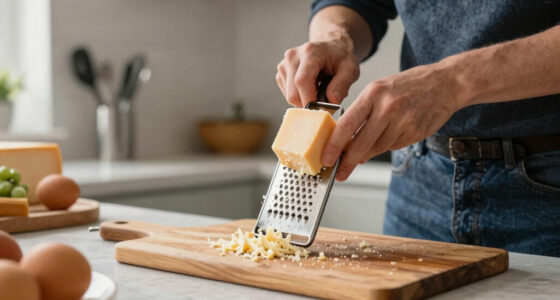
- A grater (box or microplane)
- A mortar and pestle
- A manual can opener
Each of these tools plays a vital role in enabling precise, efficient prep work. For instance, a good chef’s knife allows for effortless slicing and chopping, reducing fatigue and improving accuracy. A mortar and pestle not only grind spices but also release more aromatic oils than electric grinders, enhancing flavor profiles. The tradeoff with these basics is that they require some skill to use effectively, but once mastered, they significantly improve your cooking experience and outcomes. Investing in quality versions of these tools ensures durability and performance over decades, making them worthwhile additions to any kitchen.
Can Hand Tools Replace Electric Appliances? Here’s When They Do
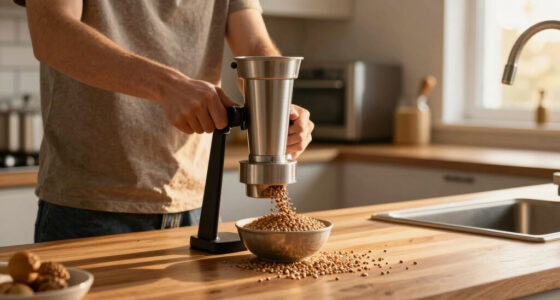
For many tasks, hand tools can do the job just as well—sometimes better—by offering superior control and finesse. For example, a manual garlic press or hand-crank grinder can produce perfectly minced garlic or ground spices without the mess or noise of electric versions. The tradeoff is that manual tools often require more physical effort and time, which might be a consideration for large-scale meal prep or busy commercial kitchens. Electric appliances excel at volume and speed, making them indispensable in certain contexts. The key is understanding when precision and sustainability are more important than speed. For small households or off-grid settings, reliance on hand tools can be entirely practical, reducing dependency on electricity and promoting a more mindful, connected cooking process. The tradeoff here is balancing effort against convenience, with many cooks appreciating the control and eco-friendliness manual tools provide.
Eco-Friendly Options and How to Care for Your Hand Tools
Many brands now produce sustainable hand tools—think recycled metals, responsibly sourced wood, and biodegradable coatings. Choosing eco-friendly tools reduces your environmental impact and supports responsible manufacturing practices. Proper care extends their lifespan significantly. Clean your tools after each use with mild soap and water, avoiding harsh chemicals that can degrade materials. Regularly sharpen blades using appropriate sharpening stones or rods to maintain cutting efficacy. Store them in a dedicated block, sheath, or magnetic strip to prevent damage and accidents. When properly maintained, a good knife or grinder can serve you for a lifetime, becoming a cherished part of your culinary journey. The tradeoff is that this routine requires some effort but yields benefits in safety, performance, and sustainability. Investing time in caring for your tools ensures they remain reliable and efficient, turning everyday kitchen tasks into a more enjoyable and eco-conscious experience.
Frequently Asked Questions
Why should I choose hand tools over electric appliances?
Hand tools provide greater control, often last longer, and preserve ingredient texture better. They also require no power and are safer for beginners, making them versatile and reliable for everyday use.
Are high-quality hand tools worth the investment?
Absolutely. They tend to last for decades, perform better, and can improve your cooking experience. A good knife or grinder is an investment in both skill and sustainability.
How do I care for my hand tools?
Clean them after every use, sharpen blades regularly, and store them properly. Proper maintenance keeps them performing well and extends their lifespan significantly.
What are the must-have hand tools for a home cook?
A sharp chef’s knife, paring knife, vegetable peeler, grater, mortar and pestle, and manual can opener form a solid core. They handle most prep tasks with ease and precision.
Can hand tools replace electric appliances entirely?
For many tasks, yes—especially if you value control and sustainability. However, electric appliances are handy for large batches or repetitive tasks, so a combination often works best.
Conclusion
In a world obsessed with automation, the simplest tools often prove the most reliable and satisfying. A well-sharpened knife, a sturdy mortar, or a sharp peeler keeps your kitchen self-reliant and rooted in tradition. They’re not just relics—they’re your best allies for precise, sustainable cooking.
Next time you prep ingredients, reach for a tool you trust. Your hands—and the flavors—will thank you.
Fall Picks
fall essentials
As an affiliate, we earn on qualifying purchases.