
TL;DR
Making sausage by hand allows you to customize flavors and ingredients while maintaining control over safety. It involves choosing quality meat, proper grinding, seasoning, stuffing, and cooking or curing. The process is labor-intensive but deeply rewarding for DIY cooks.
Start with high-quality, fresh meat and chill it for easier grinding.
Season generously but taste-test before stuffing to avoid bland or overpowering flavors.
Use proper tools—manual grinder and casings—for authentic texture and flavor.
Practice careful stuffing and linking to prevent air pockets and splitting.
Cook, cure, or smoke your sausage thoroughly for safety and flavor.
Choose the Right Meat to Kick Off Your Sausage
The foundation of good sausage is quality meat. Think fresh pork shoulder, beef chuck, or chicken thighs. If you want juicy, flavorful sausage, include some fat—think 20-30% fat content, like pork fatback. For example, a butcher in your town can provide fresh cuts, or you can buy bulk from local farms. Remember, the fresher the meat, the better the flavor and safety.
When selecting meat, look for bright color, firm texture, and a clean smell. Avoid any meat that looks dull or slimy. For a traditional breakfast sausage, pork shoulder with a bit of fat works perfectly. For a leaner, spicier twist, try chicken thighs with a dash of smoked paprika and chili flakes.
Choosing the right meat isn’t just about flavor—it’s about safety and texture. Fresh meat reduces the risk of bacterial growth, which is crucial when you’re handling raw ingredients without commercial preservatives. The fat content influences juiciness and mouthfeel; too lean, and the sausage can become dry or crumbly, while too fatty may cause splitting during cooking. Balance is key to achieving the ideal texture and flavor profile.

Huanyu Manual Meat Grinder Heavy Duty Stainless Steel Hand Crank Machine
- Material: Heavy-duty stainless steel construction
- Durability: Dishwasher safe and rust-resistant
- Stability: Double fixation with suction cup and clamp
As an affiliate, we earn on qualifying purchases.
As an affiliate, we earn on qualifying purchases.
Prepare Your Meat for Easy Grinding and Safe Handling
Start by cutting the meat into small chunks, roughly 1-inch pieces. Chill the meat and your tools—knife, grinder, or food mill—in the freezer for about 30 minutes. Cold meat grinds more easily and helps prevent bacteria growth. For example, if you’re making sausage on a chilly day, put your meat in the fridge overnight beforehand.
Chilling ensures clean cuts and less smearing, giving you a consistent grind. Plus, it reduces the risk of bacterial contamination. When you’re ready, work in batches to grind the meat twice—once coarse, once fine—for the best texture.
Proper preparation isn’t just about ease—it’s about safety. Cold temperatures inhibit bacterial proliferation, which is especially important when handling raw meat. Additionally, a consistent grind ensures uniform cooking, preventing undercooked spots that could harbor pathogens. Double grinding improves texture, making the sausage tender and cohesive, which is essential for both flavor and food safety.

Bearded Butchers Natural Hog Sausage Casings 32-35mm, Edible Pre-Flushed
- Authentic Natural Hog Casings: Achieve professional snap and bite
- Pre-Flushed and Ready to Use: Easy to load and prepare
- High-Yield 30lb Capacity: Suitable for small-batch sausage making
As an affiliate, we earn on qualifying purchases.
As an affiliate, we earn on qualifying purchases.
Flavor Your Sausage with Custom Spices and Herbs
Seasoning is where your personality shines. Basic seasoning includes salt, pepper, garlic, and paprika. Then, add herbs like thyme, sage, or rosemary. For a spicy kick, include chili flakes or cayenne. For example, a classic Italian sausage might have fennel seeds, garlic, and red pepper flakes.
Mix seasonings into the ground meat thoroughly. A good rule of thumb: 1-2 teaspoons of salt per pound of meat. Taste your seasoning mix before adding—just fry a small patty to check flavor.
Understanding how seasonings interact with meat is vital. Salt not only enhances flavor but also helps in protein extraction, which improves binding and texture. Herbs and spices are more than flavor; they influence aroma, mouthfeel, and even preservation. Proper mixing ensures even distribution, avoiding pockets of overpowering spice or blandness. Tasting a small cooked sample helps prevent over-seasoning, which can ruin the final product.

AAOBOSI 4 in 1 Electric Meat Grinder Heavy Duty & Sausage Stuffer 2800W Max
- 4-in-1 Multi-Function Design: Includes blades, plates, sausage, kibbe, cheese graters
- Versatile Meat Preparation: Grind, stuff, shape, and grate meats and ingredients
- Fresh, Custom Meat Control: Process beef, chicken, pork for healthy meals
As an affiliate, we earn on qualifying purchases.
As an affiliate, we earn on qualifying purchases.
Manual Grinding: The Art of Turning Meat into Texture
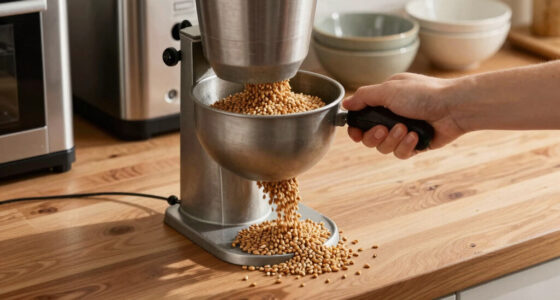
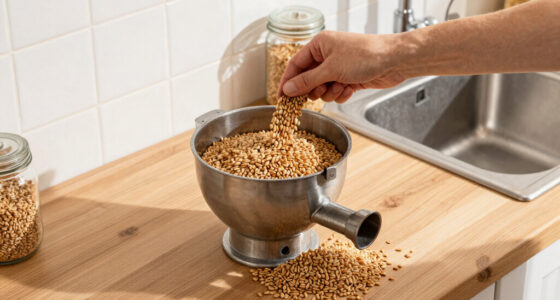
Grinding meat by hand is straightforward but requires patience. Use a manual meat grinder or a food mill. Clamp your tool to a sturdy surface. Feed the chilled meat chunks into the hopper and turn the handle steadily. For a finer texture, pass the meat through the grinder twice.
Imagine the satisfying sound of the handle turning, the texture changing with each pass. It’s a tactile, rewarding process that connects you directly to your food. The key is maintaining a steady pace and avoiding overstuffing the grinder to prevent jams.
Choosing the right grinding method impacts not just texture but safety. Properly ground meat ensures even cooking and reduces the risk of cold spots where bacteria could survive. The tactile nature of manual grinding allows you to feel and control the texture, which is crucial for achieving the desired sausage consistency. Patience here pays off—rushing can lead to uneven grinds or mechanical jams, which compromise safety and quality.

LEEVOT 7LBS/3L Manual Sausage Stuffer, Professional Stainless Steel Sausages Maker & Filler Kit with 2 Speed, 5 Stuffing Tubes, Vertical Meat Stuffers for Home Kitchen, Commercial Use
- Easy Filling & Cleaning: Detachable cylinder for effortless loading and cleaning
- Dual Release Valve: Removes air pockets for perfect sausages
- 2-Speed Operation: High-speed for quick filling, low-speed for control
As an affiliate, we earn on qualifying purchases.
As an affiliate, we earn on qualifying purchases.
Stuffing Sausage Casings Without Fancy Gear
Stuffing is easier if you have natural or synthetic casings, but you can get creative. Rinse casings thoroughly in cold water, then soak in warm water with a pinch of salt for 30 minutes. If you don’t have casings, form patties or loaves instead.
Thread a cleaned casing onto your stuffing tube, then gently push seasoned meat into it. Use a spoon or your hand to guide the meat, avoiding air pockets. Twist into links every 4-6 inches. For example, natural hog casings give a traditional feel, while synthetic ones are more forgiving for beginners.
Proper casing preparation and stuffing technique are vital for the sausage’s structural integrity. Rinsing removes residual salt and preservatives that could interfere with binding, while soaking softens the casings for easier handling. Gently filling prevents air pockets that could cause bursting during cooking. Twisting links evenly helps control portion size and ensures uniform cooking, which directly affects safety and flavor consistency.
Tie Off and Link Your Sausage Like a Pro
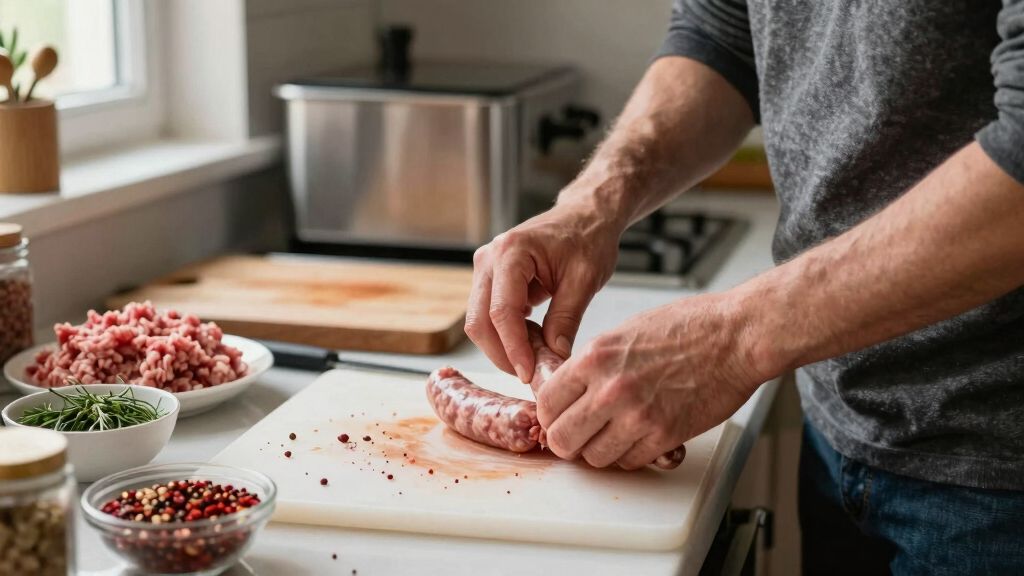
Once filled, twist the sausage into links by pinching and twisting every few inches. Use kitchen twine or just fold and twist with your hands. If you prefer, make a long coil for slicing later. For example, you can make 8-inch links for grilling or smaller ones for breakfast patties.
The key is consistent tension—too tight and the casing might split; too loose and the links won’t hold shape. Practice makes perfect. Remember, each twist tightens the link, creating a neat, uniform sausage.
Linking is a skill that influences the final appearance and cooking performance of your sausage. Proper tension ensures the casing isn’t overstressed, reducing the risk of splits or leaks. Uniform links cook evenly, which is crucial for safety—under or overcooked sections can harbor bacteria or lead to dry, tough sausage. Developing a consistent technique also enhances aesthetic appeal, making your homemade sausage look as professional as it tastes.
Cooking, Curing, or Smoking Your Sausage
Fresh sausages cook quickly—pan-fry, grill, or bake until they reach 160°F internally. For cured or smoked sausages, follow specific recipes and techniques. For example, a simple smoked sausage might be hung in a cool, smoky space for 2-3 hours, then refrigerated.
Always cook your sausage thoroughly to avoid foodborne illness—use a meat thermometer. If curing, keep in mind that safety involves proper salt levels and curing times. The rich aroma of sizzling sausage signals a job well done.
Understanding the implications of curing and smoking methods is essential. Curing involves balancing salt, nitrates, and moisture to inhibit bacterial growth while developing flavor complexity. Smoking adds a layer of flavor but also requires precise temperature control to prevent spoilage. Over or under-curing can compromise safety, so following tested recipes and techniques is crucial. Proper cooking and curing techniques ensure your sausage is both delicious and safe for long-term enjoyment.
Modern Tools Making Handmade Sausage Easier and More Fun
Thanks to hand-crank grinders and manual stuffing tools, making sausage by hand has become more accessible. Affordable, durable, and simple to operate, these tools let you stay off-grid while creating professional-quality links. For example, a sturdy hand grinder can process 2 pounds of meat in 10 minutes.
Natural casings and traditional techniques are making a comeback, emphasizing flavor and craftsmanship. Plus, DIY sausage kits with instructions and supplies are available online, lowering the barrier for beginners.
Modern tools not only streamline the process but also allow greater control over texture and stuffing consistency. They reduce physical effort and fatigue, making the craft more enjoyable and less time-consuming. Investing in quality manual tools can elevate your sausage-making experience, ensuring that each batch is a step closer to professional standards while maintaining the authenticity of traditional methods.
Frequently Asked Questions
Do I need special equipment to make sausage at home?
Basic tools include a manual meat grinder, sausage stuffer (or homemade methods), and casings. Many options are affordable and straightforward, making sausage making accessible for most home cooks.
What meat is best for homemade sausage?
Pork shoulder is classic, but beef, chicken thighs, or turkey work well, depending on your flavor preferences. Fresh, high-quality cuts are key for safety and taste.
How do I prevent the sausage from bursting or splitting?
Ensure the meat is properly ground, don’t overstuff casings, and keep casings moist but not too wet. Steady handling and avoiding air pockets also help keep your links intact.
Can I make sausage without casings?
Absolutely. Just form the seasoned meat into patties or loaves and cook directly. This method is quick and great for small batches.
How long does homemade sausage last?
Fresh sausage typically lasts 1-2 days in the fridge. Cured or smoked varieties can last longer—up to a week or more—when stored properly in airtight containers.