
TL;DR

Get kitchen gear delivered free — and shop member deals
- Fast, free delivery on millions of items
- Access to Prime Big Deal Days deals on October 6–7
- Prime Video, Amazon Music and more included
Hand tools are simple, reliable, and long-lasting, offering more control and sustainability than many electric gadgets. Recent innovations make them more ergonomic and multi-functional, proving their relevance today.
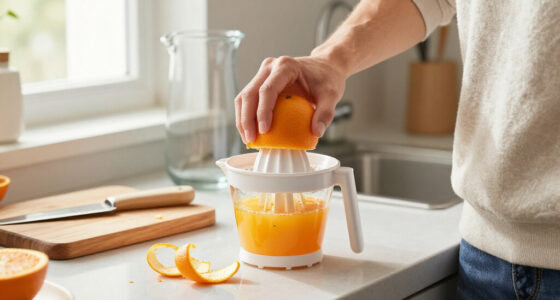
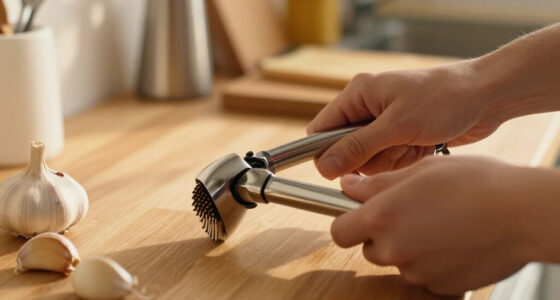
Quick: your favorite kitchen gadgets might be handy, but they often break, need power, or simply overcomplicate things. Hand tools—knives, peelers, graters—are the quiet workhorses that never go out of style. They give you more control, last forever, and keep your kitchen functioning off-grid or with minimal fuss.
In this guide, you’ll see why sticking with hand tools isn’t just about tradition. It’s about resilience, cost, and creating a cooking experience that connects you to every chop, peel, and grate. Ready to rethink what belongs in your kitchen?
Invest in a few high-quality, well-made hand tools—knives, peelers, graters—for long-term savings and satisfaction.
Regular sharpening and proper cleaning extend your tools’ lifespan and keep performance sharp.
Recent innovations like ergonomic handles and multi-function designs make hand tools more comfortable and versatile than ever.
Using hand tools fosters a mindful, connected cooking experience that’s hard to replicate with electric gadgets.
Choosing durable, sustainable materials benefits both your kitchen and the environment over time.
Why Hand Tools Are Your Kitchen’s Unsung Heroes
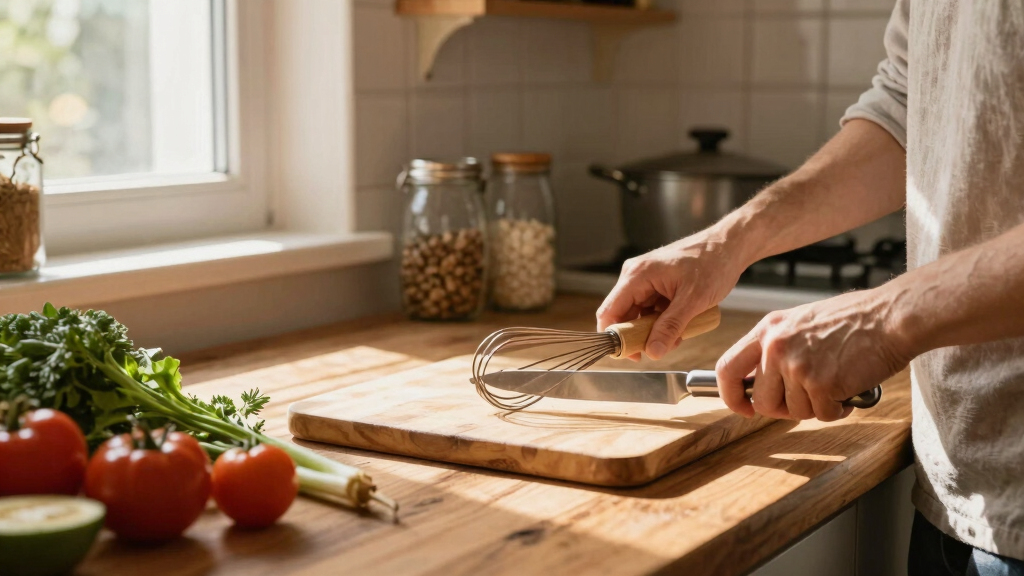
Hand tools like knives and peelers are the backbone of any kitchen that values control and durability. Unlike electric gadgets, they don’t rely on power, so they’re always ready to work. Imagine slicing a ripe tomato with a razor-sharp chef’s knife—no slipping, no fuss, just perfect thin slices every time.
These tools excel at delicate tasks, like finely julienning vegetables or peeling citrus. Their simple design means fewer parts to break or malfunction, which reduces long-term costs and waste. For example, a well-made paring knife can serve you for decades, sharpening up to a mirror finish each time, ensuring consistent performance and reducing the need for replacements.
Using hand tools also means you’re less dependent on electricity—great for off-grid living, but equally valuable in a modern kitchen where sustainability matters. They often require just a quick wipe or honing, keeping maintenance straightforward and affordable. This simplicity means fewer resources spent on repairs or replacements, which benefits both your wallet and the environment.
As an affiliate, we earn on qualifying purchases.
Latest Trends Making Hand Tools Better Than Ever
Modern design boosts the appeal of hand tools through ergonomic handles, eco-friendly materials, and multi-functionality. Today’s knives sport textured grips that reduce hand fatigue during long prep sessions. Think of a chef’s knife with a curved bolster—more comfort, less strain, which translates into less fatigue and better precision over extended use.
Eco-conscious choices like bamboo handles and recycled plastics are common, reflecting a shift toward sustainability. These materials often offer durability while reducing environmental impact. Multi-purpose tools streamline your drawer: a grater with four sides, a peeler that also juliennes, and all crafted for years of heavy use. This versatility reduces clutter and waste, making your kitchen more efficient and eco-friendly.
Traditional craftsmanship is making a comeback, with artisanal knives and utensils crafted by hand, often from sustainably sourced wood. These tools aren’t just functional—they’re pieces of art that age beautifully, turning your kitchen into a space that values both skill and longevity. They encourage a slower, more thoughtful approach to cooking, emphasizing quality over quantity.
Some tools now include subtle tech touches—like blades coated with ceramic or titanium, which stay sharper longer, or sharpening systems integrated into the design. These innovations simplify maintenance, ensuring your tools perform optimally over time. The tradeoff is often higher upfront costs, but the long-term savings and improved performance justify this investment, especially for those seeking durability and efficiency.
As an affiliate, we earn on qualifying purchases.
Choosing the Right Hand Tools for Your Kitchen
Picking the best hand tools boils down to experience and quality. A high-end chef’s knife made from VG-10 steel can stay sharp for years with proper honing. A basic peeler made from stainless steel with an ergonomic handle will serve daily needs without fuss. But beyond brand and material, selecting tools that fit your specific cooking style means considering how they will be used in your routine.
Here’s a quick checklist:
- Material quality: Look for stainless steel blades and durable handles that won’t crack or corrode over time.
- Ergonomics: Feel the handle—does it fit comfortably in your hand? Comfort reduces fatigue and improves precision.
- Brand reputation: Stick with trusted names or artisanal makers known for quality craftsmanship, which often translates into better performance and longevity.
- Task-specific design: Use a fine paring knife for delicate peeling, a sturdy chef’s knife for chopping—matching tools to tasks enhances efficiency and reduces frustration.
Assess your typical cooking style. Do you peel a lot of citrus? A Y-shaped peeler might be best. Chopping herbs? A small, nimble paring knife makes all the difference. Choosing the right tools means investing in items that will perform well under your specific conditions, ultimately making your cooking more enjoyable and less wasteful.
As an affiliate, we earn on qualifying purchases.
How to Properly Maintain and Care for Your Hand Tools
Keeping your hand tools sharp and clean extends their life and performance. Regular honing with a whetstone or sharpening steel restores blade edges, especially for knives used daily. Think of it like giving your tools a quick workout to keep them in top shape, preventing dullness that can lead to accidents or uneven cuts.
Clean blades with warm water and a mild detergent after use. Avoid dishwasher cleaning—hot water and harsh chemicals can damage handles and blades over time. Dry thoroughly to prevent rust, which can compromise the integrity of the metal and affect safety.
Store tools properly—preferably in a knife block or on a magnetic strip—so blades don’t dull or chip. Periodically inspect handles for cracks or looseness, tightening or replacing as needed. Proper storage not only prolongs the lifespan but also maintains safety by preventing accidental injuries.
For example, a well-maintained chef’s knife can cut hundreds of pounds of produce over decades, staying sharp and safe, reducing the need for frequent replacements, and minimizing waste.
As an affiliate, we earn on qualifying purchases.
The Real Benefits: Control, Cost, and Connection
Using hand tools gives you more control over every cut, peel, and grate. You feel the texture, hear the scrape of the blade—these sensations connect you deeply to your cooking. It’s like tuning a musical instrument, each movement precise and intentional, fostering a more mindful and satisfying cooking process. This tactile feedback not only improves accuracy but also enhances your understanding of ingredients and techniques, leading to better results over time.
Cost-wise, hand tools are a bargain. A quality chef’s knife costs around $50–$150 but lasts for decades, unlike many electric gadgets that need replacing every few years. Maintenance costs are minimal—just sharpen and clean—making them economically advantageous in the long run. Their durability means fewer replacements and less waste, which is crucial for sustainable living.
Plus, there’s a satisfaction that comes from mastering a skill—whether it’s julienning carrots or peeling a perfect apple. It’s a quiet form of mindfulness that transforms cooking from a chore into a craft. This connection to the process fosters patience, respect for ingredients, and a deeper appreciation for the art of cooking, which electric gadgets often lack due to their speed and automation.
Imagine slicing a tomato paper-thin with a perfectly honed knife, the rich aroma filling your kitchen, and knowing you did it all with your own skill. That’s the real reward of hand tools—a sense of mastery and connection that elevates everyday cooking to a mindful practice, enriching your culinary experience and reducing reliance on disposable or quick-fix solutions.
Frequently Asked Questions
Why should I invest in high-quality hand tools instead of relying on electric gadgets?
High-quality hand tools offer better control, last for decades, and require less maintenance, making them more cost-effective and reliable over time. They also reduce your dependence on electricity and are often more environmentally friendly.
What are the must-have hand tools for a home kitchen?
Typically, a good chef’s knife, paring knife, peeler, grater, and cutting board form the core set. These tools handle most prep tasks with precision and durability.
How do I choose the best hand tools for my needs?
Look for quality materials—stainless steel blades, solid handles—consider ergonomic design, and choose brands or artisans with good reputations. Match tools to your cooking style and the tasks you do most often.
Are hand tools safer than electric appliances?
In general, yes. Hand tools reduce risks associated with electrical malfunctions or mechanical failures and give you more direct control, especially when used properly.
Can hand tools replace electric appliances entirely?
For many prep tasks, yes—especially with skill. However, electric devices can be more efficient for large quantities or specific functions, so it depends on your needs and lifestyle.
Conclusion
Hand tools aren’t just nostalgic relics—they’re practical, reliable, and deeply satisfying. Their simplicity and longevity make them perfect allies in any kitchen, especially when you want control and resilience.
Next time you reach for that electric gadget, consider whether a well-sharpened knife or a sturdy peeler could do the job better—and last a lifetime. Your kitchen, your skills, and the planet will thank you.
Halloween Picks
halloween
As an affiliate, we earn on qualifying purchases.