
TL;DR

Get kitchen gear delivered free with Prime
- Fast, free delivery on millions of items
- Prime Video, Amazon Music and more included
- Member-only deals all year
A homestead kitchen depends on sturdy, simple tools, core skills like preserving and baking, and a seasonal rhythm that connects food to the land. This approach reduces reliance on commercial products and fosters sustainability.
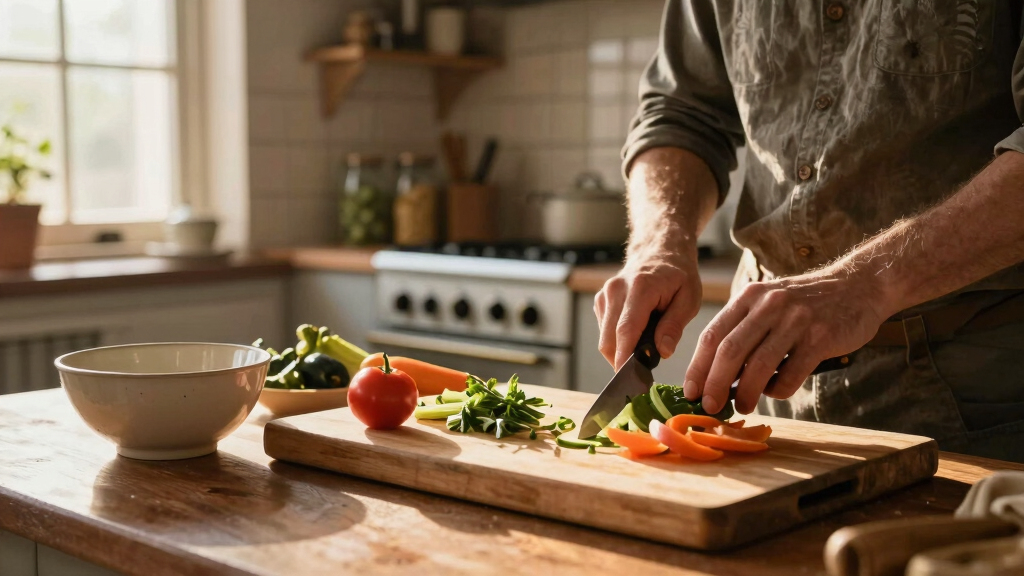
Imagine a kitchen where every tool feels like an extension of your hand, every meal echoes the seasons, and the rhythm of cooking is a dance with nature. That’s the heart of the homestead kitchen—more than just a place to cook, it’s a lifestyle rooted in self-reliance and sustainability.
Whether you’re nestled in the woods or simply looking to reduce your dependence on store-bought food, building this rhythm starts with the right tools, mastering essential skills, and tuning into seasonal cycles. Ready to cultivate a kitchen that’s resilient, mindful, and deeply satisfying? Let’s get into it.
Durable, hand-powered tools like cast iron and manual mills are the backbone of a resilient homestead kitchen.
Mastering core skills like fermentation, canning, and baking turns seasonal abundance into pantry staples.
Align your kitchen activities with seasonal cycles to create a natural, sustainable rhythm.
Record-keeping and community connections help maintain consistency and grow your skills.
Waste isn’t waste in a homestead kitchen—use scraps, compost, and preserve to close the loop.
The Tools That Make Homestead Cooking Practical and Durable
In a homestead kitchen, tools matter—because they’re built to last and work without electricity. Think of a cast iron skillet, with its rich, dark surface that improves with age, or a hand-crank grain mill that turns whole grains into flour with a satisfying turn. These tools aren’t just gadgets; they’re partners in your daily work.
Some essentials include:
- Cast iron cookware—durable, versatile, and naturally non-stick with proper care.
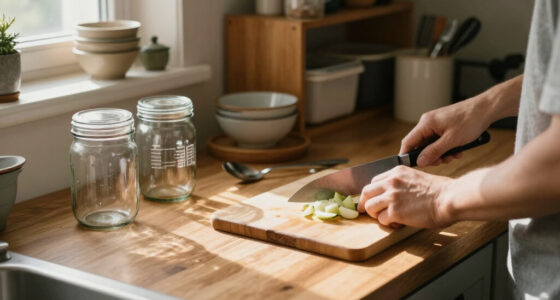
- Fermentation jars—sturdy glass containers for fermenting vegetables or brewing kombucha.
- Hand-powered appliances—like manual grain mills or hand-crank blenders that do the job without power.
Using these tools, you can prepare hearty meals, preserve seasonal bounty, and keep your kitchen off-grid. These aren’t shiny gadgets; they’re workhorses that earn their place in your daily rhythm.
As an affiliate, we earn on qualifying purchases.
Master the Skills That Keep Your Kitchen Self-Sufficient
Skills are the backbone of a homestead kitchen. Learning to ferment vegetables, bake sourdough, or can tomatoes turns seasonal abundance into pantry staples. These skills save money and build resilience against supply chain hiccups.
For example, fermenting cabbage into sauerkraut takes a 15-minute prep, a jar, and a little salt—then patience. Over a few weeks, you create a tangy, probiotic-rich side that lasts months.
Other core skills include:
- Preservation—canning, dehydrating, fermenting.
- Bread baking—from sourdough starters to basic loaves.
- Butchering and processing—breaking down meat or poultry for storage.
These skills aren’t just practical; they’re empowering. You turn seasonal glut into nourishment, reducing waste and reliance on the store.
As an affiliate, we earn on qualifying purchases.
Establish a Natural Rhythm That Aligns with the Seasons
What if your kitchen rhythm echoed the land’s cycles? In a homestead, this means harvesting, preserving, and cooking in tune with nature’s signals. Spring calls for planting and fermenting greens; summer is for drying herbs and canning berries; fall is for root cellaring and apple sauce.
Imagine waking to the first light, roasting root vegetables, then spending afternoons preserving the harvest. Your kitchen becomes a heartbeat synced with the seasons.
Here’s a simple seasonal framework:
- Spring: Plant, ferment greens, prepare for canning season.
- Summer: Harvest, dry herbs, make jams, and ferment cucumbers.
- Fall: Store root vegetables, process apples, prepare for winter.
- Winter: Maintain pantry, bake bread, ferment preserved vegetables.
As an affiliate, we earn on qualifying purchases.
Practical Tips to Build Your Homestead Kitchen Routine
Start small. Pick one skill—say, fermenting vegetables—and integrate it into your weekly routine. Use a simple, dedicated jar, and set a reminder for the fermentation check. Over time, this becomes second nature.
Keep a kitchen log or calendar to track what’s in season, what you’ve preserved, and what needs doing. This keeps your rhythm predictable and connected to the land.
Invest in versatile, durable tools—like a good cast iron skillet or a hand-crank grain mill—and maintain them well. Proper care means decades of use, making your kitchen more sustainable and reliable.
Lastly, connect with local resources—farmer’s markets, community workshops, or online groups—where you can exchange tips and celebrate successes.
As an affiliate, we earn on qualifying purchases.
Reducing Waste and Making Your Kitchen Sustainable
In a homestead kitchen, waste is a resource. Use vegetable scraps for broth, save bones for stock, and compost everything that’s left. This closes the loop, enriching your soil and reducing trash.
Choose tools that last. A cast iron skillet can serve for decades, and a hand-powered grinder can process grains or nuts without batteries.
Prioritize local, organic ingredients—these support biodiversity, taste better, and often last longer. When you preserve seasonal harvests, you stretch your food’s life and reduce trips to the store.
Frequently Asked Questions
What is the most essential tool for a homestead kitchen?
A well-seasoned cast iron skillet is arguably the most versatile and durable tool, suitable for frying, roasting, baking, and more. It’s a cornerstone of off-grid cooking because it lasts for generations.How do I start fermenting foods at home?
Begin with simple ferments like sauerkraut or kimchi. Use a clean jar, salt, and vegetables, then leave it at room temperature for a week or two. Check periodically—fermentation is about patience and watching it turn tangy and lively.How can I connect my skills to the seasons?
Track what’s in season locally—garden harvests, fruit ripeness—and plan your preservation around these moments. For example, ferment cucumbers in summer, can tomatoes in fall, and dry herbs in late summer.What’s a simple way to reduce kitchen waste sustainably?
Use vegetable scraps to make broth, save bones for stock, and compost everything organic. This reduces trash, improves your soil, and makes your kitchen more eco-friendly.Conclusion
Building a homestead kitchen isn’t about perfection; it’s about trust—trust in your tools, skills, and the land’s rhythm. When your kitchen becomes a reflection of the seasons, it transforms from a space of mere necessity into a sanctuary of self-reliance and resilience.
Start small, stay consistent, and let the land guide your rhythm. Soon, your kitchen will be a steady heartbeat in the dance of the seasons, nourishing both body and soul.
Columbus Day / Indigenous Peoples' Day Picks
long weekend sales
As an affiliate, we earn on qualifying purchases.