TL;DR

Get kitchen gear delivered free with Prime
- Fast, free delivery on millions of items
- Prime Video, Amazon Music and more included
- Member-only deals all year
You can cook delicious, satisfying meals without gadgets. Focus on fundamental techniques, sharp knives, and sensory skills to become more self-reliant and connected to your food. This approach boosts control, flavor, and sustainability.
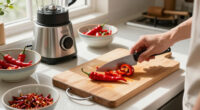
Gadgets promise quick results and effortless prep, but real skill comes from doing things the old-fashioned way. Imagine chopping vegetables with a sharp knife, feeling the texture under your fingertips, and tasting a sauce you made from scratch. That’s where true mastery begins.
This guide will show you how to sharpen your manual cooking skills, focusing on techniques, tools, and sensory awareness. No fancy gadgets needed—just your hands, a good knife, and some basic knowledge.
Focus on sharpening your knife skills; they are the backbone of manual cooking.
Use simple, reliable tools like a mortar and pestle and cast iron for flavor and control.
Practice sensory skills—taste, smell, touch—to judge doneness and seasoning.
Prioritize techniques like roasting, braising, and hand-making sauces over reliance on gadgets.
Minimize clutter by choosing essential tools that serve multiple purposes.
Why Manual Skills Matter More Than Ever
Manual cooking skills connect you directly to your ingredients. When you chop, knead, or stir by hand, you develop an intuitive sense of doneness and texture that gadgets often mask. This sensory engagement allows you to make real-time adjustments, ensuring your dishes turn out just right. Relying solely on machines can create a disconnect from the nuances of cooking—such as the subtle elasticity of dough or the perfect sear on meat—which are best judged through touch and sight. Additionally, honing manual skills fosters patience and mindfulness, transforming cooking from a chore into a thoughtful craft. The tradeoff is that manual techniques may take longer and require more physical effort, but they reward you with greater control, flavor complexity, and a deeper connection to your food.
As an affiliate, we earn on qualifying purchases.
Essential Tools for Cooking Without Gadgets
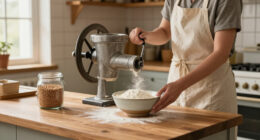
You don’t need much—just a handful of reliable tools. Think about a sharp chef’s knife, a sturdy cutting board, a cast iron skillet, a mortar and pestle, and a good set of mixing bowls. These tools empower you to do everything from chopping and grinding to sautéing and baking. Each tool serves a specific purpose that enhances your ability to control texture and flavor. For example, a mortar and pestle not only crushes herbs and spices but also releases essential oils and aromas that are often dulled or lost in electric grinders. Using these manual tools encourages a tactile connection to ingredients, allowing you to feel their properties and adjust your technique accordingly. The tradeoff for relying on manual tools is that they require more skill and effort upfront, but they provide a richer, more authentic cooking experience and reduce dependence on electricity and disposable gadgets.
As an affiliate, we earn on qualifying purchases.
How to Sharpen Your Knife Skills in 3 Easy Steps
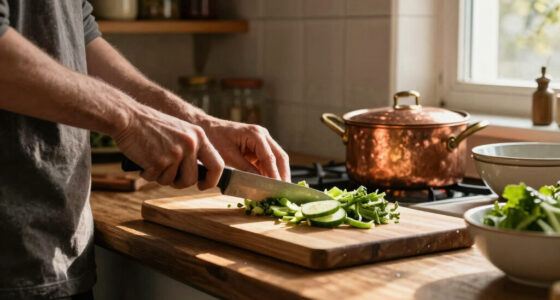
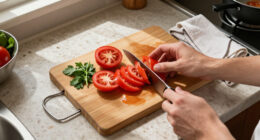
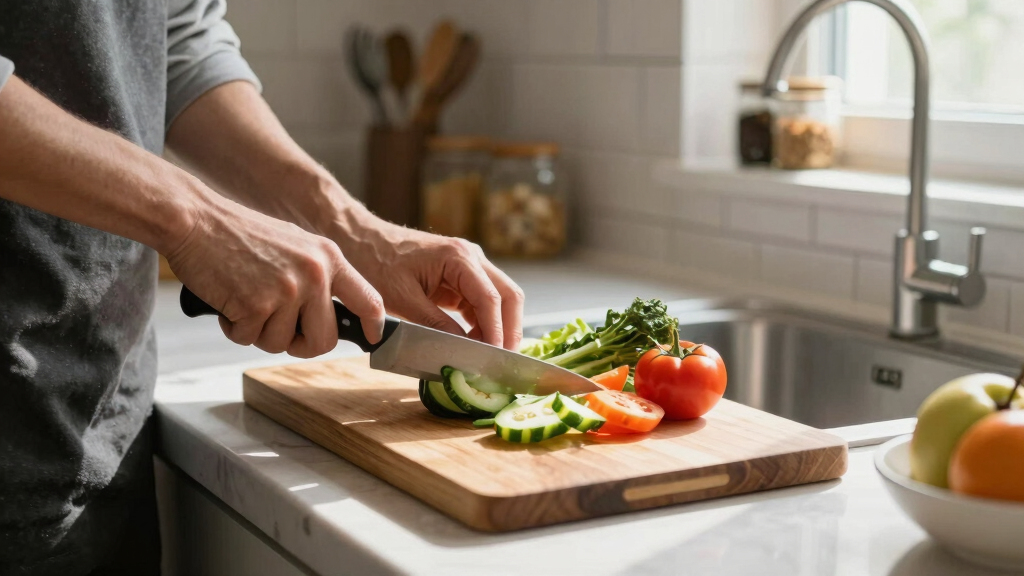
- Choose a sturdy, well-balanced chef’s knife and learn proper grip and technique. Focus on a pinch grip, where your thumb and forefinger hold the blade’s spine, giving you better control and reducing fatigue. This foundational step improves your precision and safety.
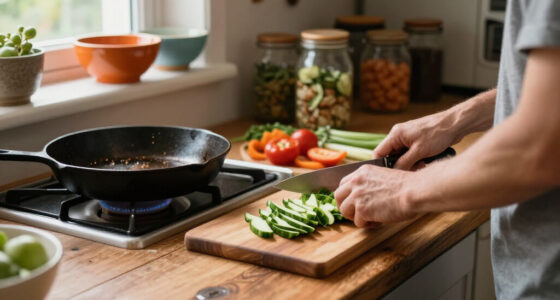
- Practice slicing vegetables, starting with softer items like zucchini or mushrooms, then move to denser roots like carrots. Pay attention to your hand position and the motion—using a smooth, rocking motion—so you develop consistency. This not only enhances your speed but also helps you understand the importance of cut uniformity for even cooking and presentation.
- Focus on even, controlled cuts—aim for uniform thickness, which cooks more evenly and looks professional. Use your knuckles as a guide to keep slices consistent, and regularly check your work. Developing this discipline will translate into better texture, flavor, and appearance in your dishes, making manual prep more efficient and satisfying.
For example, slicing an onion thinly and evenly by hand creates a better texture in your stir-fry than uneven pieces cut with a dull blade. The process improves your dexterity and understanding of ingredient behavior, which are essential for confident manual cooking.
As an affiliate, we earn on qualifying purchases.
Cooking Techniques That Don’t Need Electric Gadgets
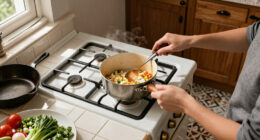
Many classic techniques are still best done manually. Boiling, sautéing, roasting, steaming, and braising all rely on your stove and oven, not electric gadgets. Mastering these methods allows you to develop a nuanced understanding of heat and timing, which are critical for achieving perfect textures and flavors. For instance, slow-roasting vegetables in a cast iron pan develops caramelized flavors and textures you can’t get from pre-cut frozen options. The process involves controlling oven temperature and timing, which gives you the flexibility to adjust as needed and learn how different ingredients respond to heat. Imagine roasting a whole head of garlic wrapped in foil—no blender needed. The rich, sweet aroma fills your kitchen, and you can monitor progress through smell and visual cues, ensuring optimal results. These techniques rely on sensory feedback and patience, fostering a deeper mastery of cooking fundamentals that electric gadgets can’t replace.
As an affiliate, we earn on qualifying purchases.
Making Sauces, Stocks, and Condiments by Hand
Homemade sauces and stocks are easy and rewarding without gadgets. The process involves chopping fresh herbs, simmering bones or vegetables, and stirring by hand, which allows you to develop a layered understanding of flavors. For example, crushing ripe tomatoes with a mortar and pestle releases more essential oils and brightens the flavor compared to using a blender. Simmering bones or vegetables slowly extracts maximum depth, and stirring by hand ensures you don’t over-reduce or burn the mixture. Developing your palate through manual tasting and adjusting seasoning—adding salt, acid, or sweetness—becomes intuitive when you’re engaged with the process. This hands-on approach fosters a deeper appreciation for flavor development and texture, which is often lost with automated or pre-made options. The tradeoff is that manual methods require patience and attention, but they produce richer, more complex flavors and a greater sense of accomplishment.
How to Practice Sensory Skills and Recognize Doneness
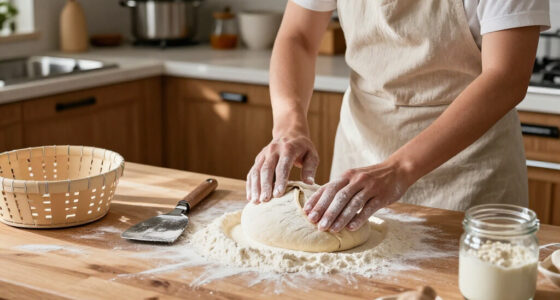
Learning to judge when your food is ready relies on taste, smell, sight, and touch. For example, check if bread dough is ready by feeling its elasticity—no timer needed. The dough should spring back gently when pressed. Tasting a sauce during simmering helps you identify if it’s seasoned correctly or needs adjustment; over time, your palate becomes more refined. Touch is equally important—feeling the firmness of a cooked vegetable or the crust of bread informs your judgment. Smelling for aroma and observing color or texture are visual cues that complement your sensory evaluation. These skills develop with consistent practice, transforming cooking from a timed chore into an intuitive craft. Recognizing doneness through sensory feedback allows you to adapt in real-time, leading to more consistent and satisfying results, and reducing reliance on precise timers or gadgets.
Comparison Table: Gadgets vs. Manual Techniques in the Kitchen
| Feature | Gadgets | Manual Techniques |
|---|---|---|
| Control | Limited to machine settings | Full control, immediate feedback |
| Flavor | Can dull flavors if over-processed | Preserves freshness and complexity |
| Precision | Dependent on machine accuracy | Requires skill, develops intuition |
| Maintenance | Requires cleaning and repairs | Simple, fewer parts to maintain |
| Clutter | Many gadgets can clutter the kitchen | Minimal tools, tidy space |
Avoiding Common Pitfalls When Cooking Without Gadgets
Don’t rely on pre-cut ingredients—they shortcut your skill-building. Avoid rushing, especially when kneading or chopping, as it can lead to uneven results or injury. Keep your knives sharp—dull blades are dangerous and make cutting harder. Dull knives require more force, increasing the risk of slips and accidents, and they tear ingredients instead of slicing cleanly, which can affect texture and appearance. Regular sharpening and honing not only improve safety but also ensure that your manual techniques are more precise and efficient. Additionally, rushing through steps or neglecting to taste and adjust seasoning can result in bland or overcooked dishes. Patience and attention to detail are essential for developing your manual skills and producing dishes with balanced flavors and proper textures.
Frequently Asked Questions
What’s the first step to cooking without gadgets?
Start with your knife skills. Practice chopping, dicing, and slicing regularly, focusing on control and consistency. Once you’re comfortable, move on to other techniques like sautéing or roasting.Are there recipes that are impossible without gadgets?
Most traditional dishes can be prepared without gadgets. Think of bread, stews, roasted vegetables, and sauces—these are all about manual effort and sensory judgment, not electric tools.How do I keep my knives sharp without electric sharpeners?
Use a sharpening stone or a honing rod regularly. A good rule is to hone after every few uses and sharpen every few months, depending on your cutting frequency.Can manual skills save time in the kitchen?
Yes. Once you’re skilled, you can often prep faster than fiddling with gadgets, especially when you’re familiar with your tools and ingredients. It’s about fluidity and confidence.What’s the best way to practice sensory skills?
Cook dishes without timers or visual cues. Taste your food often, smell for aroma, and feel the texture. Over time, you’ll develop a natural sense of when things are done—making your cooking more intuitive.Conclusion
Gadgets might make life easier, but they can also disconnect you from what’s happening in your kitchen. When you master manual techniques, you gain a deeper, more honest relationship with your ingredients. Your food will taste better, and your skills will grow stronger with each chop and stir.
Remember: confidence in the kitchen comes from practice, patience, and feeling your way through each step. Your hands are your most versatile tools—trust them.
Halloween Picks
halloween
As an affiliate, we earn on qualifying purchases.