
TL;DR
Get ready for Prime Big Deal Days — try Prime free
Exclusive member deals on October 6–7, plus fast free delivery. Cancel anytime.
Start your free trialAs an affiliate, we earn on qualifying purchases.
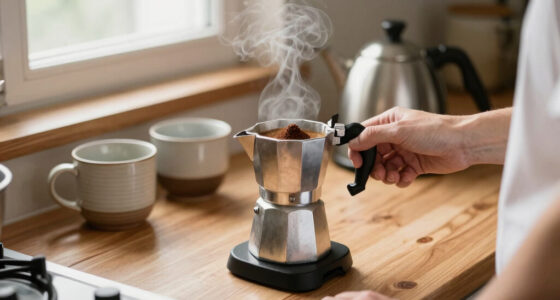
You can keep coffee hot without electricity by using insulation, heat retention techniques, and clever container choices. These methods are reliable, low-tech, and ideal for off-grid living or manual kitchens.
Imagine waking up in your off-grid cabin, eager for a hot cup of coffee, but the nearest outlet is miles away. No electric kettle? No problem. Keeping coffee hot without power isn’t just a challenge — it’s an opportunity to embrace simplicity and durability.
In this guide, you’ll learn proven, real-world methods to keep your coffee steaming for hours, even in the most remote settings. These techniques rely on common, sturdy materials and a bit of planning. Ready to make your brew last longer — without plugging in?
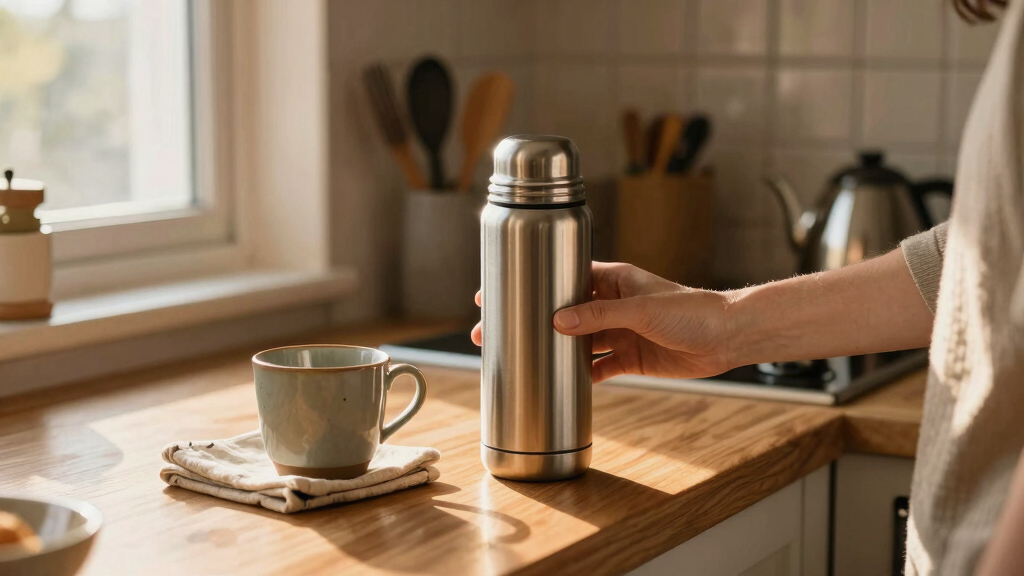
A pre-warmed, vacuum-insulated container keeps coffee hot for over 4 hours — a simple, effective solution.
Wrapping your mug in natural fibers or DIY cozy layers can extend heat retention by hours, especially outdoors.
Using durable, insulated containers like cast iron or stainless steel is your best bet off the grid.
Small hacks, like pre-warming your container and sealing it tightly, make a big difference in heat loss.
Reheating without power is possible with hot stones or a double boiler setup, perfect for off-grid living.
Why Insulation Is Your Best Friend for Hot Coffee
Insulation acts like a warm blanket for your coffee, trapping heat and slowing down cooling. When you insulate your coffee container, you’re essentially reducing the rate at which heat escapes into the environment. This is crucial because, outdoors or in unheated spaces, heat loss can happen rapidly due to convection, conduction, and radiation. The better the insulation, the longer your coffee stays hot, which means fewer reheats and more enjoyment.
Choosing the right insulating material can make a significant difference. For example, a vacuum-sealed thermos creates a near-perfect barrier by removing air gaps that facilitate heat transfer. Conversely, materials like thick cloth or wool are less effective but still provide meaningful insulation when wrapped around a container. Understanding these differences helps you select the most efficient method for your needs, especially when energy resources are limited or unavailable. Investing in quality insulation is a tradeoff that pays off in extended warmth and flavor preservation, making it a cornerstone technique for off-grid coffee enthusiasts.
As an affiliate, we earn on qualifying purchases.
How to Use Your Coffee Container for Maximum Heat Retention
- Pre-warm your container: Rinsing your mug or thermos with hot water raises its internal temperature, which slows down the initial heat loss when you pour in your hot coffee. This small step significantly extends the duration your coffee remains piping hot, especially in colder environments where every degree counts.
- Use a vacuum-insulated bottle or mug: These containers create a vacuum layer that drastically reduces heat transfer through conduction and convection. While they may be more expensive upfront, their ability to keep coffee hot for hours can justify the investment, especially in off-grid scenarios where reheating options are limited. This technology leverages physics to maintain temperature without power, making it a reliable choice for long-lasting warmth.
- Seal it tight: Ensuring the lid or cap is secure minimizes heat escaping through gaps. An airtight seal prevents warm air from leaking out and cold air from seeping in, which can accelerate cooling. This is especially important outdoors or in windy conditions where even small openings can cause rapid heat loss.
- Wrap it in a towel or sleeping bag: For outdoor adventures, additional insulation can be achieved by wrapping your container in a thick towel, wool blanket, or even a sleeping bag. These layers trap air, which acts as an insulator, and slow down heat transfer. The tradeoff is portability versus insulation efficiency, but in cold environments, this method can add hours to your coffee’s warmth, making it a worthwhile step.
Imagine leaving your freshly brewed coffee in a pre-warmed, vacuum-insulated mug, wrapped snugly in a wool blanket. It’s a simple trick that preserves the rich aroma and piping-hot goodness for hours, allowing you to enjoy your coffee at leisure without the need for reheating.
stainless steel coffee mug with lid
As an affiliate, we earn on qualifying purchases.
As an affiliate, we earn on qualifying purchases.
Best Materials and Containers for Off-Grid Coffee
| Container Type | Material | Heat Retention | Durability |
|---|---|---|---|
| Vacuum Flask | Stainless Steel | Over 4 hours | High |
| Cast Iron Pot | Cast Iron | 3-4 hours if well-insulated | Very high |
| Clay or Ceramic Mug | Ceramic/Clay | 1-2 hours | Moderate |
For off-grid living, stainless steel vacuum flasks and cast iron pots shine because they combine high durability with excellent insulation properties. These materials are resistant to the rough conditions often encountered in remote settings, and their ability to retain heat for hours makes them ideal choices. Cast iron, in particular, has the advantage of thermal mass—once heated, it holds onto warmth longer, especially if preheated and wrapped in insulation. While ceramic or clay mugs are more fragile, they can still serve well in stable environments, provided you insulate them properly. The key is balancing durability, heat retention, and practicality based on your specific off-grid situation.
off-grid insulated coffee container
As an affiliate, we earn on qualifying purchases.
As an affiliate, we earn on qualifying purchases.
Simple DIY Hacks to Keep Coffee Hot Longer
Sometimes, low-tech, low-cost tricks are surprisingly effective because they exploit basic principles of heat retention. Here are some practical hacks that can extend your coffee’s warmth without needing any special equipment:
- Wrap your mug in natural fibers: Wool socks, thick cloths, or even a towel can trap heat by creating an insulating layer around your mug. Wrapping your mug immediately after pouring in hot coffee minimizes heat escape through convection and conduction. The more layers you add, the slower the heat loss, but consider portability and convenience.
- Use a hay or straw-filled cozy: Filling a cloth or fabric bag with straw or hay creates a natural insulator that traps and retains heat. This method is especially useful in outdoor or rustic settings, where commercial insulators might not be available. Straw and hay are porous, allowing some heat retention while also providing a buffer against rapid cooling. This hack emphasizes sustainability and resourcefulness, making it ideal for off-grid living.
- Build a makeshift cozy: Wrapping your container in aluminum foil reflects heat back inward, while covering it with a thick cloth or wool layer adds insulation. Aluminum’s reflective properties bounce radiant heat back into the container, reducing heat loss through radiation. Combining this with a physical barrier like cloth maximizes heat retention. This DIY approach is cost-effective, easy to implement, and adaptable to various environments, making it a versatile tool for keeping coffee warm longer.
Picture yourself in a cabin, sipping warm coffee from a homemade cozy — hours later, it’s still steaming. These hacks rely on simple materials and a bit of effort but leverage fundamental heat transfer principles to keep your brew hot longer, enhancing your off-grid experience.
As an affiliate, we earn on qualifying purchases.
How to Reheat Coffee Off-Grid Without Power
If your coffee cools down too much, don’t worry. There are reliable, low-tech methods to reheat it without electricity:
- Use a cast iron or metal pot: Fill the pot with water and place your coffee container inside, then set it over a wood stove or campfire. The water acts as a heat reservoir, gently transferring warmth to your coffee container through conduction. This method provides a controlled, even heat that prevents scorching or overcooking, which can happen with direct fire.
- Warm in a double boiler: If you have a larger pot, fill it with hot water and nestle your coffee vessel inside. Heating gently through indirect contact minimizes the risk of burning your coffee and allows for more precise temperature control. This technique is especially useful if your coffee has cooled significantly and needs a gentle boost.
- Wrap in hot stones or bricks: Heat stones or bricks in your fire until hot, then wrap them in a cloth and place around your coffee container. This method leverages thermal mass—hot stones retain heat for a long time and transfer it slowly, providing a sustained warming effect without direct flame contact. It’s a durable, resourceful technique that can be used in various off-grid scenarios.
Imagine reheating your coffee with hot stones wrapped in cloth, keeping it warm without a stove or power. This low-tech approach relies on natural heat storage and transfer, making it ideal for remote settings where electricity is unavailable. The key is to carefully manage heat transfer to avoid scorching and to maximize the duration your coffee stays warm.
Frequently Asked Questions
How long can I keep coffee hot without electricity?
With a good vacuum-insulated container, you can keep coffee hot for over 4 hours. Wrapping it in a cozy or thick cloth can extend that to 6-8 hours, especially in cold weather.Can I reheat coffee without a stove or microwave?
Yes. Use a cast iron pot over a wood fire, or place your coffee container in hot water using a double boiler method. Heated stones wrapped in cloth also work well.What’s the best container for off-grid coffee?
A stainless steel vacuum flask is top-tier, keeping heat for hours. Cast iron mugs are durable and retain warmth well, especially if preheated and wrapped.How do I prevent my coffee from cooling too fast outdoors?
Wrap your mug in wool or thick cloth, use DIY cozy methods, and keep it in a shaded, insulated spot. Keeping it close to your body also helps transfer heat.Is it worth making a DIY cozy or wrap?
Absolutely. Simple materials like wool socks, cloth bags stuffed with straw, or aluminum foil with a cloth layer can add hours to your coffee’s warmth without any tech.Conclusion
Keeping coffee hot without electricity boils down to smart insulation and simple tricks. Wrap, preheat, and seal — then enjoy that rich, warm aroma hours longer.
In an off-grid world, it’s the small, durable solutions that make your mornings smoother. So next time you brew, think about how you can trap that heat — your perfect cup is worth it.
NFL season / tailgating Picks
team gear
As an affiliate, we earn on qualifying purchases.