
TL;DR

Get kitchen gear delivered free with Prime
- Fast, free delivery on millions of items
- Prime Video, Amazon Music and more included
- Member-only deals all year
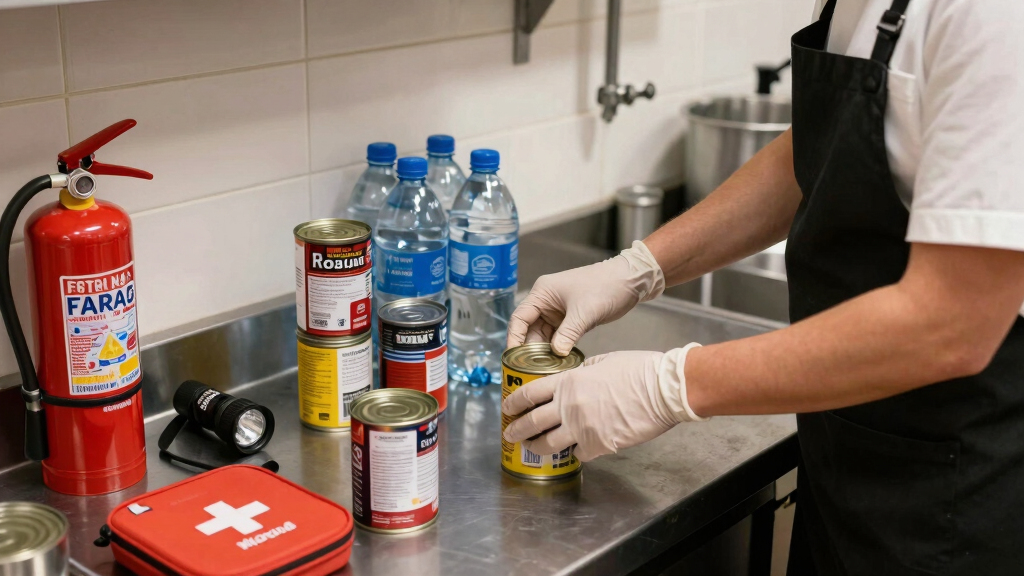
Preparing your kitchen for an emergency means stockpiling durable supplies, securing safety measures, and staying informed. Focus on long-term storage, manual tools, and eco-friendly options to stay ready for anything.
Stockpile at least three days’ worth of food and water, focusing on durability and ease of use.
Keep manual tools like a can opener and portable stove ready—electricity isn’t guaranteed.
Install safety devices and know how to shut off gas and power sources quickly.
Maintain a communication plan with battery-powered radios and emergency contacts.
Regularly review and rotate your supplies to keep them fresh and reliable.
Stockpile the Right Food and Water — Your First Line of Defense
In an emergency, fresh food disappears fast. Stockpiling non-perishable foods that last months, even years, can keep your family fed through days or weeks of disruption. Think canned beans, dried grains, and energy bars with a rich mix of calories. Water is even more critical: aim for at least one gallon per person per day, stored in food-grade containers. Consider water purification options like filters, chemical tablets, or boiling, especially if your stored water runs low or gets contaminated.
For example, during a recent flood, a family’s emergency kit with 14 gallons of bottled water and a portable water filter kept everyone hydrated for a week, even when municipal supplies shut down.
Understanding why these supplies matter is crucial. Fresh food relies on refrigeration or quick consumption, which isn’t reliable during outages. Non-perishable options ensure your nutrition isn’t compromised when electricity is unavailable. Water, on the other hand, is essential for drinking, cooking, and hygiene. Without it, dehydration and sanitation issues can escalate quickly. The tradeoff often involves bulk and storage space, so choosing compact, high-calorie foods and efficient water containers balances convenience with practicality.
manual can opener for emergency kit
As an affiliate, we earn on qualifying purchases.
As an affiliate, we earn on qualifying purchases.
Essential Tools and Equipment You Can’t Do Without
When power is out, electric appliances are useless. Manual tools become your best friends. Keep a manual can opener at hand—nothing beats it for opening canned food without electricity. A portable stove or camping burner with fuel lets you cook, boil water, or heat meals. Basic utensils, a sturdy flashlight, extra batteries, and a first aid kit round out your must-haves.
Imagine you’re stranded after a storm, and your electric stove is dead. A cast iron skillet over a small propane burner can fry eggs or simmer stew, just like in your regular kitchen. These tools are durable, reliable, and easy to maintain. Investing in quality manual tools means fewer breakdowns and more consistent performance, which is critical during prolonged outages. The tradeoff might be initial cost or space, but durability and independence from electricity outweigh these concerns in a crisis.
Choosing multi-use tools and understanding their limitations help you adapt. For example, a simple hand-crank grinder can process grains if you stock whole kernels, providing fresh flour even when stores are empty. The goal is to build a kit that supports a variety of cooking scenarios with minimal reliance on power sources.
As an affiliate, we earn on qualifying purchases.
Safety Measures That Protect You and Your Home
Safety isn’t just about avoiding hazards—it’s about knowing how to respond when things go wrong. Install fire extinguishers and smoke detectors near the kitchen, and check them regularly. Know how to shut off your gas and electricity—crucial if you smell gas or suspect a leak. Store cleaning supplies and chemicals safely, away from food, to prevent accidents and contamination.
During a wildfire threat, quick access to gas shutoff valves and a charged fire extinguisher can prevent a minor blaze from turning into a disaster. Practice these safety steps so they become second nature. Understanding the risks and how to mitigate them reduces panic and increases your ability to act decisively, which can be the difference between containment and catastrophe. Safety isn’t just setup; it’s ongoing awareness and preparedness, including regular drills and inspections.
As an affiliate, we earn on qualifying purchases.
Stay Connected and Informed — Emergency Alerts Matter
In a crisis, information can be your lifeline. Keep a battery-powered or hand-crank radio in your kitchen, tuned to local alerts. Have a list of emergency contacts and nearby shelters accessible. A simple smartphone with solar charger apps can also keep you updated if power is lost.
Picture a neighborhood blackout during a winter storm—your radio crackles with weather warnings and safe routes, guiding you away from danger. Staying informed is as vital as any physical supply. The implication is that even the best supplies are useless if you don’t know what’s happening or what to do next. Planning for communication failures and knowing how to access reliable information reduces confusion and ensures you can make timely decisions during crises.
battery-powered radio for emergencies
As an affiliate, we earn on qualifying purchases.
As an affiliate, we earn on qualifying purchases.
Sanitation and Hygiene — Keep It Clean and Safe
Maintaining hygiene during an emergency is often overlooked but essential. Stock up on hand sanitizers, moist towelettes, and sanitation supplies like bleach or biodegradable soaps. Access to clean water for washing hands and utensils prevents illness and keeps your cooking area safe.
Think of a post-earthquake scenario where tap water is contaminated. Having stored water and disinfectants can prevent the spread of infections. Proper sanitation not only reduces the risk of disease transmission but also supports mental well-being by maintaining a sense of normalcy. The tradeoff involves space and the need for regular replacement or replenishment, but these small investments can have outsized health benefits during extended crises.
Trends and Innovations in Emergency Kitchen Prep
Recent trends focus on long-term storage, tech integration, and eco-conscious choices. Freeze-dried foods have improved shelf life and nutrition—some last over 25 years without losing flavor. Solar-powered chargers and emergency alert apps make staying connected easier. Reusable water bottles and biodegradable cleaning supplies reduce waste and environmental impact.
For example, a community group now stocks solar chargers for radios and phones, ensuring everyone stays informed during extended outages. These innovations make preparedness more practical and sustainable. Understanding these trends helps you make smarter choices tailored to your needs, balancing convenience, environmental responsibility, and cost-effectiveness in your emergency plans.
Frequently Asked Questions
How much food and water should I store for an emergency?
FEMA recommends at least a three-day supply of food and water, but aim for a week or more if possible. Store about one gallon of water per person per day, and choose non-perishable, calorie-dense foods like canned beans, rice, and dried fruits.
What are the best types of non-perishable foods for emergencies?
Look for canned goods, dried grains, energy bars, and dehydrated meals. Focus on items with a long shelf life, minimal preparation, and high nutritional value. Avoid foods that require refrigeration or complex cooking methods.
How do I store and rotate my supplies to keep them safe?
Keep supplies in a cool, dry, dark place—think basement or pantry. Check expiration dates annually, and rotate stock by using old items and replacing them with fresh ones. Label everything clearly to avoid confusion during stress.
What should I do if I smell gas or suspect a leak in my kitchen?
Immediately turn off the gas supply if possible, ventilate the area by opening windows, and avoid lighting any flames or electrical switches. Leave the building and call emergency services—gas leaks are serious hazards.
How often should I review or update my emergency supplies?
Review your supplies every six months, ideally during daylight hours. Check expiration dates, replace used items, and update your emergency plan as needed. Staying proactive ensures your kit remains ready for action.
Conclusion
Your kitchen can be your strongest asset in a crisis—if you prepare it well. Focus on sturdy supplies, safety measures, and staying connected. When chaos hits, a well-stocked, resilient kitchen gives you confidence and control.Think of your kitchen as a lifeline—build it with durability, simplicity, and realism in mind. Every item you add is a step toward peace of mind when everything else falls apart.
Columbus Day / Indigenous Peoples' Day Picks
long weekend sales
As an affiliate, we earn on qualifying purchases.