
TL;DR

Get kitchen gear delivered free — and shop member deals
- Fast, free delivery on millions of items
- Access to Prime Big Deal Days deals on October 6–7
- Prime Video, Amazon Music and more included
Low-waste cooking in an unplugged kitchen means using food and resources efficiently without relying on electricity. It focuses on preventing waste, using whole ingredients, passive cooking, and careful storage, making your kitchen more resilient and eco-friendly.
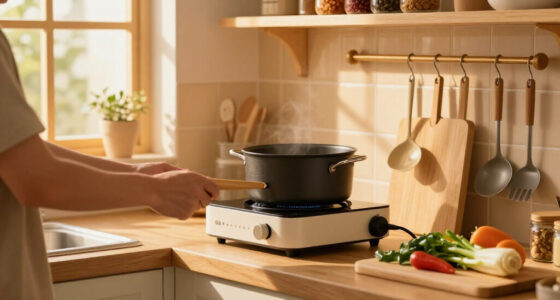
Imagine a kitchen where every scrap, every drop of water, every bit of energy counts. That’s the heart of low-waste cooking in an unplugged kitchen. It’s about making the most of what you have—minimizing waste, cutting down on energy use, and relying on manual tools and passive techniques. Whether you’re living off-grid, preparing during a power outage, or just wanting a more self-reliant lifestyle, these skills matter.
In this guide, you’ll learn how to prevent food waste from the start, make full use of every ingredient, and cook with minimal energy. It’s a practical approach—no hype, just straightforward steps to make your kitchen more durable, resourceful, and aligned with the environment.
Plan meals carefully to avoid surplus and spoilage, and use ingredients fully from root to stem.
Leverage passive and residual heat cooking techniques to save energy and fuel.
Keep manual tools simple but durable—knives, cast iron, and basic utensils are enough.
Store foods smartly—use traditional methods and proper organization to extend shelf life without energy waste.
Transform leftovers creatively into new meals, reducing the need for fresh ingredients and cooking energy.
Low-Waste Cooking in an Unplugged Kitchen
Make every ingredient, drop of water, and unit of heat count. This is a practical system for preventing waste, cooking with minimal energy, using simple manual tools, and turning leftovers into tomorrow’s meal.
Your first power move happens before cooking
Plan around what is already on hand. A short inventory, a realistic list, and a clear “use first” zone prevent surplus from becoming spoilage.
Shop from your kitchen first
Check pantry and cold storage, build meals around open packages, and purchase only the gaps. Choose loose produce when possible to control quantity and reduce packaging.
Create an “eat first” basket
Keep soft fruit, aging vegetables, opened jars, and short-life foods together and visible. Visibility turns “forgotten” into “tonight’s dinner.”
Serve less, offer seconds
Modest first portions keep uneaten food out of the bin. Extra food remains clean, safe, and easy to store or redesign into another meal.
Date-label decoderSafety is not the same as quality
Use-by dates concern safety and should follow local labeling guidance. Best-before dates generally describe expected quality. Never depend on smell or appearance alone to establish whether a perishable food is safe.
Root to stem, then leftovers to lunch
Resourceful cooking sees a whole ingredient and a second meal where others see scraps. Identification, cleanliness, and safe storage remain non-negotiable.
Build meals around the heat you have
An unplugged kitchen favors no-cook food, fast ingredients, covered pots, one-pot meals, and passive finishing. The bars show relative heat demand, not measured energy values.
Relative active-heat demand
Reduce active heating with lids, smaller cuts, presoaking, appropriately sized pots, and insulated finishing.
Presoak
Hydrate beans or grains before heating to shorten stove time.
Bring to heat
Use a fitted lid and only the water the food requires.
Insulate
Move the covered pot to a thermal cooker or safe insulated container.
Finish passively
Let stored heat continue the cooking without continuous fuel.
A practical heat-and-effort matrix
Use shelf-stable, quick-cooking, and already-cooked ingredients to keep meals nutritious while limiting fuel, cleanup, and repeat heating.
| Meal mode | Active heat | Fuel efficiency | Best building blocks | Low-waste advantage |
|---|---|---|---|---|
| No-cook assembly | ✓ None | ✓ Excellent | Bean salads, sandwiches, mezze, canned fish | Uses delicate produce quickly |
| Fast-cook meal | ✓ Brief | ✓ High | Couscous, bulgur, noodles, eggs, leafy greens | Turns small odds and ends into a complete dish |
| One-pot batch | ~ Moderate | ✓ High per serving | Soup, stew, curry, pilaf, pasta | Creates several meals in one heating session |
| Residual-heat cook | ✓ Short burst | ✓ Excellent | Presoaked grains, legumes, stews | Finishes food with already-captured heat |
| Long uncovered simmer | ✗ Extended | ✗ Low | Use only when the result requires it | Higher evaporation and fuel demand |
Durable tools beat a crowded drawer
A capable unplugged kitchen needs surprisingly little. Prioritize tools that perform many jobs, last for years, and are easy to clean and maintain.
Knife + board
A sharp chef’s knife handles slicing, chopping, trimming, and portioning safely.
Opener + grater
Access shelf-stable foods and process vegetables or hard cheese without power.
Mortar + whisk
Make dressings, pastes, spice blends, sauces, and simple batters by hand.
Cast iron + lid
Durable cookware stores heat well; a fitted lid reduces cooking time and moisture loss.
Masher + spoon
Turn beans, roots, and vegetables into spreads, fillings, soups, or patties.
Sealable containers
Label contents and dates so prepared food stays visible, organized, and useful.
Wide-mouth thermos
Retain heat for passive cooking or keep a prepared meal hot without more fuel.
Hand-crank tools
Add a mill, chopper, or eggbeater only when it genuinely supports regular cooking.
From inventory to the next meal
Low-waste cooking works as a repeatable chain. Each decision preserves value for the next step and reduces the demand for new food, fuel, and packaging.
Check stock
Prioritize
Use fully
Cook efficiently
Transform again
Stop Food Waste Before It Starts—Your First Power Move
Food waste is the biggest drain—of resources, money, and effort. The best way to cut waste is simple: plan your meals around what’s already in your pantry and fridge. Use a shopping list and buy only what you’ll eat soon. Loosened produce, like loose carrots or apples, reduces packaging waste and spoilage risks.
Set up an “eat first” basket. When fruits or vegetables start to soften, use them in soups or smoothies. Learning to read date labels is crucial: use-by dates are about safety, indicating when food might become unsafe to eat, while best-before dates relate to quality and flavor. Serving modest portions and offering seconds can prevent leftovers that might spoil before being eaten. The goal is to foster a mindset of respect for your food, understanding that waste is a resource lost and an environmental burden. By planning and prioritizing consumption, you reduce the need to discard food, which in turn minimizes the environmental footprint of your kitchen and saves money over time. This proactive approach encourages mindfulness about food procurement and storage, fostering a more sustainable lifestyle.
As an affiliate, we earn on qualifying purchases.
Eat the Whole Ingredient—No More Discarded Parts
Many parts of vegetables and herbs are edible and packed with flavor. Broccoli stalks, for example, can be peeled and sliced into stir-fries, providing a crunchy texture and added nutrition. Carrot tops can be blended into pestos, adding fresh, herbal notes that elevate simple dishes. Herb stems, when chopped finely, enrich sauces and stocks, maximizing every part of your ingredients. This practice not only reduces waste but also deepens your culinary creativity, encouraging you to see ingredients as whole resources rather than parts to discard.
Using entire ingredients minimizes waste and often enhances flavor profiles, but it requires understanding which parts are edible and how to prepare them safely. For example, peeling broccoli stalks removes the tough outer layer, making them tender and more palatable, while using carrot tops in pesto not only prevents them from going to waste but also introduces fresh herbal notes that might be missing otherwise. This approach also encourages a more mindful connection with your food—seeing it as a whole system rather than a collection of discardable parts. It can also lead to tradeoffs: some parts may require extra prep work or may not be suitable for all recipes, so developing discernment is key. Embracing this practice fosters resourcefulness and reduces the environmental footprint associated with packaging and waste disposal, but it demands a deeper knowledge of ingredients and careful handling to avoid introducing toxins or off-flavors.
As an affiliate, we earn on qualifying purchases.
Transform Leftovers into New Meals—No Reheat-Only Routine
Leftovers aren’t just for reheating—they’re ingredients waiting to be reinvented, which can significantly reduce waste and energy use. For example, cooked grains can be turned into vibrant grain salads or fritters, transforming a simple side into a main dish. Roasted vegetables can be mashed into spreads or incorporated into pasta dishes, extending their utility. Small amounts of cheese can be whisked into an omelet or sauce, adding richness without additional shopping. This approach encourages creative thinking, making leftovers an asset rather than a burden.
Label leftovers with contents and date—this not only prevents spoilage but also provides a clear system to track what needs to be used soon. Using your senses—smell, sight, and touch—helps gauge safety, but always err on the side of caution if something seems off. Reheating thoroughly is essential if you plan to eat leftovers after storage. For instance, leftover roasted carrots can be blended into a soup or used as a filling for wraps, saving energy by avoiding new cooking. Stale bread makes excellent croutons or bread pudding, reducing waste and providing delicious additions to your meals. Overripe fruit? Blend into smoothies or make a simple compote, efficiently using ingredients before they spoil. This practice not only minimizes waste but also enhances your culinary flexibility, making your kitchen more resilient and less dependent on fresh ingredients every day.
food preservation storage containers
As an affiliate, we earn on qualifying purchases.
As an affiliate, we earn on qualifying purchases.
Cook Smart—Match Your Meals to Limited Energy and Tools
In an unplugged kitchen, energy isn’t unlimited. Focus on meals that require little heat or benefit from passive cooking techniques. No-cook options like salads, sandwiches, or overnight oats are excellent for conserving fuel and electricity. Quick-cooking grains—like couscous or bulgur—reduce stove time and energy consumption. Using pre-cooked shelf-stable foods—such as canned beans, lentils, and fish—allows quick assembly of nutritious meals without additional cooking energy. Batch cooking, where you prepare large quantities of stews or soups at once, can save both time and fuel, as you only need to cook once for multiple meals.
Leverage residual heat—bring water or ingredients to a boil, then turn off the heat and let the residual warmth finish cooking. This technique takes advantage of thermodynamics, reducing fuel use. Insulated containers, like thermal cookers, can keep food hot for hours without additional energy input, effectively acting as a passive cooking method. For example, I pre-soak dried beans overnight, then simmer them briefly on a small wood stove. I use the leftover heat to finish cooking in an insulated pot, which conserves fuel and time, demonstrating how passive techniques can be integrated into everyday cooking routines. These strategies extend your resourcefulness, enabling you to prepare nourishing meals with minimal energy while maintaining flavor and safety.
As an affiliate, we earn on qualifying purchases.
Manual Tools You Can’t Live Without—Keep It Simple
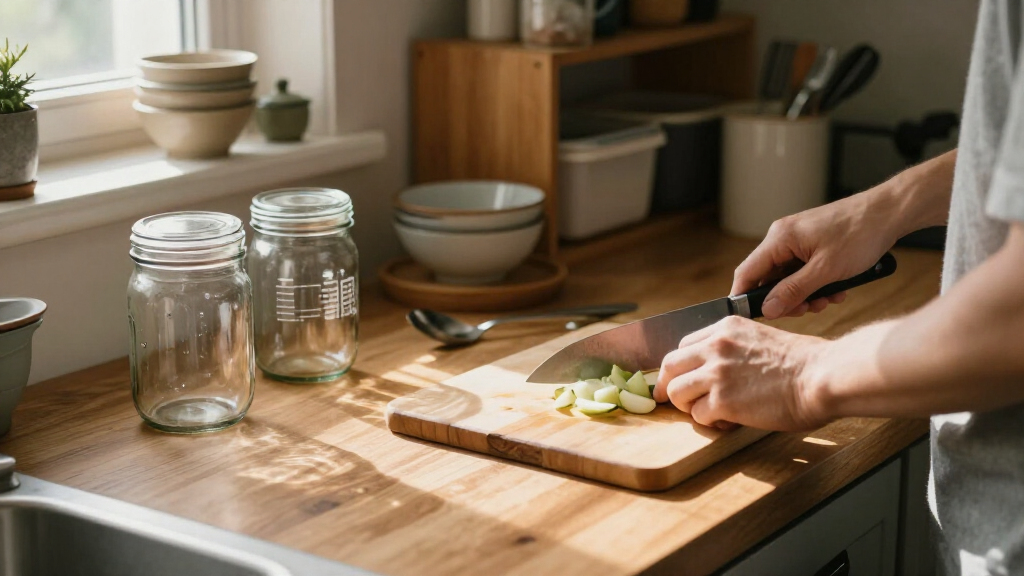
A bare minimum of manual tools covers most needs. A sharp chef’s knife and sturdy cutting board are essentials, allowing precise and safe preparation. A manual can opener, grater, and mortar and pestle expand your options for processing ingredients. A whisk, wooden spoon, and potato masher handle basic tasks, supporting versatile cooking without electricity. If you cook often, a hand-crank mill or eggbeater can be handy for grinding grains or beating eggs, respectively, adding to your manual toolkit. Use sealable containers and a wide-mouth thermos for storage and transport, reducing reliance on disposable packaging. A cast-iron skillet or heavy pot with a lid offers durability and versatility—perfect for frying, baking, or simmering. The key is to choose tools that are robust, multi-functional, and long-lasting. Remember, overbuying gadgets leads to clutter and waste; focus on quality tools you will use regularly. Regularly sharpening your knives and caring for your equipment prolongs their lifespan, making your manual toolkit more effective and sustainable over time. For example, I keep a sturdy cast-iron skillet for everything from frying eggs to baking bread. It’s simple, durable, and always ready, embodying the ethos of minimal, effective tools.
Store Food Without Wasting Energy—Smart Organizing Tips
If you have refrigeration, organize it so food stays visible and cool air circulates, preventing spoilage and energy waste. Store perishable items in the main compartment, and keep onions, potatoes, and root vegetables in cool, dark, ventilated spaces—this extends their freshness naturally. Without refrigeration, focus on shelf-stable foods: dried beans, grains, canned goods, and dried herbs. Proper storage prevents spoilage and pest issues, preserving food quality. Store fresh produce like cabbage, carrots, apples, and citrus in cool, shaded areas, protected from pests and temperature fluctuations. Traditional methods—fermenting, drying, and pickling—can extend shelf life significantly, reducing reliance on energy-intensive refrigeration. Following tested procedures ensures safety and effectiveness; improvised methods may lead to spoilage or foodborne illness. For example, I use a root cellar setup—an insulated, shaded space—to store potatoes and winter squash, naturally maintaining low temperatures without energy. Proper organization and traditional preservation techniques are essential for sustainable, off-grid food storage, minimizing energy use while maintaining food safety and quality.
Use Safe, Non-Electric Methods for Cooking Fuel
“Unplugged” doesn’t mean indoor fires or unsafe fumes. Use outdoor options—charcoal grills, camp stoves, or biomass cookers—outside safely away from enclosed spaces. Always follow safety guidelines and local regulations to prevent accidents and health hazards. Solar cookers are promising but depend heavily on weather and location; they slow down cooking but are excellent for sunny days and conserving fuel. Thermal cookers or haybox methods utilize residual heat—bring food to a safe temperature, then insulate to finish cooking without additional energy, reducing fuel consumption. For example, I use a solar oven during sunny days, roasting vegetables slowly with no fuel. When clouds roll in, I switch to a wood stove outside, ensuring safety and efficiency. Balancing these methods allows you to cook safely and sustainably, reducing reliance on electricity and fossil fuels, and supporting off-grid living with minimal environmental impact.
Water and Packaging—Cut Waste Beyond the Kitchen
Wash produce in a bowl instead of running water continuously—this conserves water and reduces runoff. Reuse rinse water for plants or cleaning, avoiding contamination from raw meats. Bring reusable bags and containers—buy in bulk when possible and use refillable bottles to minimize packaging waste. Choose package sizes that match your consumption; bulk buys save packaging waste but only if you’ll use the food before spoilage. Opt for minimal or recyclable packaging when shopping, supporting a circular economy. These practices reduce the environmental footprint of your daily routines, conserving resources and decreasing waste. For example, I buy dried beans in bulk, store them in a sealed jar, and only cook what I need, ensuring minimal waste and energy use. Thoughtful organization and reuse are key to a sustainable, low-waste kitchen that minimizes environmental impact beyond just the food itself.
Turn Food Scraps into Soil—Composting When Possible
Composting is a valuable way to return organic matter to the soil, but the best approach is to prevent waste in the first place. Focus on using scraps that can’t be eaten—fruit peels, coffee grounds, eggshells—especially when you have access to a composting system. Proper composting reduces landfill waste, lowers methane emissions, and creates nutrient-rich soil for your garden. However, be aware of the limitations: avoid adding meat, dairy, fats, and processed packaging to your home compost, as these can attract pests or cause odors, undermining the system’s effectiveness. Instead, use community composting programs or designated bins that can handle these materials safely. For example, I collect vegetable scraps in a bin, then add them to my outdoor compost pile, which enriches my garden soil and reduces overall waste. Composting is a vital component of a low-waste lifestyle—when combined with waste prevention—creating a closed-loop system that benefits your environment and enhances soil health.
Practical Meal Ideas for Low-Energy, Low-Waste Living
Focus on meals that use minimal heat and produce little waste. Examples include bean and cabbage salads with stale-bread croutons, couscous with chopped vegetables, or vegetable-stem slaws. These dishes leverage passive and no-cook techniques, which are especially valuable in an unplugged kitchen. Other ideas: overnight oats with overripe fruit, skillet hash from leftovers, or simple pasta tossed with breadcrumbs and greens. These formulas leave room for improvisation and help you make the most of what’s available, reducing the need for frequent shopping or energy-intensive cooking. For instance, last week I made a quick vegetable stir-fry using leftover greens, a handful of dried beans, and a splash of vinegar. It was filling, efficient, and waste-free. Embracing flexible, resourceful meal ideas can significantly lessen your environmental footprint and enhance your kitchen’s resilience by relying on what you already have.
Trends and Innovations—Where Low-Waste Meets Resilience
Low-waste cooking is evolving alongside energy resilience and climate awareness. More people explore thermal cookers, root-to-stem techniques, and preserved foods, recognizing that sustainable living involves both waste reduction and resilience to disruptions. The move toward community sharing, surplus markets, and fermentation is growing, fostering local self-reliance and reducing waste at a systemic level. Use of reusables, refillable packaging, and local sourcing complements waste reduction efforts, creating a more circular, sustainable food system. The focus is shifting from individual virtue to systemic change—better food systems support broader sustainability goals. For example, I participate in a local food-sharing app, swapping surplus vegetables with neighbors, reducing waste and building community resilience. These innovations demonstrate that low-waste living is part of a larger movement toward resilient, sustainable communities, emphasizing collective effort and systemic change over isolated individual actions.
Frequently Asked Questions
Does an unplugged kitchen mean cooking without any heat?
Not necessarily. It means reducing reliance on electricity, using manual tools, no-cook recipes, and passive techniques like residual heat or solar cooking. Gas or wood can be used outdoors, but indoor combustion should be avoided for safety.What should I keep in an unplugged pantry?
Stock shelf-stable foods like canned beans, dried grains, nuts, dried fruit, and pickles. Include durable produce such as carrots, apples, and citrus, plus dried herbs and oils. Focus on items that can be used without refrigeration or electricity.How can I reduce waste living alone?
Buy smaller quantities, freeze leftovers, choose versatile ingredients, and plan meals that can be transformed. Using scraps creatively and storing food properly helps minimize waste and makes your kitchen more efficient.Are vegetable scraps always safe to use?
Only use clean, uncontaminated scraps. Avoid moldy, bitter, or spoiled items. Proper identification and cleaning are essential—discard any questionable parts to prevent foodborne illness.Is eating food past its date safe?
It depends. Use-by dates indicate safety, while best-before are about quality. Always check smell, appearance, and storage conditions. When in doubt, err on the side of caution—especially with perishable foods.Conclusion
Cooking with less waste and energy isn’t about perfection—it’s about making smarter choices every day. Focus on preventing spoilage, using what you have, and respecting your resources. Over time, these small shifts can build a kitchen that’s more resilient, more sustainable, and more satisfying.
Picture a quiet, sunlit kitchen, where every scrap and every drop is honored. That’s the power of low-waste, unplugged cooking—simple, deliberate, and deeply rooted in self-reliance.
Fall Picks
fall essentials
As an affiliate, we earn on qualifying purchases.