TL;DR
A minimalist kitchen tool checklist emphasizes a handful of high-quality, versatile tools to streamline cooking. Investing in durable, multifunctional items cuts clutter and simplifies meal prep, especially in off-grid settings.
Imagine walking into a kitchen with only the tools you actually use. No clutter, no wasted space, just a handful of dependable items that serve multiple purposes. That’s the essence of a minimalist kitchen—less is more, but it must be enough.
If you’re into off-grid living, or simply crave a simpler, more efficient kitchen, building a solid, pared-down toolkit can transform your cooking experience. You’ll cut down on clutter, save money, and focus on mastering the basics. This guide will show you exactly what tools are worth keeping—and why.
Focus on 10-15 high-quality, versatile tools that cover most cooking tasks.
Choose durable materials like stainless steel, cast iron, and bamboo for longevity.
Prioritize multifunctional and space-saving tools to maintain a clutter-free kitchen.
Regular maintenance extends tool lifespan and keeps your kitchen running smoothly.
Avoid impulse buys and tailor your toolkit to your actual cooking habits.
A Minimalist Kitchen Tool Checklist
Imagine a kitchen with only the tools you actually use. No clutter, no wasted space—just a handful of dependable, multifunctional items that serve multiple purposes. Whether you’re into off-grid living or simply crave efficiency, this guide shows exactly which tools are worth keeping—and why.
A core set of 10–15 high-quality tools can handle most cooking needs, reducing clutter and waste over time.
Key Insight — Research SummaryWhat’s Actually Necessary? The Core Tools
In a minimalist kitchen, every tool must earn its spot. Think of your toolkit as a small crew of dependable workers—each blending durability, versatility, and portability.
Chef’s Knife
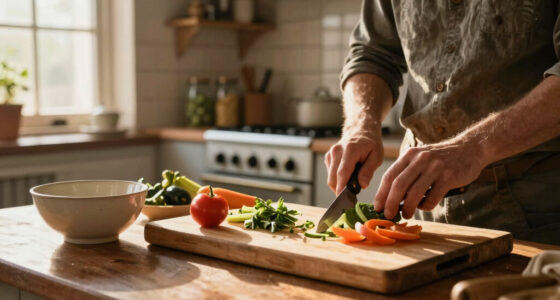
The workhorse for chopping, slicing, and dicing. A sharp, well-balanced blade is safer than a dull one.
Prep · SafetyCutting Board
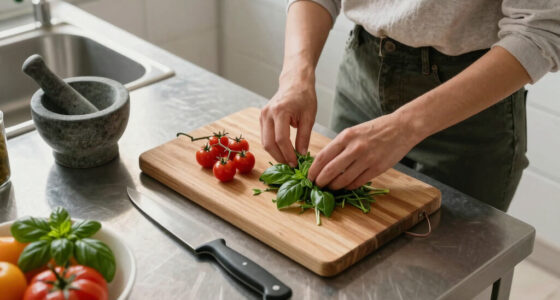
Wood or bamboo—sturdy, gentle on knives, and prevents cross-contamination with a stable surface.
Stability · HygieneCast Iron Skillet
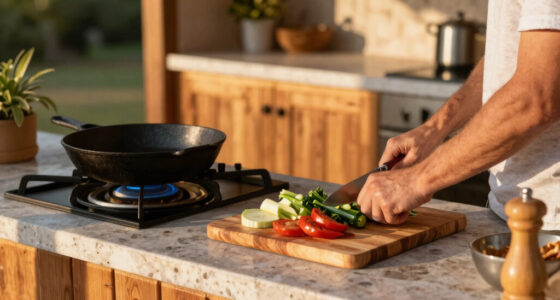
Frying, roasting, searing, even baking. Excellent heat retention and durability vital for off-grid setups.
Heat · VersatilitySmall Saucepan
Boiling water, sauces, and leftovers. Compact, energy-efficient, and ideal for small cooking setups.
Compact · EfficientMeasuring Cups & Spoons
Precision for baking and preservation. Accurate measurements ensure better results and reduce waste.
Precision · Low WasteSpatula & Spoon
Flipping, stirring, serving. A sturdy heat-resistant spatula replaces multiple utensils at once.
Multi-use · Heat-safeColander
Washing produce or draining pasta. Proper draining prevents sogginess and ensures food safety.
Wash · DrainMulti-purpose Tool
Can opener, peeler, and slicer in one. Reduces gadget count and simplifies storage anywhere.
3-in-1 · Space-saverFive Rules of the Minimalist Kitchen
Focus on 10–15 versatile tools that cover most cooking tasks—enough to do everything, nothing that gathers dust.
Choose durable materials like stainless steel, cast iron, and bamboo for decades of reliable service.
Prioritize multifunctional, space-saving tools to maintain a clutter-free kitchen in any setting.
Maintain tools regularly—proper care extends lifespan and keeps your kitchen running smoothly off-grid.
Avoid impulse buys and tailor your toolkit to your actual cooking habits, not aspirational ones.
How to Pick Tools That Last
Quality tools are an investment that pays off over time—fewer replacements, less waste, and a more reliable kitchen. Here’s how the core materials compare.
| Material | Durability | Maintenance | Hygiene | Off-Grid Suitability |
|---|---|---|---|---|
| Stainless Steel | ✓ Excellent | ✓ Rust-resistant, easy clean | ✓ Non-porous | ✓ Ideal — tough & long-lasting |
| Cast Iron | ✓ Lifetime potential | ~ Needs seasoning | ✓ Naturally seasoned surface | ✓ Ideal — improves with age |
| Bamboo | ✓ Very good | ✓ Easy to clean | ✓ Antimicrobial surface | ✓ Sustainable & renewable |
| Silicone | ~ Good | ✓ Dishwasher safe | ✓ Non-porous | ~ Good — collapsible options |
| Cheap Plastic | ✗ Poor | ✗ Stains & cracks | ✗ Scratches harbor bacteria | ✗ Avoid — frequent replacement |
Every Inch Counts
In a small or off-grid setting, space is a precious resource. These strategies, ranked by space recovered, keep tools accessible and cabinets clear.
Tools That Do Double Duty
Multi-purpose tools replace several single-function gadgets. The tradeoff is often a higher initial cost—but long-term savings and convenience make it worthwhile.
Heat-Resistant Spatula
- Flips pancakes and eggs
- Serves salads at the table
- Scrapes every last bit of batter
Multi-Use Knife
- Built-in bottle opener
- Integrated peeler for prep
- Serrated edge for bread & fruit
Cast Iron Skillet
- Sears meats on the stove
- Bakes bread in the oven
- Roasts vegetables—lasts decades
Care Habits That Make Tools Last Decades
Proper care keeps tools performing well—especially off-grid where replacements aren’t always within reach. Follow the chain from purchase to decades of service.
Buy Quality
Stainless steel, cast iron, bamboo. Feel the weight—well-balanced tools indicate craftsmanship.
Clean Promptly
Easy cleaning encourages consistent use and prevents buildup that shortens tool life.
Season & Sharpen
Season cast iron regularly; keep knives sharp. A sharp blade is safer than a dull one.
Store Smart
Magnetic strips, nesting sets, and vertical storage protect edges and free up space.
Decades of Service
A maintained cast iron skillet can last a lifetime—and even improve with age.
What’s Actually Necessary? The Core Tools You Need
In a minimalist kitchen, every tool must earn its spot. Think of your toolkit as a small crew of dependable workers, each with a clear purpose. The essentials blend durability, versatility, and portability.
For most off-grid cooks, this means a handful of tools that can handle a variety of tasks:
- Chef’s knife: The workhorse for chopping, slicing, and dicing. A good knife not only speeds up prep but also reduces the risk of accidents, because a sharp, well-balanced blade is safer than a dull one.
- Cutting board: Preferably wood or bamboo—sturdy, easy to clean, and gentle on knives. Its importance lies in providing a stable surface that protects your blades and prevents cross-contamination.
- Skillet or cast iron pan: Perfect for frying, roasting, and searing. Cast iron, in particular, offers excellent heat retention and durability, which is vital in off-grid situations where replacements are harder to come by. Its versatility means it can replace multiple pans, saving space and money.
- Small saucepan: For boiling water, making sauces, or heating leftovers. Its compact size makes it ideal for small cooking setups and energy efficiency.
- Measuring cups and spoons: For precision, especially in baking or preservation. Accurate measurements ensure better results and reduce waste, which is crucial when resources are limited.
- Spatula and stirring spoon: For flipping, stirring, and serving. A sturdy, heat-resistant spatula minimizes the need for multiple utensils and streamlines cooking processes.
- Colander or strainer: Essential for washing produce or draining pasta. Its role is often overlooked, but proper draining prevents sogginess and ensures food safety.
- Multi-purpose tool or knife: For opening cans, peeling, or slicing. A well-designed multi-tool reduces the number of gadgets needed, saving space and simplifying storage.
These tools, when chosen well, cover almost everything from breakfast to dinner, without cluttering your space. They form a foundation that emphasizes efficiency, durability, and minimalism, which are all vital in off-grid living.
As an affiliate, we earn on qualifying purchases.
How to Pick the Best Quality Tools That Last
Choosing quality over quantity makes all the difference. Your goal: tools that can withstand frequent use in an off-grid kitchen and age gracefully. High-quality tools are an investment that pays off over time, reducing the need for replacements and minimizing waste—a critical consideration in off-grid living where resources and access to replacements are limited.
Look for materials like stainless steel for utensils and cookware—rust-resistant, easy to clean, and tough. These qualities ensure longevity and reduce maintenance time. For cutting boards, bamboo offers durability with a natural antimicrobial surface that resists bacteria, making it a hygienic choice that lasts longer than softer woods or plastics.
Trust craftsmanship. A well-made cast iron skillet, for example, can last a lifetime and even improve with age if properly maintained. Its ability to handle high heat and distribute it evenly makes it invaluable. Read reviews, feel the weight, and consider how easy each item is to maintain—heavy, well-balanced tools often indicate quality craftsmanship and durability.
Remember: investing in fewer, better tools means fewer replacements, less waste, and a more reliable kitchen setup. This approach emphasizes sustainability and long-term functionality, key in off-grid contexts where shopping for replacements isn’t always feasible.
high-quality multifunctional cooking utensils
As an affiliate, we earn on qualifying purchases.
As an affiliate, we earn on qualifying purchases.
Space-Saving Strategies for a Clutter-Free Kitchen
In a small or off-grid setting, space is a precious resource. The key: choose tools that are stackable, foldable, or multi-purpose. When tools serve more than one function, you free up room for other essentials, making your kitchen more efficient and less overwhelming.
Some practical tips:
- Use stackable containers for storage—think nesting measuring cups or collapsible silicone funnels. These save space and keep your tools organized.
- Hang tools on a magnetic strip mounted on the wall—this keeps frequently used items accessible and frees up drawer space, reducing clutter and making cleaning easier.
- Opt for multi-use tools like a spatula that doubles as a turner and a scraper. These combine functions, reducing the number of utensils needed and streamlining your workflow.
- Choose foldable utensils or collapsible water bottles to save space during storage or travel. These adaptable tools are especially useful in tiny homes or when packing for trips or emergencies.
Example: a cast iron skillet with a removable handle can be stored vertically or stacked with other cookware, freeing up cabinet space. Every inch counts when you’re off-grid or living in a tiny home. Efficient storage not only saves space but also reduces the time spent searching for tools, making your cooking more enjoyable and less stressful.
As an affiliate, we earn on qualifying purchases.
Multifunctional Tools That Do Double Duty
In a minimalist toolkit, multi-purpose tools are your best friends. They reduce clutter and make your kitchen more efficient by replacing several single-function gadgets. The key is to select tools that perform well across multiple tasks, ensuring you don’t compromise on quality or functionality.
For example, a spatula that’s heat-resistant and flexible can flip pancakes, serve salads, or scrape batter—covering multiple needs with one tool. A multi-use knife with a built-in bottle opener, peeler, and serrated edge simplifies prep work and cuts down on the number of utensils you need. Such knives often feature ergonomic handles and high-quality blades, making them reliable for various tasks.
Another gem: a cast iron skillet can go from stove to oven, searing meats, baking bread, or roasting vegetables, replacing several specialized pans. Its durability and heat retention make it a cornerstone of a minimalist kitchen—one tool that does many jobs and lasts for decades.
Investing in these tools pays off by reducing clutter, simplifying your setup, and ensuring longevity. They are especially valuable in off-grid environments where space and resources are limited, and replacing tools can be challenging. The tradeoff is often a higher initial cost, but the long-term savings and convenience make it worthwhile.
As an affiliate, we earn on qualifying purchases.
Simple Maintenance Tips to Keep Your Tools Last Decades
Good tools are a long-term investment. Proper care extends their life and keeps them performing well, which is especially vital in an off-grid setting where replacements are less accessible. For example, cast iron pans should be seasoned regularly—applying a thin layer of oil and heating them to maintain their non-stick surface—and cleaned with minimal soap, just hot water and a stiff brush, to preserve their seasoning and prevent rust.
Wooden cutting boards need occasional oiling with food-safe oil, such as mineral oil, to prevent cracking and warping. This simple step maintains their integrity and prolongs usability. Stainless steel utensils are dishwasher safe, but hand washing with gentle soap and drying immediately prevents pitting and keeps them shiny.
Store tools in a dry, sheltered place to prevent rust, and regularly check for loose handles or damaged edges. Tightening handles or replacing damaged parts early can prevent bigger issues later. A little routine maintenance—like sharpening knives or oiling tools—can significantly extend their lifespan, saving money and reducing waste over time. In off-grid environments, where sourcing replacements is more difficult, this proactive approach is crucial for maintaining an efficient, reliable kitchen.
Frequently Asked Questions
How few tools can I get away with in a minimalist kitchen?
Most off-grid cooks find that around 10-15 carefully selected tools—like a quality chef’s knife, cast iron skillet, and a few utensils—are enough for nearly any meal.What’s the best way to organize my minimalist tools?
Use wall-mounted magnetic strips, drawer dividers, or stacking containers. Keep frequently used tools within easy reach, and store seasonal or rarely used items separately.Can I cook diverse meals with just a small toolkit?
Absolutely. Versatile tools like a good chef’s knife, a cast iron skillet, and a small saucepan can handle everything from stir-fries to baking bread, making your small toolkit surprisingly capable.How do I avoid buying unnecessary tools?
Identify your most common cooking tasks first. Then, choose tools that serve multiple functions and are built to last. Avoid impulse purchases and focus on quality over quantity.What’s the biggest mistake in building a minimalist kitchen?
Buying trendy gadgets that don’t fit your cooking style or cluttering your space with cheap, disposable tools. Be intentional, and select only what truly enhances your cooking experience.Conclusion
Building a minimalist kitchen isn’t about stripping away everything. It’s about choosing the right tools—durable, versatile, and suited to your needs—that turn cooking into a simple, satisfying task. Less clutter, less stress, more confidence.
Imagine a kitchen where every tool has a purpose, and space feels open instead of crowded. That’s the power of a well-curated, minimalist toolkit—an off-grid kitchen that’s ready for anything.