TL;DR

Get kitchen gear delivered free — and shop member deals
- Fast, free delivery on millions of items
- Access to Prime Big Deal Days deals on October 6–7
- Prime Video, Amazon Music and more included
Cooking without a microwave is simple with stovetops, ovens, and alternative appliances. Proper technique and planning help you reheat and prepare food efficiently, maintaining texture and flavor.
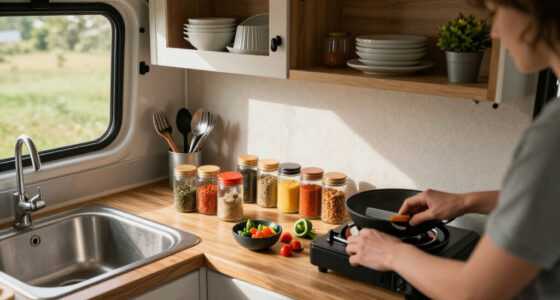
Imagine a kitchen where the hum of a microwave is replaced by the satisfying sizzle of a skillet or the gentle warmth of an oven. Cooking without a microwave isn’t just for off-grid living — it’s a skill that deepens your connection to the food, improves flavors, and often results in better textures. No more reliance on quick, plastic-safe reheating; instead, you gain control over moisture, browning, and even the aroma of your meals.
In this guide, you’ll learn how to reheat, cook, and defrost using tools you already have or can easily acquire. Whether you’re off-grid, reducing plastic use, or just curious about more durable, skill-based methods — this approach makes your kitchen more reliable and satisfying.
Use a covered skillet or saucepan with a splash of liquid for gentle, even reheating of leftovers.
Cooking from scratch with traditional methods offers better control over texture and flavor.
Plan ahead with batch cooking and proper storage to minimize the need for quick reheats.
For crispy leftovers, skip the microwave entirely—use a skillet or oven instead.
Defrost food safely in the refrigerator or cold water, avoiding room temperature thawing.
How to Cook Without a Microwave
Replace the hum of the microwave with the sizzle of a skillet and the gentle warmth of an oven. This guide shows you how to reheat, cook, and defrost using tools you already own — with better texture, deeper flavor, and full control over moisture and browning.
Six Skills That Replace Every Microwave Task
Every job the microwave does, a traditional method does better — if you know which tool to reach for. These are the core competencies of a microwave-free kitchen.
Covered Skillet Reheating
Low-to-medium heat with a splash of water, broth, or milk. Stir often for gentle, even warming — no dried-out edges, no rubbery centers.
Boil, Bake & Sauté
Cook grains in covered pots with herbs in the water; roast vegetables until caramelized. Maillard browning builds flavor microwaves can’t replicate.
Refrigerator Thawing
Move frozen food to the fridge overnight for gradual, even thawing that preserves cell integrity — no room-temperature bacterial risk.
Saucepan & Kettle
Low heat and frequent stirring prevent scorching in milk and thick liquids. Bring soups and sauces to a thorough simmer while stirring.
Steamer Basket Cooking
A basket, colander, or covered pan with minimal water. Preserves nutrients, color, and firm-tender texture better than boiling or microwaving.
Dry Heat Revival
Pizza, fries, and breaded dishes go into a skillet, oven, or air fryer. Dry, circulating heat restores crunch instead of steaming it away.
The Right Tool for Every Task
Ten everyday microwave jobs, matched with the technique and approach that outperforms the beep-and-blast method.
| Task | Recommended Method | Typical Approach |
|---|---|---|
| Reheat soup or stew | Saucepan | Low-to-medium heat; stir regularly |
| Reheat rice or pasta | Covered pan | Add a little water or sauce |
| Reheat pizza | Skillet, oven, or air fryer | Heat until the base is crisp |
| Warm a casserole | Oven or toaster oven | Cover initially; uncover to crisp |
| Cook frozen vegetables | Steamer or covered saucepan | Add minimal water |
| Melt butter or chocolate | Double boiler or low heat | Stir frequently |
| Make oatmeal | Saucepan | Simmer while stirring |
| Heat a single serving | Small skillet or toaster oven | Use low heat to avoid drying |
| Defrost food | Refrigerator or cold water | Plan ahead; keep food cold |
| Warm bread | Oven, toaster, or skillet | Brief, moderate heat |
Thaw Without the Defrost Button
Defrosting is about controlling temperature to prevent bacterial growth. Two safe paths — one slow, one faster — beat room-temperature thawing every time.
Freezer → Fridge
Move frozen food to the refrigerator the night before. Gradual, even thawing preserves cell structure and texture.
Cold-Water Bath
Sealed bag, fully submerged. Refresh the water every 30 minutes to keep temperatures consistently cold and safe.
Cook From Frozen
When appropriate, skip thawing entirely and cook directly from frozen — a fully valid, safe shortcut.
Verify & Cook
Ensure food stays cold throughout thawing, then cook immediately. Reheated food must be hot all the way through.
Never thaw perishable food at room temperature. Slow, controlled thawing preserves cell integrity — the result is more tender, evenly cooked meals and less food waste.
Moist vs. Dry: Choose Your Heat
The single biggest decision when reheating: does this food need moisture retained, or crunch restored? Position your dish on the spectrum before you turn on the burner.
Cover & Add Liquid
Rice, pasta, grains, and stews get a splash of water or sauce under a lid. Delicate foods and dairy sauces need gentle, low heat.
Stir & Turn
Stirring prevents scorching and eliminates the cold spots microwaves are infamous for. Check the center of thick dishes.
Reheat Once
Warm only the portion needed. Repeated heating reduces quality and raises food-safety risks — portion before you store.
What You Gain vs. What You Give
Going microwave-free isn’t free — you trade speed and convenience for control, flavor, and texture. Here’s the honest ledger.
Air fryers, compact convection ovens, and portable induction burners have become the go-to microwave alternatives — fast, responsive, and excellent at restoring crisp textures.
Five Rules for the Microwave-Free Kitchen
Cover and moisten. A covered skillet or saucepan with a splash of liquid gently and evenly reheats leftovers.
Cook from scratch. Traditional methods give superior control over texture and flavor development.
Plan ahead. Batch cooking, portioning, and overnight fridge moves minimize the need for quick reheats.
Crisp, don’t steam. For fries, breaded chicken, and pizza, skip the microwave — use a skillet or oven.
Thaw cold. Defrost in the refrigerator or cold water only — never at room temperature.
Choose gear wisely. Heavy-bottomed pans, oven-safe glass and ceramic, sheet pans, and tight-fitting lids improve heat distribution and moisture retention.
Reheat Food Like a Pro—No Microwave Needed
Reheating doesn’t have to be a chore. Use a covered skillet or saucepan over low to medium heat. Add a splash of water, broth, or milk to keep things moist. Stir often to prevent sticking or scorching. Think of it like giving your leftovers a gentle, warm hug — no harsh microwave blast needed.
For example, reheating rice or pasta in a covered pan with a little water ensures even warming and avoids that dried-out feel microwave reheats often leave behind. Plus, you can add fresh herbs or a drizzle of olive oil during reheating for extra flavor.
Why this matters: Unlike microwave reheating, which can cause uneven heating and moisture loss, stovetop methods allow you to control temperature and moisture levels precisely. This reduces the risk of overcooking or drying out your food, leading to leftovers that taste just as good as when they were first made. The tradeoff is that it takes a bit more time and attention, but the results are worth it for texture and flavor.
As an affiliate, we earn on qualifying purchases.
Master the Art of Cooking from Scratch Without a Microwave
Cooking from scratch relies on traditional methods like boiling, baking, steaming, and sautéing. These methods often provide a level of control and flavor development that microwaves cannot replicate. For instance, cooking grains like rice or quinoa in a covered pot not only ensures even doneness but also allows you to add herbs or spices directly into the cooking water, infusing flavor from the inside out. This deepens the taste profile and improves texture—something microwave reheating can’t achieve.
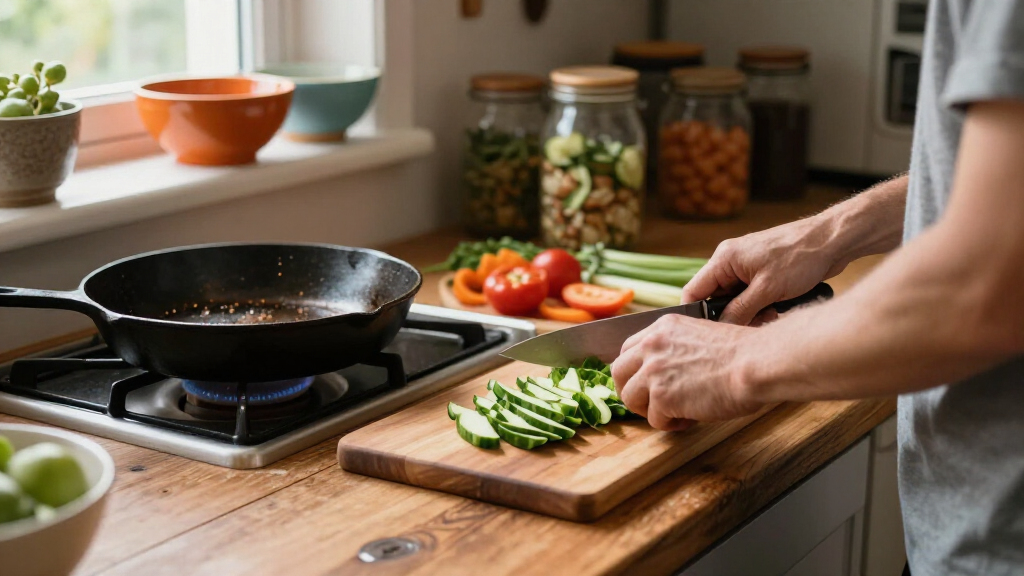
Roasting vegetables in a cast iron skillet or oven isn’t just about convenience—it allows caramelization, which enhances sweetness and adds complex flavors through Maillard reactions. This process creates a richer, more layered flavor compared to the dull, sometimes rubbery results from microwave heating. Similarly, slow-cooking meats or proteins develops tenderness and depth of flavor, giving you a satisfying meal that’s full of nuance.
Why it matters: These traditional techniques enable you to manipulate textures and flavors more precisely, often resulting in more satisfying and nutritious meals. The tradeoff is a longer cooking time and more active involvement, but the payoff is a superior culinary experience that emphasizes quality over speed.
As an affiliate, we earn on qualifying purchases.
Defrost Safely and Effectively Without a Microwave
Defrosting food without a microwave requires strategic planning because it involves controlling temperature to prevent bacterial growth and preserve food quality. Placing frozen meat or vegetables in the refrigerator overnight is the safest method, as it allows gradual, even thawing that maintains the food’s structure and prevents spoilage. This slow process also helps preserve the texture by avoiding rapid temperature shifts that can cause cell damage or uneven cooking later.
For quicker yet still safe thawing, sealing food in a plastic bag and submerging it in cold water is effective. Changing the water every 30 minutes ensures consistent cold temperatures, preventing bacterial growth while speeding up the process. This method is particularly useful when you need to cook the food soon after thawing but don’t want to compromise safety or texture.
Why it matters: Proper thawing techniques minimize food waste and ensure safety, but they also impact the final dish’s texture. Slow, controlled thawing preserves cell integrity, resulting in more tender and evenly cooked meals. The tradeoff is the need for planning and patience, as these methods take longer than microwave defrosting but deliver better overall quality and safety.
As an affiliate, we earn on qualifying purchases.
Heating Liquids and Soups Without a Microwave
Use a saucepan or kettle for water, milk, or soup. Pour the liquid into your pot, set it over low heat, and stir often. This prevents scorching and ensures even warming. For a cup of tea or coffee, a simple stovetop boil or gentle simmer does the trick. For soups, simmer until steaming hot—roughly 5-10 minutes, depending on quantity.
Imagine reheating a hearty vegetable stew: you bring it to a gentle simmer, stirring regularly, until it’s hot all the way through. The aroma of herbs and spices intensifies, and the texture remains tender, unlike the rubbery leftovers often produced by microwave reheats. This method allows flavors to meld and develop further, creating a richer, more satisfying experience.
Why it matters: Even heating on the stovetop preserves the integrity of delicate ingredients and allows for flavor enhancement through gentle simmering. Microwave heating can cause uneven temperature zones, which may lead to overcooked or dried-out parts. The tradeoff is a bit more time and attention, but the improved flavor and texture are well worth it.
As an affiliate, we earn on qualifying purchases.
Steaming Vegetables and Fish—No Fancy Equipment Needed
Steaming is one of the easiest and most delicate ways to cook without a microwave. Use a simple steamer basket, a metal colander over a pot, or even a covered pan with a small amount of water. Bring water to a boil, add your vegetables or fish, then cover and steam for a few minutes—until tender and vibrant. This gentle process preserves nutrients, color, and texture better than boiling or microwave steaming, which can sometimes leach out flavors or produce mushy results.
For example, fresh broccoli turns a bright emerald green after just 4-5 minutes of steaming. The texture stays firm but tender, and the flavor is fresh and clean—better than the often mushy results from microwave steaming. This method’s simplicity allows you to retain maximum nutritional value and achieve a satisfying, fresh taste that highlights the natural qualities of your ingredients.
Why it matters: Steaming preserves more nutrients and maintains the integrity of delicate foods, making it ideal for health-conscious cooking. The tradeoff is that it requires a little more time and attention than microwave steaming, but the quality of the results compensates for this extra effort.
How to Reheat and Cook Food for Crisp, Not Soggy, Results
When you want crispy leftovers—think fries, breaded chicken, or pizza—skip the microwave. Use a skillet or toaster oven. For pizza, place slices in a skillet over medium-low heat. Cover briefly, then uncover if needed, to crisp the crust. This method allows the crust to regain its crunch while melting the cheese evenly—emulating the fresh-from-the-oven texture. For fries or chicken, a hot oven at 400°F for 10-15 minutes restores crunch by evaporating residual moisture, which microwaves tend to trap and make soggy.
For example, reheating pizza in a cast iron skillet takes about 5 minutes, leaving a crispy bottom and melty cheese on top. It’s a method that balances heat and moisture, resulting in a satisfying, restaurant-quality reheat. This approach is especially effective because it leverages dry, circulating heat that promotes Maillard reactions, creating a desirable crispy exterior and tender interior.
Why it matters: Achieving crispness without frying or breading is a skill that greatly improves the eating experience of leftovers. The tradeoff is slightly longer reheating times and the need to monitor the process, but the payoff is a superior texture that makes leftovers almost indistinguishable from fresh food.
Compare Your Options—Which Appliance Replaces the Microwave Best?
| Task | Recommended Method | Typical Approach |
|---|---|---|
| Reheat soup or stew | Saucepan | Low-to-medium heat; stir regularly |
| Reheat rice or pasta | Covered pan | Add a little water or sauce, stir often |
| Reheat pizza | Skillet or air fryer | Heat until crust is crisp and cheese melts |
| Cook frozen vegetables | Steamer or covered saucepan | Minimal water, steam until tender |
| Defrost meat | Refrigerator or cold water bath | Plan ahead; keep food cold |
Smart Tips for Better Off-Grid Cooking Without a Microwave
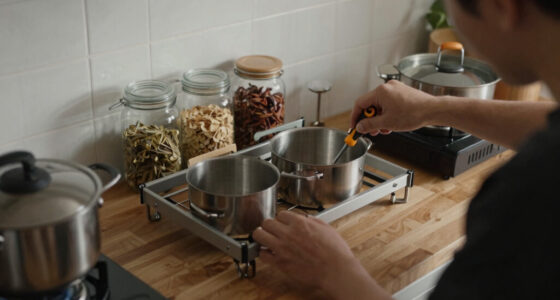
Plan ahead. Batch cook grains, roast vegetables, and prepare sauces so you’re not desperate to reheat. Use covered cookware to trap moisture and heat evenly. Keep a variety of durable tools on hand—cast iron pans, stainless-steel pots, sturdy sheet pans, and steaming baskets.
For example, roasting a batch of root vegetables on a sheet pan takes 30 minutes at 400°F. You can then reheat portions in a skillet or oven, maintaining a crisp exterior and tender interior.
Remember: smaller portions heat faster, saving fuel and time. Use your senses—smell, sight, sound—to judge when food is ready, instead of relying on timers alone.
Why this matters: Effective planning and use of durable tools allow you to cook and reheat efficiently off-grid, minimizing waste and dependence on electricity or specialized appliances. This proactive approach ensures you can enjoy flavorful, well-textured meals anytime, with less stress and more control over the process.
Frequently Asked Questions
Can I live comfortably without a microwave?
Absolutely. A stovetop, oven, and basic tools like a kettle and steamer basket can cover nearly all your reheating and cooking needs. It’s a matter of adjusting habits and planning your meals ahead.What’s the fastest way to reheat leftovers without a microwave?
Use a covered skillet or saucepan over low to medium heat. For crispy foods, an oven or air fryer works well. Dividing large portions into smaller pieces helps speed up the process.How do I reheat rice without drying it out?
Add a spoonful of water or broth to the rice in a covered pan. Warm it gently over low heat while stirring occasionally. This keeps moisture in and prevents clumping or burning.How do I reheat pizza without making it soggy?
Place slices in a skillet over medium-low heat, cover briefly, then uncover to crisp the crust. This method preserves texture better than the microwave.How can I defrost meat safely without a microwave?
Thaw in the refrigerator overnight or seal in a bag and submerge in cold water, changing the water every 30 minutes. Cook immediately after thawing for safety and best texture.Conclusion
Mastering how to cook without a microwave means reclaiming control over your food’s quality and flavor. It’s about patience and familiarity with your tools—knowing when to stir, cover, or roast. This approach makes your kitchen more reliable, less dependent on plastic, and deeply satisfying.
Next time you reach for a quick reheat, remember: a skillet, a stove, and a little planning can turn leftovers into something better than a microwave ever could. Your kitchen—your rules—your flavor.
Fall Picks
fall essentials
As an affiliate, we earn on qualifying purchases.