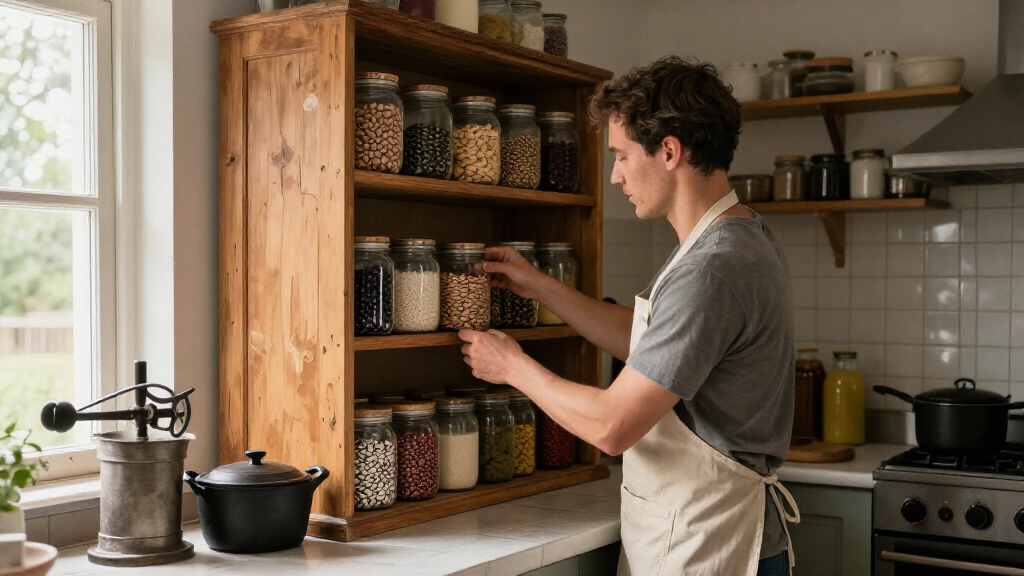
TL;DR

Get kitchen gear delivered free with Prime
- Fast, free delivery on millions of items
- Prime Video, Amazon Music and more included
- Member-only deals all year
A non-electric pantry supports meals when refrigeration, electric cooking, or other appliances are unavailable. Build it around foods you already eat, include safe drinking water and ready-to-eat options, and match long-cooking staples to a safe cooking plan. Store food cool, dry, and dark, then rotate it as part of ordinary shopping.
A pantry full of dry beans can look reassuring—until the power is out, the stove is electric, and you have no spare water for soaking or cooking. Food on the shelf is not automatically a meal. A useful non-electric pantry connects what you store with how you will prepare it, what your household will eat, and how much clean water you can count on.
This guide will help you build that connection. You’ll learn how to plan familiar meals, choose foods that need little or no cooking, store water, match staples to a safe cooking method, and rotate your supplies without wasting money. The same approach works for a short outage, a camping trip, or an electric pantry designed to support meals when refrigeration, electric cooking, or other appliances are unavailable.
Plan meals from familiar foods and check the water, heat, tools, and ingredients each meal needs.
Keep several ready-to-eat options, such as canned beans, crackers, nut or seed butter, and dried fruit.
Use one gallon of water per person per day for several days as a common starting point, then adjust for local guidance and household needs.
Pair dry beans and grains with a safe cooking method, fuel, cookware, and enough water.
Store supplies cool, dry, dark, and pest-protected; rotate older items into regular meals and discard damaged cans.
Stocking a Non-Electric Pantry Plan meals, water, and safe preparation
A useful pantry turns familiar foods into meals when refrigeration or electric cooking is unavailable. Match what you store with the water, tools, and safe cooking options you can count on.
Build meals from familiar foods
Plan meals your household will eat, including dietary, medical, and age-specific needs.
Oats and dried fruit
A familiar option that can use hot water.
Crackers and seed butter
A ready-to-eat pairing when heat is unavailable.
Beans and rice
Plan for enough water and a safe way to cook the rice.
Make water part of the plan
Drinking, cooking, and cleaning all draw on the same supply; household needs may be higher in hot weather, during illness or pregnancy, or when caring for pets.
Use the common starting point, then adjust for your household and local emergency guidance.
Use clean, food-grade containers and follow the manufacturer’s directions.
Check that planned meals leave enough for drinking and sanitation.
Match staples to preparation
Dry foods can be compact and economical, but some need more water, fuel, and time.
- Canned beans, fish, or chicken
- Crackers, nut or seed butter, and dried fruit
- Check package directions and storage needs
- Dry beans and grains need water and time
- Use compatible cookware and a safe heat source
- Keep a manual can opener with canned food
Store and rotate supplies
Keep food cool, dry, dark, and protected from pests; heat and moisture can shorten shelf life.
- Use older items first and replace them during regular shopping.
- Follow package instructions and check storage requirements.
- Discard damaged, swollen, leaking, or badly rusted cans.
Plan meals you already know how to make
Stocking a Non-Electric Pantry works best when you plan meals before you buy supplies. Choose foods that combine into familiar breakfasts, lunches, and dinners, then check whether each meal needs water, heat, or tools. A pantry becomes useful when ingredients turn into meals; a shelf of unrelated cans may leave you short on the one thing you need.
For instance, oats with dried fruit can make breakfast with hot water, while crackers and nut butter need no cooking at all. Canned beans, rice, and shelf-stable sauce can become a warm dinner if you have water and a safe way to cook the rice. If you do not, pair the beans with tortillas or crackers and save the rice for another day. Think of the pantry like a small hand-powered kitchen: every ingredient needs a job and a workable partner.
Write down three days of meals for the people in your home. Include foods that meet allergies, medical needs, cultural preferences, and age-specific needs, along with pet food if you have animals. A household that regularly eats lentil soup should store familiar lentils and seasonings, not a pile of unfamiliar emergency meals that may go untouched.
- Breakfast: oats, cereal, dried fruit, shelf-stable milk, or seed butter on crackers.
- Lunch: canned beans, fish, or chicken with crackers, tortillas, or fruit cups.
- Dinner: pasta with sauce, instant potatoes with canned vegetables, or a ready-to-eat meal.
For every planned dish, ask a plain question: Can you make and eat this with the water, fuel, and tools you expect to have? That check catches gaps before a storm does.
Products Worth Considering

KitchenAid 28 oz Cold Brew Coffee Maker, KCM4212

Instant Pot InstantChill Ice Cream Maker with Rolled Ice Cream, 2-Pint

Traeger Pro 22 Wood Pellet Grill and Smoker, 572 sq. in.
As an affiliate, we earn on qualifying purchases.
Choose foods you can eat before you light a stove
Stocking a Non-Electric Pantry means keeping some food you can eat safely without cooking. Ready-to-eat choices matter when fuel runs out, you cannot use a stove safely, or you simply need lunch while you sort out a disruption. Build in several meals that need no heat, so every plate does not depend on fire, fuel, or boiling water.
Crackers with nut or seed butter, canned beans, fish, fruit cups, applesauce, dried fruit, cereal, and suitable shelf-stable meals can fill that role. Check package directions: some products labeled shelf-stable still call for preparation, and shelf-stable milk or plant drinks may need refrigeration after opening. If you keep canned foods, store a manual can opener with them. Finding a can of beans and then discovering you cannot open it is a small, avoidable failure.
Imagine an evening outage after a long day. A bowl of cereal with a shelf-stable drink and a piece of fruit gets dinner started without asking you to boil water. A later meal might pair canned beans with crackers, oil, and spices. These choices may not resemble your usual supper, but familiar flavors can make a difficult evening feel more manageable.
Use this simple check when adding an item: Could you serve it without cooking, and would your household actually eat it? If the answer to either question is no, balance it with something easier or keep it as a secondary meal. Ready-to-eat food gives you flexibility; it does not have to replace the meals you enjoy.
Store enough water to make your food usable
Stocking a Non-Electric Pantry also means storing water for drinking, cooking, and cleaning. Many emergency guides use at least one gallon per person per day for several days as a starting point, though your needs may be higher in hot weather, during illness or pregnancy, or when you care for pets. Follow local emergency-management guidance for your area.
Water is an ingredient, a cooking tool, and part of sanitation. A cup of oats may use little; dried beans require far more water for soaking and cooking. Even washing a knife or rinsing a pot draws from the same supply. Put those uses on paper beside your meal plan, and you can see whether your stored amount supports the food you chose.
Use clean, food-grade containers and follow the manufacturer’s directions for filling and storage. Keep containers sealed and protected from contamination, and note when you filled them if your local guidance calls for periodic replacement. For example, if two people plan three days of meals, the one-gallon-per-person-per-day starting point gives them six gallons before they account for extra cooking, cleaning, weather, or pets. That number is a planning baseline, not a promise that every household’s needs are the same.
When a disruption affects public water, follow local instructions about treatment and whether the water is safe for drinking or food preparation. A supply of food cannot compensate for unsafe water. Plan meals around the clean water you can store, and keep a portion available for drinking instead of spending it all on long-cooking recipes.
Match dry staples to fuel, cookware, and safe cooking
Dry grains and beans are economical pantry staples, but they only work as planned if you can cook them safely. Stocking a Non-Electric Pantry with long-cooking foods means also planning for water, fuel, time, and compatible cookware. If one of those is missing, a meal that looked simple on paper can become impractical.
Rice and pasta can be useful when you have a safe heat source; dry beans ask for more time and water. Instant potatoes, couscous, and some oats need less cooking, while canned beans and ready-to-eat meals offer options when heat is unavailable. For instance, a family with a camp stove might reserve dry beans for a planned outdoor meal and keep canned beans and crackers for the first night of an outage. This is a tradeoff between storage efficiency and preparation demands: dry staples are often compact and inexpensive, but they depend on resources that may be scarce during an outage.
Choose equipment you know how to use. A manual can opener, sturdy utensils, and cookware suited to your cooking setup can make a basic pantry much easier to manage. Follow the equipment maker’s instructions. Use camp stoves, grills, and generators outdoors, away from doors and windows; never operate them inside because fire and carbon monoxide can kill. Use appropriate protective gear around hot cookware, and keep children clear of open flames and hot surfaces.
A fireplace or wood stove should only serve as a cooking surface if it is designed and set up for that use. Check local rules and the appliance instructions. For gas, electrical, structural, or roof work tied to a kitchen or cooking setup, use a licensed professional and follow required permits and safety steps. Your pantry should fit a safe cooking plan, not push you into improvising with equipment meant for somewhere else.
Store food where heat, moisture, and pests cannot ruin it
Food lasts best when you store it according to its label in a cool, dry, dark, pest-protected place. Heat and moisture can shorten shelf life, while pests can damage packaging and contaminate food. A basement or garage can work only if conditions stay suitable; a damp corner or a space with sharp temperature swings can spoil the plan.
For example, a sealed bin on a dry pantry shelf may protect bags of oats from mice better than leaving them in thin paper packaging. Keep the storage area clean, close containers after use, and check for insects, moisture, and damaged packages as you rotate supplies. Use food-safe containers where appropriate, and retain package instructions so you can check storage and preparation needs later.
Date labels can help you use older food first. “Best by” dates generally signal quality, but they do not make damaged packaging safe. Discard cans that are swollen, leaking, badly rusted, or damaged. If food looks or smells wrong, or you have reason to think it was stored unsafely, do not rely on the date printed on the package to make it safe.
After a power outage, a non-electric pantry does not protect food that was in a refrigerator or freezer. Follow local food-safety advice about how long perishables remained above safe temperatures, and discard anything that may be unsafe. Keeping shelf-stable meals separate from refrigerated food makes it easier to see what you can count on when the lights come back.
Rotate supplies with the groceries you already buy
Rotation means using older pantry items first and replacing them as part of normal shopping. That small habit keeps food familiar and reduces waste. A pantry works best when its contents are foods you eat routinely, rather than a forgotten stash that ages in a cupboard.
Try a simple shelf routine: place newer cans and packages behind older ones, then take from the front. When you buy another bag of oats or a few cans of beans, put them at the back. For instance, if your family eats canned tomatoes every week, buying one or two extra cans during regular shopping slowly builds a useful reserve without turning a single trip into an expensive bulk purchase.
Keep a short list of what you have and what you used. It can be as simple as a note on the pantry door: six cans of beans, four cans of vegetables, oats, pasta, crackers, and the dates you checked them. Review it after cooking from the shelf, after a camping trip, and when seasons or household needs change. Add infant foods, medical nutrition products, or pet supplies only with appropriate attention to their specific storage and preparation guidance.
If you are starting on a limited budget, begin with extra portions of familiar shelf-stable foods, drinking water, and a manual can opener. Add a little at a time. This approach spreads the cost and gives you practice cooking from your stored ingredients before an outage makes the pantry your only option.
Frequently Asked Questions
What foods can I eat without electricity or cooking?
Canned foods, nut or seed butter, crackers, dried fruit, ready-to-eat cereal, and suitable shelf-stable meals can work without cooking. Check labels for preparation and storage directions; some shelf-stable drinks need refrigeration after opening. Keep a manual can opener with canned food.
How much food and water should I store?
The amount depends on household size, how long a disruption may last, local conditions, and dietary needs. Many emergency guides use several days as a starting point and at least one gallon of water per person per day. Add water for cooking and cleaning, and follow local emergency-management advice.
Are dry beans and rice good emergency foods?
They can be affordable staples, but dry beans need substantial water and cooking time. Store them when you have a safe cooking method and enough fuel, and balance them with canned beans, ready-to-eat food, and quicker-cooking options.
Can I store pantry food in a garage or basement?
Only if the space stays cool and dry enough for the food, protects packages from pests, and avoids damaging temperature swings. Follow package storage instructions, keep the area clean, and check supplies routinely. A damp basement or hot garage can shorten shelf life.
How long do pantry foods last?
Shelf life varies by product and storage conditions, so follow package directions and rotate supplies regularly. “Best by” dates generally refer to quality, but a damaged, swollen, leaking, or badly rusted can should be discarded. When you suspect food was stored unsafely or shows signs of spoilage, do not eat it.
How can I cook without electricity safely?
You can use foods that need no cooking or, where suitable, a properly used outdoor camp stove or grill and a cooking appliance designed for a fireplace or wood stove. Follow the maker’s instructions and local rules. Never operate camp stoves, grills, or generators indoors because of fire and carbon-monoxide hazards.
Conclusion
Build your pantry around meals you can actually prepare: familiar ingredients, enough clean water, a safe cooking plan, and food you can eat without heat. Start with a few extra portions of what you already enjoy, then rotate them through your ordinary kitchen.
When the lights go out, the best pantry is not a wall of cans. It is a meal you recognize, ready on the table while the dark kitchen stays calm.