
TL;DR

Get kitchen gear delivered free with Prime
- Fast, free delivery on millions of items
- Prime Video, Amazon Music and more included
- Member-only deals all year
Power outages can last days, but you can keep cooking and preserving food with manual tools, backup power, and smart planning. This guide covers everything you need to be ready.
Invest in manual and solar-powered cooking tools like cast iron, solar ovens, and propane burners to stay functional without electricity.
Preserve food through canning and drying to cut dependency on refrigeration during outages.
Use portable power stations or solar setups to run essential appliances—think fridge, lights, phone chargers—during extended outages.
Always follow safety protocols—ventilation, fire safety, and device handling—when operating alternative cooking methods.
Start small: test your backup gear and build a plan before disaster strikes to ensure your kitchen stays resilient.
How to Keep Cooking When Power Fails Without Relying on Electric Appliances
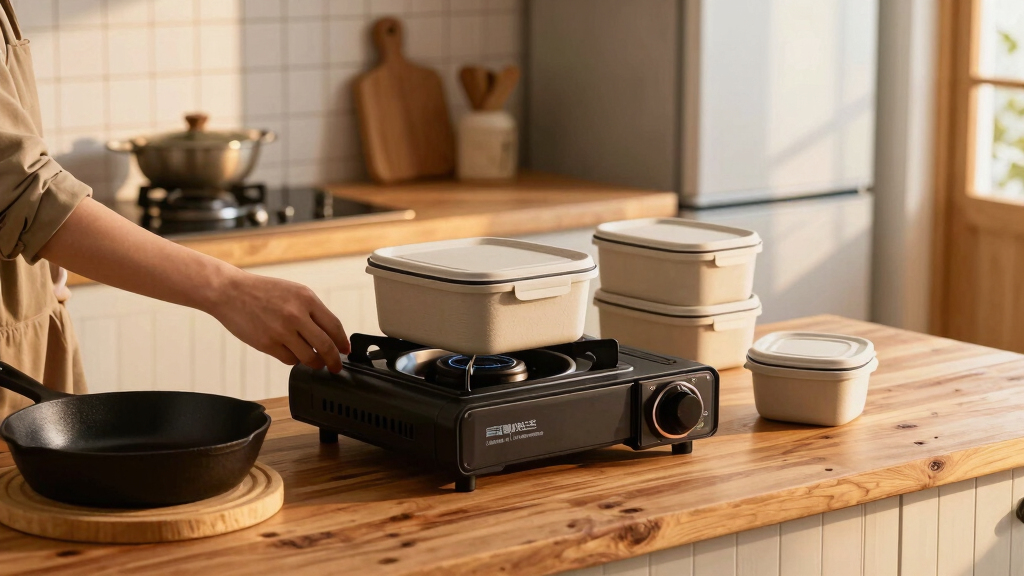
Power outages can last hours or days. The key is to lean on manual and alternative cooking methods. Think cast iron over a wood stove, solar ovens soaking up the sun, or propane burners humming away.
Start by adding a few essential tools to your kit:
- Portable gas or propane stoves
- Solar ovens
- Cast iron cookware
- Manual can openers and hand-crank blenders
For example, during a recent outage, a friend cooked chili on a propane stove while solar oven bread baked in the afternoon sun. Both worked without electricity, providing hot food and fresh bread—no fuss, no power needed.
As an affiliate, we earn on qualifying purchases.
Smart Food Storage and Preservation to Survive Outages
Keeping food safe during extended outages hinges on smart storage and preservation. Without refrigeration, your options include canning, drying, fermenting, or using coolers with ice packs. These methods matter because they directly impact your ability to maintain a safe, nutritious food supply without electricity. Canning and fermenting, for example, create long-lasting, shelf-stable foods that reduce reliance on power-hungry refrigeration and allow you to store large quantities of food safely. Drying preserves food by removing moisture, which inhibits bacteria growth, while coolers with ice packs temporarily keep perishables cold, buying you time in emergency situations. Investing in a portable fridge or deep-cycle battery-powered cooler can extend your perishable food’s life during short-term outages, especially with a small solar panel trickle-charging it. The tradeoff with these methods is that some require initial effort and skill but provide significant long-term benefits in resilience and independence.
portable lithium-ion power station
As an affiliate, we earn on qualifying purchases.
As an affiliate, we earn on qualifying purchases.
Top Backup Power Options for Your Off-Grid Kitchen
Backup power keeps your essential appliances running. The most common solutions are generators, solar power systems, and portable battery stations. Each has trade-offs in cost, noise, and setup complexity. Understanding these tradeoffs helps you choose the right system for your needs. For instance, generators are highly reliable and can provide large amounts of power but tend to be noisy, fuel-dependent, and emit fumes, which can be problematic in confined spaces. Solar plus batteries offer a cleaner, quieter alternative, but require a higher initial investment and proper planning for optimal placement and capacity. Portable power stations are convenient, easy to use, and perfect for small loads like charging phones or running a small fridge, but they may not support larger appliances during extended outages. For example, a homesteader used a $400 lithium power station to run her LED lights, charge phones, and power a small fridge during a 3-day outage. While each option has limitations, combining them or choosing based on specific needs can greatly enhance your kitchen’s resilience and reduce downtime.
As an affiliate, we earn on qualifying purchases.
Safety First: Using Alternative Cooking Devices Without Risk
Safety is paramount when using non-electric cooking tools. Gas stoves, solar ovens, and wood stoves all present hazards if misused. Proper ventilation, clear space, and following manufacturer instructions prevent accidents. These safety considerations matter because improper use can lead to fires, carbon monoxide poisoning, or other hazards that could worsen during an outage. For example, always operate gas stoves outdoors or in well-ventilated areas to prevent dangerous buildup of fumes. Never leave a solar oven unattended in windy conditions, as wind can cause the device to tip or overheat. Keep a fire extinguisher nearby and check for leaks regularly on gas equipment. Remember: Carbon monoxide poisoning is a silent threat—never use gas or propane devices indoors without proper ventilation. Educating yourself on the correct operation and safety precautions reduces risks and ensures your preparedness translates into actual safety during emergencies.
As an affiliate, we earn on qualifying purchases.
Simple Steps to Make Your Kitchen More Resilient
- Stockpile essential non-perishable foods and water for at least 72 hours.
- Test run your backup cooking gadgets—solar oven, propane stove, manual tools—so you know they work when needed.
- Invest in a portable power station or solar panel setup to keep critical devices running.
- Practice preserving foods—canning, drying, fermenting—to extend shelf life without electricity.
- Plan for safe use of all equipment—ventilation, fire safety, and proper storage.
For instance, a homesteader set up a small solar panel and a battery bank to keep her water pump and fridge alive during outages, giving her peace of mind and a functioning kitchen setup. Taking these steps means understanding the tradeoffs—initial effort and investment versus long-term safety and independence. Building resilience isn’t just about having gear; it’s about knowing how and why to use it effectively in a crisis.
Frequently Asked Questions
How can I cook food during a power outage without electricity?
You can use propane stoves, solar ovens, wood stoves, or even a cast iron skillet over a fire. These methods don’t rely on electricity and can cook nearly anything with some practice and preparation.
What are the safest alternative cooking methods?
Gas or propane stoves with proper ventilation, solar ovens in good weather, and wood stoves with clear space around them are safe when used correctly. Always follow safety guidelines and keep fire extinguishers handy.
What supplies should I keep on hand for kitchen resilience?
Stockpile non-perishable foods, bottled water, manual kitchen tools, portable stove, solar oven, and backup power sources like a portable battery station. Include safety gear like fire extinguishers and carbon monoxide detectors.
How do I preserve perishable foods if the power is out for several days?
Use coolers with ice packs, dry foods, and preserve with canning, fermenting, or drying. These methods help extend shelf life and keep food safe without electricity.
Are there affordable backup power options for my kitchen?
Yes. Portable lithium-ion power stations costing around $300–$500 can power small appliances. Solar panels can be added later for more independence. Generators are more expensive but highly reliable.
Conclusion
Building resilience in your kitchen isn’t about fancy gear; it’s about practical, reliable steps. When you prepare with manual tools, preservation skills, and backup power, you keep your food safe and your family fed no matter what. Your off-grid kitchen becomes more than just a space—it’s a fortress of self-reliance. Are you ready to make it unstoppable?Columbus Day / Indigenous Peoples' Day Picks
long weekend sales
As an affiliate, we earn on qualifying purchases.