
TL;DR

Get kitchen gear delivered free with Prime
- Fast, free delivery on millions of items
- Prime Video, Amazon Music and more included
- Member-only deals all year
When your tap stops, don’t panic. Store emergency water, identify alternative sources, and use reliable purification methods like boiling or chemical disinfection. Being prepared keeps you safe and resilient.
Store at least one gallon of water per person per day, for a minimum of three days, including sanitation needs.
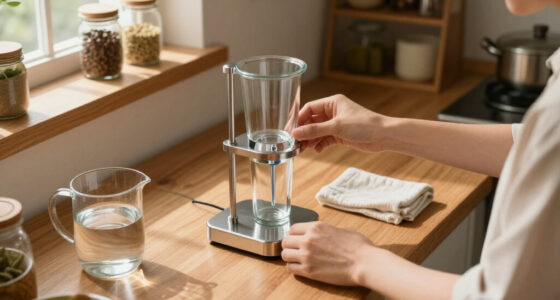
Boiling remains the most reliable method for purifying water, but chemical disinfection and filters are effective alternatives.
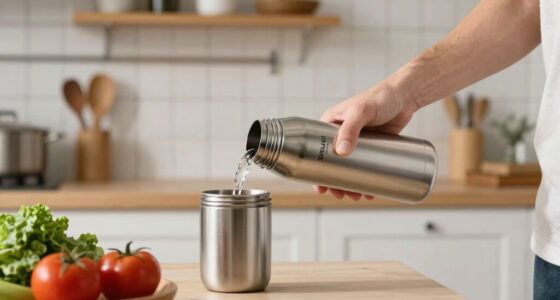
Use food-grade containers, keep water in cool, dark places, and rotate supplies regularly to prevent contamination.
Identify local natural water sources beforehand, and always purify any water from these sources before drinking.
Regularly inspect and replenish your stored water to ensure safety and readiness for extended outages.
Emergency readiness / field guide
Emergency Water: What to Do When the Tap Stops
A water cutoff can turn routine into crisis within minutes. Store enough, understand why the supply stopped, identify backup sources, and treat every uncertain drop before drinking.
01 / Diagnose the disruption
Why did the water stop?
Check official alerts and whether neighbors are affected. The cause determines whether you should conserve, wait for repair, or immediately switch to stored water.
System damage
Natural disaster
Floods, earthquakes, storms, and hurricanes can damage pipes, pumps, treatment plants, or power supplies across an entire area.
Temporary outage
Maintenance or repair
Planned works and emergency pipe repairs may interrupt service. Follow the provider’s estimate, but prepare for delays.
Safety warning
Contamination
Biological or chemical hazards may leave water flowing but unsafe. Follow local instructions—boiling cannot remove every chemical contaminant.
Immediate response sequence
Your first four moves
Treat the outage as potentially extended until reliable information says otherwise.
Confirm
Check utility and local authority notices. Determine whether the issue is local, regional, or contamination-related.
Conserve
Reserve remaining safe water for drinking, essential cooking, medications, and critical hygiene.
Switch supply
Use sealed bottled water or your dated emergency stock before collecting from uncertain sources.
Treat
Purify uncertain water with an appropriate method before drinking, cooking, or brushing teeth.
02 / Build the stockpile
Three steps to a dependable reserve
Use sturdy food-grade containers in manageable sizes. Never reuse vessels that held chemicals, fuel, pesticides, or non-food liquids.
Gather food-grade containers
Choose clean bottles or jerry cans, ideally holding 1–5 gallons each. Opaque containers help limit light exposure.
Fill with potable water
Use safe tap water or a trusted supply. Leave a little expansion space and avoid touching the inside of caps or openings.
Seal, date, and store
Close tightly, label the fill date, and place supplies in a cool, dark location away from sunlight and chemicals.
03 / Choose a treatment method
Purification options compared
No single method fits every hazard. Cloudy water should be allowed to settle and pre-filtered through a clean cloth before disinfection.
| Method | Typical capability | Time | Best use | Primary limitation |
|---|---|---|---|---|
| Boiling | ✓Highly reliable against common pathogens | Rolling boil for at least 1 minute | Cloudy or biologically contaminated water | Needs fuel; does not remove chemical pollutants |
| Chemical disinfection | ~Effective against many bacteria and viruses | About 30 minutes | Fast backup when heat is unavailable | Less reliable for some protozoa; dosing matters |
| Portable filter | ~Often removes bacteria and protozoa | Immediate while filtering | Repeated use during longer outages | Capabilities vary; many models do not remove viruses |
| Solar disinfection | ~Reduces pathogens with sunlight | 6 hours in strong sun | Clear water in sunny conditions | Weather-dependent and unsuitable for cloudy water |
Chemical example from the supplied preparedness guidance: for unscented household bleach containing 5–6% sodium hypochlorite, use 8 drops per gallon, stir, and wait 30 minutes. Always verify the product concentration and follow current local authority directions.
04 / Alternative sources
Find water—but assume it is unsafe
Map nearby options before an emergency. Natural water can look clear while carrying microbes, sewage, agricultural runoff, or chemicals.
Non-negotiable rule
Never drink untreated natural water.
Streams, lakes, creeks, springs, and collected rainwater require appropriate treatment. If authorities report chemical contamination, use an approved alternative supply because boiling may concentrate rather than remove some chemicals.
Stored bottled water
Use first when sealed, undamaged, correctly stored, and within its planned rotation cycle.
Rainwater
Collect in clean vessels and treat before consumption. Roof runoff may contain debris or contaminants.
Streams and lakes
Collect from the clearest available point, pre-filter sediment, and disinfect before use.
Community supply
Know the locations of public distribution points, community tanks, and emergency shelters.
05 / Six-month readiness cycle
Keep stored water safe and fresh
A stockpile is only useful when it remains sealed, clean, accessible, and regularly inspected.
Fill and label
Record the date and keep containers tightly sealed.
Visual check
Look for leaks, swelling, cloudiness, or damage.
Inspect location
Confirm the storage area remains cool, dark, and chemical-free.
Rotate supply
Replace water and thoroughly clean containers before refilling.
Avoid preventable illness
Clear water is not always safe water
Container risk
Never repurpose chemical containers
Residue can remain even after washing. Use only food-grade vessels intended for water or beverages.
Storage risk
Keep sunlight and heat away
Warm, bright conditions encourage deterioration and biological growth. Choose a cool, dark storage area.
Treatment risk
Never guess a chemical dose
Too little may fail to disinfect; too much may be harmful. Check concentration, dose, and contact time.
Health risk
When in doubt, replace or retreat
Discard water with unexplained odor, discoloration, container damage, or suspected chemical exposure.
Traceability chain
From outage to safe drinking water
Final readiness check
Five habits that keep you prepared
Build these actions into normal household maintenance so the system is ready before the tap stops.
Use food-grade containers
Choose opaque, sturdy vessels that have never held chemicals.
Store one gallon daily
Plan for each person, each day, for at least three days.
Keep it cool and dark
Protect water from heat, sunlight, fumes, and physical damage.
Rotate every six months
Inspect, clean, refill, date, and return supplies to storage.
Maintain two treatment options
Keep a primary method and a backup such as tablets or a filter.
What Causes Water to Stop Flowing and How to Recognize It
When your tap runs dry, it’s often due to a disruption in the water system—natural disasters like floods or earthquakes, maintenance work, or contamination. Recognizing the cause helps you decide whether to wait, find alternatives, or take action now.
For example, after a heavy storm, a community might experience a sudden shutdown of municipal water. If you notice your neighbors have no water, it’s time to prepare for a possible extension and start looking for backup sources.
emergency water storage containers
As an affiliate, we earn on qualifying purchases.
As an affiliate, we earn on qualifying purchases.
How to Build a Basic Emergency Water Stockpile in 3 Simple Steps
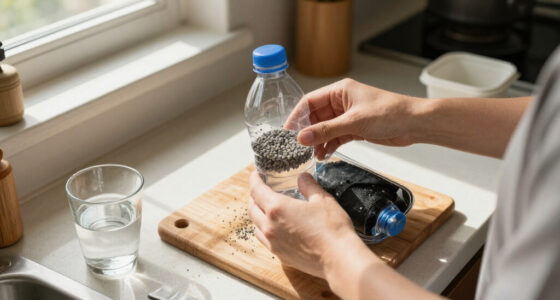
- Gather food-grade containers: Use clean, sturdy bottles or jerry cans, ideally with a capacity of 1-5 gallons each.
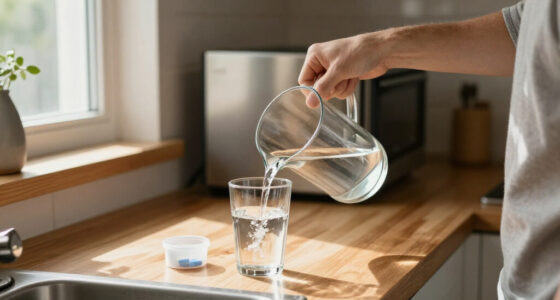
- Fill with fresh water: Use safe, potable water from your tap or a trusted source, leaving some space at the top for expansion.
- Seal and store properly: Keep containers tightly sealed, label them with date, and stash in a cool, dark place away from sunlight and chemicals.
water purification tablets for emergency
As an affiliate, we earn on qualifying purchases.
As an affiliate, we earn on qualifying purchases.
Best Methods to Purify Water When Your Tap Stops
| Method | Effectiveness | Best Use |
|---|---|---|
| Boiling | 99.9% bacteria and protozoa killed | Most reliable, especially for cloudy or contaminated water |
| Chemical Disinfection | Effective against bacteria & viruses, not all protozoa | Quick fix using household bleach (8 drops per gallon) |
| Portable Filters | Removes bacteria, protozoa, some viruses | Ideal for ongoing use during extended outages |
| Solar Disinfection | Reduces pathogens using sunlight | Best in sunny climates, with clear bottles exposed for 6 hours |
portable water filter for survival
As an affiliate, we earn on qualifying purchases.
As an affiliate, we earn on qualifying purchases.
How to Find Alternative Water Sources Near You
If your tap is out, look for nearby streams, lakes, or even rainwater. But remember—never drink untreated water from natural sources without purification. For example, during a city-wide outage, a neighbor might suggest collecting rainwater from the roof or using a nearby creek after proper filtration.
Keep a list of local safe sources and have a backup container or two ready to scoop, filter, and store water on the spot.
As an affiliate, we earn on qualifying purchases.
Top 5 Tips for Safe Water Storage and Long-Term Readiness
- Use food-grade, opaque containers to prevent algae growth and chemical leaching.
- Keep water in a cool, dark place to slow bacteria growth and prevent spoilage.
- Label and rotate supplies every six months to keep water fresh and usable.
- Store enough for at least three days per person: about 1 gallon per day for drinking, cooking, and sanitation.
- Have a backup purification method like tablets or portable filters ready to go.
The Risks and How to Avoid Common Water-Handling Mistakes
Using contaminated or improperly stored water can cause illness. Don’t forget—water that looks clear isn’t always safe. For example, water stored in a plastic container exposed to sunlight may develop algae or bacteria if not cleaned regularly.
Always purify stored water before use. Avoid using containers that previously held chemicals or non-food liquids, and clean bottles thoroughly before refilling.
Also, never add chlorine or bleach directly to stored water without proper dosing—overuse can cause health issues.
Understanding these risks is crucial because contaminated water can lead to serious health problems like diarrhea, cholera, or dysentery. Proper handling, regular cleaning, and correct dosing of disinfectants mitigate these risks and keep your water safe for consumption.
Keeping Your Water Safe and Fresh for Up to 6 Months
With proper storage, water can last up to six months, but only if you stay vigilant. Regularly inspect your containers for leaks, discoloration, or odors. Rotate your supplies, cleaning containers thoroughly before refilling.
For example, set a calendar reminder every six months to check and replenish your water stockpile. If stored correctly, you’ll always have safe water on hand during a prolonged outage.
Frequently Asked Questions
How much water should I store for an emergency?
Aim for at least one gallon per person per day, covering drinking, cooking, and sanitation, for a minimum of three days. Adjust based on your climate and special needs.Can I drink water from natural sources during an emergency?
Not without purification. Always treat water from streams, lakes, or rain with boiling, chemical disinfection, or filtration to eliminate pathogens. Untreated natural water can harbor dangerous microbes that cause illness, so proper treatment is essential to avoid health risks.How do I know if my stored water is safe to use?
Check for cloudiness, discoloration, or foul smell. If in doubt, purify it again or discard and replace with fresh supplies. Proper storage and rotation are key to preventing bacterial growth and contamination, which can compromise safety.What’s the best way to purify large amounts of water quickly?
Boiling water for at least 1 minute is the most reliable method, as it kills most pathogens. Chemical disinfectants or portable filters are also effective and faster for smaller quantities, but understanding their limitations and correct use is vital for safety.How often should I rotate my stored water supplies?
Every six months is recommended. Regular inspection and cleaning of containers prevent bacterial buildup and chemical degradation, ensuring your stored water remains safe and drinkable during extended outages.Conclusion
Preparedness beats panic. By storing the right amount of clean water, knowing your purification options, and keeping supplies fresh, you turn a potential crisis into a manageable inconvenience. When the tap finally stops, your self-reliance keeps you steady and safe—no frantic scrambling needed.Columbus Day / Indigenous Peoples' Day Picks
long weekend sales
As an affiliate, we earn on qualifying purchases.