
TL;DR

Get kitchen gear delivered free — and shop member deals
- Fast, free delivery on millions of items
- Access to Prime Big Deal Days deals on October 6–7
- Prime Video, Amazon Music and more included
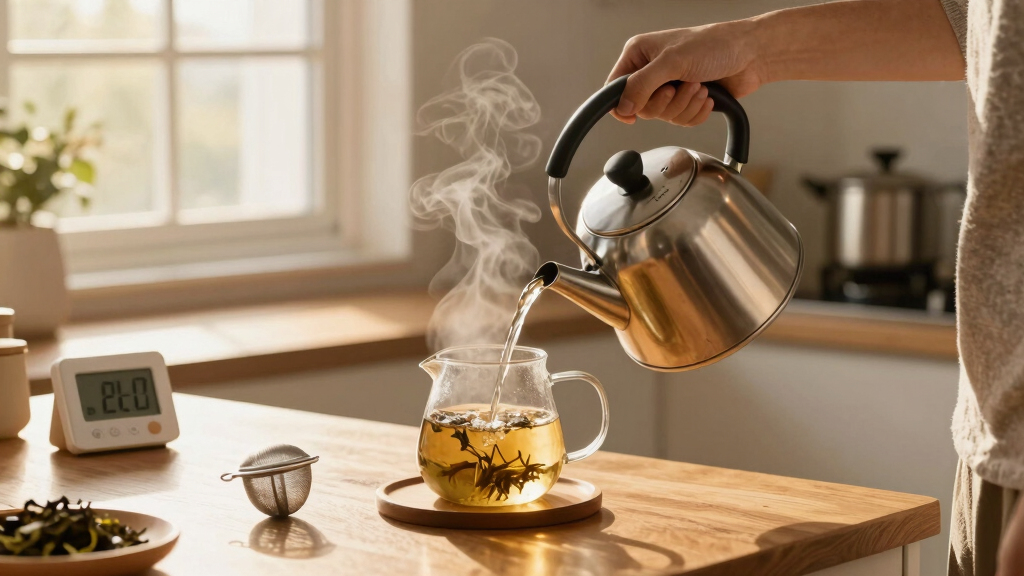
Brewing loose leaf tea depends on matching the right water temperature and steeping time for each tea type. Using the right tools and water quality elevates flavor, making each cup a tailored delight. Recent tech and eco-friendly options simplify precise brewing at home or off-grid.
Use a thermometer to hit the exact water temperature for each tea type—green, black, white, oolong, or herbal.
Steep times are crucial; stick to recommended durations to avoid bitterness or dullness.
Invest in basic tools like a mesh infuser and a quality kettle with temperature control for better control.
Water quality impacts flavor—use fresh, filtered water whenever possible.
Experiment with multiple infusions to discover different flavor layers in your favorite teas.
Better Tea Starts With Heat, Time, and the Right Little Tools.
TL;DR: Match water temperature and steeping time to the tea type, use fresh filtered water, and let simple tools such as a thermometer, timer, infuser, and temperature-control kettle turn guesswork into a repeatable ritual.
Precision is the difference between a vibrant cup and a bitter one.
Per 8 oz water is the practical starting point.
Slow extraction creates a smoother, less bitter profile.
Gentle heat protects delicate grassy notes.
Enough time for full body without harshness.
Near-boiling water extracts oils and botanicals.
Cleaner water lets aroma and sweetness show.
Good oolong often reveals layered repeat brews.
Each tea has a heat window.
Too hot can over-extract tannins and bitterness. Too cool can leave the cup thin, flat, or underdeveloped.
Green
150-180°F, or 65-80°C. Aim lower for sweeter, less astringent cups.
White
160-185°F, or 70-85°C. Warm enough to open floral aromatics.
Oolong
185-205°F, or 85-96°C. Strong enough for rolled leaves and repeat steeps.
Black
200-212°F, or 93-100°C. Near boiling supports bold, malty extraction.
Herbal
212°F, or 100°C. Full heat helps roots, herbs, spices, and flowers release flavor.
The quick-reference table.
Use this as the baseline, then adjust leaf quantity, time, or temperature to match your own taste.
| Tea type | Water temp | Steep time | Risk if too hot | Multiple infusions |
|---|---|---|---|---|
| Green tea | 150-180°F | 1-3 min | ✗ Bitter, grassy edge | ~ Often possible |
| White tea | 160-185°F | 2-4 min | ✗ Lost sweetness | ✓ Gentle repeat brews |
| Oolong tea | 185-205°F | 3-5 min | ~ Can turn sharp | ✓ Excellent for layers |
| Black tea | 200-212°F | 3-5 min | ~ Harsh tannins | ~ Depends on leaf quality |
| Herbal tea | 212°F | 5-7 min | ✓ Usually forgiving | ~ Flavor fades faster |
A simple workflow for a cleaner cup.
Brewing becomes easier when each variable has a job: measure, heat, steep, taste, and refine.
Start with leaves.
Use about 1 teaspoon, or 2-3 grams, per 8 oz of water.
Hit the window.
Use a temperature-control kettle or thermometer for accuracy.
Set a timer.
A single extra minute can shift bright flavor toward bitterness.
Separate leaves.
Pull the infuser so extraction stops at the right moment.
Explore layers.
Try shorter follow-up steeps for oolong, white, and quality green teas.
Small equipment, big control.
The best setup is not necessarily complicated. It simply gives you control over water, leaf contact, heat retention, and timing.
Infuser, kettle, timer.
A mesh basket, temperature-aware kettle, and timer solve most brewing problems.
- Basket infusers give leaves room to expand.
- Digital thermometers work well off-grid.
- Glass or ceramic teapots make extraction visible.
Filtered water matters.
Chlorine or heavy minerals can flatten aromatics and add metallic or earthy notes.
- Use fresh, filtered water when possible.
- Avoid repeatedly boiled water for delicate teas.
- Well water may need charcoal filtration.
Smart and sustainable.
New tools add precision while reusable steepers and biodegradable options reduce waste.
- Smart kettles pair temperature and timers.
- Double-walled vessels hold heat outdoors.
- Cold brewing softens bitterness over 8-12 hours.
Steeping time changes the cup fast.
Time controls strength, clarity, texture, and bitterness. Use the chart as a guardrail, then tune from there.
Recommended steeping ranges
The control formula
Great loose leaf tea comes from balancing four variables. Change one at a time so you can taste what actually improved.
1 tsp leaves + 8 oz filtered water
+ correct temperature window
+ timed steep
= clear flavor, fewer bitter surprises
How the variables connect.
Think of brewing as a chain: each link either protects flavor or pushes the cup toward dullness, bitterness, or imbalance.
Fresh water
Filtered water keeps off-flavors out of the cup.
Right range
Temperature unlocks aroma without scorching delicate leaves.
Leaf dose
About 2-3 grams per 8 oz gives a reliable baseline.
Clean steep
A timer prevents accidental over-extraction.
Infusions
Oolong and quality greens can reveal new layers.
Balanced tea
Clear, aromatic flavor with fewer bitter edges.
Loose leaf tea is precise, but not fussy.
Use the right temperature for the leaf, steep within the recommended time, start with clean water, and choose tools that make control easy. From a simple stovetop kettle and thermometer to a smart kettle and reusable infuser, the goal is the same: let the tea show its full character.
Key takeaways
- Green and white teas need gentler heat than black or herbal teas.
- Timers prevent bitterness and keep repeat brews consistent.
- Fresh filtered water can improve flavor as much as better equipment.
- Reusable tools and cold brewing make the ritual more sustainable.
Why Temperature Matters — Get the Flavor Right Every Time
Temperature is the key to unlocking your tea’s true flavor. Green tea, with its delicate grassy and vegetal notes, requires gentle warmth—around 150–180°F—to prevent bitterness and preserve its nuanced aroma. Black teas, which have more robust and malty profiles, benefit from near-boiling water—200–212°F—ensuring full extraction of their bold flavors. Understanding these temperature ranges is essential because each tea’s chemical composition reacts differently to heat. Too hot, and delicate teas can become bitter or astringent; too cool, and they may under-extract, resulting in flat or weak flavors. The implications are significant: consistent temperature control means your teas will always reveal their intended character, avoiding the pitfalls of over- or under-extraction. When off-grid, using a kettle with adjustable temperature or a reliable thermometer ensures your brewing precision, making the difference between a flat brew and a vibrant one.
digital tea kettle with temperature control
As an affiliate, we earn on qualifying purchases.
As an affiliate, we earn on qualifying purchases.
Steeping Times — How Long to Brew Without Going Overboard
Steeping time directly influences the strength, clarity, and overall balance of your tea. Green teas, which are delicate and prone to bitterness, generally need just 1–3 minutes; exceeding this can cause tannins to release excessively, resulting in astringency. White teas, with their subtle sweetness, are best at 2–4 minutes to preserve their light, floral qualities. Oolongs and black teas, which have more oxidized and robust profiles, are forgiving within 3–5 minutes, but going beyond this risks extracting bitter compounds that overshadow their complexity. Herbal infusions, rich in essential oils and medicinal qualities, often benefit from longer steeping—5–7 minutes—to maximize flavor and therapeutic benefits. Setting a timer is crucial because, even by a minute or two, the flavor profile can shift dramatically—from bright and refreshing to dull or overly bitter. Proper timing ensures you extract the ideal balance of flavors, and understanding these nuances helps you avoid common pitfalls like over-extraction or under-steeping, which can compromise the tea’s intended character.
loose leaf tea infuser mesh strainer
As an affiliate, we earn on qualifying purchases.
As an affiliate, we earn on qualifying purchases.
Tools That Make Brewing Easy and Precise
Choosing the right tools is about more than convenience; it’s about gaining control over the brewing process to consistently produce excellent tea. A high-quality teapot—be it ceramic, glass, or cast iron—serves as a stable vessel that influences heat retention and extraction. Mesh infusers or basket strainers contain loose leaves efficiently, preventing mess and ensuring even steeping. An adjustable kettle with temperature controls allows you to dial in the exact temperature needed for different teas, minimizing guesswork. Reusable infusers and digital thermometers are eco-friendly allies, especially when off-grid, where power sources are limited. For example, a simple stovetop kettle paired with a reliable digital thermometer can replicate the precision of more advanced gadgets, making it accessible and sustainable. These tools empower you to manage variables such as water temperature, steeping time, and leaf contact, turning brewing into a deliberate craft rather than a shot in the dark. They also help you troubleshoot and refine your technique over time, fostering a deeper appreciation and understanding of tea’s subtle complexities.
As an affiliate, we earn on qualifying purchases.
Recent Tech and Eco-Friendly Tweaks for Better Tea
Technology is transforming how we brew tea, making precision and convenience more accessible. Smart kettles with smartphone apps enable you to set exact temperatures and timers remotely, ensuring consistency whether you’re at home or off-grid. Glass teapots with built-in infusers add a visual dimension, allowing you to watch leaves expand and unfurl, which enhances the sensory experience. Double-walled insulated containers help retain heat longer, especially useful in outdoor or off-grid settings where maintaining steady temperature can be challenging. Cold brewing—steeping leaves in cold water for 8–12 hours—offers a smooth, less bitter profile, highlighting the natural sweetness and delicate nuances of green or white teas. Eco-friendly innovations like reusable infusers, biodegradable tea bags, and sustainable packaging reduce waste without sacrificing quality. These advancements not only improve control and consistency but also promote sustainability, making your tea ritual more mindful and environmentally conscious. Embracing these tech and eco-friendly options elevates your brewing routine, turning it into a blend of tradition and innovation, suitable for any environment.
As an affiliate, we earn on qualifying purchases.
The Best Water for Tea — How Water Quality Changes Everything
Water quality is often overlooked but is fundamental to extracting the best flavors from your tea. Fresh, filtered water allows the subtle aromatic compounds and delicate flavors to shine. Tap water with chlorine or high mineral content can mask these nuances, creating a flat or off-putting taste. For example, in an off-grid cabin using well water, mineral content might add unwanted earthy or metallic notes, overshadowing the tea’s natural profile. Filtering out impurities—through activated charcoal filters, reverse osmosis, or boiling—improves clarity and brightness, enabling your tea to reach its full potential. The implications are significant: poor water quality can inhibit proper extraction, leading to dull or off-flavored brews regardless of perfect temperature or steeping time. Ultimately, investing in good water quality is a small step with a large impact, ensuring that every sip reflects the true character of your tea and elevates your entire brewing experience.
Reusing Tea Leaves — Can You Get Multiple Infusions?
Many teas, especially oolongs and high-quality greens, harbor complex flavor profiles that evolve with each infusion. Reusing leaves allows you to explore these layers—initial brews often highlight bright, floral, and fresh notes, while subsequent infusions reveal deeper, more mellow nuances like caramel or honeyed tones. For example, a good oolong may yield three to four flavorful infusions before the leaves lose their potency. This practice not only conserves resources but also deepens your appreciation for each tea’s unique character. However, each subsequent steeping may require slight adjustments—longer steeping times or slightly hotter water—to compensate for the diminishing leaf strength. This iterative process transforms brewing from a quick task into a mindful ritual, encouraging patience and attentiveness. Experimenting with multiple infusions helps you discover the full spectrum of flavors, turning each cup into a journey of taste and aroma, rather than a single, fleeting moment.
Step-by-Step Guide to Perfect Loose Leaf Tea
- Measure your tea—around 1 teaspoon per 8 oz of water.
- Heat water to the ideal temperature for your tea type.
- Place leaves in your infuser or teapot.
- Pour hot water gently over leaves—avoid splashing or pouring too fast.
- Set a timer based on the recommended steeping time.
- Remove leaves once time is up—don’t oversteep.
- Enjoy immediately, savoring the aroma and flavor.
Frequently Asked Questions
What is the ideal temperature for brewing green tea?
Green tea best brews at 150–180°F (65–80°C). Too hot, and you risk bitterness; too cool, and the flavor stays weak. Use a thermometer or a kettle with temperature control to hit that sweet spot.How long should I steep black tea?
Most black teas steep well at 3–5 minutes. Less time leaves it weak; longer can cause bitterness. Use a timer to get consistent results every time.Can I reuse loose leaf tea leaves?
Yes, especially high-quality teas like oolongs and some greens. Each infusion reveals new flavors, and the leaves can often be steeped 2–4 times, adjusting steeping time as needed.What tools are essential for brewing loose leaf tea?
A mesh infuser or basket, a kettle with temperature controls, and a good-quality teapot are key. These tools help you control variables and craft a better cup, whether you’re in a cabin or off-grid.How does water quality affect my tea?
Using fresh, filtered water makes your tea taste brighter and clearer. Poor water can mask subtle notes and introduce off-flavors, no matter how perfect your brewing process.Conclusion
Mastering temperature and timing transforms your loose leaf tea from simple leaves into a symphony of flavor. The right tools make this process effortless, turning brewing into a mindful ritual. Each cup becomes a small victory—crafted with care, patience, and a little attention to detail. So next time you brew, think of it as a quiet act of self-reliance—your own small, perfect moment of calm.Fall Picks
fall essentials
As an affiliate, we earn on qualifying purchases.