
TL;DR

Get kitchen gear delivered free — and shop member deals
- Fast, free delivery on millions of items
- Access to Prime Big Deal Days deals on October 6–7
- Prime Video, Amazon Music and more included
Juicing citrus by hand is fast, eco-friendly, and preserves more nutrients. Focus on selecting ripe fruits, preparing them well, and applying consistent pressure for the best results.
Few kitchen tasks are as satisfying — and as straightforward — as squeezing fresh citrus. Yet, many people settle for lackluster results or waste valuable juice. The trick is simple: use the right approach, tools, and a little technique know-how. Whether you’re making a splash of lemon for water or juicing oranges for a batch of marmalade, mastering hand juicing saves money, reduces waste, and keeps flavors vibrant.
This guide walks you through every step — from choosing the perfect fruit to cleaning up fast. You’ll learn how to maximize juice with minimal effort, even if you’re off-grid or avoiding electric appliances. Ready to turn everyday citrus into a burst of flavor? Let’s get started.
Select ripe, heavy citrus for maximum juice and flavor.
Prepping — like rolling and warming — makes juicing easier and more productive.
Use steady, firm pressure with ergonomic tools to extract more juice with less fatigue.
Manage seeds and pulp after juicing to tailor clarity and taste.
Prompt cleaning extends your tools’ lifespan and keeps your process smooth.
Pick the Perfect Citrus for Maximum Juicing Power
The first step to efficient hand juicing is choosing the right fruit. Select ripe, heavy citrus — that’s a clear sign of high juice content. Firm, smooth skin without soft spots or wrinkles works best. For instance, a ripe orange feels heavy for its size and yields a satisfying squish when gently pressed.
Common options include oranges, lemons, limes, grapefruits, and tangerines. Each has its quirks: lemons are small but packed with juice, while grapefruits are larger and yield more pulp. If you’re aiming for a quick morning squeeze, pick fruits that are fragrant with a fresh aroma — that’s your hint they’re ripe and juicy.
Choosing the right citrus impacts both flavor and yield significantly. Ripe fruits contain the maximum amount of juice, which means less effort for more liquid. Under-ripe fruits are often tough and less juicy, requiring more force and resulting in lower yields. Overripe or soft fruits may be overly watery or fermenting, which can alter flavor negatively. Visual cues like bright color, firm texture, and a fragrant aroma, combined with tactile cues like heaviness and slight give, help ensure you select the best fruit for juicing.
Understanding why ripeness matters is key: overripe fruits may have started fermenting or developed off-flavors, which can spoil your juice. Under-ripe fruits, while firm, lack the internal softness needed for maximum extraction. The tradeoff lies in timing; picking fruits at their peak ripeness ensures optimal flavor and juice yield, but being slightly early might mean less juice, while waiting too long risks spoilage. Recognizing these cues helps you strike the perfect balance for delicious, high-yield citrus juice.
As an affiliate, we earn on qualifying purchases.
Prep Your Fruit for a Juicing Boost
Before you even squeeze, give your citrus a little prep. Roll the fruit firmly on the countertop — pressing down with your palm and rolling back and forth — for about 10 seconds. This action helps break up the internal juice sacs, making extraction easier and more complete. Think of it as awakening the fruit’s internal reservoir, ensuring you get the maximum amount of juice with minimal effort.
Warming the fruit slightly by microwaving for 10-15 seconds softens the membranes and increases juice flow. This step is especially beneficial for colder, firmer fruits that resist squeezing. Cutting the citrus in the correct orientation is equally important; slicing crosswise exposes the juice pockets directly, reducing the need for excessive force and minimizing pulp disruption. Proper prep reduces the physical effort needed and improves the efficiency of manual tools, leading to a more satisfying and less frustrating juicing experience.
These simple yet effective steps are crucial when using manual tools that depend solely on your pressure. They help ensure you get the most juice without damaging the fruit or wasting effort.
Additionally, understanding the implications of these prep techniques can help you decide when to use them. For example, warming is particularly useful for fruits straight from the fridge, which are less yielding. Rolling and proper cutting are universally beneficial, but the combination of warming and internal sac disruption can significantly increase your juice yield, especially with denser fruits like grapefruits or lemons. Balancing prep steps with your available tools and the fruit’s condition ensures optimal results with minimal frustration.
As an affiliate, we earn on qualifying purchases.
Use the Right Hand Juicing Technique for Best Results
The key to efficient hand juicing is applying steady, firm pressure while twisting or squeezing. Use your hand or a handheld reamer — whichever feels most natural. Think of it as a controlled, deliberate motion rather than a frantic squeeze. This consistency is what extracts the most juice without tearing the fruit’s delicate membranes.
For larger fruits like oranges and grapefruits, hold the half in your hand or against a flat surface, then twist and press in a circular motion. This action mimics the natural way the fruit releases juice and prevents excessive pulp or seed inclusion. For smaller fruits, a citrus reamer with a ridged, conical shape allows you to apply downward pressure and twist simultaneously. This method maximizes contact with the juice sacs, extracting more liquid with less physical strain.
Think of the motion as turning a screw — steady, controlled, and consistent. If you notice the juice slowing, rotate the fruit or reamer to access unextracted sacs. Developing a rhythm ensures you get the maximum amount of juice efficiently and reduces fatigue.
Developing a proper technique involves understanding the importance of consistency and rhythm. Rushing can cause pulp tearing or seed crushing, leading to bitter flavors or cloudy juice. Conversely, applying too little pressure results in less yield. Practice and mindfulness in your motion help you find the balance — extracting maximum juice while preserving the fruit’s integrity. This approach minimizes waste and fatigue, making your juicing more enjoyable and effective.
As an affiliate, we earn on qualifying purchases.
Choose Tools That Make Hand Juicing Easier
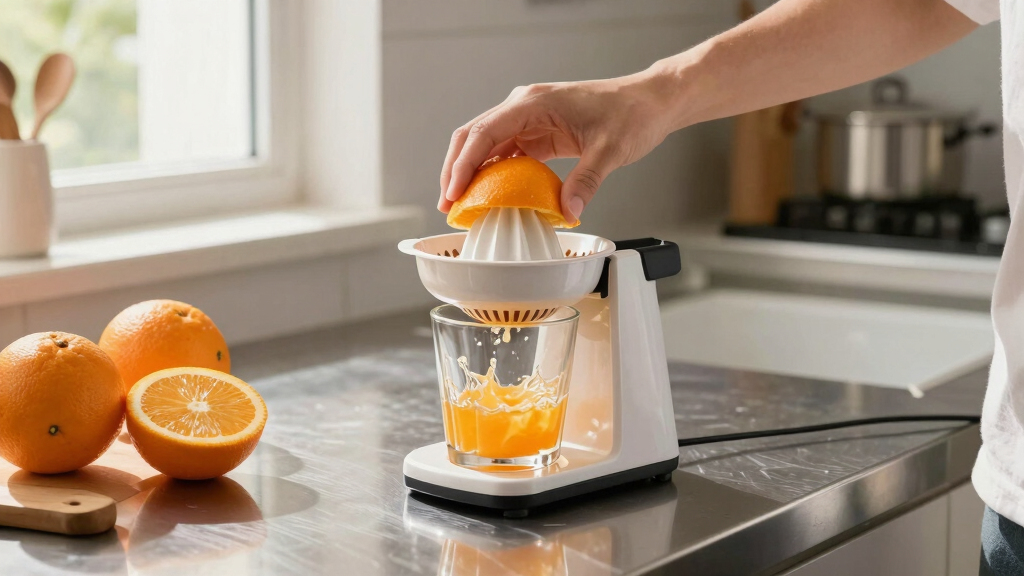
While your hands can do a lot, a good tool speeds up the process and saves your grip. Classic options include a handheld citrus reamer with a sturdy handle and ridges designed to grip and twist. For larger batches, a simple manual juicer with a lever arm can significantly increase efficiency. These tools allow you to apply more consistent pressure without tiring your hand as quickly.
Ergonomic handles are particularly beneficial, especially during longer sessions. They reduce strain and allow for a more natural twisting motion, which can improve yield and comfort. For example, a reamer with a soft, contoured grip helps distribute pressure evenly and minimizes fatigue. Additionally, a small strainer or fine-mesh sieve is invaluable for catching seeds and pulp, ensuring your juice is smooth and free of unwanted bits.
Investing in quality, ergonomic tools isn’t just about convenience — it’s about making the process sustainable and enjoyable. Durable, well-designed tools also mean fewer replacements and less frustration, turning a potentially tedious task into a quick, satisfying routine.
When selecting tools, consider the balance between size, grip comfort, and leverage. A well-designed tool can drastically reduce the physical effort needed, especially if you’re juicing multiple fruits in succession. Remember, the right tools not only improve efficiency but also help maintain a consistent quality of juice, minimizing over-squeezing or pulp damage.
As an affiliate, we earn on qualifying purchases.
Handle Seeds and Pulp Like a Pro
Seeds are tiny, but they can turn your fresh juice bitter if you’re not careful. After juicing, use a small strainer or your fingers to pick out seeds, which contain bitter compounds that can spoil the flavor. Managing pulp is equally important; decide if you want a clearer juice or a thicker, more textured drink. Pulp adds fiber and a richer citrus flavor but can also make the juice appear cloudy.
If you prefer a smooth, clear juice, pour the liquid through a fine sieve or cloth, gently pressing to extract as much liquid as possible without pushing pulp through. For a pulpier, more robust flavor, leave some pulp in or even blend it back in if desired. Using a spoon or fork to gently press remaining pulp against the strainer helps extract every last drop, ensuring you don’t waste any flavor or nutrients.
This step isn’t just about aesthetics — it influences the final taste and texture of your juice. For cocktails or recipes that showcase fresh citrus, managing seeds and pulp carefully ensures a clean, vibrant presentation and a balanced flavor profile.
Managing seeds and pulp effectively is crucial because it directly affects the final quality of your juice. Seeds contain bitter oils that can quickly spoil the taste if left in, especially in delicate drinks or recipes. Pulp, on the other hand, can be a matter of personal preference; some prefer a smooth, clear juice for a refined presentation, while others enjoy the texture and fiber of pulp-rich juice. Deciding on your desired outcome guides your post-juicing process. For instance, filtering out pulp for a cocktail creates a cleaner, more elegant visual, whereas leaving pulp intact enhances nutritional value and mouthfeel. Balancing these choices requires understanding the implications of each step, ensuring your final product aligns with your flavor and aesthetic goals.
Clean Your Tools Fast and Right
Sticky citrus juice can turn into a crusty mess if left to dry, making cleaning more laborious later. Rinse your tools immediately after use with warm water and a little soap. Use a brush or sponge to scrub ridges, crevices, and any pulp residue. This prevents buildup that can harbor bacteria or cause rust, especially on metal parts. Dry thoroughly to prevent rust or mold, and disassemble any parts that come apart to ensure a thorough clean.
Prompt cleaning not only prolongs your tools’ lifespan but also maintains hygiene and flavor integrity. Residual citrus oils and pulp can harden if left to dry, making future cleaning more difficult and potentially affecting the taste of your next batch. Regular maintenance keeps your tools performing at their best, making each juicing session faster and more enjoyable.
In essence, a quick rinse and proper drying after every use is a small investment of time that pays off in longevity and performance of your tools.
Neglecting proper cleaning can lead to corrosion, bacterial growth, and cross-contamination, which compromise both the safety and quality of your juice. Additionally, citrus oils left on tools can become rancid over time, imparting off-flavors to future batches. Developing a routine of immediate cleaning and thorough drying ensures your tools stay in top condition, reducing the effort needed for deep cleaning later and ensuring each juicing session is as smooth as possible.
Recent Tips and Innovations for Hand Citrus Juicing
Modern manual tools focus on ergonomics and efficiency, with many featuring cushioned, contoured handles that reduce fatigue — perfect if you’re juicing a dozen oranges for a big batch. Recent innovations include tools with improved grip surfaces and leverage designs that amplify your force, making manual juicing less tiring and more productive.
Many experts now recommend a ‘twist and squeeze’ method combined with gentle rocking — a technique that helps unlock every last drop without damaging the fruit’s delicate membranes. This approach minimizes waste and maximizes yield, especially when working with tougher or less ripe fruits. Additionally, storing your fresh juice in airtight containers with a touch of zest or pulp can help preserve its flavor longer, which is useful when prepping ahead or off-grid.
From an environmental perspective, reusable, manual tools are more sustainable, producing less waste and requiring no power. They also tend to be more durable, often lasting for years, making them a smart investment for eco-conscious juicers.
Innovations in design, materials, and technique continue to improve the manual juicing experience, making it more accessible, efficient, and environmentally friendly. Embracing these developments helps you get the most out of your citrus while reducing your ecological footprint.
Maximize Your Juice Yield — Quick Tips in a Nutshell
- Roll the fruit firmly before cutting — it softens membranes and releases internal pressure, making subsequent squeezing more effective.
- Warm the fruit slightly for easier juice flow — this reduces the force needed and minimizes fruit damage.
- Apply steady, firm twisting while pressing — avoid rushing; a consistent motion ensures maximum extraction without tearing the fruit.
- Use ergonomic tools designed for comfort and efficiency — reducing fatigue allows for more thorough juicing over multiple fruits.
- Strain out seeds and pulp for clarity — this enhances the visual appeal and taste of your juice, especially for refined recipes.
Compare Hand Juicing Tools — Which One Fits Your Style?
| Tool Type | Best For | Pros | Cons |
|---|---|---|---|
| Manual Reamer | Small batches, quick prep | Easy to use, inexpensive, effective | Limited juice capacity, can be tiring for large batches |
| Handheld Juicer (Lever-based) | Larger quantities, consistent pressure | More efficient, less hand fatigue | Bulkier, takes up more storage space |
| Traditional Citrus Squeezer | One or two fruits at a time | Simple, durable | Limited control, pulp often trapped |
Choosing the right tool depends on your batch size and comfort. For small, quick juicing, a reamer does the job. For larger batches or frequent use, a lever-based juicer saves time and effort. Consider the trade-offs: manual reamers are simple but tiring for bigger jobs, while lever-based tools offer efficiency at the cost of size and storage requirements. Think about your typical batch size and comfort level to select the best fit for your needs.
Frequently Asked Questions
What is the best way to get the most juice from a citrus fruit?
Rolling the fruit before cutting, warming it slightly, and twisting firmly while juicing helps maximize yield. The gentle heat softens membranes, releasing more juice with less effort.
Can I juice citrus without special tools?
Yes, a fork or spoon can press and twist halves, but a citrus reamer or handheld juicer makes it easier and more efficient. They reduce hand fatigue and improve yield.
How do I prevent seeds from getting into my juice?
Use a fine strainer after juicing or pick out seeds manually. This keeps your juice smooth and free of bitter bits.
Is hand juicing as effective as electric juicers?
For small batches, hand juicing can be just as effective and offers better control. Electric juicers are faster for large quantities but often waste some flavor and nutrients.
How do I clean my juicing tools properly?
Rinse immediately with warm water and soap, scrub ridges and crevices, then dry thoroughly. Proper cleaning prevents residue build-up and prolongs tool life.
Conclusion
Juicing citrus by hand isn’t just about squeezing. It’s about technique, tools, and understanding your fruit. With a few simple steps — from selecting ripe fruits to applying consistent pressure — you turn a basic task into a satisfying ritual.
Imagine peeling a bright, fragrant orange, then feeling its juice burst in your mouth. That freshness, achieved with your own hands, beats any store-bought squeeze. So next time you reach for a lemon or lime, remember: a little prep and good technique make all the difference.
Halloween Picks
halloween
As an affiliate, we earn on qualifying purchases.