
TL;DR

Get kitchen gear delivered free — and shop member deals
- Fast, free delivery on millions of items
- Access to Prime Big Deal Days deals on October 6–7
- Prime Video, Amazon Music and more included
Brewing coffee on a camp stove is straightforward with the right equipment and technique. Use coarse grounds, control your heat, and choose a method that fits your adventure style for a great cup every time.
Use coarse coffee grounds for most outdoor brewing methods to prevent over-extraction.
Control your stove’s heat—medium is usually best—to avoid burning or weak coffee.
Choose a simple method like French press or cowboy coffee for minimal gear and quick results.
Pre-measure coffee and water for consistent, great-tasting brews every time.
Be eco-conscious—reuse filters and pack out grounds to protect the environment.
How to Brew Coffee on a Camp Stove
Brewing coffee outdoors is simple when you control three things: grind size, heat, and method. Use coarse grounds, keep the flame steady, and match your brewer to the kind of trip you are taking.
Medium heat and coarse grounds are the fastest route away from bitter camp coffee.
Key InsightBuild the kit before the flame starts.
Good camp coffee begins before the water boils. Durable gear, measured ingredients, and a simple method reduce fuss when the morning is cold, windy, or low on patience.
Stove, pot, mug
A portable gas or liquid-fuel stove, heat-resistant pot, and sturdy mug form the base. Keep flammable materials away and use ventilation with gas stoves.
Press, cone, pot
French press favors body, pour-over favors clarity, percolator feels classic, moka pot makes strong coffee, and cowboy coffee wins on minimal gear.
Measure ahead
Pre-measure coffee and water for consistent results. Fresh beans, clean water, and a clean brewer do more for flavor than complicated technique.
The five-move camp brew.
Use this as the universal baseline, then adapt steep time, grind, and filtering to your brewer.
Fill
Add fresh water to the pot, about two cups for one to two coffees.
Heat
Bring water to a gentle boil, then lower the flame to avoid vigorous bubbling.
Add
Use one to two tablespoons of coarse coffee per cup for most outdoor methods.
Steep
Wait three to four minutes for a balanced cup; go longer only if you want more intensity.
Pour
Filter, press, or let grounds settle. Serve while hot and pack out the waste.
Choose your method by mood, weight, and flavor.
There is no single perfect camp coffee method. The right answer depends on how much gear you want to carry and what kind of cup makes the morning feel worth it.
| Method | Ease | Flavor Profile | Time | Best For | Pack Logic |
|---|---|---|---|---|---|
| French Press | ✓ Easy | Rich, full-bodied | 4 min | Flavor-packed mornings | ~ Medium weight |
| Percolator | ~ Moderate | Robust, traditional | 5-10 min | Classic camping feel | ~ Bulky |
| Pour-Over | ~ Easy to moderate | Clean, bright | 3-4 min | Precise control | ✓ Compact |
| Cowboy Coffee | ✓ Very easy | Strong, rustic | 5 min | Minimal gear | ✓ Lightest |
| Home Drip Maker | ✗ Poor fit | Variable outdoors | Depends | Not typical for camp stoves | ✗ Fragile, electric |
Heat is the hidden flavor control.
Too hot burns and over-extracts. Too cool tastes thin. The sweet spot is a controlled simmer that extracts steadily without punishing the grounds.
Brew time by method
Minutes on a typical camp stoveFlame control spectrum
Once water reaches a boil, turn the flame down a notch. Gentle simmering protects delicate flavor and keeps bitterness in check.
Pack clean, brew clean, leave clean.
Outdoor coffee should taste good without leaving evidence behind. Reusable tools and sealed waste storage keep campsites, trails, and waterways protected.
Pack out grounds
Store used grounds in a sealed bag so they do not attract wildlife or contaminate water sources.
Reuse when possible
A metal mesh filter or reusable cone reduces single-use paper and keeps your kit simple.
Choose better packs
Biodegradable pouches and pre-measured servings add convenience while reducing plastic-heavy waste.
The traceable path to a better cup.
Every good camp brew is a connected chain. Break one link and the cup gets bitter, weak, gritty, or wasteful.
Fast answers around the stove.
Keep these field notes handy when the water is already heating and the morning needs coffee now.
Easiest method?
French press or cowboy coffee. Both need minimal equipment and straightforward steps.
Regular coffee maker?
Usually no. Standard drip machines need electricity and are too fragile for most camping conditions.
Best grind size?
Use coarse grounds for French press, percolator, and cowboy coffee. Use medium grind for pour-over.
How to avoid bitterness?
Use medium heat, avoid aggressive boiling, and remove the brew from heat when extraction is done.
Pick the Right Equipment to Make Your Coffee Perfect
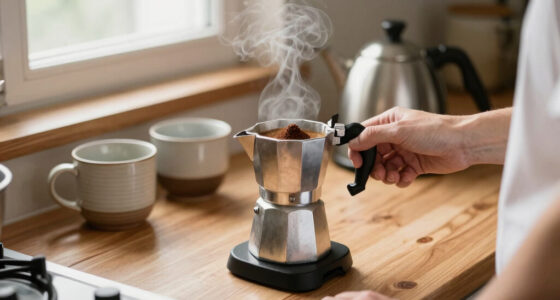
Choosing the proper tools is the foundation of good camp stove coffee. A portable stove, whether gas or liquid fuel, is your starting point. Pair it with a reliable brewing device—think French press, percolator, or pour-over cone. For example, a lightweight French press made of stainless steel can handle rough terrain and hot water swings without cracking. Keep your water in a sturdy, heat-resistant pot, and don’t forget a mug. Investing in quality gear means fewer surprises and better coffee.
As an affiliate, we earn on qualifying purchases.
Choose Your Brewing Method for Outdoor Coffee That Tastes Great
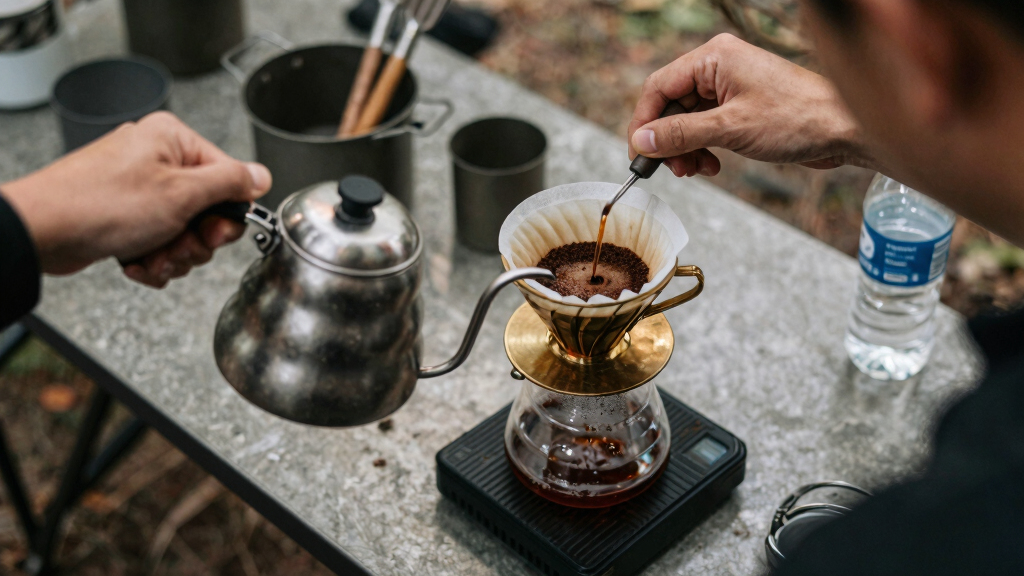
Not all methods are created equal in the wild. The percolator cycles boiling water through coffee grounds, giving a classic campy feel. The French press is simple, requires coarse grounds, and produces rich, full-bodied coffee. The pour-over cone offers control over extraction and works well with medium grounds. Or, go rugged with cowboy coffee—boil grounds directly in water, then settle or filter. For example, a French press can produce a smooth cup in about 4 minutes, perfect for mornings.
As an affiliate, we earn on qualifying purchases.
Step-by-Step: How to Brew Coffee on a Camp Stove in 5 Easy Moves
- Fill your pot with fresh water, about 2 cups for 1-2 cups of coffee.
- Bring water to a gentle boil—avoid vigorous bubbling that can over-extract grounds and introduce bitter flavors.
- Add your coarsely ground coffee—about 1 to 2 tablespoons per cup. Coarse grounds are essential because they allow for better control over extraction. Fine grounds tend to over-extract quickly, leading to bitter, harsh flavors, and can clog filters or make filtering more difficult. Coarse grounds also reduce the risk of over-brewing, which can make your coffee taste flat or overly strong. Choosing the right grind size is a tradeoff between extraction speed and flavor clarity, and coarse grounds strike a good balance for outdoor brewing.
- Let it steep for 3-4 minutes, adjusting time for strength preference. Longer steeping can intensify flavor but risks extracting bitter compounds; shorter times yield lighter, more delicate brews.
- Remove from heat, then filter or settle grounds. Pour into your mug and enjoy.
As an affiliate, we earn on qualifying purchases.
Control Your Heat to Avoid Burning and Over-Extraction
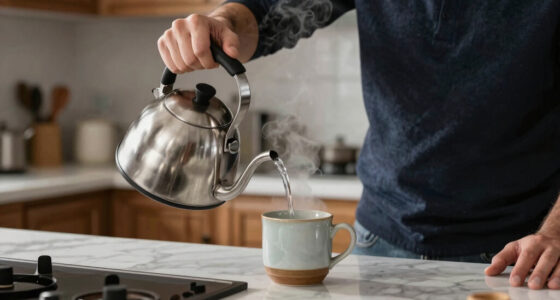
Keeping your stove at a steady, medium heat is the secret to good outdoor coffee. Too high, and you risk scorching the grounds or boiling over, which can impart a burnt, bitter taste and ruin the flavor profile. Too low, and the water may not extract enough of the coffee’s nuanced flavors, resulting in weak or flat brew. A simple trick: once water starts boiling, turn the flame down a notch to maintain a gentle simmer. This controlled heat ensures even extraction, preserves delicate flavors, and prevents over-extraction that leads to bitterness. Regularly adjusting your heat based on your specific stove and conditions helps you fine-tune your brewing process for optimal flavor.
eco-friendly coffee grounds disposal
As an affiliate, we earn on qualifying purchases.
As an affiliate, we earn on qualifying purchases.
Compare Popular Camping Coffee Brewing Methods in One Table
| Method | Ease | Flavor Profile | Time | Best For |
|---|---|---|---|---|
| French Press | Easy | Rich, full-bodied | 4 min | Flavor-packed mornings |
| Percolator | Moderate | Robust, traditional | 5-10 min | Classic camping feel |
| Pour-Over | Easy to moderate | Clean, bright | 3-4 min | Precise control |
| Cowboy Coffee | Very easy | Strong, rustic | 5 min | Minimal gear, quick brew |
Eco-Friendly Tips for Outdoor Coffee Lovers
Leaving no trace matters. Use reusable filters or a fine-mesh sieve instead of paper filters. Pack out used grounds or compost them if possible. For example, store used grounds in a sealed bag to prevent wildlife attraction. Choosing biodegradable coffee pouches and avoiding single-use plastics keeps the wilderness pristine and your conscience clear. Understanding the importance of these eco-friendly practices is crucial because it helps preserve the environment for future outdoor adventures. Proper disposal prevents contamination of natural water sources and minimizes your footprint, ensuring that the beauty of nature remains intact for everyone to enjoy.
Frequently Asked Questions
What’s the easiest way to brew coffee on a camp stove?
Most find that using a French press or cowboy coffee method is easiest because they require minimal equipment and straightforward steps. Just boil water, add grounds, and settle or pour.Can I use my regular home coffee maker outdoors?
Standard drip coffee makers usually aren’t suited for camping due to their electrical needs and fragility. Portable options like French presses or pour-over cones are far more reliable in outdoor settings.How do I prevent my coffee from burning or over-extracting?
Keep the stove at medium heat, avoid vigorous boiling, and remove the pot from heat once brewing is complete. Stir or settle grounds carefully to avoid harsh flavors.What grind size should I use?
Coarse grounds work best for French press and percolator, while medium grind suits pour-over. Avoid fine grounds, which can clog filters or over-extract.Are eco-friendly options available for outdoor brewing?
Yes. Reusable filters, biodegradable coffee pouches, and composting grounds reduce waste. Always pack out your used grounds and filters to protect natural spaces.Conclusion
Mastering camp stove coffee isn’t just about the brew; it’s about embracing a simple ritual that connects you to your surroundings. A little practice with heat control and proper equipment transforms an ordinary morning into a memorable moment. So, next time you’re outdoors, treat yourself to that rich aroma—your taste buds will thank you.Fall Picks
fall essentials
As an affiliate, we earn on qualifying purchases.