
TL;DR

Get kitchen gear delivered free — and shop member deals
- Fast, free delivery on millions of items
- Access to Prime Big Deal Days deals on October 6–7
- Prime Video, Amazon Music and more included
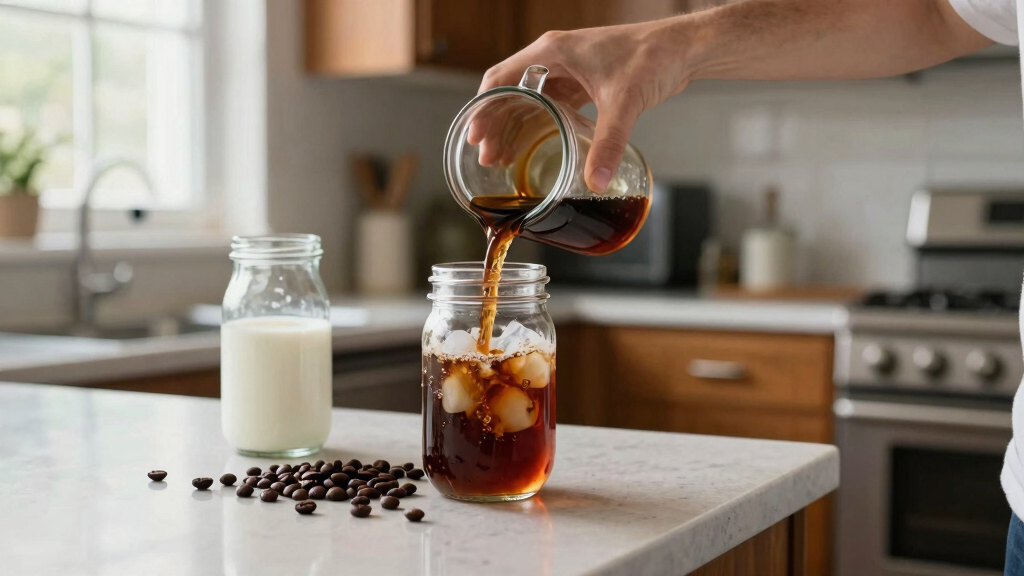
You can craft delicious cold brew coffee at home with a Mason jar—no fancy equipment needed. Just combine coarsely ground coffee with water, steep for 12–24 hours, strain, and enjoy. It’s simple, cost-effective, and perfect for off-grid kitchens.
Use coarsely ground coffee to prevent sediment and over-extraction.
Steep for 12–24 hours for a balanced, smooth cold brew.
A Mason jar makes the process affordable, simple, and customizable.
Add flavors like vanilla or spices during steeping for personalized twists.
Store in the fridge for up to two weeks—always check for freshness before drinking.
Cold Brew Without Any Equipment: The Mason Jar Method
Skip the pricey gadgets. A clean Mason jar, coarse coffee, cold water, and patience are enough to make smooth cold brew at home, in an off-grid kitchen, or anywhere you want a low-fuss caffeine ritual.
Four steps. One jar. Two weeks of cold brew potential.
The method is simple: combine, steep, strain, and serve. The magic is in coarse grounds, a balanced ratio, and enough time for flavor to develop without bitterness.
Why the Mason Jar Wins
The Mason jar method turns cold brew into a household process rather than a gear purchase. Glass keeps flavors clean, the wide mouth makes filling and filtering easier, and the format invites experimentation with steep time, coffee strength, and flavor infusions.
No special brewer
Use a jar, coffee grounds, water, and a strainer or filter. It is ideal for small kitchens, cabins, dorms, and low-waste routines.
Control every variable
Adjust the ratio from 1:4 to 1:8, steep for a lighter or richer cup, and dilute with water, milk, or a milk alternative.
Glass, not plastic
The jar avoids plastic taste transfer and keeps the brew sealed in the fridge, much like homemade juice or infused water.
The Five-Part Mason Jar Flow
Think of cold brew like a slow infusion. Coarse grounds release flavor gradually, water distributes the extraction, and filtering turns a simple jar of steeped coffee into a smooth concentrate.
Add coarse coffee
Start with about 1 cup coarse grounds for 4 cups water. Sea-salt texture helps prevent grit and bitterness.
Pour cold water
Leave headspace, stir gently, and make sure every ground is saturated for even flavor extraction.
Seal and steep
Refrigerate or keep in a cool dark place for 12 to 24 hours, depending on desired strength.
Strain grounds
Use a fine mesh strainer, reusable coffee filter, or cheesecloth to remove sediment.
Dilute and enjoy
Start at 1:1 with water or milk, pour over ice, and adjust until the cup tastes right.
Strength, Time, and Storage
Cold brew is forgiving, but the best batches follow a simple range: coarse coffee, 12–24 hours of steeping, and sealed refrigeration after filtering.
Ratio Spectrum
A 1:4 ratio creates a stronger concentrate. A 1:8 ratio drinks softer and may need less dilution.
Mason Jar vs. Cold Brew Maker
The tradeoff is simple: dedicated devices can be tidy, but the jar method gives you nearly the same core function with lower cost, less storage space, and more flexibility.
| Feature | Mason Jar Method | Specialized Cold Brew Maker |
|---|---|---|
| Equipment | ✓ Jar, grounds, water, strainer | ~ Custom device or machine |
| Cost | ✓ Low; uses household items | ✗ Often $50+ for dedicated gear |
| Flexibility | ✓ Easy ratio, flavor, and time changes | ~ Limited by device capacity and features |
| Cleaning | ✓ Wash jar and filter | ~ Some parts can be awkward |
| Flavor Control | ✓ Excellent for custom steeping | ~ May encourage preset routines |
Troubleshooting and Taste Tweaks
Most cold brew problems trace back to grind size, steep time, filtering, or storage. Small adjustments can rescue the next batch quickly.
- Too bitter: shorten the steep, use slightly less coffee, or avoid fine grounds that over-extract.
- Too much sediment: switch to a coarser grind and filter through cheesecloth or a reusable coffee filter.
- Weak flavor: steep closer to 18–24 hours or move from a 1:8 ratio toward 1:4.
- Off smell: discard the batch, wash the jar thoroughly, and restart with clean utensils.
Flavor infusions work best during steeping.
Add cinnamon sticks, vanilla beans, cardamom pods, or cocoa nibs to the jar before steeping. Sweeteners like honey or maple syrup blend more easily after filtering, when you can taste and adjust the finished brew.
Traceability: From Jar to Cup
The method is practical because each decision has a visible outcome: grind size affects clarity, steep time affects body, and storage affects freshness.
Cleaner extraction
Large particles reduce grit and lower the risk of harsh, muddy flavor.
Simple steeping
Wide-mouth glass makes mixing, sealing, and cleaning straightforward.
Balanced body
Time draws out chocolatey, smooth notes without relying on heat.
Personal strength
Use water, milk, or alternatives to tune each glass to your taste.
Up to two weeks
Keep sealed and discard if the brew smells sour or shows mold.
Why the Mason jar beats fancy equipment for cold brew
The Mason jar method is a game-changer because it uses what you already have—no need to buy a special cold brew maker. It’s all about simplicity: add coffee, water, and wait. Think of it like making sun tea: you place the jar in the sun and wait for the flavors to develop naturally. The jar’s glass construction means no plastic flavors leaching into your brew, which helps preserve the pure, nuanced flavors of your coffee. Its wide mouth not only makes filling easier but also simplifies filtering, reducing mess and making cleanup straightforward. Whether you’re off-grid or just want to avoid unnecessary gadgets, this approach offers a practical, sustainable solution. Plus, using a familiar household item means there’s less financial investment and less clutter in your kitchen. This DIY approach also grants you full control over the brewing process, allowing you to experiment with steep times, coffee-to-water ratios, and flavor infusions—something often limited by commercial devices that have fixed settings or capacity constraints. The flexibility and familiarity of a Mason jar empower you to customize your brew to your taste, making each batch uniquely yours.
As an affiliate, we earn on qualifying purchases.
Step-by-step: How to make cold brew in a Mason jar
- Add coarsely ground coffee: For example, use about 1 cup of coarsely ground coffee for every 4 cups of water, similar to the consistency of sea salt. This coarse texture prevents over-extraction and sediment in your final brew. Imagine trying to brew tea with tiny powder; it would become cloudy and bitter. Using coarse grounds is like brewing with large tea leaves—flavor develops slowly and smoothly, resulting in a clear, rich cold brew.
- Pour cold water: Fill the jar with the measured water, leaving some space at the top to accommodate stirring and expansion. Gently stir the mixture to ensure all grounds are evenly wet. Picture stirring a bowl of soup to evenly distribute ingredients—this ensures consistent flavor in every sip and prevents grounds from clumping or settling unevenly, which could lead to uneven extraction and a gritty texture.
- Seal and steep: Tightly screw on the lid and place the jar in your fridge or a cool, dark spot. Let it steep for 12–24 hours. For instance, a 12-hour steep might give you a lighter, more delicate flavor, while 24 hours yields a richer, more robust brew—like brewing tea for a shorter or longer time depending on your taste. Think of it as marinating: longer steeping pulls out more intense flavors, but too long can turn it bitter, similar to over-marinated fish becoming mushy.
- Filter the grounds: Use a fine mesh strainer, reusable coffee filter, or cheesecloth to strain out the grounds. Imagine pouring a smoothie through a fine sieve to remove pulp; this step ensures your cold brew is smooth and clear. Finer filters trap more sediment, giving you a cleaner, more refined beverage—just like filtering homemade juice through cheesecloth to remove pulp and seeds.
- Serve and enjoy: Dilute your cold brew with water, milk, or a milk alternative to taste—start with a 1:1 ratio, like mixing half coffee and half milk—and adjust according to your preference. Pour over ice and savor. If you have leftovers, store in the fridge for up to two weeks in a sealed jar, just as you would store homemade juice or infused water. Proper storage preserves freshness, much like keeping herbs fresh in a sealed container or fridge.
coarse ground coffee for cold brew
As an affiliate, we earn on qualifying purchases.
As an affiliate, we earn on qualifying purchases.
Compare the Mason jar method with other cold brew options
| Feature | Mason Jar Method | Specialized Cold Brew Maker |
|---|---|---|
| Equipment Needed | Jar, coffee grounds, strainer | Custom device or machine |
| Cost | Low—uses household items | Higher—specialized equipment can cost $50+ |
| Flexibility | High—adjust steep time, coffee amount, flavors | Limited to device features |
| Ease of Cleaning | Simple—wash jar and filter | Depends on device; some parts hard to clean |
| Flavor Control | Excellent—customizable steeping and dilution | Limited to preset options |
As an affiliate, we earn on qualifying purchases.
Tips to get the best cold brew from your Mason jar
- Use coarsely ground coffee: Avoid fine grounds—they can clog filters and make your brew gritty.
- Steep long enough: 12–24 hours balances flavor and smoothness.
- Keep everything clean: Wash your jar and utensils thoroughly to prevent off-flavors or mold.
- Experiment with flavors: Add cinnamon sticks, vanilla beans, or a splash of cocoa during steeping for unique twists.
- Dilute to taste: Start with 1:1 coffee to water or milk, then adjust to your preference.
cold brew coffee storage container
As an affiliate, we earn on qualifying purchases.
As an affiliate, we earn on qualifying purchases.
Storing your cold brew—how long it lasts and how to keep it fresh
Your cold brew stays fresh in the fridge for up to two weeks if kept sealed in the Mason jar. Always use a clean jar to prevent bacteria or mold growth. For example, if you brew a batch on Sunday and notice it still smells fresh on the following Saturday, it’s good to drink. But if it starts to sour or develop mold, discard it. Think of it like storing fresh juice or homemade herbal infusions—proper sealing and cleanliness keep it tasting its best. For convenience, you can make a concentrated batch, which is like brewing a strong coffee syrup—dilute it with water or milk when ready to serve, saving time and ensuring each cup is as fresh as possible.
Flavor infusions and customizing your cold brew
Adding flavors during steeping is like making flavored tea or infused water. For example, tossing in a cinnamon stick or vanilla bean can transform your cold brew into a cozy, aromatic treat—imagine brewing your coffee with a stick of cinnamon, and then tasting a warm, spicy note in every sip. Similarly, adding a splash of vanilla extract or a few cardamom pods during steeping can give your brew a complex, layered flavor. For a sweeter touch, stir in honey or maple syrup after brewing—like adding a drizzle to your oatmeal, it enhances the overall experience. These simple additions turn an ordinary cold brew into a personalized beverage, much like customizing a favorite recipe to suit your taste buds.
Troubleshooting: Common issues and how to fix them
If your brew tastes bitter or overly strong, it’s like brewing a tea or coffee too long—reducing steeping time or using slightly less coffee grounds can help. For example, if your cold brew has a harsh, astringent flavor, try steeping for only 10 hours instead of 24, similar to how over-steeping tea makes it bitter. Sediment at the bottom? That’s often due to too-fine grounds—switch to coarser grounds or pour gently through a finer filter, just like pouring a homemade juice through cheesecloth to catch pulp. If the flavor is flat or dull, increasing the steep time or using fresher coffee beans can intensify the extraction, much like letting a marinade sit longer to develop richer flavors. Each problem is like troubleshooting a recipe—adjusting steep time, grind size, or filtering method helps you achieve that perfect, smooth cold brew. Think of it as tuning a musical instrument; small changes make a big difference in the final taste.
Final tips: Making your cold brew process even easier
Prep your jar the night before by measuring out your coffee grounds and having your water ready. It’s like setting up ingredients for a quick breakfast—so in the morning, all you need to do is pour, stir, and let it steep. For example, measure your coffee and water in a way that, when you wake up, you can immediately start the process, saving time and reducing morning stress. If you like to make multiple servings, use a larger jar or divide the mixture into smaller jars—think of it as batch cooking for your coffee. Label each jar with the steep date, similar to labeling homemade jams, so you know exactly when it was made. Over time, you’ll learn your ideal steep time and coffee-to-water ratio—like perfecting a favorite recipe—making your routine more efficient and enjoyable.
Frequently Asked Questions
Is the Mason jar method safe and hygienic?
Absolutely. Just ensure your jar and utensils are clean before use. Proper storage in the fridge keeps your brew fresh and safe for up to two weeks.How long does cold brew last in the fridge?
Typically up to two weeks when stored properly in a sealed Mason jar. Always check for any off-smells or mold before drinking.Can I make hot coffee using this method?
No, this method is designed for cold brewing. Hot brewing requires different techniques, like steeping grounds in hot water or using a pour-over.What kind of coffee grounds should I use?
Coarse grounds work best—similar to sea salt—because they prevent clogging and sediment in your final brew.Can I add flavors or sweeteners?
Yes, add spices, vanilla, or sweeteners during steeping or afterward to customize your cold brew’s flavor to your taste.Conclusion
Making cold brew in a Mason jar proves that great coffee doesn’t need fancy gadgets. With just a jar, some patience, and a little experimentation, you can craft a rich, customized brew right in your own kitchen—even off-grid. Now, every morning can start with a fresh, satisfying cup made your way.Fall Picks
fall essentials
As an affiliate, we earn on qualifying purchases.