
TL;DR

Get kitchen gear delivered free with Prime
- Fast, free delivery on millions of items
- Prime Video, Amazon Music and more included
- Member-only deals all year
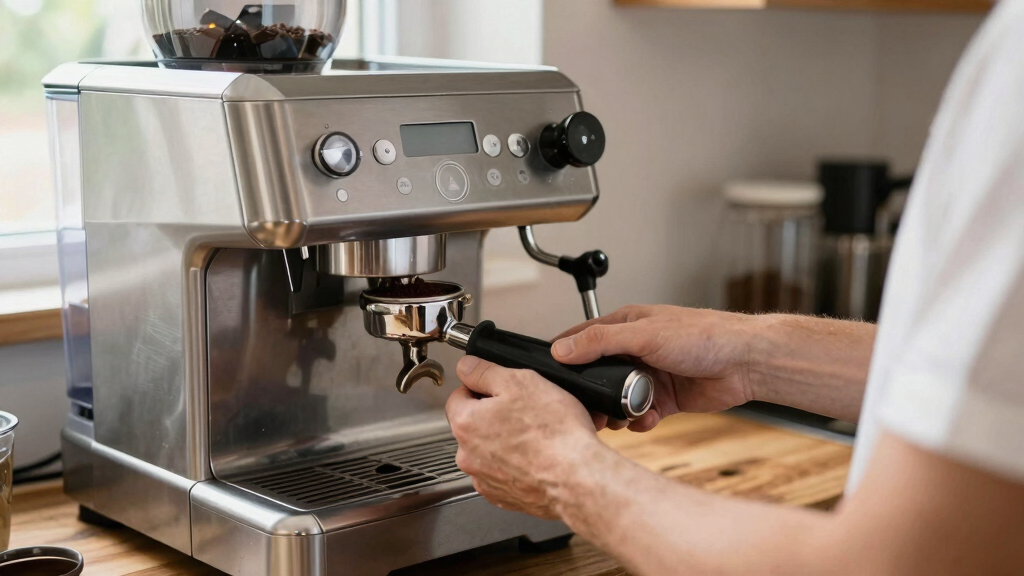
Manual espresso troubleshooting hinges on adjusting grind size, tamping, and machine maintenance. Knowing the common problems and their fixes helps you produce richer, balanced shots every time.
Nothing kills the mood faster than a shot of espresso that tastes sour, bitter, or just plain weak. You’ve put in the effort—measured, tamped, heated—but the results don’t match your expectation. Understanding common problems like channeling or low pressure isn’t just for pros. It’s about knowing what to tweak and how to fix it, even with hand-powered tools. This guide walks you through the real issues, with concrete examples and easy fixes, so you can get that perfect shot more often.
If you love the process of manual espresso but struggle with inconsistencies, you’re not alone. Many home baristas face issues that seem small but ruin flavor and texture. The good news? Most problems boil down to a few core factors—grind size, tamping, machine cleanliness, and calibration. Being able to spot and fix these makes a huge difference, turning a frustrating morning into a satisfying ritual.
Adjust grind size gradually—small changes have big impacts on extraction.
Consistent tamping pressure (around 30 pounds) helps ensure even flow and prevents channeling.
Regular cleaning and descaling are non-negotiable for steady performance.
Monitoring water temperature (90-96°C) and pressure prevents over- and under-extraction.
Using tools like digital gauges can simplify troubleshooting and refine your technique.
Common Problems, Clear Fixes, Better Shots
Manual espresso troubleshooting hinges on grind size, tamping, water temperature, pressure, and machine cleanliness. Most sour, bitter, weak, or inconsistent shots come from a few variables that can be adjusted deliberately.
Tiny grind changes create big flavor changes.
Taste tells you where to look first.
Sourness, bitterness, weak crema, channeling, and pressure loss each point toward a different adjustment. Start with the most likely variable, change one thing, then test again.
Under-extracted
Water is moving too quickly. Tighten the grind one notch, level the bed, and aim for a 25-30 second pull instead of a fast sub-20 second shot.
Over-extracted
Water is spending too long with the coffee. Coarsen the grind slightly, reduce tamp force a little, and keep water below 96°C.
Channeling
Water is bypassing the puck through weak spots. Improve distribution, inspect for cracks, and tamp with a level, consistent motion.
Four variables do most of the work.
Grind size is the highest-leverage control, but consistency depends on the full chain: dose, distribution, tamping, temperature, pressure, and clean equipment.
Use a repeatable troubleshooting flow.
Avoid changing everything at once. A simple sequence keeps the process measurable and makes each shot teach you something.
Read Taste
Sour means fast extraction. Bitter means slow or too hot. Weak often means uneven flow.
Check Time
Use 25-30 seconds as the baseline window for manual espresso diagnosis.
Adjust Grind
Move one notch finer or coarser. Small changes are enough.
Reset Puck
Distribute evenly, dose 18-20g, tamp level near 30 pounds.
Clean Path
Flush the group head, clean the portafilter, and descale when flow weakens.
Match the symptom to the first fix.
The best first move depends on what you can observe: taste, timing, crema, puck condition, and pressure behavior.
| Problem | Likely Cause | First Fix | Grind | Tamp | Maintenance |
|---|---|---|---|---|---|
| Sour, sharp, weak crema | Under-extraction, flow too fast | Grind finer one notch | ✓ Primary | ~ Check level | ✗ Later |
| Bitter, burnt, dry finish | Over-extraction, contact too long | Grind coarser and lower heat | ✓ Primary | ~ Reduce slightly | ~ Check scale |
| Thin streams, patchy flow | Channeling through weak puck areas | Redistribute and tamp level | ~ Possible | ✓ Primary | ✗ Later |
| Slow flow or low pressure | Fine grind, clogging, or mineral buildup | Clean, then coarsen slightly | ~ Check | ~ Check dose | ✓ Primary |
| Shot quality changes daily | Inconsistent dose, tamp, water, or burr setting | Measure and log variables | ✓ Track | ✓ Track | ~ Schedule |
Stay inside the balanced zone.
Manual machines reward precision. Use target ranges as guardrails, then adjust for bean age, roast level, basket size, and personal taste.
Every shot has a cause-and-effect trail.
Digital pressure gauges, flow meters, improved grinders, and better cleaning routines make it easier to isolate the step that changed the cup.
Why is my espresso sour or under-extracted?
Sour or under-extracted espresso usually means water flows too quickly through the coffee. You’re probably using too coarse a grind, or the coffee isn’t compact enough to slow the water down. Imagine trying to squeeze water through a sponge that’s too loose—nothing resists the flow.
For example, if your shot pulls in under 20 seconds, tastes like lemon or green apple, and has weak crema, start by tightening your grind. Adjust your grinder to a finer setting, one notch at a time, until the shot hits that 25-30 second sweet spot. Remember, consistent tamping pressure helps keep the flow even, so practice applying around 30 pounds of force.
Proper grind size is crucial because it directly influences extraction time and flavor balance. Too coarse, and the water races through, leaving behind sour, underdeveloped flavors; too fine, and it can cause over-extraction or clogging, leading to bitterness or slow flow. The tradeoff is finding that optimal grind that balances flow rate and extraction. Consistent tamping pressure ensures uniform resistance across the puck, which promotes even extraction and prevents the dreaded under- or over-extraction issues that lead to sour or bitter tastes.
According to an anonymous researcher, proper grind size is responsible for more than 60% of extraction issues. Tiny adjustments make a big difference, and understanding why they matter helps you fine-tune your process for consistently better shots.
As an affiliate, we earn on qualifying purchases.
How to fix channeling and uneven extraction
- Start with a uniform, level coffee bed. Use a distribution tool or tap the portafilter to settle grounds evenly. This step is essential because uneven distribution creates weak spots where water can bypass coffee, leading to inconsistent extraction and flavor loss.
- Apply consistent tamping pressure—about 30 pounds—using a firm, even motion. Proper tamping compacts the grounds uniformly, which is vital for even water flow. Too light, and water channels; too hard, and you risk over-extraction or damaging the puck structure.
- Ensure your coffee dose is correct—around 18-20 grams for a double shot. Under-dosing can cause the puck to be too porous, encouraging channeling, while over-dosing can cause excessive resistance, leading to slow flow and over-extraction.
- Pre-wet your grounds slightly to reduce air pockets. This helps prevent dry spots that can cause uneven water flow, which in turn leads to uneven extraction and bitter flavors.
- Check for cracks or unevenness in your puck that might cause water to bypass grounds. Small imperfections can significantly impact extraction quality, so inspecting and correcting these ensures more consistent results.
Channeling feels like water escaping in thin streams, leaving weak, patchy espresso. It’s often a sign the puck isn’t evenly tamped or ground too coarse in parts. If you notice channeling, it’s a signal that your distribution or tamping technique needs adjustment. Increasing tamp pressure slightly or re-distributing grounds can help, but more importantly, understanding that each step influences flow helps you troubleshoot effectively. The key is consistency—small, deliberate actions across the process prevent channeling and promote even extraction, which is crucial for balanced flavor and crema.
One quick tip from seasoned baristas—use a puck rake or finger to gently level the surface before tamping. It makes a visible difference in shot quality and helps you identify uneven puck surfaces that might cause issues.
As an affiliate, we earn on qualifying purchases.
Why is my flow slow or pressure low?
Low pressure or slow flow often indicates a grind that’s too fine, a clogged filter, or mineral buildup in your machine. Think of it like trying to push syrup through a straw clogged with sugar. The water struggles to pass, resulting in a slow or weak shot.
Start by cleaning your group head and portafilter thoroughly. Run water through the machine to clear any blockages. Next, adjust your grind to a slightly coarser setting—try moving one notch coarser and see if the flow improves. This adjustment helps balance resistance and flow rate, which directly impacts pressure and shot timing.
If pressure remains low, check your water temperature—aim for 90-96°C—and consider descaling if you’ve had hard water. Mineral deposits can clog internal pathways, reducing pressure and flow. Regular maintenance, including descaling and inspecting for scale buildup, is essential for consistent performance. Neglecting this can lead to gradual declines in pressure, resulting in weak or under-extracted shots.
Recent updates in espresso tech suggest that integrating digital pressure gauges can help you monitor and maintain consistent pressure, making troubleshooting easier and more precise. Understanding your machine’s pressure profile allows you to identify issues early and adjust your technique accordingly, preventing shot inconsistencies and equipment damage.
As an affiliate, we earn on qualifying purchases.
What causes bitter or over-extracted espresso?
Bitterness or over-extraction happens when water spends too long in contact with coffee, pulling out harsh tannins and burnt flavors. It’s like brewing a tea bag too long—strong, bitter, and unpleasant. Over-extraction can also result from using too fine a grind, excessive tamping pressure, or high water temperature, all of which increase resistance and prolong extraction time.
If your shot lasts over 30 seconds or tastes bitter with a dark, almost burnt aroma, start by coarsening your grind. This reduces resistance and shortens extraction time. Reduce tamping pressure slightly—aim for less than 30 pounds—and check your water temperature, keeping it below 96°C. These adjustments help prevent over-extraction, preserving the coffee’s delicate flavors.
Using fresh, clean water and cleaning your equipment regularly prevents mineral deposits that cause uneven extraction. Mineral buildup can create hot spots or blockages, leading to inconsistent flavors and bitter notes. Regular descaling or replacing worn burrs helps maintain optimal extraction conditions. The tradeoff here is balancing extraction time—too short, and you risk under-extraction; too long, and it turns bitter. Fine-tuning these variables ensures a sweeter, more balanced shot.
Recent research shows that over-extracted coffee diminishes flavor complexity by up to 40%, making it essential to dial back extraction time carefully. Recognizing the signs of over-extraction and understanding the adjustments needed helps you preserve the nuanced flavors of your coffee.
As an affiliate, we earn on qualifying purchases.
How often should I clean and maintain my manual espresso gear?
Consistent cleaning is the backbone of good espresso. A dirty machine or grinder introduces flavors and causes flow issues. Think of it like rinsing off dirt before planting seeds—clean equipment yields better results.
Clean the group head and portafilter after every shot. Deep clean weekly with descaling if you use hard water. Disassemble and brush grinder burrs monthly to keep grind uniform and prevent clogging. This routine helps maintain optimal flow, prevents clogging, and ensures the machine operates at peak performance.
Remember, mineral buildup from hard water can cause pressure drops, channeling, and inconsistent extraction. Using filtered water when possible reduces scale formation. Following your equipment’s maintenance schedule, including regular descaling, is essential for longevity and consistent shot quality. Neglecting these steps can cause gradual declines in machine performance, leading to more frequent troubleshooting and costly repairs.
According to recent maintenance guides, neglecting cleaning can reduce machine lifespan by over 20% and impact shot quality significantly. Regular upkeep ensures your gear stays in top shape, saving you time and money in the long run.
Frequently Asked Questions
Why does my espresso taste sour even after adjusting the grind?
Sour taste usually indicates under-extraction, often caused by too coarse a grind or insufficient tamping. Try making the grind finer and ensure even, firm tamping to slow the water flow for better extraction.How can I tell if my machine needs descaling?
If you notice slow flow, inconsistent pressure, or bitter tastes, mineral buildup could be the culprit. Perform a descaling routine with a commercial cleaner or vinegar solution, especially if you have hard water.What’s the best way to prevent channeling?
Use even distribution of coffee grounds, tamp with consistent pressure, and ensure your puck is level before brewing. Regularly check your grind size and clean your equipment to reduce uneven flow paths.How often should I calibrate my grinder?
Calibrate your grinder every 1-2 months, or whenever you notice shot inconsistencies. Adjust in small increments, and always test with a shot to confirm the change improves flow and flavor.Can I fix pressure problems myself?
Yes, if you’re comfortable with cleaning and minor adjustments. Check for clogs, clean the group head, and adjust grind size or tamping. For more complex issues, consult a professional, especially if you suspect internal pressure regulation faults.Conclusion
Fixing manual espresso issues isn’t about magic—it’s about understanding what your machine and technique tell you. Small, deliberate adjustments—like tweaking grind size or tamp pressure—bring huge rewards in flavor and consistency. Keep your gear clean and your technique sharp, and the perfect shot will become your new norm.
Think of each troubleshooting step as tuning a musical instrument—once in harmony, your espresso sings with richness and balance. Stay attentive, keep experimenting, and enjoy the process of mastering your craft.
Halloween Picks
halloween
As an affiliate, we earn on qualifying purchases.