
TL;DR

Get kitchen gear delivered free — and shop member deals
- Fast, free delivery on millions of items
- Access to Prime Big Deal Days deals on October 6–7
- Prime Video, Amazon Music and more included
Grinding meat at home lets you control freshness and fat content. With the right equipment, safety practices, and some know-how, you can make prime-quality ground meat for any recipe.
Imagine biting into a burger or meatball where every bite bursts with fresh, unadulterated flavor. That’s what happens when you grind your own meat at home. Instead of relying on store-bought options that might contain additives or have been frozen multiple times, you gain control over every step of the process.
This guide walks you through the essential equipment, safety tips, and practical tricks to turn a simple task into a satisfying skill. Whether you’re off-grid or just want fresher, more personalized ground meat, you’ll see how straightforward and rewarding it can be.
Always chill meat and equipment thoroughly before grinding to prevent bacterial growth.
Choose fresh cuts with the right fat content for your recipe, like chuck for burgers or pork shoulder for sausage.
Manual grinders are durable and budget-friendly, while electric models save effort for frequent use.
Clean all tools and store ground meat in airtight containers or freezer to maintain safety and quality.
Grinding your own meat offers unmatched freshness and control, making it worth the small effort.
What Equipment Do You Really Need for Home Meat Grinding?
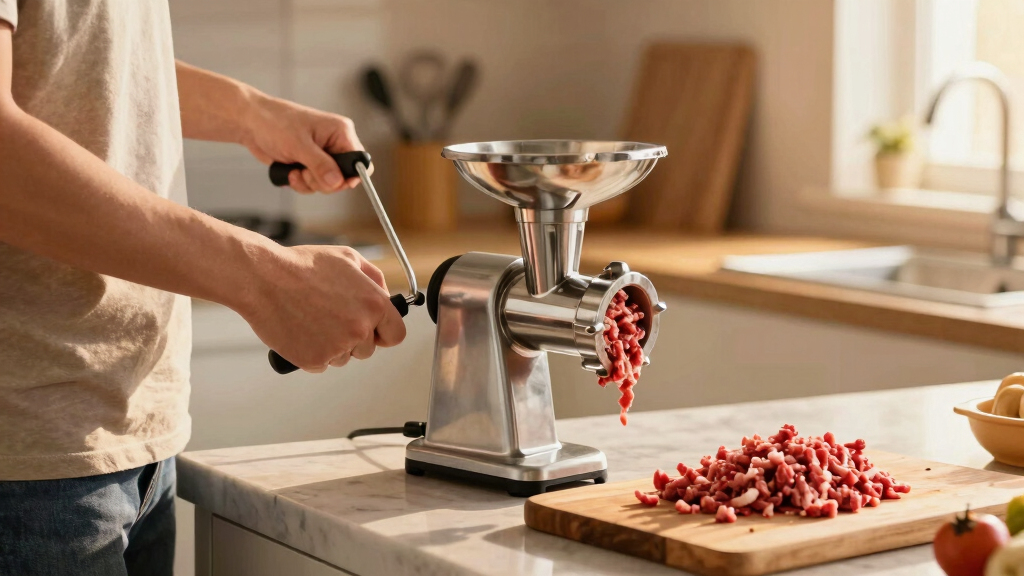
The good news: you don’t need a commercial-grade meat grinder to get started. A manual hand-crank or a compact electric grinder will do the trick. Choose based on how often you plan to grind—once a month or every weekend.
Popular options include a sturdy manual grinder with a clamp for your countertop or small electric models that fit comfortably on a kitchen table. An alternative is a food processor, which can handle small batches but might not produce as fine or uniform a grind.
Key tools:
- Manual or electric meat grinder
- Sharp knives and cutting board
- Freezer for chilling meat and parts
As an affiliate, we earn on qualifying purchases.
How to Choose the Best Meat for Grinding at Home
Picking the right meat makes all the difference. For juicy burgers or flavorful sausages, go for cuts with a good balance of fat and lean muscle. Chuck, brisket, pork shoulder, or chicken breasts are popular choices.
Freshness is key—buy from local butchers or markets that sell high-quality, humanely raised meat. Avoid previously frozen meat unless you’re planning to cook it immediately, as freezing affects texture.
Remember: the fat content influences flavor and cooking behavior. Aim for around 15-20% fat for most ground meats.
Choosing the right meat isn’t just about flavor; it impacts the texture and juiciness of your final product. For example, lean cuts might produce a healthier patty but can result in a drier, crumbly texture if overcooked. Conversely, higher-fat meats offer richer flavor and better moisture retention, but too much fat can cause flare-ups during cooking. Balancing these factors based on your recipe and dietary preferences ensures optimal results.
electric meat grinder for home use
As an affiliate, we earn on qualifying purchases.
As an affiliate, we earn on qualifying purchases.
Step-by-Step: How to Grind Meat at Home Without a Fuss
- Chill everything: Place meat, grinder parts, and tools in the freezer for at least 30 minutes before starting. This step is crucial because cold meat and equipment reduce smearing and ensure a cleaner, more consistent grind.
- Prepare the meat: Cut it into small chunks, roughly 1-inch pieces, removing excess sinew or connective tissue. Uniform pieces feed more smoothly into the grinder, reducing jams and ensuring even texture.
- Set up the grinder: Assemble your manual or electric grinder. Ensure blades are sharp and parts are clean. Sharp blades cut more cleanly, which prevents the meat from turning mushy and helps retain the desired texture.
- Start grinding: Feed the cold meat into the grinder slowly, using a pusher if needed. For food processors, pulse in small batches to prevent overheating and overprocessing, which can turn the meat into a paste rather than a proper grind.
- Optional seasoning: Mix herbs or spices into the meat before grinding for flavor integration. Incorporating seasonings beforehand allows flavors to meld evenly throughout the meat, enhancing the final dish.
In practice, I made a batch of burger meat last weekend. After chilling the meat and parts, I cut 1-inch cubes, loaded them into my manual grinder, and cranked steadily. The result? a fluffy, uniform grind that made my patties stand out. Paying attention to each step ensures a professional-quality result every time, transforming a simple kitchen task into a satisfying craft.
meat grinder attachments for KitchenAid
As an affiliate, we earn on qualifying purchases.
As an affiliate, we earn on qualifying purchases.
Safety Tips for Grinding Meat at Home (Avoid Foodborne Illnesses!)
Grinding meat increases surface area, which can promote bacterial growth if mishandled. Always keep meat cold—refrigerate or freeze until ready to grind. Clean all equipment thoroughly with hot, soapy water after use.
Never leave ground meat sitting out at room temperature for more than two hours. Store in airtight containers in the fridge for up to 48 hours or freeze for longer storage. Use a food thermometer to check that meat stays below 40°F during handling.
On my off-grid homestead, I keep a small cooler with ice nearby during processing, making sure everything stays chilled from start to finish. This practice is vital because bacteria can multiply rapidly at unsafe temperatures, especially in warm climates or during long processing sessions. Maintaining strict hygiene and temperature control minimizes the risk of foodborne illnesses and preserves the quality of your ground meat.
As an affiliate, we earn on qualifying purchases.
Comparing Manual and Electric Meat Grinders: Which Is Right for You?
| Feature | Manual Grinder | Electric Grinder |
|---|---|---|
| Ease of Use | Requires physical effort, slower but reliable | Push-button convenience, faster |
| Cost | Usually under $100 | $150-$300 or more |
| Maintenance | Simple, fewer parts | More complex, needs regular cleaning |
| Durability | Very durable, fewer electronics | Depends on build quality |
How to Store and Use Your Homemade Ground Meat
Freshly ground meat keeps best in the fridge for 1-2 days. For longer storage, pack it into airtight containers or vacuum-seal and freeze for up to 3 months. Label with date for easy tracking.
When cooking, handle ground meat gently—avoid pressing or overworking it. Use in burgers, meatballs, or sauces where flavor and texture shine.
For example, I made a batch of sausage last month, froze it in small portions, and enjoyed it in hearty stews weeks later—still bursting with flavor. Proper storage prevents spoilage, and understanding how to use your ground meat ensures you get the best taste and texture from your efforts.
Frequently Asked Questions
Is it safe to grind meat at home?
Yes, as long as you follow proper hygiene and safety practices. Keep everything cold, clean all equipment thoroughly, and store meat properly to prevent bacteria growth.
What cuts of meat are best for grinding?
Popular choices include chuck, brisket, pork shoulder, and chicken breasts. These offer good flavor and fat balance, making them ideal for home grinding.
Can I grind meat in advance?
Yes, but store it in airtight containers or vacuum-sealed bags in the fridge for up to 2 days or freeze for up to 3 months. Always keep it cold until use.
How do I clean my grinding equipment properly?
Disassemble all parts, wash with hot soapy water immediately after use, and dry thoroughly to prevent bacterial growth. Regular cleaning is key to safety.
What recipes can I make with homemade ground meat?
Think burgers, meatballs, sausages, tacos, and meatloaf. Custom blending your own meat can elevate every dish.
Conclusion
Grinding meat at home is more than just a skill — it’s a way to take back control in your kitchen. With a little practice and careful handling, you can craft ground meat that’s fresher, tastier, and exactly how you want it.
Next time you’re craving a burger or meatloaf, remember: the best flavor starts with your own hands. Why settle for store-bought when you can grind your way to better meals?
Fall Picks
fall essentials
As an affiliate, we earn on qualifying purchases.