TL;DR

Get kitchen gear delivered free — and shop member deals
- Fast, free delivery on millions of items
- Access to Prime Big Deal Days deals on October 6–7
- Prime Video, Amazon Music and more included
Cast iron and carbon steel are both durable, versatile cookware materials. Cast iron retains heat longer and is heavier, while carbon steel heats faster and is easier to handle. Proper care enhances their performance over time.
Think you know your cast iron from your carbon steel? Think again. These two heavy-hitters in the kitchen might look similar, but their differences can dramatically change how you cook. Picking the right one isn’t just about weight — it’s about understanding how each handles heat, how they care for them, and what you need for your favorite dishes.
In this guide, you’ll learn exactly how cast iron and carbon steel compare in key areas, plus practical tips on keeping each in top shape. Whether you’re frying eggs, searing steaks, or stir-frying vegetables, knowing these details can turn a good pan into your go-to tool.
What’s in the Pan? Material Breakdown You Can Actually Use
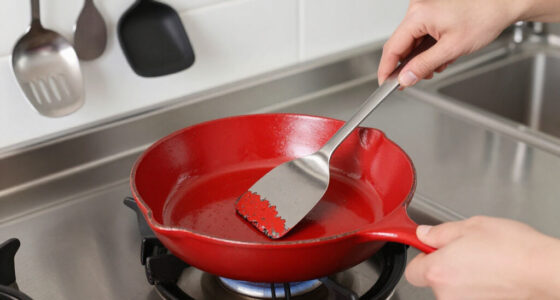
Cast iron is made by pouring molten iron into molds, resulting in a dense, heavy piece with a high iron content. This density means it retains heat well, making it ideal for slow cooking and frying where consistent temperature is crucial. However, its weight can impact maneuverability and storage, especially if you have limited strength or mobility issues. The high iron content also means it can react with acidic foods, potentially affecting flavor and causing corrosion if not seasoned or maintained properly.
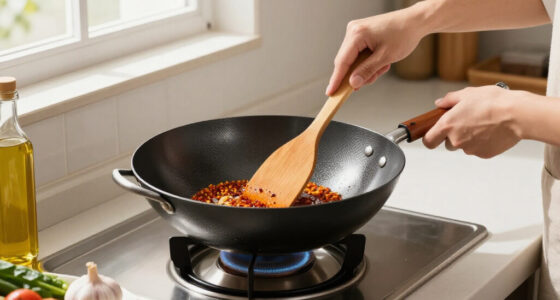
Carbon steel, by contrast, is an alloy of iron with a higher carbon percentage—usually between 0.5% and 2%. This composition makes it lighter and more responsive to temperature changes. Its thinner profile allows for quicker heating and cooling, which grants greater control over cooking processes. The tradeoff is that it heats unevenly if not properly seasoned or if the pan is warped, but its responsiveness is invaluable for techniques requiring rapid temperature adjustments. Understanding these material differences helps you choose a pan that aligns with your cooking style—whether you prioritize heat retention or responsiveness.
As an affiliate, we earn on qualifying purchases.
Why Does Weight Matter? Handling Tips for Your Cookware
Cast iron’s weight isn’t just a physical characteristic—it influences how you handle and utilize the pan in the kitchen. Its heft provides stability during cooking, helping maintain even heat distribution, which is especially beneficial for tasks like frying or baking. However, the weight can become a drawback if you need to lift, flip, or pour frequently, potentially causing fatigue or strain, particularly for those with limited strength or joint issues. This can also affect storage options, as heavier pans require sturdier racks or cabinets. Recognizing this tradeoff helps you decide if the stability outweighs the handling difficulty for your needs.
Carbon steel’s lighter weight—typically 2 to 4 pounds—makes it more agile and easier to manipulate, enabling quicker movements like flipping pancakes or tossing stir-fries. This responsiveness is advantageous for cooking techniques that require rapid adjustments, but it also means less inherent stability during cooking. If you’re a cook who values ease of handling and quick response, the lighter pan can improve your efficiency and reduce fatigue. Conversely, if you prefer slow, steady cooking where stability is paramount, the heavier cast iron might be the better choice. Balancing these factors ensures your cookware complements your cooking habits and physical comfort.
Practical tip: When choosing, consider how often you’ll lift or move your pan, and how that impacts your comfort and safety during cooking. The right weight can make or break your experience, especially during longer cooking sessions.
As an affiliate, we earn on qualifying purchases.
Heat Response: Which Pan Gets Hotter and Faster?
Cast iron’s ability to hold heat is a double-edged sword. Its high thermal mass means it takes longer to reach the desired temperature, but once there, it maintains that heat evenly—ideal for dishes that require consistent temperature, like frying chicken or slow roasting. However, this slow response can be a disadvantage when quick adjustments are needed, such as in stir-frying or searing delicate proteins. The large heat capacity also means it can lead to uneven heating if not preheated properly, which can cause hot spots that burn food or cook unevenly. Understanding these implications helps you decide when its heat retention benefits outweigh the slower response.
Carbon steel, by contrast, responds rapidly to heat changes—often within 2-3 minutes on a typical stove—making it highly responsive for high-heat searing or quick stir-fries. This quick responsiveness allows for precise control, preventing overcooking or burning, especially important in techniques that depend on timing. However, its thinner structure means it can cool down quickly if not kept hot, requiring attentive management. Recognizing these tradeoffs enables you to select the right pan for dishes that demand either steady heat or rapid adjustments, and to adjust your cooking techniques accordingly.
Example: If you’re searing a steak, carbon steel’s quick response means you can instantly adjust heat to achieve a perfect crust, while cast iron might need extra time to preheat fully, potentially leading to uneven searing if not managed carefully.
As an affiliate, we earn on qualifying purchases.
Conclusion
Both cast iron and carbon steel are timeless tools that can elevate your cooking and last a lifetime—if you treat them right. The key is knowing what fits your style: slow simmer or quick sear, heavy or lightweight. With proper care, these pans become more than just tools — they’re silent partners in your kitchen adventures.
Remember, the best pan is the one you understand and maintain. So pick what feels right, learn its quirks, and enjoy the process of building a piece of your culinary legacy.
As an affiliate, we earn on qualifying purchases.
Halloween Picks
halloween
As an affiliate, we earn on qualifying purchases.