
TL;DR

Get kitchen gear delivered free — and shop member deals
- Fast, free delivery on millions of items
- Access to Prime Big Deal Days deals on October 6–7
- Prime Video, Amazon Music and more included
A food mill is a manual tool that presses cooked or soft foods through a perforated disc to create smooth purees while removing skins and seeds. It’s ideal for sauces, baby food, and mashed fruits or vegetables—simple, durable, and versatile.
Think about the rich aroma of simmered tomatoes or the silky texture of homemade applesauce. A food mill transforms these simple ingredients into smooth, seedless perfection with just a few turns of a handle. This humble tool often gets overlooked, but it’s an essential for anyone wanting control over texture and quality in their cooking.
In this guide, you’ll learn exactly how a food mill works, what makes it stand out from blenders, and how to use it for a range of kitchen tasks. Whether you’re off-grid, preserving, or just tired of over-processed food, understanding this classic tool can elevate your cooking game.
A food mill gently presses cooked foods through a perforated disc, producing smooth, seedless purees without heat or over-processing.
Choose the right model—manual or electric—based on your batch size, mobility needs, and kitchen setup.
It’s perfect for making sauces, baby foods, and strained fruit purees, especially when texture and nutrient preservation matter.
Proper cleaning involves immediate disassembly and gentle scrubbing to prevent residue buildup.
While faster options exist, a food mill excels at delicate, seedless textures that preserve flavor and nutrients.
How a Food Mill Works: The Simple Science Behind It
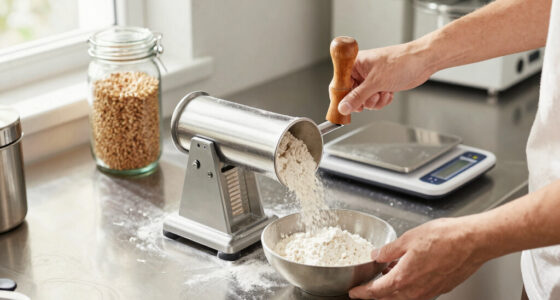
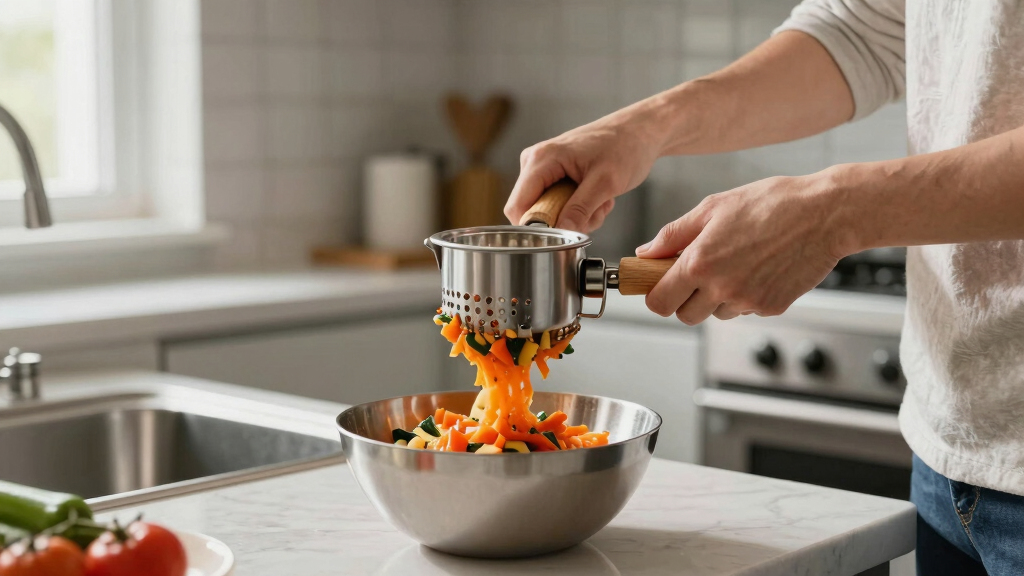
A food mill is a manual device that uses a pressing action to turn cooked foods into smooth purees. The core idea is straightforward: you place soft foods into a bowl, turn the crank, and the disc presses the food through tiny holes. The process separates skins, seeds, and fibrous bits from the silky part you want to use.
Imagine crushing ripe tomatoes or cooked carrots with a gentle, uniform pressure—nothing gets overworked, no heat is generated, and flavor stays intact. The mechanism relies on a rotating blade or disc that presses against the food, forcing it through a perforated plate, which you can swap for different textures.
This gentle process is especially important because it preserves the delicate flavors and nutrients that can be lost through more aggressive processing methods. The absence of heat generation means your purees retain their vibrant color, fresh aroma, and nutritional value, which is critical for high-quality sauces, baby foods, and purees that demand finesse.
As an affiliate, we earn on qualifying purchases.
Types of Food Mills: Which One Fits Your Kitchen Best?
There are mainly two types: hand-crank models and electric versions. Hand-crank food mills are most common—durable, simple, and require no power. They offer a high degree of control over texture and are less prone to malfunction, making them ideal for off-grid or minimalist setups. Electric models, while less popular for off-grid kitchens, can handle larger batches quickly and with less physical effort, making them suitable for busy kitchens or commercial use. However, they tend to be bulkier and more complex to maintain.
Choosing between them depends on your needs: if you value simplicity, portability, and control, a manual mill is often best. If you process large quantities regularly and have access to electricity, an electric model can save time. Material quality also matters—stainless steel offers durability and resistance to corrosion, especially if you’re processing acidic foods like tomatoes, while BPA-free plastics can be lighter and easier to clean but may wear over time.
Understanding these differences helps you select a model that balances your kitchen space, typical batch sizes, and maintenance preferences, ensuring you get the most out of your investment.
As an affiliate, we earn on qualifying purchases.
What Can You Use a Food Mill For? Real-World Uses That Make Your Life Easier
Food mills excel in tasks where maintaining the integrity of delicate flavors and textures is essential. Their gentle pressing method ensures that seeds, skins, and fibrous bits are separated without introducing heat or harsh mechanical action that could degrade the quality of your ingredients. This gentle process is especially valuable because it allows you to achieve a refined, smooth consistency without sacrificing nutrients or flavor, which is often compromised in more aggressive processing methods.
For instance, making a fresh tomato sauce with a food mill not only removes skins and seeds effortlessly but also preserves the vibrant flavor and aroma of the tomatoes, capturing the essence of summer produce. When preparing baby food, the gentle process ensures nutrients are retained while creating a smooth, seedless puree that’s easy for infants to eat, avoiding the over-processed, warm textures that blenders sometimes produce. Creating silky applesauce or mashed potatoes with a rustic texture becomes straightforward, giving you control over the final mouthfeel and consistency.
Straining cooked berries through a food mill is another smart use—getting rid of seeds and skins to produce a refined jam or syrup that’s free of grit. Additionally, pureeing cooked squash or carrots for soups or purees is quick and efficient, especially when aiming for a natural, wholesome flavor. These applications highlight how a food mill combines simplicity with precision, making it a practical tool for preserving the natural qualities of your ingredients and elevating your dishes.
electric food mill for large batches
As an affiliate, we earn on qualifying purchases.
As an affiliate, we earn on qualifying purchases.
Frequently Asked Questions
Can I use a food mill for raw foods?
Generally, food mills work best with cooked or softened foods. Raw, firm foods may be too tough to process effectively. For raw vegetables or fruits, lightly steaming or roasting first can make milling easier and yield better results.
How do I choose the right disc for my food mill?
The disc size determines the texture—coarser or finer. For example, use a coarse disc for chunky applesauce or mashed potatoes, and a fine disc for silky tomato sauce or baby food. Many models come with adjustable discs to switch between textures easily.
Is a food mill better than a blender for making baby food?
Yes. A food mill produces a more delicate, seedless puree without heating the food, which helps retain flavor and nutrients. Blenders can sometimes over-process, creating a warmer, less textured result, and may crush seeds and skins that you want to avoid.
How do I clean a food mill after use?
Disassemble all removable parts and rinse them immediately after use. Use a brush to clear out tiny holes and stubborn residue. For stubborn stains, soak parts in warm water with vinegar or baking soda. Most parts are dishwasher safe, but hand-washing prolongs their life.
Can I process large quantities with a food mill?
Food mills are ideal for small to medium batches. For larger quantities, consider electric models or commercial equipment. Still, a good manual mill can handle multiple batches comfortably if you work in stages.
As an affiliate, we earn on qualifying purchases.
Conclusion
Next time you want a silky, seedless puree—whether for a sauce, baby food, or fruit jam—reach for your food mill. Its gentle pressure preserves flavor and nutrients better than a blender, and it’s simple enough to use with a little practice.
Think of it as a quiet, reliable partner in your kitchen—ready to turn cooked, soft foods into culinary perfection with minimal fuss. When you want control, texture, and freshness, the food mill remains a timeless tool worth mastering.
Fall Picks
fall essentials
As an affiliate, we earn on qualifying purchases.