
TL;DR

Get kitchen gear delivered free — and shop member deals
- Fast, free delivery on millions of items
- Access to Prime Big Deal Days deals on October 6–7
- Prime Video, Amazon Music and more included
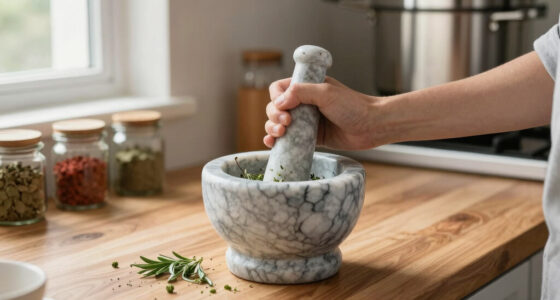
A mortar and pestle unlocks fresh flavors and textures that electric grinders can’t match. Choosing the right material, learning proper technique, and caring for your tool makes all the difference.
Ever notice how freshly ground spices smell more intense, more vibrant? That’s because a mortar and pestle crush ingredients in a way that preserves their essential oils and flavors. Unlike electric grinders that can heat or dull delicate compounds, a good mortar and pestle unlocks the true character of your ingredients.
If you’re interested in building real kitchen skills—especially off-grid or with hand-powered tools—learning to use a mortar and pestle is a game-changer. It’s simple, durable, and deeply satisfying. This guide will walk you through choosing the right one, mastering the technique, and keeping it in top shape—so you can start making spice pastes, herb blends, or even medicinal powders with confidence.
Choose a mortar and pestle material that matches your typical ingredients—granite and marble are versatile and durable.
Master a simple twisting and pounding technique to unlock maximum flavor and aroma.
Clean your tool promptly with warm water and a soft brush; use dry rice to eliminate odors and residues.
Modern designs with ergonomic features and eco-friendly materials make grinding easier and more sustainable.
Address common questions about material choice and cleaning to build confidence and prolong your mortar’s life.
Pick the Perfect Material for Your Cooking Style
The first step is choosing the right material. Your mortar and pestle’s material impacts how well it handles different ingredients and how easy it is to care for. For durability and versatility, granite or marble are top choices. They’re tough, resist staining, and great for grinding spices and harder ingredients.
Want something gentler? Ceramic handles softer herbs and spices without absorbing flavors. Wood is light and good for delicate herbs, but less effective for grinding tough seeds or roots. Imagine crushing a handful of cumin seeds in granite—then, doing the same in ceramic. The granite offers more resistance, giving a cleaner grind.
Here’s a quick comparison:
| Material | Durability | Best For | Care Level |
|---|---|---|---|
| Granite | High | Spices, herbs, roots | Low-maintenance, rinse & dry |
| Marble | High | Herbs, spices, pastes | Wipe clean, avoid harsh chemicals |
| Ceramic | Moderate | Softer herbs, powders | Gentle cleaning, no soaking |
| Wood | Lower | Soft herbs, finishing touches | Hand wash, oil occasionally |
Choosing the right material depends on what you plan to do. For grinding spices and tough ingredients, granite or marble shine brightest because their density and abrasiveness help break down hard seeds and roots efficiently, releasing their full flavor potential. Conversely, softer materials like ceramic or wood are less abrasive, which means they won’t wear down delicate herbs or absorb strong flavors over time, making them suitable for gentle tasks. The tradeoff is that softer materials may not handle hard ingredients as effectively, and may require more frequent replacement or careful cleaning to prevent flavor transfer.
As an affiliate, we earn on qualifying purchases.
Learn the Simple Technique That Unlocks Flavor
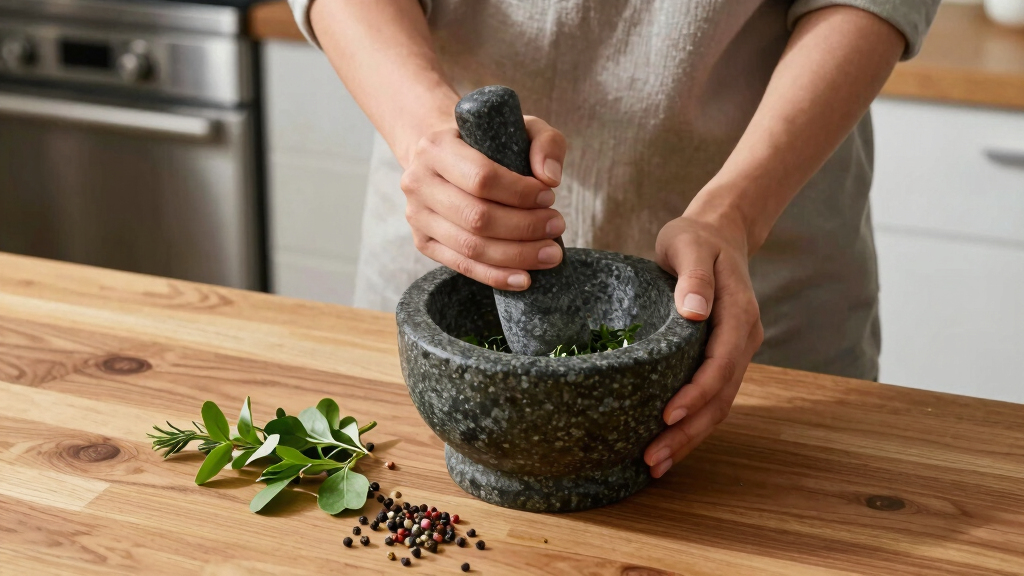
Using a mortar and pestle is about applying the right pressure and motion. Start by adding your ingredients—just a handful at a time to avoid overfilling. Use a gentle, twisting motion combined with pounding to break down herbs or spices into a paste or powder. This technique matters because the way you grind influences how much flavor and essential oils are released. For example, vigorous pounding can rupture cell walls in herbs and spices, liberating more aromatic compounds, whereas gentle grinding preserves delicate flavors and prevents over-processing.
For example, when making garam masala, start with whole spices like cinnamon, cloves, and cardamom. Crush them with firm, steady pressure, then grind in small circles. Think of it like kneading dough—pressure, twist, repeat. The key is patience: a minute or two often suffices for small batches. Rushing can lead to uneven grinding, which may result in inconsistent flavor extraction or uneven textures. Developing a consistent rhythm and pressure ensures you maximize flavor release without overdoing it, creating a more vibrant and aromatic mixture.
Here’s a step-by-step:
- Place ingredients in the mortar, filling it about halfway.
- Hold the pestle firmly and press down with a twisting motion, applying steady pressure to crack or grind the ingredients.
- Apply gentle pounding to break tougher ingredients apart, which helps release their essential oils.
- Use circular grinding motions to refine the texture and further extract flavors.
- Adjust pressure based on ingredients—lighter for herbs to preserve their delicate aroma, firmer for seeds or roots to break them down thoroughly.
By mastering this technique, you’ll not only release more oils and flavors but also gain control over the texture and potency of your blends, resulting in more vibrant, aromatic dishes and remedies.
As an affiliate, we earn on qualifying purchases.
Keep Your Mortar and Pestle Clean and Lasting for Years
Proper cleaning is essential to keep your mortar and pestle in top shape and prevent flavor transfer. For stone or ceramic, rinse immediately after use with warm water and scrub with a soft brush. Avoid soap if the material is porous—soap can soak in and taint future batches. Using soap on porous stones can leave residues that alter the flavor of your next batch, which is why many seasoned cooks prefer just water and brushing. If stubborn odors linger, grind dry rice in the mortar until it turns white. The rice absorbs residual oils and odors, acting like a natural deodorizer that lifts remaining flavors without harsh chemicals.
After cleaning, dry thoroughly with a towel or air-dry to prevent cracking or mold. For wooden or porous materials, occasional application of a light coat of mineral oil helps maintain the integrity of the surface and prevents cracking or drying out. Be mindful to handle your mortar gently; dropping or banging it can cause chips or cracks, especially with brittle materials like ceramic or marble. For example, I once forgot to dry my marble mortar after a wash. A few days later, it developed a faint white film, which was easily removed with a gentle scrub and thorough drying—regular maintenance prolongs its life and keeps it looking new.
As an affiliate, we earn on qualifying purchases.
Discover the Latest Innovations in Mortar and Pestle Design
Modern mortars and pestles are more than just heavy bowls and sticks. Recent designs incorporate ergonomic handles, textured pestles for better grip, and bases with non-slip rubber bottoms. Some models even combine traditional materials with eco-friendly composites. These innovations are driven by a desire to make grinding more comfortable, efficient, and sustainable. For example, a pestle with a textured grip reduces hand fatigue during prolonged use, allowing you to grind spices or herbs for longer periods without discomfort. Dual-purpose models that also serve as spice grinders save space and add versatility, especially valuable in off-grid kitchens where multifunctionality is key.
Materials like treated ceramics resist staining and odors, extending the life of your tool, while eco-conscious brands source sustainably, making your mortar and pestle both functional and environmentally friendly. These features are not just about convenience—they influence how often you use and maintain your tools, ultimately affecting their longevity and your cooking experience. By choosing designs that prioritize ergonomic comfort and sustainability, you invest in tools that enhance your manual grinding skills while supporting eco-friendly practices.
As an affiliate, we earn on qualifying purchases.
Address Common Questions to Boost Your Confidence
Many beginners wonder about the best material and cleaning methods. Here are answers to typical questions, with deeper insights into why these choices matter:
- What is the best material for a beginner’s mortar and pestle? – Granite or marble are ideal for durability and versatility, especially for spices and tough ingredients. Their density helps break down hard seeds and roots efficiently, which is crucial for unlocking full flavor potential. Choosing the right material prevents early wear and ensures consistent results, making your grinding more effective and less frustrating.
- How do I clean my mortar and pestle without damaging it? – Rinse with warm water and scrub with a soft brush. Avoid soap on porous stones because it can seep in and alter flavors or cause buildup. Grinding dry rice after use can absorb residual oils and odors, restoring freshness. Proper cleaning preserves the integrity of the material and the flavor quality of your ingredients.
- Can I use my mortar and pestle for both spices and medicines? – Yes, but thorough cleaning between uses is essential to prevent cross-contamination. For medicinal powders, ensure no residual flavors or oils remain that could compromise the purity of your remedies.
- How do I prevent cracking or chipping? – Handle with care, avoid dropping, and don’t force hard ingredients if your material is fragile. Recognizing the limits of your mortar’s material helps prolong its lifespan and maintains safety during use.
- Is it better to grind or crush? – Both techniques serve different purposes; grinding produces fine powders ideal for sauces or spice mixes, while crushing releases essential oils and flavors, making it perfect for extracting maximum aroma and potency from herbs and seeds. Understanding when to use each technique allows you to tailor your approach for optimal results.
Addressing these questions with a deeper understanding helps you gain confidence and ensures you get the most out of your mortar and pestle, turning it into a reliable tool in your kitchen arsenal.
Conclusion
Mastering the mortar and pestle is about more than just grinding. It’s about capturing the essence of ingredients—flavor, aroma, and texture—through simple, effective movement. With a little practice, you’ll turn everyday spices and herbs into vibrant, fresh additions to your cooking.
Think of your mortar and pestle as an extension of your senses—its textures, sounds, and smells guiding you to better flavors. Keep it simple, care for it well, and enjoy the process. The rich, vibrant world of manual grinding awaits.
Evergreen bestsellers Picks
bestsellers
As an affiliate, we earn on qualifying purchases.