
TL;DR

Get kitchen gear delivered free — and shop member deals
- Fast, free delivery on millions of items
- Access to Prime Big Deal Days deals on October 6–7
- Prime Video, Amazon Music and more included
Brewing loose leaf tea hinges on matching the right water temperature and steeping time for each tea type. Using proper tools ensures consistency, unlocking better flavor and aroma every time.
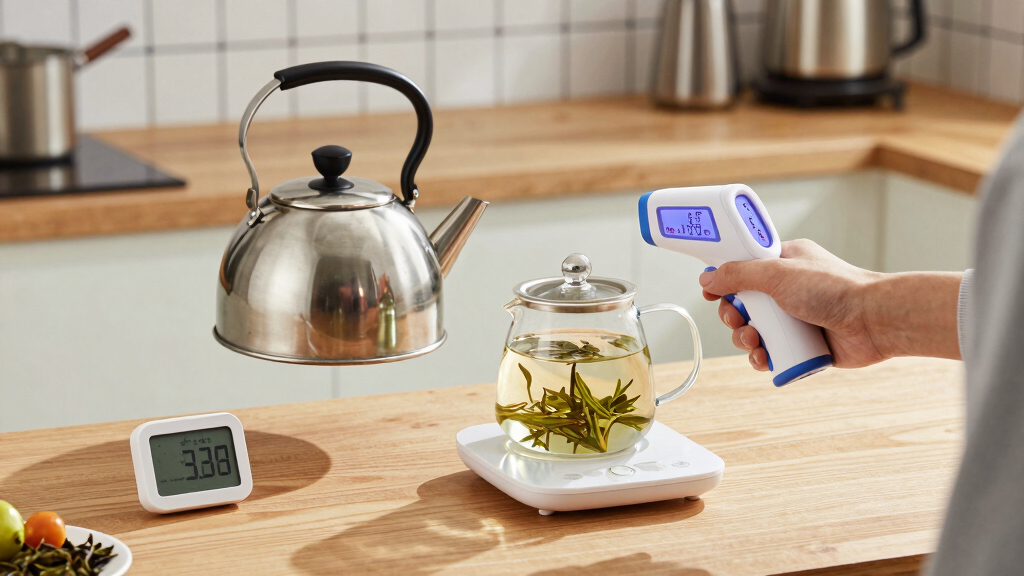
Use a thermometer to match water temperature to tea type—green, white, oolong, or black—for best results.
Steep each tea for its ideal time, usually between 1–5 minutes, to avoid bitterness or weak flavor.
Invest in simple tools like a good kettle and timer for consistent, quality brews.
Reusing leaves, especially for oolongs and pu-erh, can deepen flavors with adjusted steeping times.
Modern gadgets can improve control but manual tools are just as effective with attention and care.
Why Temperature Matters More Than You Think
Water temperature is the key to unlocking the full flavor of each tea type. Green teas need a gentle touch, around 150–180°F, to avoid bitterness. Black teas, on the other hand, thrive at near-boiling 200–212°F, extracting bold, rich notes. Think of it like dialing in the right setting on your stove or kettle for each leaf.
For example, if you steep green tea at boiling point, it turns bitter and astringent. But at 160°F, it blooms with a sweet, grassy aroma. Using a thermometer helps you hit that exact mark—no guesswork. It’s like giving each tea its perfect environment, much like a garden needs the right soil and sunlight.
Understanding why temperature matters goes beyond just following guidelines. Higher temperatures can over-extract tannins and polyphenols, leading to bitterness or astringency. Conversely, too low a temperature may result in under-extraction, leaving behind bland flavors and missing out on aromatic compounds. The tradeoff is precision: investing in a good thermometer or temperature-controlled kettle allows you to tailor the brewing process, ensuring each cup showcases the tea’s true character. This control enhances not just flavor, but also the texture and aroma, making your brewing more intentional and satisfying.
digital tea kettle with temperature control
As an affiliate, we earn on qualifying purchases.
As an affiliate, we earn on qualifying purchases.
Steeping Times That Bring Out the Best Flavors
Steeping time is where patience and precision meet. Green teas usually need just 1–3 minutes to develop bright, fresh flavors without turning bitter. Black teas prefer 3–5 minutes for full-bodied richness. Oolongs and white teas sit somewhere in between, with delicate durations that preserve subtlety.
But why does timing matter so much? Over-steeping can lead to astringency and loss of delicate aromatics, making the tea taste harsh and dull. Under-steeping, on the other hand, results in weak, flat flavors that don’t do justice to the leaves. The art lies in finding that sweet spot—enough time to extract the desired compounds without crossing into bitterness.
To master this, it’s helpful to understand the chemistry behind steeping. During infusion, hot water extracts flavors, tannins, and aromatic compounds from the leaves. If steeped too long, excessive tannins can dominate, creating an undesirable bitterness. Too short, and you miss out on full flavor extraction. Experimenting with the exact timing for each tea type, and adjusting based on personal taste, will develop your intuition. Using a timer ensures consistency, so each cup is as good as the last. Mastering steeping times transforms your brewing from a shot in the dark to a precise craft that highlights each tea’s unique profile.
loose leaf tea brewing thermometer
As an affiliate, we earn on qualifying purchases.
As an affiliate, we earn on qualifying purchases.
Understanding the Progressive Approach to Brewing
Brewing tea is a journey that involves understanding the progression from the initial preparation to the final sip. Starting with selecting quality leaves, then controlling water temperature, steeping time, and finally tasting and adjusting, each step builds upon the previous one to enhance flavor and aroma.
For example, begin by choosing fresh, whole leaves for better flavor extraction. Next, heat your water to the ideal temperature based on the tea type—green, black, oolong, or white. Then, measure the right amount of leaves and steep for the recommended time, using a timer for accuracy. After the steep, taste the tea and decide if it needs a slightly longer or shorter steep next time. This iterative process helps you refine your technique and discover what best suits your palate.
Applying this progressive approach means you learn to read the tea’s response at each stage. If a brew tastes too bitter, try lowering the temperature or shortening the steep time. If it’s too weak, increase the steeping duration or use more leaves. Over time, this methodical process deepens your understanding of how each variable influences the final flavor, turning brewing into a mindful and enjoyable ritual.
As an affiliate, we earn on qualifying purchases.
Frequently Asked Questions
What is the ideal temperature for brewing green tea?
Green tea prefers water between 150–180°F. This gentle warmth helps extract its bright, grassy notes without turning bitter.
How long should I steep black tea?
Typically, 3–5 minutes is best. Adjust based on whether you prefer a lighter or stronger brew—shorter for milder, longer for richer flavor.
Can I reuse tea leaves?
Yes, especially for oolongs and pu-erh. Re-steeping with a slight increase in steeping time can bring out deeper, more complex flavors with each infusion.
What tools are best for brewing loose leaf tea?
A mesh infuser, gaiwan, or a well-made teapot with a strainer are excellent choices. They allow the leaves to expand fully and make cleanup easy.
How does water temperature affect flavor?
Higher temperatures extract more robust flavors but risk bitterness, especially in green and white teas. Lower temperatures yield lighter, more delicate notes—finding the right balance is key.
As an affiliate, we earn on qualifying purchases.
Conclusion
Perfecting your loose leaf tea hinges on understanding how temperature and time dance together. With the right tools, you turn each cup into a mindful ritual, revealing complex aromas and flavors that transform your brewing from routine to craft. Remember, every variable—water, leaves, patience—shapes your unique tea experience. Keep experimenting, and savor the journey as much as the sip.Fall Picks
fall essentials
As an affiliate, we earn on qualifying purchases.