
TL;DR

Get kitchen gear delivered free with Prime
- Fast, free delivery on millions of items
- Prime Video, Amazon Music and more included
- Member-only deals all year
Reusable coffee filters—cloth, metal, and reusable paper—offer eco-friendly, cost-effective options that impact flavor and convenience. Proper maintenance extends their lifespan, making them a smart choice for off-grid kitchens.
Metal filters provide richer flavor but require regular descaling; cloth filters deliver a cleaner cup with proper rinsing and air drying.
Switching to reusable filters can cut coffee waste by up to 90%, making a big environmental impact.
Proper cleaning and storage are essential—neglect leads to mold, bacteria, and flavor contamination.
Initial costs vary, but durable filters like metal ones can last several years, making them cost-effective.
Choose your filter based on your brewing style, lifestyle, and environmental priorities for the best experience.
What Makes Cloth, Metal, and Paper Reusable Coffee Filters Different?
Reusable coffee filters come in three main flavors: cloth, metal, and reusable paper. Each type offers unique benefits and quirks, shaping your coffee’s flavor and your brewing routine.
Cloth filters are usually made from cotton or hemp—think soft, flexible fabric that molds easily to your pour-over or drip setup. They trap fine sediments, producing a clean, smooth cup. However, their porous nature also means they can retain oils and residues if not cleaned properly, which can lead to flavor contamination or mold. Proper care involves thorough rinsing and occasional deep cleaning, making them a bit more maintenance-intensive but highly customizable in terms of material and weave.
Metal filters—stainless steel or gold-tone mesh—deliver a fuller-bodied brew. They let more oils and tiny particles through, giving your coffee richer flavor and mouthfeel. The tradeoff is that they may result in more sediment in the cup if not finely meshed, and they can be more challenging to clean thoroughly if mineral deposits build up. Their durability means they often last for years, but regular descaling is crucial to maintain optimal flow and flavor.
Reusable paper filters mimic single-use paper but are made from biodegradable materials like bamboo or recycled fibers. They strike a balance: cleaner than metal, but still eco-conscious. They are often designed to provide a consistent filtration quality, but their lifespan is limited—usually around 6–12 months—depending on usage and cleaning routine. They can tear or clog if not handled carefully, which impacts brewing consistency and flavor clarity. Their convenience makes them appealing, but they require regular replacement to maintain performance.
As an affiliate, we earn on qualifying purchases.
Why Reusable Filters Are a Win for the Environment
When you swap single-use paper filters for reusable options, you don’t just reduce waste—you actively participate in a shift toward more sustainable consumption. Cutting down on the number of disposable filters used each year means less waste ending up in landfills, which is critical because paper filters are often not biodegradable or take years to decompose. Reusable filters, particularly metal and cloth, can last for years with proper care, drastically reducing the volume of waste generated from your coffee routine.
Beyond waste reduction, consider the resources involved in manufacturing. Producing a single metal or cloth filter consumes significantly fewer raw materials and energy over its lifespan than the repeated production of disposable paper filters. This means lower water, wood, and energy footprints, which collectively contribute to a healthier planet.
For example, investing in a high-quality metal filter that lasts three years can replace over 1,000 paper filters—each of which would have contributed to deforestation, water use, and landfill waste. This tradeoff highlights how thoughtful choices in your coffee gear can have a meaningful environmental impact over time, aligning with off-grid values of sustainability and self-reliance.
As an affiliate, we earn on qualifying purchases.
Cost and Durability: What You Spend and How Long It Lasts
Initial costs vary: metal filters usually run between $10–$30 and can last several years if cared for properly. They are an investment that pays off over time, as their durability means fewer replacements. Cloth filters are often cheaper upfront—around $5–$15—but require regular cleaning to prevent mold and odors, which adds a bit of ongoing effort but still offers good value. Reusable paper filters tend to cost $8–$20 and typically last about 6–12 months, depending on how frequently they are used and maintained. They are a middle ground in terms of upfront expense and lifespan, but their relatively shorter durability means more frequent replacements.
Considering long-term use, a sturdy metal filter can be more economical despite the higher initial price, since it can serve for years without replacement. Cloth filters, while inexpensive initially, may need replacing more often if not maintained properly. Reusable paper filters, though convenient, tend to have the shortest lifespan, making their cost-effectiveness dependent on careful handling and timely replacement. Weighing these factors helps you choose a filter that aligns with your budget and commitment to maintenance, especially in off-grid settings where supply access may be limited.
biodegradable reusable paper coffee filters
As an affiliate, we earn on qualifying purchases.
As an affiliate, we earn on qualifying purchases.
Flavor Profiles: How Your Filter Type Changes Coffee Taste
Metal filters are like opening the floodgates—more oils, tiny particles, and a fuller flavor. Coffee brewed with a metal filter often has a richer mouthfeel, with pronounced earthy and roasted notes. This can enhance the depth of robust beans but may overpower subtler flavors if not used carefully. Cloth filters, on the other hand, produce a cleaner, lighter cup by trapping some oils and fine particles, which results in a smoother, less oily brew. This clarity can highlight delicate floral or fruity notes in your coffee, making it ideal for more nuanced beans.
Reusable paper filters strike a middle ground—they remove enough oils for a crisp, clean taste but still allow some flavor to pass through. This balance often results in a bright, lively cup that preserves the coffee’s complex aromatics without excessive sediment. Your choice impacts the overall sensory experience—metal for boldness, cloth for clarity, and paper for balance—so selecting the right filter aligns with your preferred flavor profile and brewing style.
For example, a French press with a metal filter yields bold, thick coffee that emphasizes body and richness, while a pour-over with a cloth filter offers a delicate, bright cup that accentuates subtle flavors. Understanding these differences helps you tailor your brewing process to your taste preferences and the beans you use.
As an affiliate, we earn on qualifying purchases.
How to Clean and Care for Your Reusable Coffee Filter
- Metal filters: Rinse immediately after brewing to remove coffee grounds. For mineral buildup or stubborn residues, soak in a vinegar or descaling solution periodically. Use a soft brush to gently scrub the mesh if needed, ensuring tiny holes remain unobstructed. Proper cleaning prevents flavor contamination and maintains flow rate.
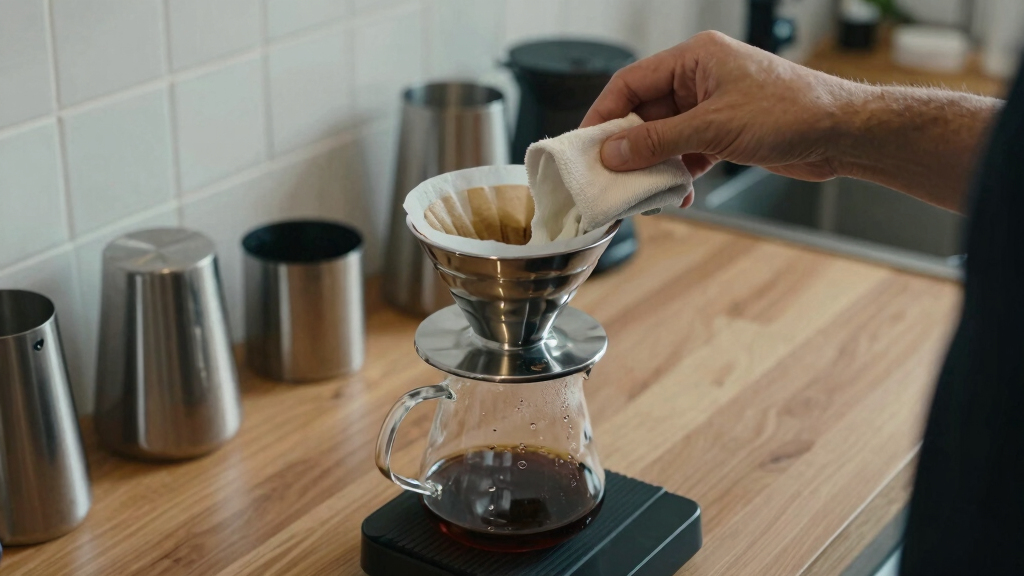
- Cloth filters: Rinse thoroughly with hot water immediately after use to remove oils and coffee grounds. Deep clean weekly by soaking in a vinegar or baking soda solution to eliminate oils and prevent mold. Air dry completely in a well-ventilated area—this step is critical to avoid mildew and unpleasant odors. Storing in a dry, breathable container further reduces mold risk.
- Reusable paper filters: Rinse after each use to remove residual coffee. Allow to air dry fully before storing. Replace them when tears or frays appear—using a damaged filter can lead to grounds slipping through and affecting flavor. Regular replacement ensures optimal filtration and flavor clarity.
Proper cleaning and drying are essential to extend the lifespan of your filters and preserve the purity of your coffee. Neglecting these steps can lead to mold, bacteria, and flavor contamination, which not only shortens the filter’s lifespan but also impacts the quality of your brew. Developing a routine—such as immediate rinsing and weekly deep cleaning—helps maintain their performance and your off-grid sustainability goals.
For example, a cloth filter left damp or stored in a humid environment can develop mildew. Drying it in the sun or in a warm, ventilated space keeps it fresh and ready for use, ensuring each cup tastes as good as the first.
Which Reusable Filter Fits Your Coffee Style and Off-Grid Life?
Choosing the right filter depends on your brewing preferences and lifestyle. Want a rich, bold cup? A metal filter’s your best bet because it enhances body and depth, especially for dark roasts. Prefer a clean, bright flavor? Cloth filters excel at trapping oils and fine particles, revealing nuanced flavors and delicate aromatics. Looking for convenience and sustainability? Reusable paper filters are a solid middle ground—they’re easy to use, disposable when needed, and reduce waste without sacrificing too much flavor clarity.
Consider your off-grid setup: metal filters are durable, require no electricity, and are easy to rinse, making them ideal for remote locations. Cloth filters can be rinsed and air-dried, which is suitable if water access is limited but regular cleaning is feasible. Reusable paper filters, often lightweight and compact, work well if you want a quick, no-fuss option that still minimizes waste. Think about your typical brewing environment and how each type fits into your routine—long-term sustainability and ease of maintenance should guide your choice.
For example, if you’re camping for a week with no power, a stainless steel filter that cleans easily with water and lasts years is ideal, reducing the need for replacement and extra supplies.
Real-World Tips to Make Your Reusable Filter Last Longer
- Always rinse filters immediately after brewing to prevent coffee oils and grounds from drying and becoming difficult to remove.
- Deep clean cloth filters weekly with vinegar or baking soda soak to break down oils and prevent mold growth, ensuring a fresh-tasting brew every time.
- Inspect metal filters for mineral deposits or clogging; descale as needed using vinegar or commercial descaling solutions to maintain optimal flow and flavor clarity.
- Store filters in a dry, well-ventilated spot—damp or enclosed areas can promote mold and bacterial growth, shortening their lifespan.
- Replace reusable paper filters when tears or frays occur—using damaged filters can lead to grounds slipping through and affecting flavor, defeating their purpose.
With consistent, simple habits—like thorough rinsing, regular deep cleaning, and proper storage—your filters can serve you well for years. Think of it as maintaining a trusted tool: attention to detail ensures longevity and keeps your coffee tasting perfect, even in off-grid conditions.
Conclusion
Switching to a reusable coffee filter isn’t just about saving money; it’s about making every cup count—better flavor, less waste, more self-reliance. With the right care, your filter will serve you well, turning every brew into a small act of sustainability. Imagine a future where every cup you drink leaves a lighter footprint—start today, and make that vision a daily reality.Fall Picks
fall essentials
As an affiliate, we earn on qualifying purchases.