
TL;DR

Get kitchen gear delivered free — and shop member deals
- Fast, free delivery on millions of items
- Access to Prime Big Deal Days deals on October 6–7
- Prime Video, Amazon Music and more included
Hong Kong Polytechnic University has introduced a new project to produce incense using tea-based waste. This development aims to promote sustainability and waste reduction. The project is still in early stages, with further testing needed.
Hong Kong Polytechnic University has announced a new project to produce incense from tea-based waste. This initiative aims to transform organic waste into eco-friendly products, demonstrating innovative waste management solutions that could reduce environmental impact and promote sustainability.
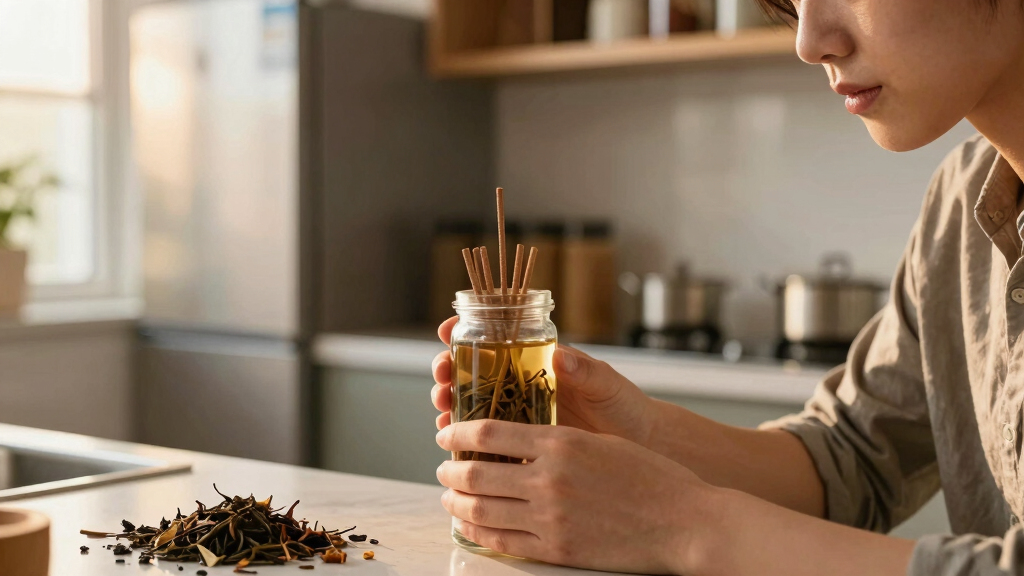
The project, led by researchers at Hong Kong Polytechnic University, focuses on converting discarded tea leaves into incense sticks. According to the university, the process involves extracting aromatic compounds from tea waste, which are then used to produce incense with a natural scent. The project is still in experimental phases, with ongoing testing to refine the process and assess the quality of the final product.
Officials from the university stated that this approach could help reduce organic waste in Hong Kong, where tea consumption is high. They emphasized that utilizing tea waste for incense could also reduce reliance on synthetic fragrances, contributing to more sustainable consumer products. The project is part of broader efforts by the university to develop environmentally friendly materials and promote circular economy practices.
Potential Impact on Sustainable Waste Management
This development is significant because it presents a novel way to repurpose organic waste, specifically tea leaves, into valuable products. If successful, it could inspire similar initiatives in other regions with high tea consumption, reducing landfill waste and lowering environmental pollution. The project also underscores the importance of innovation in creating eco-friendly alternatives to traditional products, aligning with global sustainability goals.
As an affiliate, we earn on qualifying purchases.
Innovative Uses of Organic Waste in Product Development
In recent years, there has been growing interest in converting organic waste into useful materials, such as biofuels, biodegradable plastics, and natural fragrances. Hong Kong, with its dense population and high tea consumption, faces significant waste management challenges. The university’s project builds on prior research into sustainable materials, aiming to turn waste into marketable products that can benefit both the environment and local economies.
The idea of using tea waste in product manufacturing is not entirely new, but applying it to incense production is a novel approach. Previous efforts have focused on composting or extracting tea polyphenols for health products, but this project explores scent extraction for consumer goods.
“This project demonstrates the potential of turning everyday waste into valuable, eco-friendly products, which could significantly reduce organic waste in urban environments.”
— an anonymous researcher at Hong Kong Polytechnic University
natural scent incense from tea waste
As an affiliate, we earn on qualifying purchases.
As an affiliate, we earn on qualifying purchases.
Uncertainties About Product Commercialization
It is not yet clear when the tea waste incense will be available for commercial use, or how it will perform in terms of scent quality and consumer acceptance. Further testing and development are required to validate the process and scale production.
As an affiliate, we earn on qualifying purchases.
Next Steps for Development and Testing
The research team plans to continue refining the extraction process, conduct consumer testing, and evaluate the environmental impact of large-scale production. They aim to seek partnerships for commercialization within the next year, pending successful trial results.
As an affiliate, we earn on qualifying purchases.
Key Questions
How is the tea waste converted into incense?
The process involves extracting aromatic compounds from discarded tea leaves, which are then blended with natural binders to form incense sticks. The method is still under development to optimize scent and burn quality.
When might this tea waste incense become available to consumers?
It is not yet confirmed when the product will be commercially available. The project is currently in experimental stages, with further testing needed before market launch.
What are the environmental benefits of this project?
Utilizing tea waste reduces organic waste sent to landfills, lowers pollution, and promotes circular economy practices by transforming waste into valuable products.
Are there any health or safety concerns with the tea waste incense?
Further testing is required to assess safety, but the project emphasizes natural ingredients and aims to avoid synthetic chemicals often used in conventional incense.
Could this approach be used for other organic wastes?
Yes, the concept could potentially be adapted to other waste materials, such as herbs or fruit peels, but each material requires specific processing techniques.
Source: Dezeen
Halloween Picks
halloween
As an affiliate, we earn on qualifying purchases.