TL;DR
When your tap stops, your first priority is to stay informed, conserve your stored water, and have reliable methods to purify new sources. Proper planning and quick action can prevent health risks and keep your family safe.
Imagine waking up, turning the tap, and nothing happens. No water to wash dishes, brew coffee, or flush the toilet. It’s a jarring moment, but not an uncommon one in off-grid living or during infrastructure failures. The question isn’t if it’ll happen — it’s when.
Knowing what to do when the tap stops could be the difference between a manageable inconvenience and a health crisis. This guide will walk you through immediate steps, long-term preparations, and smart water use during an emergency. Because when water runs dry, your resilience is tested. Let’s make sure you’re ready.
Store at least one gallon of water per person per day, and rotate supplies every six months.
Boiling water for one minute kills most pathogens; chemical disinfectants are a quick alternative.
Regularly test and maintain your water sources and purification tools.
Long-term resilience depends on rain harvesting, greywater recycling, and decentralized systems.
Be alert to signs of contamination: smell, color, sediment, and official advisories.
Why Your Water Might Vanish and What to Do First
The first thing to remember: water disruptions are often caused by natural disasters, maintenance work, or infrastructure failures. You might face a burst pipe, a power outage, or contamination scare. In any case, staying calm and acting swiftly is key.
Start by tuning into local alerts via radio, social media, or emergency apps. Find out if authorities have issued a boil water notice, or if they recommend alternative sources. Your immediate goal: conserve your existing water and avoid unnecessary use. Think of your stored supply as gold — it’s your lifeline.
For example, if a neighborhood pipe burst floods the system with dirt or chemicals, boiling won’t help. Instead, you’ll need to find cleaner sources or use purification tools. Recognize the cause, act accordingly, and keep your senses alert for updates.

waterBOB Bathtub Emergency Water Storage Bladder Up To 100 Gallon Capacity – Food Grade Liner with Hand Pump for Hurricane and Disaster Preparedness – BPA Free Drinking Water Container
Space-Saving Up To 100-Gallon Emergency Water Storage: Transform your existing bathtub into a clean, safe water storage system…
As an affiliate, we earn on qualifying purchases.
As an affiliate, we earn on qualifying purchases.
How Much Water Should You Stockpile for Emergencies?
Having enough water on hand is the foundation of resilience. The CDC recommends storing at least one gallon per person per day for a minimum of three days. That’s about enough for drinking, basic hygiene, and cooking.
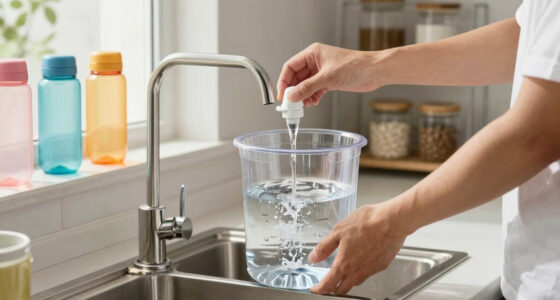
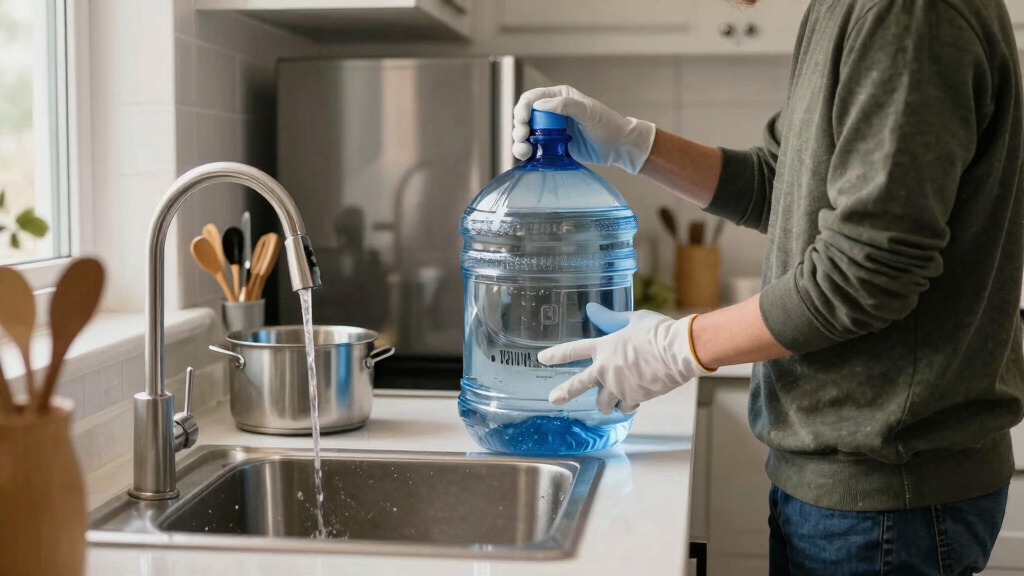
For a family of four, that’s 12 gallons stored — not much, but enough to buy time. Use clean, food-grade containers — five-gallon buckets with tight lids work well. Remember to keep the containers in a cool, dark place, and rotate your supply every six months to keep it fresh.
Consider your climate, household size, and any special needs. If you have pets or elderly family members, add extra. Planning ahead reduces panic when the tap suddenly stops.
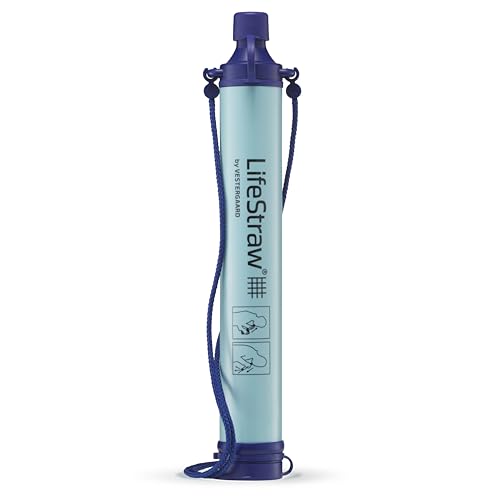
LifeStraw Personal — Water Filter for Hiking, Camping, Travel, and Emergency Preparedness, 1 Pack, Blue
Removes Bacteria & Parasites: The Microfiltration Membrane Removes 99.999999% of Waterborne Bacteria (Including E. Coli and Salmonella), and…
As an affiliate, we earn on qualifying purchases.
As an affiliate, we earn on qualifying purchases.
Simple Ways to Purify Water When Your Tap Fails
Purifying water in an emergency isn’t complicated — it’s about knowing your options. The most reliable method: boiling. Boil water for at least one minute (three minutes at high altitudes). This kills bacteria, viruses, and parasites, which are often invisible but can cause serious illness. Understanding why boiling is effective helps you prioritize safety, especially when other methods might be unavailable or less proven.
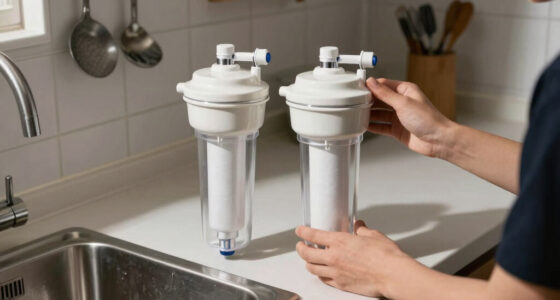
If boiling isn’t possible, chemical disinfectants work well. Use unscented household bleach (about 8 drops per gallon), stir well, and let sit for 30 minutes. Portable water filters, like gravity or pump models, remove contaminants and improve taste. The tradeoff with filters is cost and maintenance over time, but they’re invaluable for long-term resilience and daily purification.
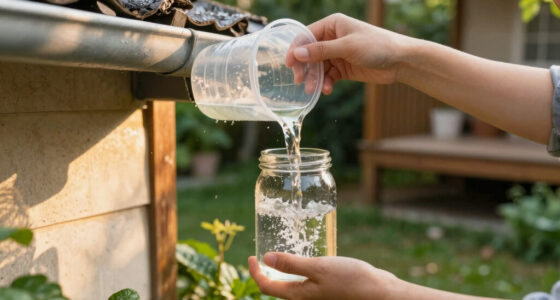
For example, if you collect rainwater from your roof, run it through a filtration system before boiling or chemical treatment. Combining methods ensures safer water because each step addresses different types of contaminants—filtration removes particulates and some chemicals, boiling kills pathogens, and chemical disinfectants add an extra layer of safety. Recognizing the limitations and strengths of each method allows you to adapt based on available resources and specific risks.
Remember: never drink water that smells foul or looks murky without proper treatment. The implications of ignoring these signs can include gastrointestinal illness and longer recovery times, so always err on the side of caution.
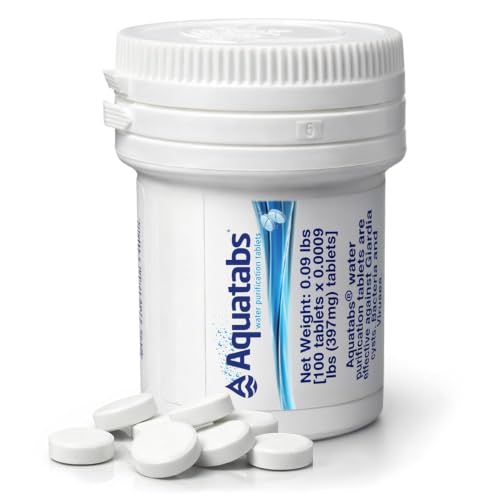
Aquatabs Water Purification Tablets (397mg, 100 Pack). Water Filtration System for Camping, Boating, Emergency Water, Survival Kit, and Marine. Easy-to-Use Water Purifier Treatment.
TRUSTED WATER PURIFICATION TABLETS – Aquatabs are the world's leading water purification tablets for drinking; the ultimate choice…
As an affiliate, we earn on qualifying purchases.
As an affiliate, we earn on qualifying purchases.
Comparison Table: Purification Methods — What Works Best?
| Method | Pros | Cons | Best Use |
|---|---|---|---|
| Boiling | Kills most pathogens, simple, inexpensive | Requires fuel or electricity, takes time | All situations, especially when contamination is suspected |
| Chemical Disinfection | Fast, portable, effective in emergencies | Taste may be affected, careful measurement needed | Quick treatment, when boiling isn’t feasible |
| Water Filters | Removes bacteria, protozoa, improves taste | Costly upfront, needs maintenance | Long-term use, daily purification |

Best Downspout Diverter Rainwater Harvesting & Collection, Self-Flushing, Prevents Clogs, Fits 2-5/8 x 2-5/8, 2×3, 3×3, 3×4, up to 5×5 & Round Downspouts.
Patented Rainwater Diverter System – Designed for maximum efficiency, this downspout diverter kit captures more water faster with…
As an affiliate, we earn on qualifying purchases.
As an affiliate, we earn on qualifying purchases.
Long-Term Water Planning for Off-Grid Living
In off-grid setups, water isn’t just a backup — it’s part of your daily life. Building resilience means thinking beyond emergency supplies. Start harvesting rainwater with gutters and storage tanks; they can supply your needs even when the grid fails.
Greywater recycling, composting toilets, and decentralized wells reduce dependence on external infrastructure. Keep a backup supply of purification tablets and portable filters nearby. Practice regular maintenance, and test your water sources periodically.
For example, a homesteader in the mountains installed a large cistern fed by seasonal rain, combined with a solar-powered pump and UV purifier. When the town’s water mains went offline during a storm, they had enough clean water stored to last weeks.
Long-term planning isn’t glamorous, but it’s the backbone of true resilience.
How to Spot and Avoid Water Contamination
Water contamination isn’t always obvious — but it’s often indicated by a strange smell, color, or sediment. During an emergency, if authorities warn about contamination, take extra precautions.
Use your senses: foul odor, murky appearance, or unusual taste are red flags. If your water looks or smells off, don’t drink it. Instead, treat it with boiling or chemical disinfectants before use.
Remember, chemicals or heavy metals may not be detectable by sight or smell. In such cases, rely on certified filters or avoid using questionable sources altogether. Recognizing these invisible risks and acting accordingly can prevent serious health issues, such as poisoning or long-term health effects. Being proactive with testing and filtration can mean the difference between a safe supply and exposure to harmful substances.
For example, after a nearby chemical spill, community wells were contaminated. Residents who used chemical filters or boiled water avoided illness, while those who drank untreated water suffered stomach issues.
Frequently Asked Questions
How much water should I store for an emergency?
The CDC recommends at least one gallon per person per day for three days. Adjust based on your household size and needs, and remember to rotate your supplies regularly to keep them fresh.
What are the best ways to purify water during an emergency?
Boiling is the most reliable method. If unavailable, use chemical disinfectants like iodine or chlorine tablets, or employ portable water filters. Combining methods provides the safest drinking water.
How long can stored water last?
In proper, sealed, food-grade containers kept in cool, dark conditions, water can last for several months. However, regular rotation and testing help maintain safety and taste.
What should I do if my water is contaminated?
Use boiling or chemical disinfection to treat the water. If contamination is chemical or heavy metals, avoid drinking unless filtered through certified devices. When in doubt, seek alternative sources.
What low-cost steps can I take to prepare for water outages?
Store tap water in clean bottles, add a few drops of unscented household bleach for disinfection, and learn simple purification techniques like boiling or filtering. These small steps make a big difference.
Conclusion
When the tap runs dry, your preparedness determines your safety. Stock enough clean water, know how to purify new sources, and stay informed. These steps turn a panic-inducing moment into a manageable challenge.
Remember: water is the foundation of resilience. When you treat it with respect and preparation, you turn uncertainty into confidence. Stay ready, and your off-grid life becomes a little more secure — no matter what hits next.