
TL;DR

Get kitchen gear delivered free with Prime
- Fast, free delivery on millions of items
- Prime Video, Amazon Music and more included
- Member-only deals all year
Safe water storage relies on using the right containers, maintaining cleanliness, and rotating water regularly. These simple steps prevent microbial growth and keep your water safe for drinking, especially in areas with limited access to treated water.
Imagine filling a sturdy, food-grade plastic container with fresh water today. If you don’t rotate or clean it regularly, that water can become a breeding ground for bacteria in just a couple of days. Maintaining safe water isn’t glamorous, but it’s essential—especially when access to treated water is limited or unreliable.
In this guide, you’ll learn how to pick the best containers, keep them clean, and develop a rotation routine that keeps your water safe, fresh, and ready whenever you need it. Whether you’re off-grid or simply want to be more resilient, these practical tips will make a real difference.
Choose durable, food-grade containers with tight lids and narrow openings.
Clean your containers thoroughly and regularly to prevent microbial growth.
Rotate stored water every 24-48 hours to keep it fresh and safe.
Stay informed about new storage technologies like UV or IoT solutions.
Always inspect water for clarity and smell before drinking, and test if in doubt.
Pick the Right Container—Here’s What Works Best
Your water container is the foundation of safe storage. It needs to be made of food-grade materials like plastic or stainless steel—materials that won’t leach chemicals or react with water. Look for containers with narrow openings and secure lids to keep out dust, insects, and animals. Size depends on your household—large enough for a week’s supply, but manageable enough for daily use.
For example, a 20-gallon food-grade plastic drum with a tight-fitting lid works well for bulk storage, while a 5-gallon jug with a spigot makes daily access easy. Durability matters, too—UV-resistant plastics and crack-proof stainless steel will serve you longer. Remember, a good container should be easy to clean and resistant to microbial growth.
Choosing the right container isn’t just about capacity; it’s about understanding how the material interacts with water over time. For instance, some plastics may degrade under prolonged UV exposure, leading to potential chemical leaching, which can compromise water safety. Stainless steel, while more expensive, resists corrosion and doesn’t leach chemicals, making it ideal for long-term storage. The shape and opening size also matter—wide-mouth containers facilitate cleaning, but narrow openings help prevent contamination. Tradeoffs include weight (stainless steel is heavier) versus ease of handling. Ultimately, select a container that balances durability, safety, and practicality for your specific environment and needs.
food grade water storage containers
As an affiliate, we earn on qualifying purchases.
As an affiliate, we earn on qualifying purchases.
Keep Your Containers Clean—Simple Steps to Prevent Contamination
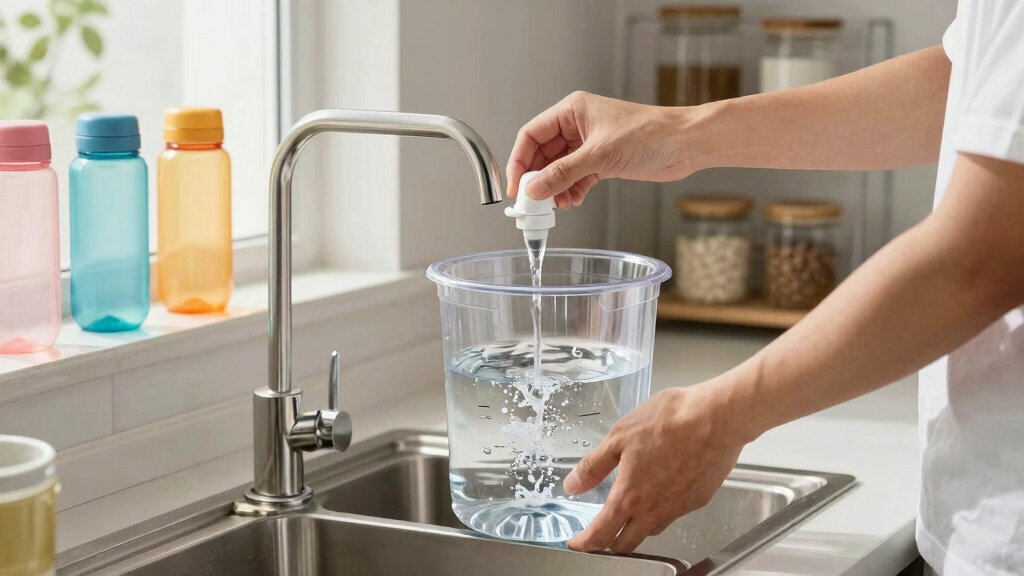
Clean containers are the first line of defense against waterborne diseases. After each refill, wash your container with soap and safe disinfectant—like a diluted bleach solution (about 2-4 drops per liter). Rinse thoroughly to remove any residue. Cover containers tightly to prevent dust, insects, or animals from contaminating your water.
For example, after filling a 5-gallon jug, you might wipe the rim with a clean cloth dipped in disinfectant, then screw on the lid. Regular maintenance—at least once a month—keeps microbial growth at bay and preserves water quality over time.
Maintaining cleanliness isn’t just about appearance; it’s about preventing biofilm formation and microbial colonization that can compromise water safety. Residual dirt or organic matter left in the container provides nutrients for bacteria and algae, which can multiply rapidly under warm conditions. If not cleaned properly, these microbes can form biofilms—a slimy layer that adheres to surfaces—making cleaning more difficult and increasing the risk of contamination. Regularly disinfecting your containers with a safe solution disrupts this microbial habitat, significantly reducing health risks. This proactive approach not only prolongs the lifespan of your containers but also ensures your stored water remains safe for consumption, especially in environments where water sources may be contaminated or unpredictable.
stainless steel water storage tank
As an affiliate, we earn on qualifying purchases.
As an affiliate, we earn on qualifying purchases.
Rotate Water Like a Pro—Your Simple Routine
Water is best when fresh. Aim to replace stored water every 24-48 hours, especially in hot weather or when water quality is questionable. A good habit is to use the First-In, First-Out (FIFO) system—always drink the oldest water first to keep your supply fresh.
For instance, if you stored water on Monday, finish it by Wednesday and replace it with new supply. Keep an eye on water clarity, smell, and taste. If it looks or smells off, discard and replace immediately. Regular rotation prevents stagnation and microbial growth, which can cause health issues.
Rotating water isn’t just about freshness; it’s a critical health safeguard. Microbial growth, such as bacteria, algae, and protozoa, can develop in stagnant water, especially when stored in warm or sunny conditions. These microorganisms can cause illnesses ranging from gastrointestinal upset to more severe infections. By regularly replacing water, you disrupt their habitat, significantly reducing health risks. Additionally, consistent rotation helps you detect early signs of contamination—such as changes in smell or taste—so you can act swiftly. Developing a routine ensures your water remains safe, reducing the chance of illness and giving you peace of mind in off-grid living or emergency preparedness scenarios.
As an affiliate, we earn on qualifying purchases.
Compare Container Options—Find What Fits Your Needs
| Material | Pros | Cons |
|---|---|---|
| Food-grade Plastic | Lightweight, inexpensive, durable | Can degrade under UV light over time |
| Stainless Steel | Resists corrosion, easy to clean, long-lasting | Heavier, more expensive |
As an affiliate, we earn on qualifying purchases.
Latest Innovations in Safe Storage
New container designs include built-in disinfection features—like UV or silver ion technology—that help keep water safe longer. IoT sensors now monitor water quality remotely, alerting you if microbial levels rise. Community programs educate households on proper storage and rotation, reducing disease risk on a larger scale.
For example, some off-grid households are now using smart bottles with embedded UV lights that activate during filling, ensuring every drop is disinfected. These innovations aim to make keeping water safe easier and more reliable.
How to Detect If Your Water Is Safe to Drink
Visual cues are your first warning—cloudiness, cloud patches, or a strange smell indicate potential contamination. Tasting a small amount can help, but it’s not always reliable. Testing kits for microbial contamination are available at hardware stores or online—easy to use and give quick results.
For example, if stored water develops a musty smell or turns cloudy, discard it and clean your container thoroughly before refilling. When in doubt, treat the water with a safe disinfectant or boil it for 1-3 minutes to kill microbes.
Understanding how to interpret these signs is crucial. Cloudiness or a strange smell suggests microbial activity or chemical contamination, which can pose health risks. Tasting can sometimes reveal spoilage, but it’s not foolproof—microbes can be present without immediate detectable taste or smell. Using testing kits provides a definitive assessment, especially in critical situations. Boiling remains a reliable method to ensure safety when contamination is suspected but testing isn’t available. Recognizing these indicators and acting promptly can prevent waterborne illnesses and protect your health in off-grid living environments.
Frequently Asked Questions
What are the best types of containers for safe water storage?
Food-grade plastic or stainless steel containers with secure lids and narrow openings are ideal. They prevent contamination and are easy to clean, ensuring your water stays safe over time.
How often should I rotate or replace stored water?
Replace water every 24-48 hours, especially in warm weather or if you notice any change in clarity, smell, or taste. Regular rotation prevents stagnation and microbial growth.
Can I reuse containers from other products?
Only if they are thoroughly cleaned and originally intended for water storage. Reusing containers not meant for water could introduce contaminants or chemicals that compromise safety.
What disinfectants are safe for maintaining water quality?
Household bleach with about 2-4 drops per liter is safe for disinfecting water. Always follow guidelines carefully and rinse well before use.
How can I tell if stored water is safe to drink?
Look for clarity, a neutral smell, and no off-taste. If in doubt, treat, boil, or test the water. Regular inspection and testing help keep your supply safe.
Conclusion
Keeping water safe on your own requires simple habits: good containers, regular cleaning, and a steady rotation. These small steps create a resilient water supply, ready whenever you need it. Think of your water system as a living thing—healthy, clean, and well-cared-for, it will serve you reliably for years.
Next time you refill your container, remember: safe water isn’t just stored—it’s maintained. Your health depends on it. Stay vigilant, stay smart.
Halloween Picks
halloween
As an affiliate, we earn on qualifying purchases.