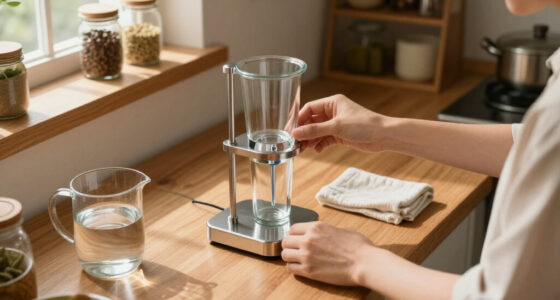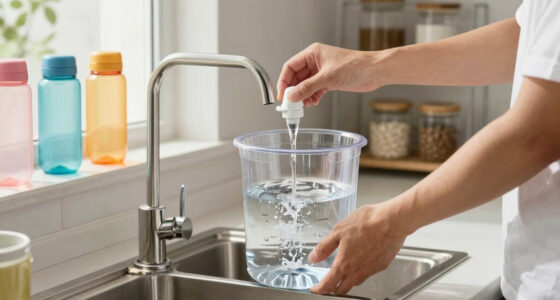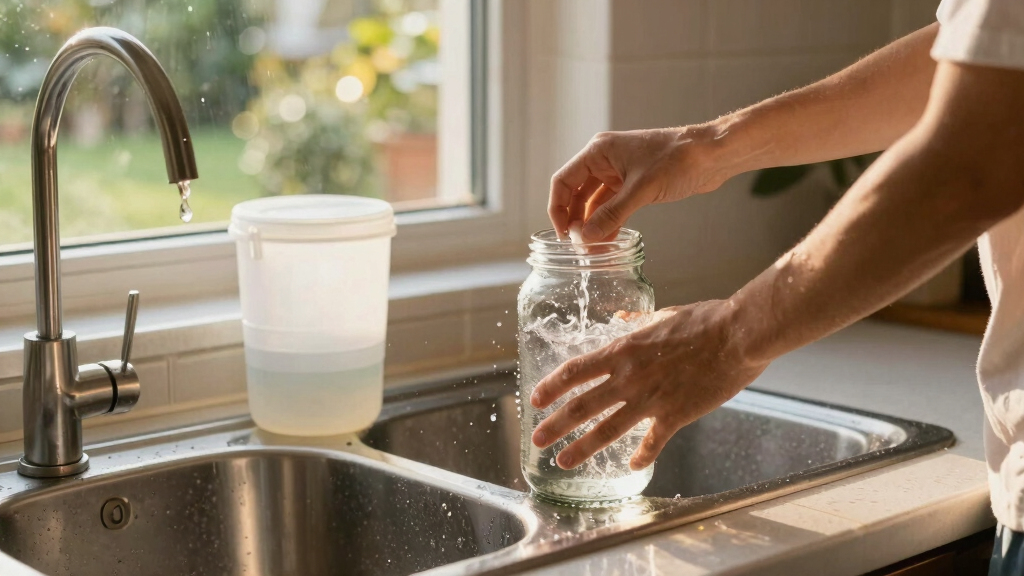

TL;DR

Get kitchen gear delivered free with Prime
- Fast, free delivery on millions of items
- Prime Video, Amazon Music and more included
- Member-only deals all year
Rainwater collection is a sustainable way to supplement your water needs. Proper filtering, disinfection, and maintenance turn dirty runoff into safe, usable water—if you follow the right steps. This guide explains exactly how to do it, safely and practically.
Rainwater is a free, abundant resource waiting to be tapped, especially if you live off-grid or want to build resilience against disruptions. But collecting rainwater isn’t just about catching drops; it’s about doing it safely—so it doesn’t turn into a health hazard.
In this guide, you’ll learn the essential steps to gather rainwater, keep it clean, and use it confidently—whether for watering your garden or drinking from your tap. The goal? Turn a simple downpour into a reliable, safe water supply you control.
Always check local laws before installing a rainwater harvesting system.
Use non-toxic, food-grade materials for catchment and storage.
Install a first-flush diverter to improve water quality from the start.
Treat collected rainwater with proper filtration and disinfection before use.
Regular maintenance and testing are the keys to keeping water safe.
Know the Rules Before You Catch Rainwater
Regulations around rainwater harvesting vary widely by region. Some places encourage it with incentives; others have restrictions or require permits. Check your local laws before setting up a system.
For example, in some states, collecting rainwater on your property is outright legal and even subsidized. In others, you might need to register or follow specific guidelines to avoid fines or legal issues.
Knowing the rules keeps your project smooth and avoids surprises later. Plus, understanding legal limits helps you design a system that’s compliant and safe.
As an affiliate, we earn on qualifying purchases.
Set Up a Catchment That Won’t Poison Your Water
Your rainwater collection starts with the catchment surface—typically your roof. Materials like metal, tile, or asphalt shingles are common. But not all are equally safe for drinking water.
Make sure your roof materials are food-grade or at least not toxic. Use gutters and downspouts that are made from non-leaching plastics or metals. Install a first-flush diverter—a simple device that diverts the initial runoff, which carries most dirt and debris.
Imagine a downpour hitting a metal roof—water flows smoothly into your gutters, but the first few gallons are diverted away, taking dirt, leaves, and bird droppings with it. This simple step drastically reduces contamination.
Understanding the importance of this initial diversion helps prevent the accumulation of harmful contaminants that tend to stick to the first flush of rain. Neglecting this step can lead to higher levels of bacteria, debris, and chemicals in your stored water, making it unsafe for any use, especially drinking.
As an affiliate, we earn on qualifying purchases.
Choose the Right Storage System—And Keep It Clean
Storage tanks come in all shapes and sizes—from small rain barrels to large cisterns. For safety, pick food-grade plastics, concrete, or stainless steel. Avoid tanks that leach chemicals or are painted with toxic finishes.
Position your tank off the ground with a tight-fitting lid to prevent mosquito breeding and debris entry. Regularly inspect and clean your tank—scrubbing algae and replacing filters keeps water fresh.
Picture a dark, stagnant tank—stink and mosquito larvae develop easily. A clean, covered tank with maintained filters prevents that nightmare scenario.
Choosing appropriate materials and maintaining your tank are critical because they directly impact water quality over time. Poorly maintained or incompatible materials can introduce contaminants, negating your efforts to keep water safe. Regular cleaning and proper placement also prevent biological growth and pest breeding, which can quickly turn your storage into a health hazard.
first flush diverter for rainwater
As an affiliate, we earn on qualifying purchases.
As an affiliate, we earn on qualifying purchases.
Treat Rainwater Like Drinking Water—Because It Should Be
Rainwater isn’t automatically safe to drink. It can carry bacteria, viruses, heavy metals, or chemicals from your roof. Proper filtration and disinfection are essential.
Use multi-stage filters—mesh screens for debris, activated carbon filters for chemicals, and UV sterilizers or boiling for pathogens. For example, boiling rainwater for one minute kills most bacteria and viruses, making it safe for drinking and cooking.
Think of it as a process that transforms potentially unsafe runoff into a clean, pathogen-free resource. Each step—filtration, chemical removal, and sterilization—targets specific contaminants. Neglecting these steps can leave harmful microbes or chemicals in your water, posing health risks. Proper treatment ensures your water is safe, protecting your family from waterborne illnesses and chemical exposure.
Deeply understanding why each step matters helps you prioritize the most effective methods and avoid common pitfalls. For instance, skipping disinfection after filtration might leave dangerous pathogens, especially during rainstorms when contamination risk is higher. Recognizing the tradeoffs—like the need for energy or maintenance—helps you design a reliable, safe system tailored to your needs.
rainwater filtration and disinfection kit
As an affiliate, we earn on qualifying purchases.
As an affiliate, we earn on qualifying purchases.
Recent Tech That Makes Rainwater Safer and Smarter
New systems bring innovation to off-grid rainwater harvesting. Smart sensors monitor water quality, tank levels, and filter status remotely via apps. This real-time data helps you catch problems early.
Advanced filtration units now combine multiple stages—mesh, carbon, UV—in a compact, affordable package. Eco-friendly materials in tanks reduce chemical leaching and environmental impact.
Plus, some regions offer incentives for installing these smarter systems, making it easier and cheaper to do right by your water supply.
What You Need to Know Before You Start Collecting Rainwater
Collecting rainwater can significantly cut your reliance on municipal water—up to half or more, in some cases. But it’s not foolproof and requires ongoing care.
Contamination risks are real: bacteria, viruses, metals, and chemicals from roofing or pollutants in the air. Regular testing and system upkeep are non-negotiable for safe drinking water.
Planning your system carefully—considering size, materials, and treatment—sets you up for success. Think of it as building a mini water treatment plant right on your property.
Your Step-by-Step Guide to Safe Rainwater Harvesting
- Assess your roof and local laws. Know what materials are safe and legal in your area.
- Install gutters and a first-flush diverter. Make sure runoff is clean before reaching your storage.
- Choose a proper tank. Use food-grade materials, place it high enough for gravity flow, and cover it tightly.
- Set up filtration and disinfection. Mesh screens, carbon filters, UV sterilizers, or boiling.
- Test and maintain regularly. Check water quality, clean filters, and inspect your tank monthly.
Compare Your Options: Different Storage Tanks at a Glance
| Tank Type | Pros | Cons |
|---|---|---|
| Plastic (Food-Grade) | Lightweight, affordable, corrosion-resistant | Can degrade over time, avoid cheap plastics |
| Concrete | Very durable, naturally treated | Heavy, expensive, needs sealing |
| Stainless Steel | Corrosion-proof, clean taste | Costly, heavy to move |
Watch Out for Hidden Risks and How to Avoid Them
Mosquitoes love stagnant water—your tanks are perfect breeding grounds if left uncovered. Regular cleaning and covering prevent this.
Bacterial contamination can occur if you don’t treat water properly. Always disinfect before use, especially if you plan to drink it.
Heavy metals or chemicals from roofing or air pollution are harder to spot. Regular testing of water quality keeps risks in check.
Remember, untreated rainwater can be unsafe. Think of it like raw milk—delicious but potentially dangerous without proper handling.
Frequently Asked Questions
Can I drink rainwater collected from my roof?
Yes, but only if you properly filter and disinfect it. Untreated rainwater can carry bacteria, viruses, or chemicals. Boiling or UV sterilization makes it safe for drinking and cooking.
How often should I clean my rainwater tank?
Inspect and clean your tank at least once a year. Remove any debris, algae, or sediment, and replace filters regularly. Good maintenance keeps water safe and system efficient.
What materials are best for rainwater tanks?
Use food-grade plastics, concrete, or stainless steel—materials that don’t leach toxins or corrode. Avoid cheap plastics or painted tanks that could contaminate your water.
How much does a basic rainwater harvesting setup cost?
Costs vary widely—simple systems start around a few hundred dollars, with larger or more sophisticated setups costing several thousand. Budget for tanks, filters, and installation.
Are there health risks with rainwater harvesting?
Yes, if not maintained properly. Risks include mosquito breeding, bacterial growth, and chemical contamination. Regular cleaning and treatment make rainwater safe.
Conclusion
Turning rain into safe water isn’t magic—it’s a matter of following simple, proven steps. With attention to materials, treatment, and regular upkeep, you can create a resilient, sustainable water supply right outside your door.
Imagine filling your off-grid home’s needs without relying on external sources—just the sky, your roof, and your know-how. Rainwater harvesting isn’t just practical; it’s a quiet act of independence.
Fall Picks
fall essentials
As an affiliate, we earn on qualifying purchases.